

Despite the increase in export turnover, concerns remain. This is the reality for many Vietnamese businesses amidst the tightening of technical barriers and the application of numerous trade protection measures against imports from Vietnam by a number of key export markets.
Many items are subject to anti-dumping duties.
According to the latest information from the Trade Promotion Agency ( Ministry of Industry and Trade ), the US Department of Commerce (DOC) has published its final conclusion in the second sunset review of the anti-dumping duty (ADD) order on wind turbine towers (a crucial component of wind energy systems) imported from Vietnam. Accordingly, the DOC maintains its stance of applying an average anti-dumping duty rate of 58.24% to this product group. However, the agency also recommends that any new Vietnamese exporters (if any) contact the DOC before exporting to have their individual duty rates calculated; otherwise, they will be subject to the 58.24% AD rate.
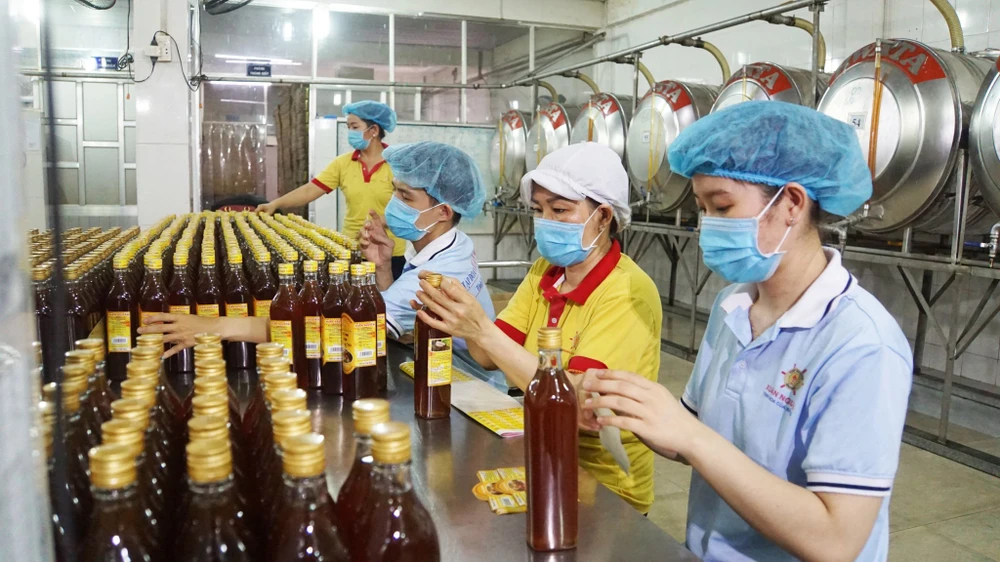
In addition, the DOC is restarting the administrative review of the second countervailing duty order on Vietnamese honey. The agency is reviewing the list of companies exporting honey to the United States. Previously, in 2022, the DOC imposed a tariff of over 400%, virtually shutting down Vietnamese honey products in the US market. Only recently, after Vietnamese businesses fought to reduce the tariff to below 60%, has the product returned to the US market.
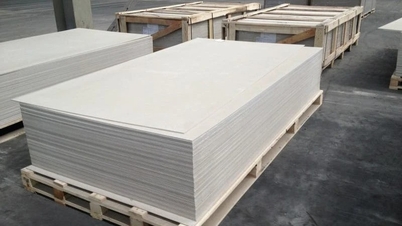
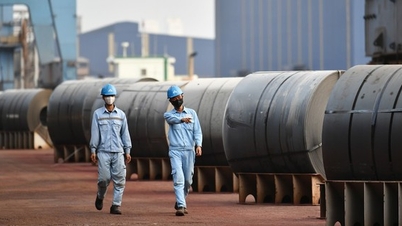
Furthermore, the imposition of countervailing duties (CVDs) becomes even more concerning when a number of Vietnam's key export markets are subjected to trade defense policy barriers. For example, the Taiwan Cement Manufacturers Association (China) has officially initiated a CVD investigation into cement and clinker originating from or imported from Vietnam. The European Commission (EC) has issued a notice initiating a CVD investigation into certain hot-rolled steel products originating from Vietnam, such as stainless steel or silicon-oriented electrical steel; tool steel and specialized high-hardness tool steel; and non-coiled steel…
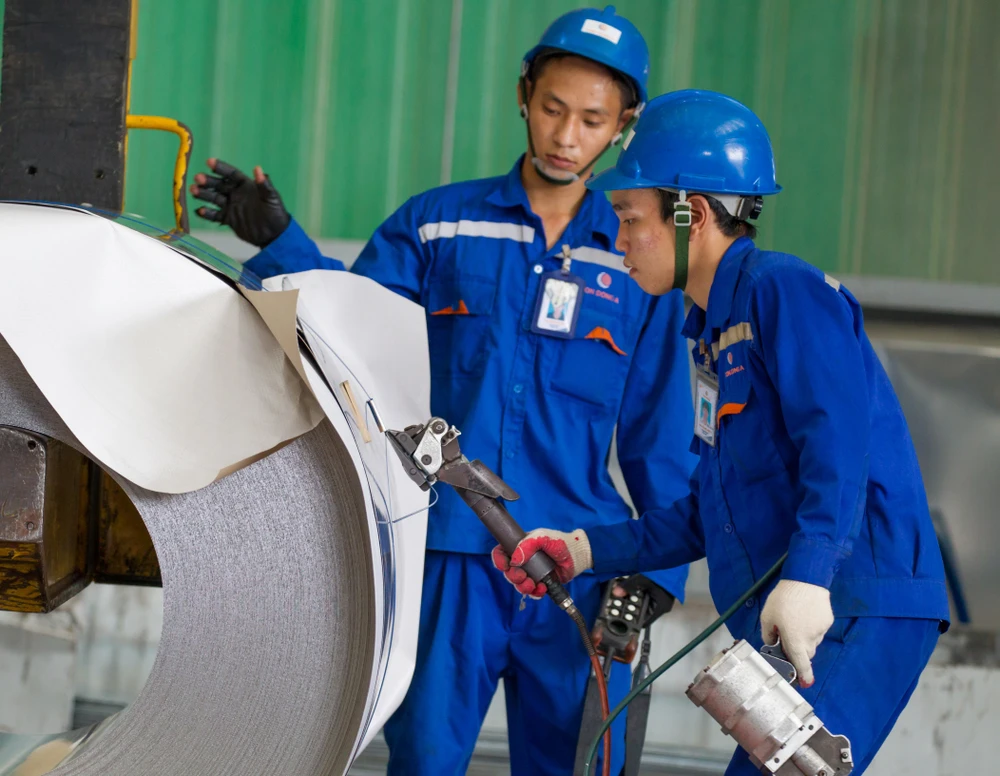
Mr. Nguyen Ngoc Hoa, Chairman of the Ho Chi Minh City Business Association, said that the markets with the highest number of anti-dumping cases against Vietnamese exports are the United States, India, and Australia. The investigated goods are quite diverse, ranging from agricultural products, processed foods, textiles, fibers, steel products, wood, aluminum, copper, rubber and plastics, chemicals, and construction materials. A common point among the initiated investigations is that they focus on export product groups with turnovers ranging from tens of millions to billions of USD.
Selective investment, creating space for development.
Mr. Lu Nguyen Xuan Vu, General Director of Xuan Nguyen Group Joint Stock Company, analyzed that if considering only agricultural and food products, Vietnam ranks among the top 10 largest exporting countries in the world . In terms of export turnover, over 75% belongs to Vietnamese businesses, with only a small percentage belonging to foreign-invested enterprises. Furthermore, the raw materials for this industry are also "purely Vietnamese." He explained that the imposition of anti-dumping duties on some products is due to a lack of coordination and price dumping by Vietnamese businesses in trade, leading to penalties for anti-dumping duties. A typical example is honey, which is currently under renewed investigation. To secure orders, exporting companies have aggressively pressured domestic farmers to purchase raw materials at very low prices. Therefore, when investigated, export markets have penalized by imposing very high anti-dumping duties on the product, affecting the overall production activities of businesses in the entire industry.
From another perspective, Mr. Nguyen Ngoc Hoa argued that one cause is the fraudulent misrepresentation of origin through foreign investment in Vietnam. Many businesses have been subject to countervailing duties in their home countries, and to avoid this tax, they choose to make new investments or expand existing investments in Vietnam. To prevent this, investment attraction strategies need to be re-evaluated. Relevant ministries and agencies should comprehensively assess the internal development potential, strengths, and weaknesses of each industry. Based on this, they should prioritize attracting investment and decisively reject industries where Vietnamese businesses are experiencing strong growth. Instead, they should promote activities that supplement investment and strengthen the internal capacity of Vietnamese businesses by connecting technology transfer and capital from foreign companies to domestic businesses; creating more space for the development of Vietnamese businesses, focusing on supporting reasonably priced land, preferential capital, tax and fee policies, and improving training programs to enhance the capacity of the workforce…
Based on the above situation, businesses recommend that the Ministry of Industry and Trade should soon establish domestic trade defense barriers for imported goods from abroad. At the same time, they suggest effectively implementing the project to build and operate an early warning system for trade defense; the project to strengthen state management in combating evasion of trade defense measures and origin fraud; and enhancing trade defense capacity in the context of participating in new generation free trade agreements…
According to Mr. Pham Binh An, Deputy Director of the Ho Chi Minh City Development Research Institute, the Ministry of Industry and Trade needs to establish a floor price framework for various product groups to prevent domestic businesses from undercutting each other's prices and protect domestic production. As for businesses, in addition to proactively preparing legal documents to respond to lawsuits at any time, they need to cooperate and collaborate to export, not abet fraudulent practices regarding origin; diversify markets, maximize the potential of the Asian market, and aim for a more sustainable and multipolar export market.
AI VAN
Source: https://www.sggp.org.vn/doanh-nghiep-lo-rao-can-xuat-khau-post755142.html




















![[Photo] Prime Minister Pham Minh Chinh holds a phone call with the CEO of Russia's Rosatom Corporation.](/_next/image?url=https%3A%2F%2Fvphoto.vietnam.vn%2Fthumb%2F1200x675%2Fvietnam%2Fresource%2FIMAGE%2F2025%2F12%2F11%2F1765464552365_dsc-5295-jpg.webp&w=3840&q=75)














































Comment (0)