

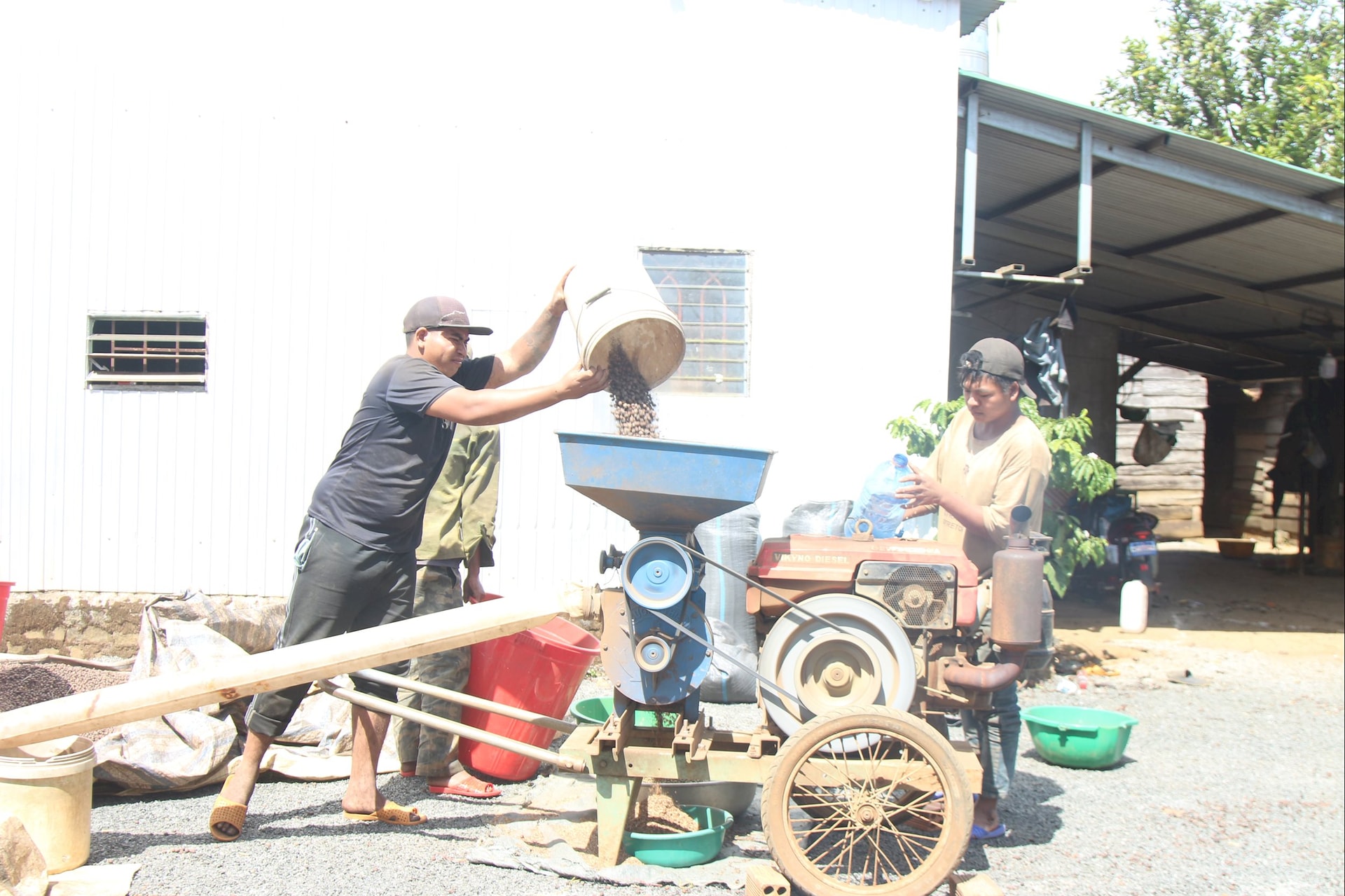
After the merger, Ward 2 of Bao Loc has approximately 2,200 households and 6,059 ethnic minority residents (accounting for 12% of the population), including the Ma, Tay, Nung, K'ho, Thai, Muong, Hoa, Mong, and Dao ethnic groups. Currently, the people mainly live in 4 residential areas of the former Loc Tan commune.
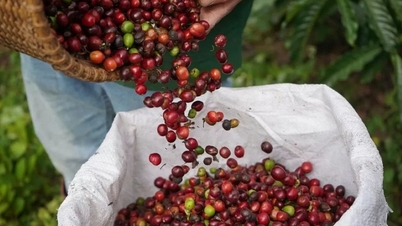
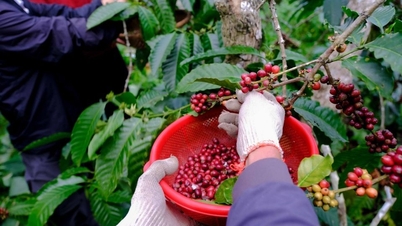
One of the main crops of the ethnic minority people here is coffee, with approximately 2,800 hectares currently under cultivation. The coffee harvest is currently abundant and prices are good, providing many families with high incomes from this crop.
The family of K'Bệt, the Party Secretary of Residential Area 38, cultivates 2 hectares of coffee, earning nearly 1 billion VND annually. Mr. K'Bệt stated: "The residential area currently has 184 households, mainly Ma and K'ho people. The lives of the people are changing day by day, thanks to the cultivation of coffee as the main crop, which has helped many families become financially secure. For example, the families of Mr. K'Mang, Mr. K'Tư, Mr. K'Ngôn… all cultivate over 4 hectares of coffee; on average, they earn over 1.5 billion VND per harvest."
Along with coffee, tea is also one of the main crops that helps the local people increase their income. Through crop variety conversion projects and high-tech agricultural programs, the local government annually develops plans to convert areas of old, low-yield, and low-quality tea varieties to new, high-yield, and high-quality tea varieties in a linked chain connecting production, processing, and consumption, such as tea varieties: TB14, Oolong, Tu Quy, Kim Tuyen, Ngoc Thuy… Some farmers still maintain high-quality tea cultivation areas such as Thai Xuan Bach, Bui Van Quynh, Quang Ba Ny… earning incomes ranging from 300 million to 1 billion VND per year.
Along with coffee and tea, mulberry cultivation and silkworm farming are also providing a significant income for the people of Ward 2, Bao Loc, in general, and ethnic minority communities in particular. Mr. K'Blin from Hamlet 43 shared: "Most ethnic minority people here earn extra income from this 'standing while eating' job. Mulberry cultivation and silkworm farming have become a profession for the people. The work is quite simple, so family members can take advantage of their free time and labor. On average, each ethnic minority household engaged in mulberry cultivation and silkworm farming can earn an additional 5-10 million VND per month."
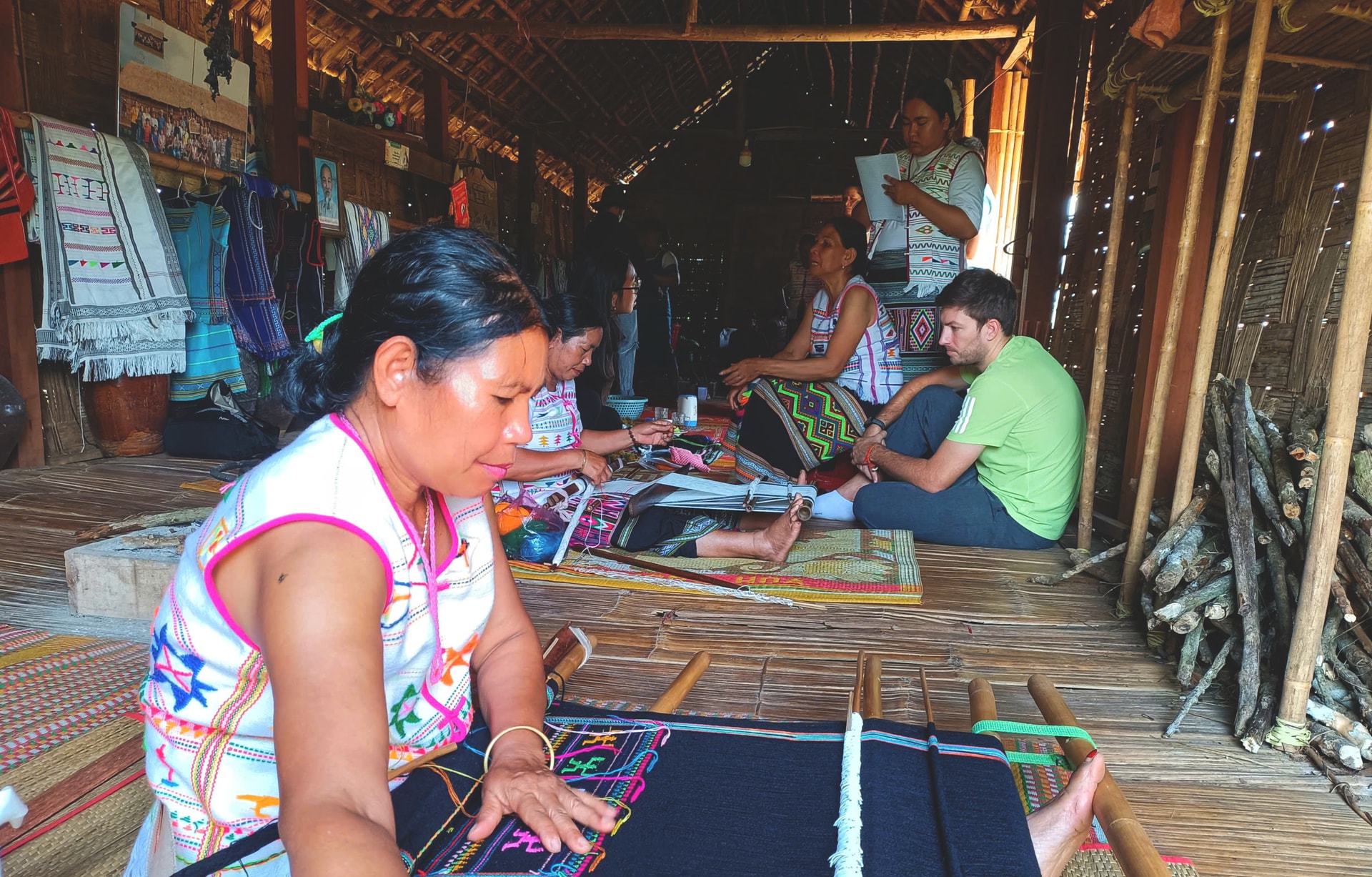
Alongside focusing on economic development and boosting agricultural production, ethnic minority communities in Ward 2, Bao Loc, have also boldly established brocade weaving groups. Currently, the brocade weaving group of the Ma ethnic minority has more than 20 members, and the women mainly weave brocade during their free time between farming seasons. In recent times, brocade weaving has helped the women earn additional income for their families and promote the cultural traditions of the local ethnic minority community. The gong and drum ensembles of the community also regularly practice and participate in performances in their villages and at many major festivals.
Mr. Nghiem Van Viet, Vice Chairman of the People's Committee of Ward 2, Bao Loc, said: "Generally, the living conditions of ethnic minority people in the area are stable. They are actively engaged in labor and production, strictly adhering to the Party's guidelines and policies, and the State's laws. The locality continues to focus on implementing many support policies to help people develop production, achieve sustainable poverty reduction, and transform the structure of crops and livestock. One of the directions to help people in the future is to focus on eco- tourism and resort activities combined with gong music, brocade fabrics, and local products such as tea, coffee, and silk..."
Source: https://baolamdong.vn/dong-bao-dan-toc-thieu-so-lam-giau-chinh-dang-409239.html



![[Image] National Assembly discusses the implementation of the socio-economic development plan.](https://vphoto.vietnam.vn/thumb/1200x675/vietnam/resource/IMAGE/2026/04/20/1776696707422_ndo_br_img-20260420-185419-jpg.webp)

![[Photo] General Secretary and President To Lam meets with National Assembly delegates from ethnic minorities.](https://vphoto.vietnam.vn/thumb/1200x675/vietnam/resource/IMAGE/2026/04/20/1776696701056_a1-bnd-8331-3342-jpg.webp)












































































Comment (0)