

According to Neil MacGregor, Managing Director of Savills Vietnam, although domestic spending has slowed down somewhat, the retail rental market remains strong due to limited supply. This also presents a challenge for retailers looking to expand.
Vietnam's economic growth is attributed to three key factors: rapid industrialization driven by foreign direct investment (FDI), the rise of the middle class, and its unique geopolitical strengths.
Michael Kokalari, Chief Economist of VinaCapital Vietnam, believes that Vietnam has been very successful in building good relationships with both the US and China. Currently, only Vietnam and Singapore in the region can balance the positions of these two superpowers. This provides a foundation for strategic opportunities in industrialization and economic growth.
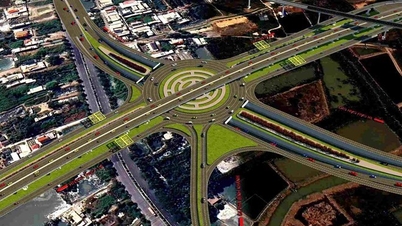
From the perspective of the real estate industry, Neil MacGregor, Managing Director of Savills Vietnam, noted that infrastructure is also a crucial factor, especially as Vietnam is focusing on infrastructure development.
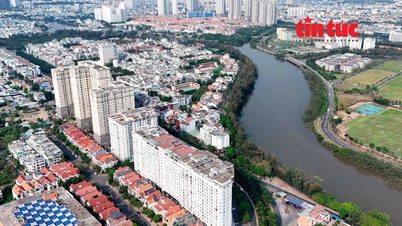
“We’ve seen a number of new residential real estate projects launched, primarily in suburban areas experiencing rapid economic growth driven by manufacturing. It’s safe to say that FDI is essential for the real estate market across all sectors, especially industry,” added Neil MacGregor.

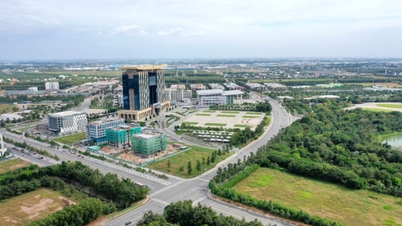
Savills data shows that Vietnam currently has 33,000 hectares of industrial park space for lease, with an occupancy rate of 80%, indicating high demand, especially in the South. A current emerging trend is the development of ready-built warehouses and factories, attracting significant interest from investors.
The occupancy rate for this type of property is quite high, reaching 80% nationwide. The average rental price is also at $5.4 USD/m2/month and is mainly concentrated in the Southern market. However, in the North, especially in provinces surrounding Hanoi such as Bac Giang and Hai Duong, there is also a rapid pace of market adoption.
In addition, the CEO of Savills Vietnam also noted that the retail market is being driven by favorable demographics, including a rapidly growing middle class. Several large-scale shopping mall projects in suburban areas have opened and attracted a large number of consumers.
“Although domestic spending slowed down somewhat in 2024, the retail real estate leasing market generally performed well due to limited supply. This also poses a challenge for retailers looking to expand at this time, driving up rental prices in central areas in the near future,” commented Neil MacGregor.
The office market has seen strong demand, driven by a stable economy and expanding companies. Savills experts say rental prices will remain stable in the future due to new supply and a focus on sustainability.
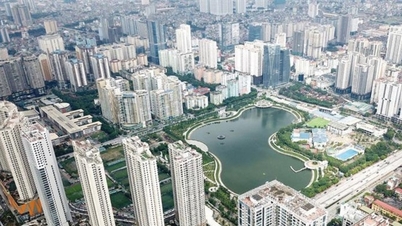
Furthermore, a recently published study by Savills Impacts confirms that Ho Chi Minh City and Hanoi are among the fastest-growing cities in the world, thanks to factors such as demographics, urbanization, economic growth, and a burgeoning middle class. Remittances to Ho Chi Minh City alone reached a 10-year record high, with an estimated 20% invested in real estate, further supporting the recovery of the housing market.
Ha Anh
Source: https://doanhnghiepvn.vn/kinh-te/bat-dong-san/gia-bat-dong-san-cho-thue-tang-thach-thuc-cac-nha-ban-le/20240911093015462

























































































Comment (0)