


Over the past two weeks, due to the impact of two consecutive typhoons, numbers 10 and 11, many areas in Hanoi have experienced severe flooding. This situation has affected the daily lives of Hanoi residents. In particular, market prices and the purchasing power of food items have fluctuated significantly.
According to VTV Times reporters at local markets, the prices of green vegetables have fluctuated significantly. Surveys at traditional markets such as Tam Da, Buoi Market, Linh Lang, and Lang Ho... show that the prices of green vegetables and root vegetables have increased sharply, with some types even doubling or tripling compared to normal days.
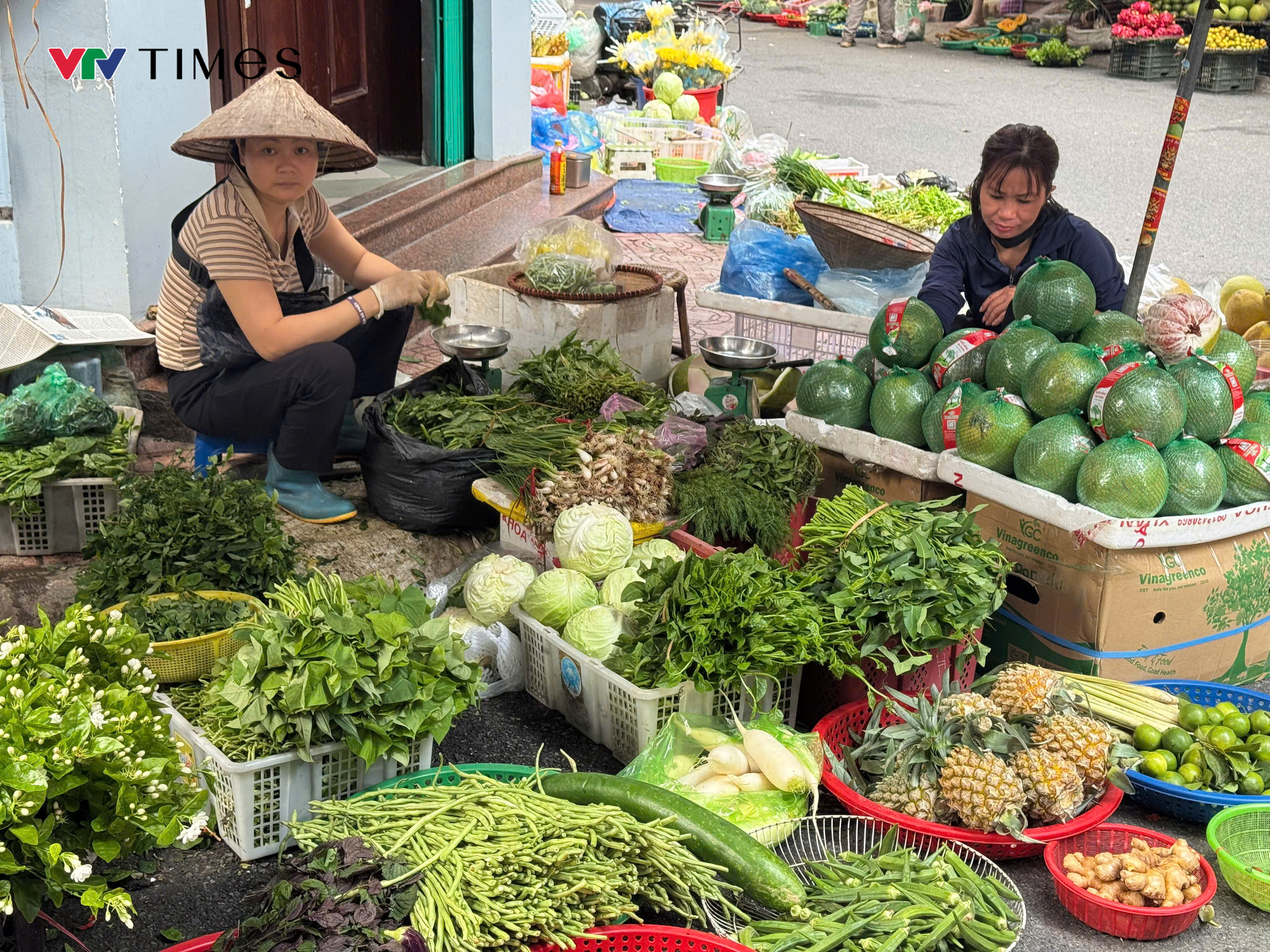
Following the storms, many vegetable growing areas were submerged and damaged. This contributed to a sharp increase in vegetable prices in Hanoi, with some types tripling in price compared to normal. Photo: NH
At Linh Lang market (Ngoc Ha ward), stalls are operating more normally again after several days of rain and storms, but the supply is limited. The most noticeable change is the skyrocketing price of vegetables. Specifically, water spinach costs 25,000 VND/bunch, down from the usual 12,000 VND; jute mallow and sweet potato leaves cost 20,000 VND/bunch, double the price. Tomatoes, cucumbers, green squash, and pumpkins have all increased by 3,000 - 5,000 VND/kg. Notably, green onions have surged to 60,000 VND/kg but are still selling out quickly.
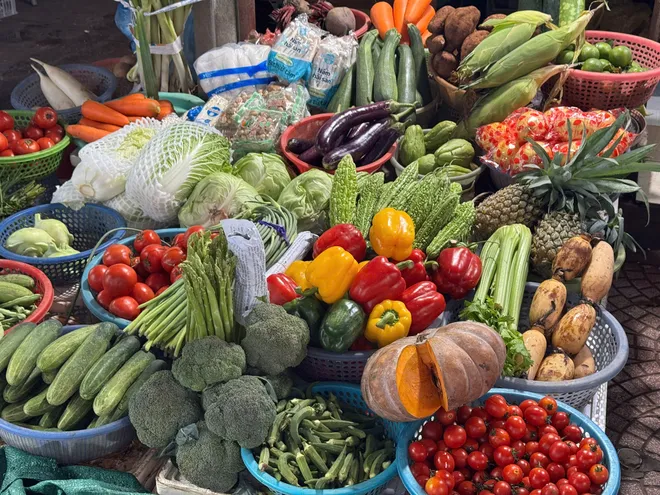
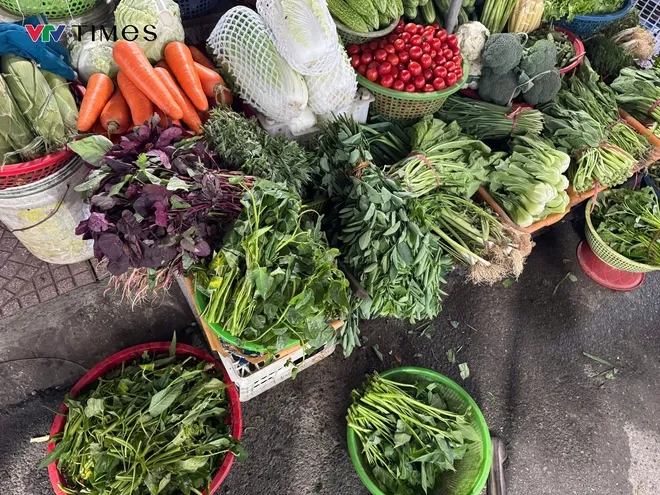
Sweet cabbage and mustard greens, which are in high demand this season, have reached 40,000 VND/kg; scallions and herbs – popular spice vegetables – have seen the sharpest increase, reaching 60,000 VND/kg, compared to the usual 30,000 VND/kg. Photo: NH
Explaining the reasons, many vendors said that the storm had damaged many types of vegetables, causing the leaves to turn yellow and wilt quickly. Some stalls had to remove damaged parts and reduce the weight of vegetables for sale. "The recent Typhoon No. 11 caused heavy and prolonged rain, severely flooding many vegetable-growing areas in the outskirts of Hanoi and neighboring provinces. The vegetables are weak and fragile; just a few days of flooding is enough to ruin them. New crop vegetables haven't been sown yet, so the market is almost entirely dependent on the meager supply, which is insufficient to meet demand," shared Ms. Thu Mai, a vendor at Tam Da market.

At local markets throughout the province, vegetable and fruit prices have also seen a slight increase. People are mainly selling produce from their own gardens, such as water spinach, sweet potatoes, green squash, okra, etc. (Photo: NH)

With rising vegetable prices, consumers are switching to more affordable root vegetables and fruits. Photo: NH
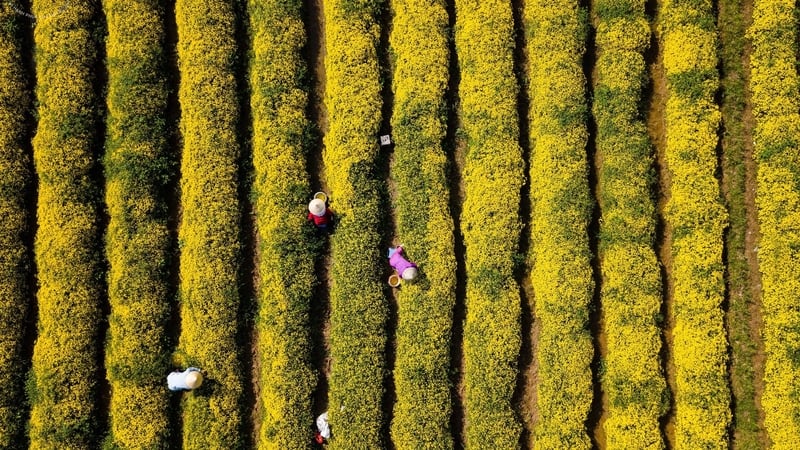
Previously, the alluvial plains along the Red River were primarily used by locals to grow vegetables. However, after the recent floods, the entire area was submerged, causing most of the vegetable crops to be waterlogged and damaged. Only the fields located further inland remained, but they were also affected and destroyed, resulting in a sharp decrease in yield – and consequently, the price of vegetables doubled compared to normal days.
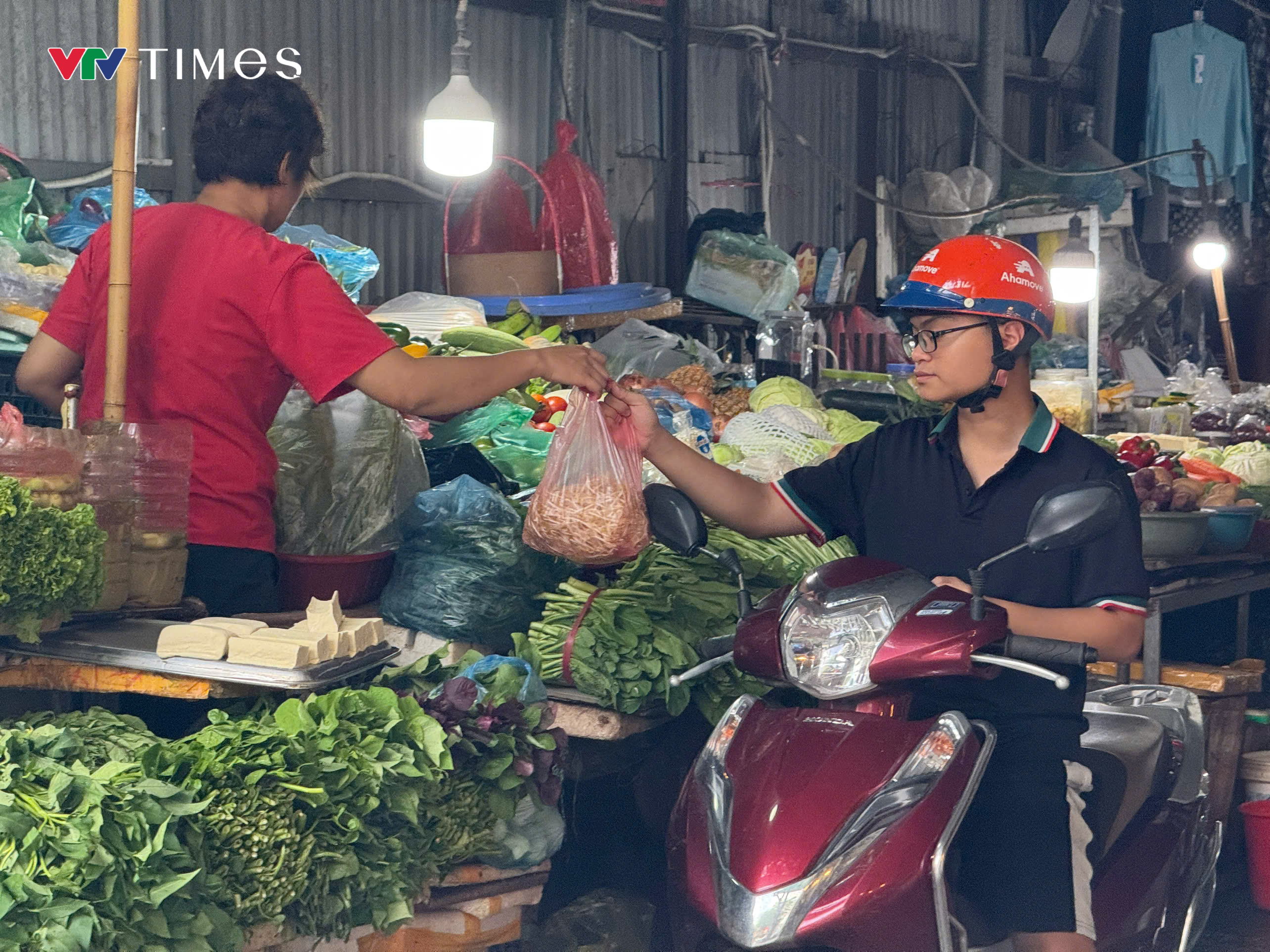
Hanoi consumers say that the rapid increase in vegetable prices is making daily expenses difficult. Ms. Loan Nguyen (Tay Ho ward) lamented: "Today I spent 100,000 VND on various vegetables at the market, but it's still not enough. My family has six people, so I have to buy two bunches of each kind. It turns out each trip to the market now costs 40-50,000 VND more than before." (Photo: NH)
It is expected that it will take at least another 2 to 3 weeks for vegetable prices to cool down, as the weather stabilizes and vegetable growing areas gradually recover. During this time, consumers are advised to prioritize seasonal vegetables and buy them at supermarkets or safe agricultural product chains to ensure quality and minimize price risks.
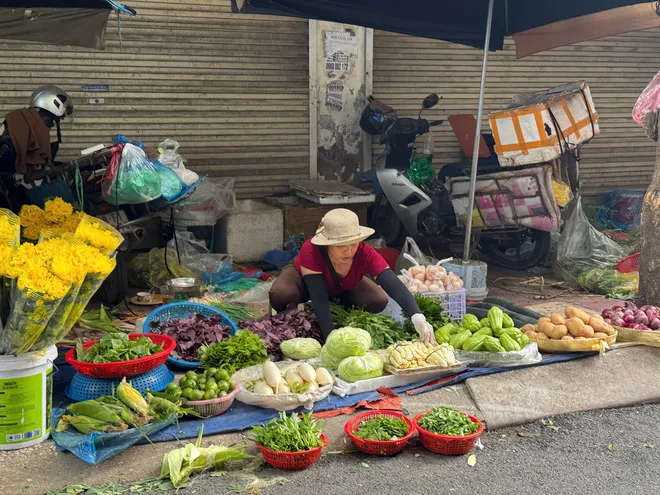
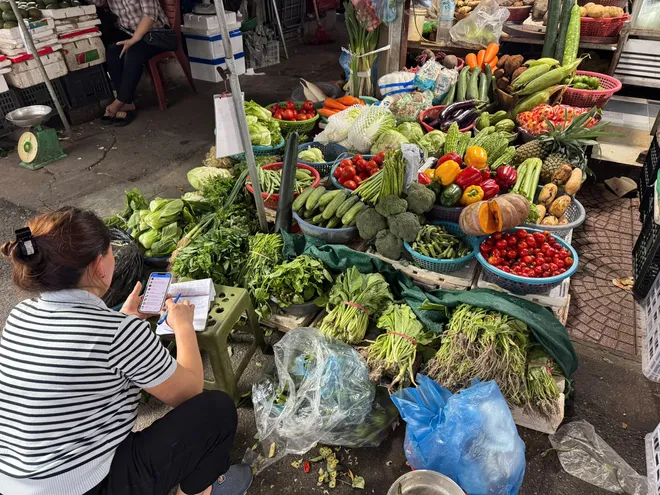
According to Nguyen Thi Vien, a vegetable vendor with over five years of experience at Lang Ho market, this is the second price increase in just over a month. “In mid-September, after typhoon number 3, vegetable prices also skyrocketed. After about two weeks, the supply gradually stabilized, and prices returned to near their previous levels. But before we could celebrate, two more typhoons hit, bringing heavy rain for many days, causing flooding and root rot. Now prices have doubled again, even exceeding the previous increase,” Ms. Vien shared. (Photo: NH)
This latest price increase also shows that Hanoi's vegetable market remains heavily dependent on supplies from suburban areas and neighboring provinces. According to experts, to minimize price fluctuations during periods of unfavorable weather, the city needs to accelerate the planning of safe vegetable growing areas, invest in proactive covering and irrigation systems, thereby helping people stabilize the supply of vegetables – an essential item in daily life.
Source: https://vtv.vn/gia-rau-xanh-tai-ha-noi-tang-gap-ba-sau-mua-bao-100251010234916438.htm



























































































Comment (0)