

Many reasons
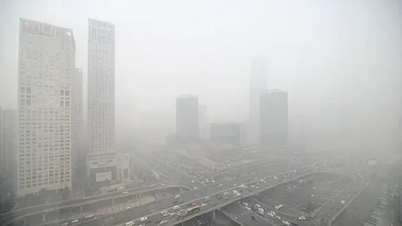
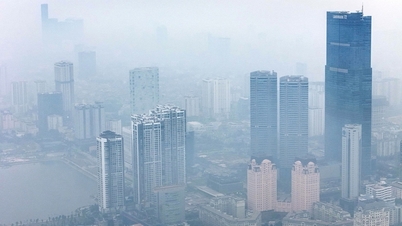
According to the recently released data of the HanoiAir model (air forecasting system), the current pollution period started on November 28 and is likely to last until December 5. On December 1, the average AQI reached 143 - at the "poor" level, with the concentration of PM2.5 fine dust at about 77µg/m3, about 5 times higher than the safety standard proposed by the World Health Organization (WHO).
Some suburban areas recorded AQI above 240 (the “very bad” or hazardous level). In this situation, the Hanoi People’s Committee has advised the elderly, children, and people with respiratory diseases to limit going out; students can temporarily stop outdoor activities when the AQI is at a bad level.
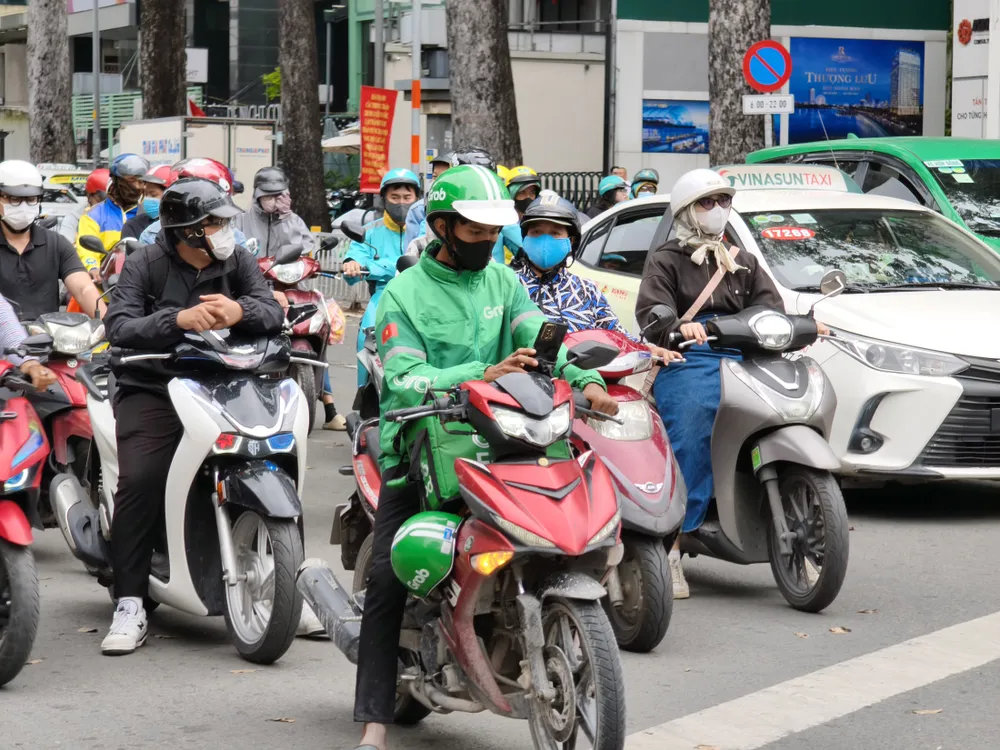
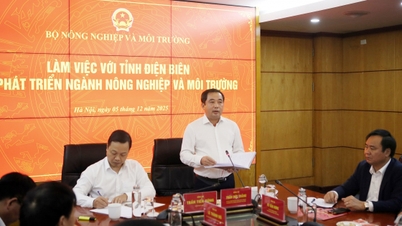
Analyzing the causes of pollution in Hanoi, Ms. Nguyen Hoang Anh (Head of Environmental Quality Management Department - Department of Environment, Ministry of Agriculture and Rural Development) said that the pollution in Hanoi is due to a combination of causes, not entirely due to emissions from vehicles.
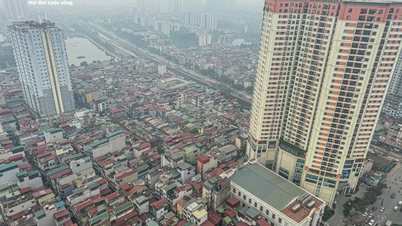
According to the Hanoi City report on air pollution, pollution from vehicles accounts for over 60%. However, according to research by the Ministry of Agriculture and Environment, the source of pollution from vehicle emissions only accounts for about 15%, dust from traffic activities accounts for up to 23%, a total of 38%. A very large source of dust (accounting for about 29%) comes from industrial activities and from construction (accounting for about 17%-18%).
In addition, the proportion of pollution caused by burning activities (straw, tires) accounts for 15%-16%. These figures have been included in the summary report submitted to the Prime Minister by the Ministry of Agriculture and Environment.
Building emission control standards
Ms. Nguyen Hoang Anh also said that the pollution situation in Ho Chi Minh City is similar to Hanoi, but pollution in Hanoi is triggered by weather factors. Therefore, the maximum pollution level in Hanoi is often higher than in Ho Chi Minh City due to the integration of traffic emissions with weather conditions.
Regarding weather factors, a representative of the Department of Meteorology and Hydrology (Ministry of Agriculture and Environment) said that Hanoi and some northern provinces often experience increased pollution levels in winter, while it is rare in summer.
The reason is that in winter, the North is dry, many days the humidity drops to 40%-50%. Many days without rain, the dust concentration is high. The pollution is more obvious on foggy days because the polluted air cannot escape to the upper layers of the atmosphere.
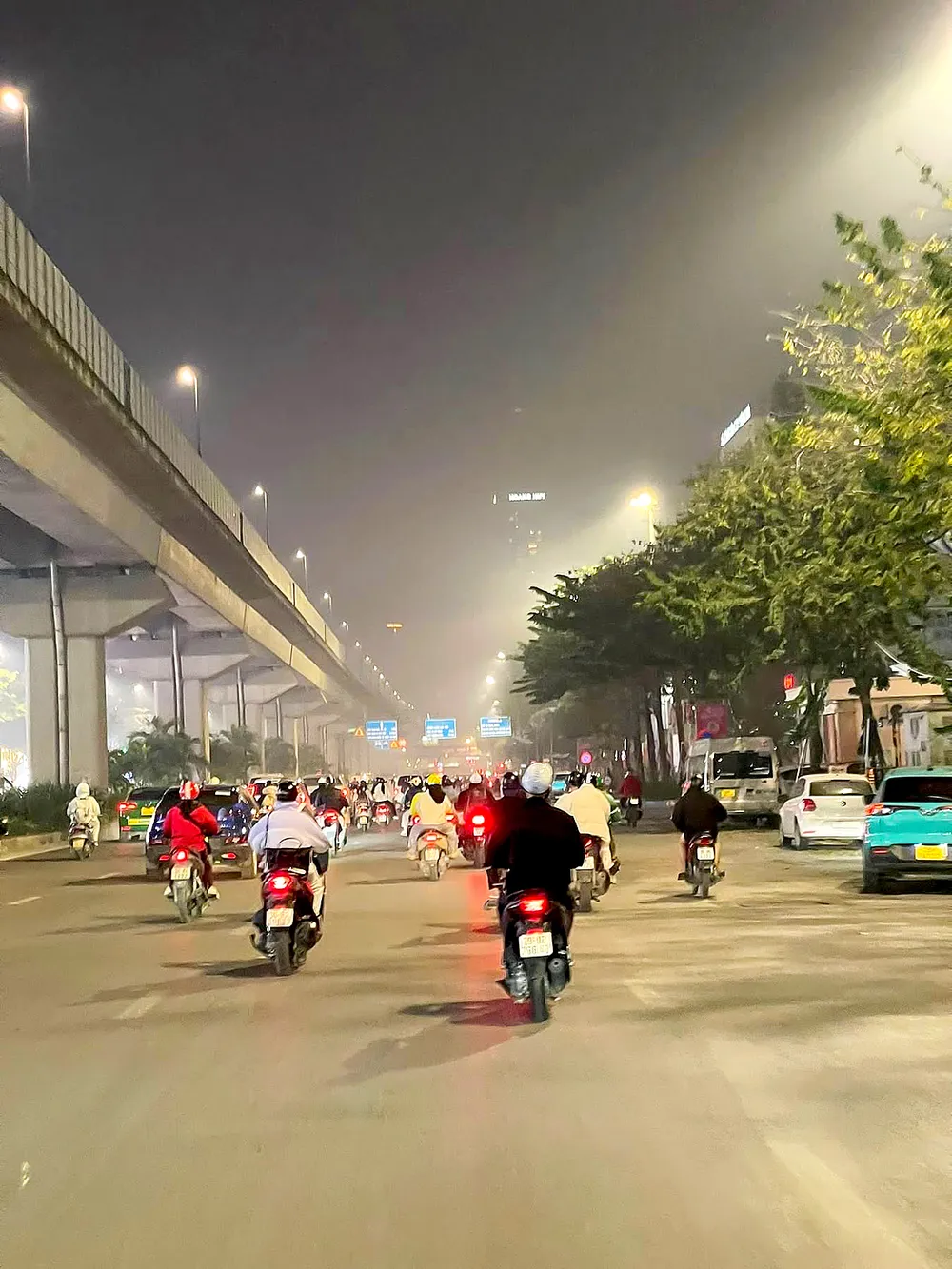
According to Associate Professor Dr. Nguyen Thi Nhat Thanh (University of Technology - Vietnam National University, Hanoi), Hanoi has a basin terrain, in winter, the Northeast monsoon makes it difficult for air to circulate, easily accumulating pollution. Meanwhile, in summer, the pollution level drops significantly.
Regarding air pollution control measures, Ms. Nguyen Hoang Anh said that on November 19, 2025, the Prime Minister issued Decision No. 2530/QD-TTg approving the National Action Plan on pollution remediation and air quality management for the 2026-2030 period, with a vision to 2045.
The main goals set by the Government are: improving air quality in key areas, reducing fine dust concentration and pollution in Hanoi. By 2030, 100% of public transport in Hanoi and Ho Chi Minh City will use clean energy.
In Decision 2530/QD-TTg, the Government assigned the development of emission control standards and incentive mechanisms for clean vehicles, moving towards emission control. In particular, pilot support for vehicle innovation, development of green public transport, clean energy infrastructure, to support the conversion of personal vehicles to low-emission vehicles.
Regarding the roadmap for controlling vehicle emissions, the roadmap for applying emission standards has been determined in Decision 43/2025/QD-TTg signed by Deputy Prime Minister Tran Hong Ha on November 28, 2025. Accordingly, emission levels are specified by vehicle, by year of manufacture and have specific application milestones (for example, levels 1, 2, 3, 4, 5 corresponding to Euro 1-5 standards).
From March 1, 2026, the roadmap for applying national technical regulations on vehicle emissions from road traffic will officially take effect.
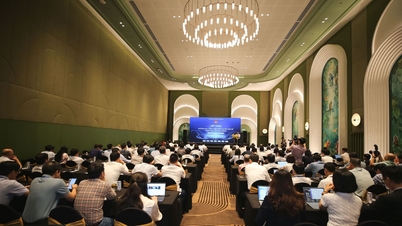
On December 4, the Vietnam National Energy Industry Group (Petrovietnam) held a workshop on "Reducing pollution from exhaust emissions from diesel-powered vehicles: Current situation and solutions in the Southeast region".
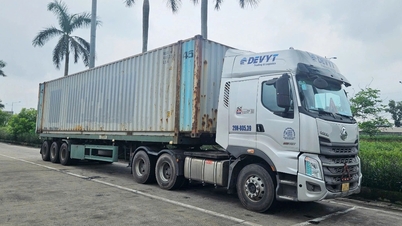
Speaking at the workshop, Vice Chairman of the Ho Chi Minh City People's Committee Bui Minh Thanh emphasized that the Southeast region plays the role of an economic locomotive, and is also the place with the highest density of freight transport, inter-provincial transport and waterway transport in the country. The pressure of emissions from traffic activities is therefore particularly large.
In Ho Chi Minh City, many scientific studies show that diesel-powered vehicles are one of the main sources of PM2.5, NOx and SOx emissions - factors that directly affect public health and degrade the quality of the urban environment.
At the workshop, MSc. Bui Hoc Phi (Southern Environmental Protection Department, Department of Environment) analyzed air pollution indexes in Hanoi, Ho Chi Minh City and several other large cities. He said the main causes of increased pollution come from traffic, construction, industrial production and open burning activities such as burning straw, using honeycomb charcoal stoves, along with the impact of climate conditions.
THANH HIEN
Source: https://www.sggp.org.vn/gia-tang-o-nhiem-khong-khi-do-dau-post826984.html

![[Photo] 60th Anniversary of the Founding of the Vietnam Association of Photographic Artists](/_next/image?url=https%3A%2F%2Fvphoto.vietnam.vn%2Fthumb%2F1200x675%2Fvietnam%2Fresource%2FIMAGE%2F2025%2F12%2F05%2F1764935864512_a1-bnd-0841-9740-jpg.webp&w=3840&q=75)

![[Photo] National Assembly Chairman Tran Thanh Man attends the VinFuture 2025 Award Ceremony](/_next/image?url=https%3A%2F%2Fvphoto.vietnam.vn%2Fthumb%2F1200x675%2Fvietnam%2Fresource%2FIMAGE%2F2025%2F12%2F05%2F1764951162416_2628509768338816493-6995-jpg.webp&w=3840&q=75)
























































































Comment (0)