

Domestic pepper prices today
Today, December 5th, 2024, pepper prices continue to plummet compared to yesterday, December 4th, 2024; the average price is only 140,600 VND/kg, with significant drops in many localities.
Accordingly, today, December 5, 2024, pepper prices in Gia Lai province decreased by 500 VND/kg; Ba Ria - Vung Tau and Dak Lak both decreased by 1,000 VND/kg; Dak Nong decreased by 1,500 VND/kg, while Binh Phuoc saw the sharpest drop at 2,000 VND/kg.
Specifically, pepper prices in Gia Lai and Binh Phuoc are both at 140,000 VND/kg; pepper prices in Ba Ria - Vung Tau, Dak Lak, and Dak Nong are all at 141,000 VND/kg. The average pepper price today, December 5th, 2024, is 140,600 VND/kg, a sharp decrease of 1,200 VND/kg.
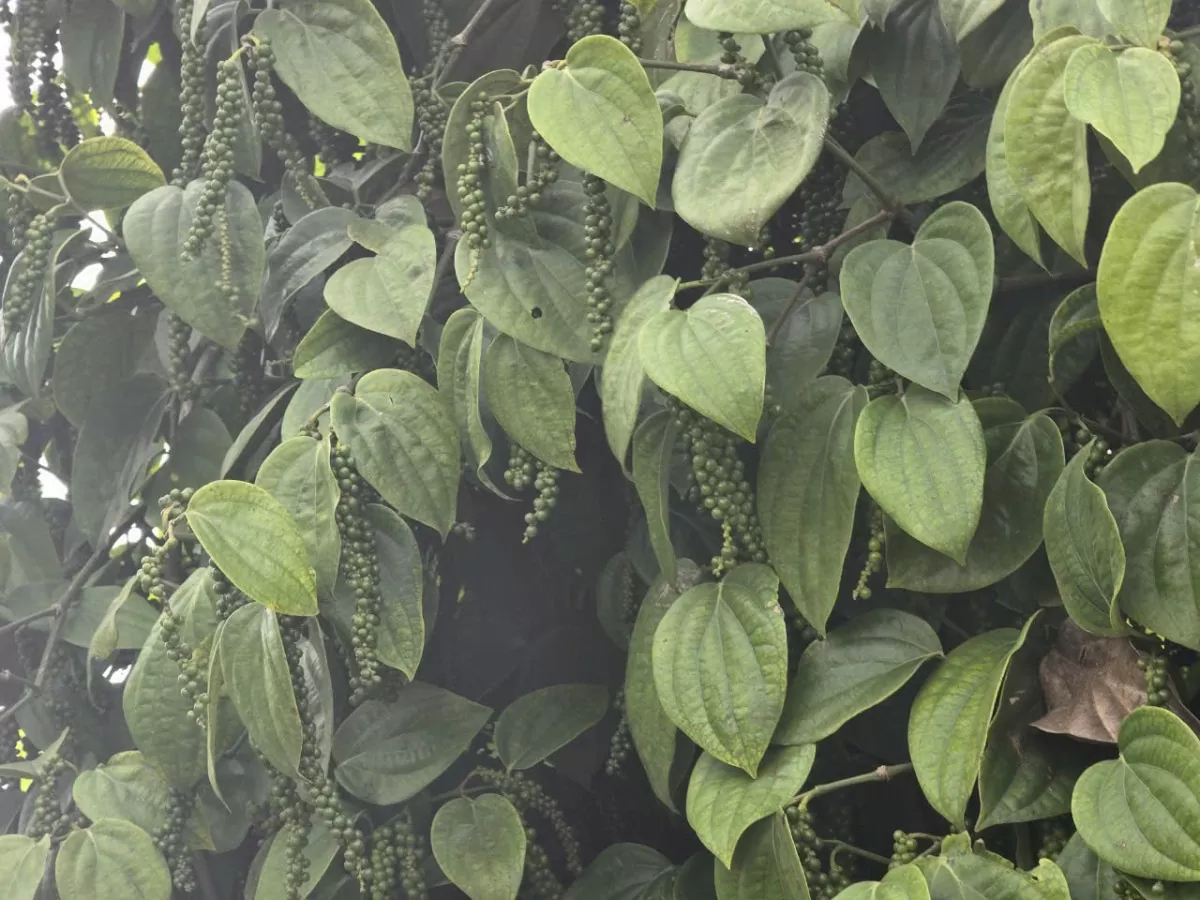 |
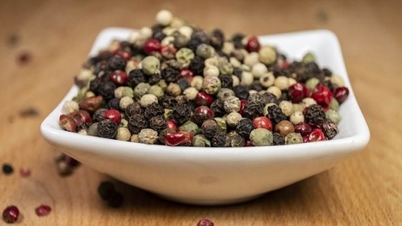
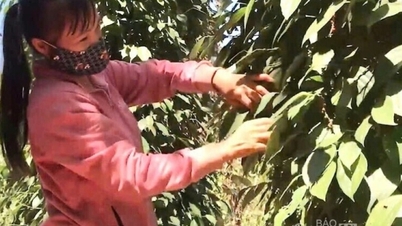
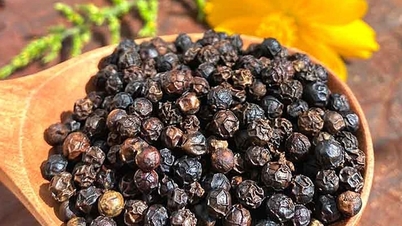
| Pepper prices continued to fall sharply today, December 5, 2024. Photo: Le Son |
Since the beginning of the week, pepper prices have fallen sharply; however, with low inventory levels and high export demand, prices are expected to recover in the near future. Farmers and businesses need to proactively adapt to market fluctuations to ensure economic efficiency.
According to assessments, the decline in domestic pepper prices is due to the impact of several factors, including: a sharp drop in coffee prices which has dragged pepper prices down due to the linkage between the two agricultural sectors; localized supply increases: some dealers and farmers are selling off their inventory before the end of the year, putting downward pressure on prices; and climate change: unfavorable weather conditions in some pepper-growing regions have affected quality and yield, causing market instability.
Pepper prices in the Central Highlands and Southeast regions have fallen sharply, especially in Gia Lai and Dak Lak, with the deepest drop reaching 5,000 VND/kg. Despite the price drop, export demand for pepper remains high, particularly from the US and EU markets.
The Vietnamese pepper industry is currently facing numerous challenges, including climate change, shrinking cultivated area, and the high costs of irrigation and disease prevention to maintain productivity, all of which significantly impact its competitiveness. Currently, the country has over 115,000 hectares of pepper and spice crops, mostly concentrated in the South Central Coast and Central Highlands regions with over 75,300 hectares.
Many experts believe that pepper is entering an upward price cycle due to tightening supply. Currently, the majority of the supply is in the hands of a few dealers and import-export companies. This could lead to significant market fluctuations in the near future.
According to Ms. Hoang Thi Lien, President of the Vietnam Pepper and Spice Association (VPSA), Vietnam is expected to export 50,000 tons of pepper in the last two months of 2024, earning approximately 300 million USD. Looking ahead to 2025, the pepper and spice industry will focus on supporting farmers, cooperatives, and businesses to meet international standards for quality and food safety. This is part of a long-term strategy to enhance product value, expand markets, and improve the position of Vietnamese pepper in the global market.
Recent fluctuations in pepper prices highlight the complexity and numerous challenges facing Vietnam's pepper industry. To adapt to market changes and ensure sustainable development, the industry needs comprehensive solutions, ranging from improving product quality to diversifying markets and building brands.
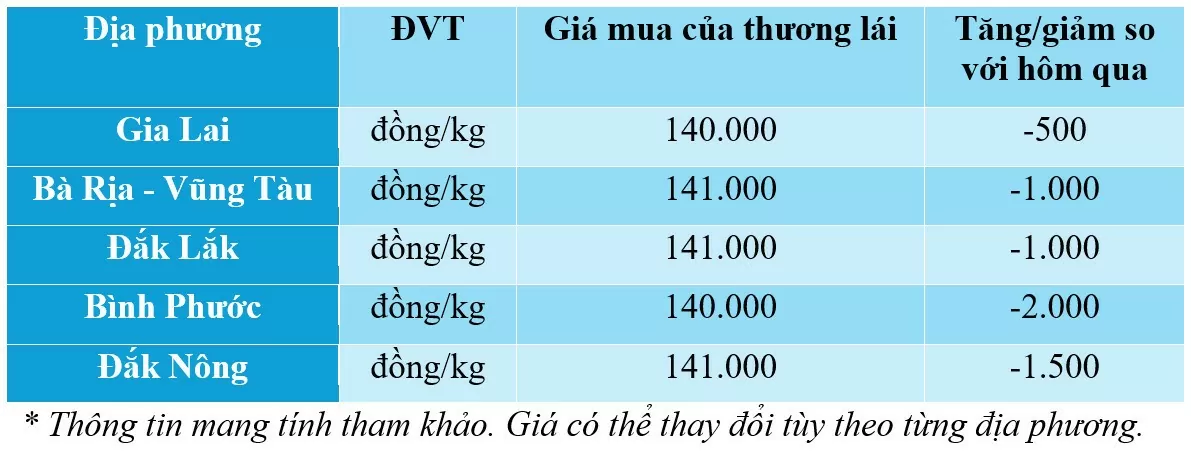 |
| Updated pepper prices today, December 5, 2024 |
Today's world pepper prices
According to the International Pepper Association (IPC), the world pepper price update at the end of the most recent trading session showed that the market remained largely stable compared to the previous update, with only slight fluctuations in the Indonesian market.
Specifically, IPC listed the price of Indonesian Lampung black pepper at US$6,679/ton, an increase of 0.78%; and the price of Muntok white pepper at US$9,115/ton, a slight decrease of 0.31%.
Brazilian ASTA 570 black pepper prices remained stable at US$6,150/ton; Malaysian ASTA black pepper prices were at US$8,300/ton, down 1.2%; and Malaysian ASTA white pepper prices reached US$10,500/ton.
Specifically, the price of Vietnamese black pepper remained stable at US$6,200/ton for the 500 g/l grade, and US$6,500/ton for the 550 g/l grade; the price of white pepper remained unchanged at US$9,400/ton.
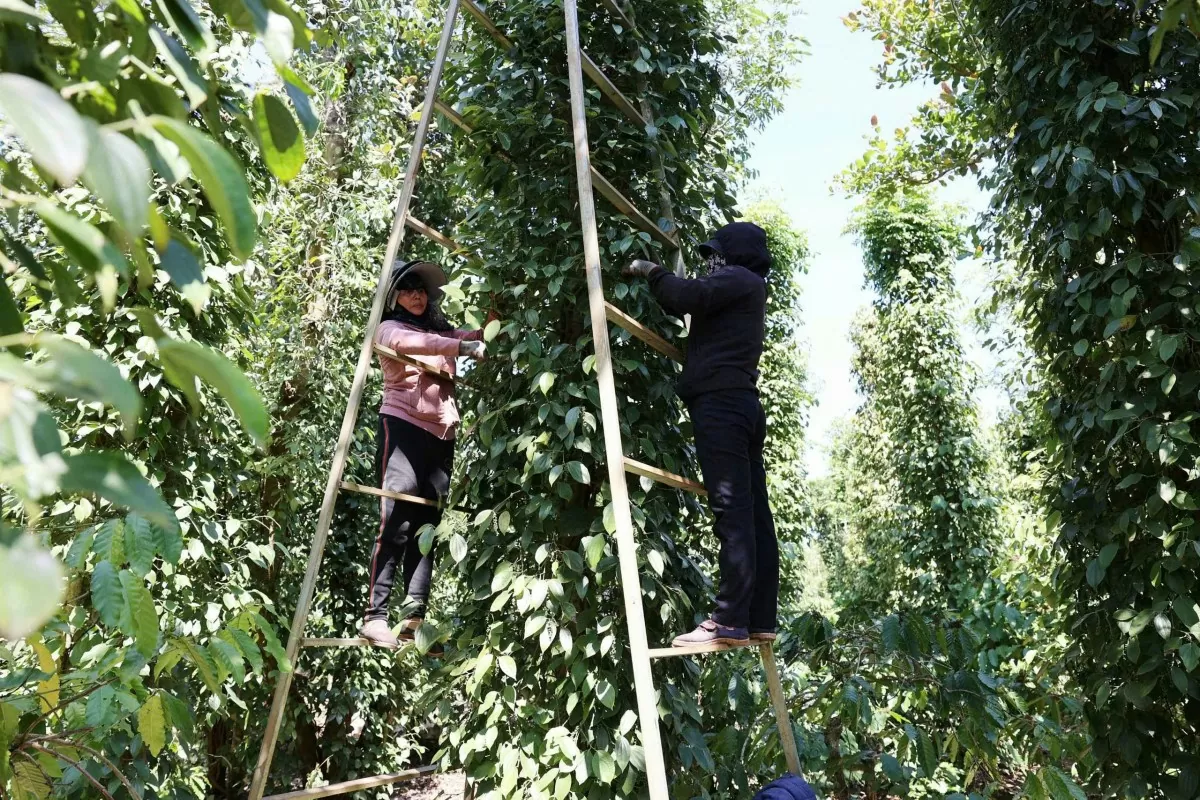 |
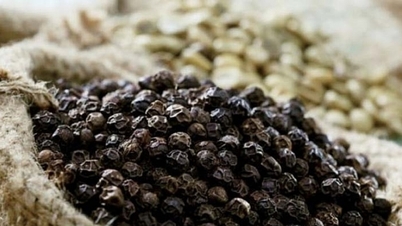
| World pepper prices today, December 5, 2024, are basically stable, with insignificant increases or decreases. Photo: Hoang Thien |
According to assessments, the reasons for the decline in world pepper prices are: Increased supply in Indonesia and Brazil: Favorable harvests in Indonesia and high yields in Brazil have increased global supply, putting downward pressure on prices; Fluctuations in the Chinese market: Import demand from China has decreased sharply due to new regulations on quality control and food safety; Impact from international policies: The European Union's anti-deforestation regulations (EUDR) have created market instability, affecting global pepper prices.
Currently, Vietnam has exported approximately 237,000 tons of pepper in the first 11 months of 2024, but the lowest inventory levels in the past 6-8 years could cause significant price fluctuations in the near future.
The 2025 harvest is expected to be delayed by 1.5 to 2 months due to the effects of climate change, starting around February 2025. This creates significant pressure on the supply of raw pepper in the first quarter of 2025, as demand continues to rise but supply is insufficient to meet it.
In India, pepper harvesting took place under unfavorable weather conditions, reducing yields. Conversely, Indonesia recorded a more favorable season in areas such as Lampung, Bengkulu, and South Sumatra with good production. Meanwhile, Brazil faced sales pressure due to a surge in supply from Para and Espirito Santo, although early-season drought also affected overall quality and yield.
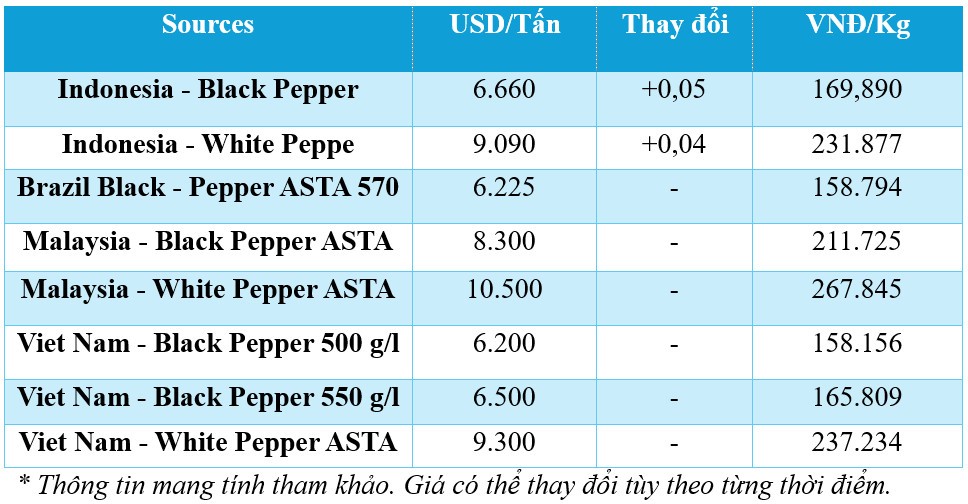 |
| World pepper price update today, December 5, 2024 |


![[Photo] Prime Minister Pham Minh Chinh holds a phone call with the CEO of Russia's Rosatom Corporation.](/_next/image?url=https%3A%2F%2Fvphoto.vietnam.vn%2Fthumb%2F1200x675%2Fvietnam%2Fresource%2FIMAGE%2F2025%2F12%2F11%2F1765464552365_dsc-5295-jpg.webp&w=3840&q=75)

![[Photo] Closing Ceremony of the 10th Session of the 15th National Assembly](/_next/image?url=https%3A%2F%2Fvphoto.vietnam.vn%2Fthumb%2F1200x675%2Fvietnam%2Fresource%2FIMAGE%2F2025%2F12%2F11%2F1765448959967_image-1437-jpg.webp&w=3840&q=75)








































![[OFFICIAL] MISA GROUP ANNOUNCES ITS PIONEERING BRAND POSITIONING IN BUILDING AGENTIC AI FOR BUSINESSES, HOUSEHOLDS, AND THE GOVERNMENT](https://vphoto.vietnam.vn/thumb/402x226/vietnam/resource/IMAGE/2025/12/11/1765444754256_agentic-ai_postfb-scaled.png)

















































Comment (0)