

Vietnamese businesses need to make the most of the opportunities from the EVFTA agreement, recognize Europe as a potential market, and develop their own specific approach.
On the afternoon of November 18th, the Trade Promotion Department ( Ministry of Industry and Trade ) organized a workshop on the topic "Potential for exporting products through official channels to the European market". At the workshop, experts shared solutions to help businesses maximize opportunities from the EVFTA agreement.
According to statistics from Vietnam Customs, after 4 years of the EVFTA coming into effect (from August 2020), the European Union (EU) is now Vietnam's leading trading partner, with export turnover over the 4 years estimated at more than 200 billion USD, a growth of 12% to 15%. In July 2024 alone, Vietnam's trade surplus with the EU was estimated at over 20.2 billion USD, an increase of 19.4% compared to the same period in 2023; export turnover increased by approximately 16.8%; and import turnover increased by approximately 10%. The EU is among the top 6 largest export and import markets for Vietnam.
A survey by the European Chamber of Commerce in Vietnam (EuroCham) indicates that the EVFTA has significantly boosted Vietnam's exports to Europe, soaring from 35 billion euros in 2019 to over 48 billion euros in 2023. This growth is evident in sectors such as electronics, textiles, footwear, agriculture , and seafood, following the tariff reduction schedule once the FTA comes into effect.
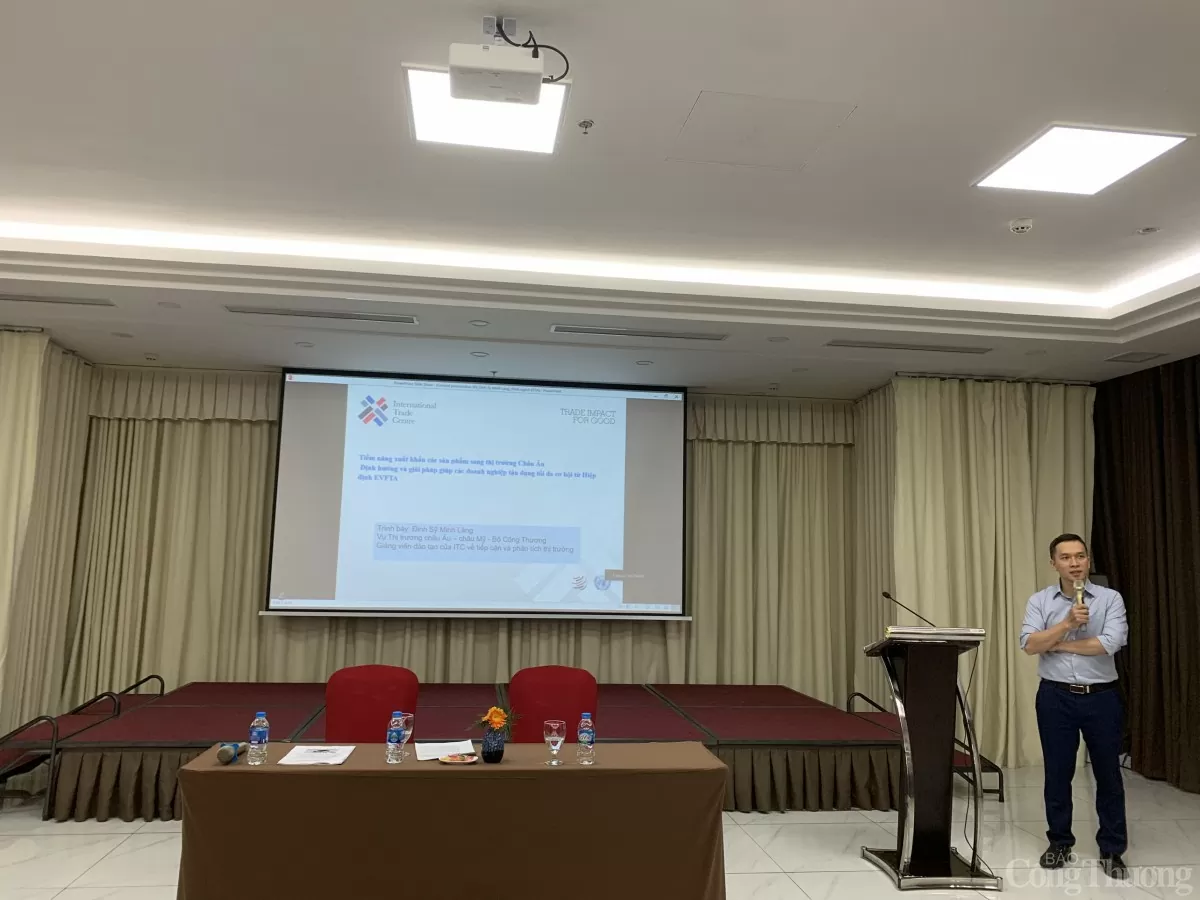 |
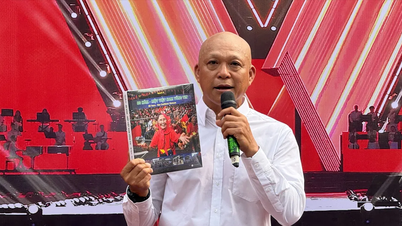
| Mr. Dinh Sy Minh Lang – Department of European and American Markets, Ministry of Industry and Trade, speaking at the workshop. Photo: Phuong Cuc |
At the workshop, Mr. Dinh Sy Minh Lang – Department of European and American Markets – Ministry of Industry and Trade, and ITC training lecturer on market access and tariff instruments, pointed out the characteristics of consumer behavior in each country.
For example, according to Mr. Dinh Sy Minh Lang, Germans dislike using plastic and prefer wooden products; they prefer seafood to meat, and only use packaged products that clearly state the product name, place of production, storage and usage conditions, serial number, and barcode.
The Dutch have a strong preference for novel products. Fresh produce packaged in small quantities with long shelf life is also becoming increasingly popular. While they are price-conscious and interested in promotions, they are willing to pay a premium for a product that is superior to similar products.
Italians prioritize quality first, then variety and a wide range of products. Finns value convenience, readily eating and cooking to save time.
According to Mr. Lang, the priority for European retailers is sourcing goods with sustainable value: " Environmentally friendly products, fair and ethical trade, and sustainable employment in supplying companies have received strong support from consumers, therefore sustainable sourcing is also attracting equally strong support from retailers themselves. An ITC survey on sustainable sourcing and products shows that 85% of retailers said sales of sustainable products have increased in the past 5 years, and 92% of retailers expect sales of sustainable products to increase in the next 5 years ."
Speaking at the workshop, Mr. Nguyen Thanh Hung - Senior Government Consultant, Head of the Working Group assisting the National Steering Committee on International Integration - Government Office ; former Head of the Working Group assisting the National Steering Committee on International Integration, stated: " Most Vietnamese businesses are small and medium-sized enterprises, with limited understanding of domestic and international legal regulations, and limited awareness and skills in contract drafting. This has caused many difficulties for businesses in negotiating, signing, and effectively implementing contracts ."
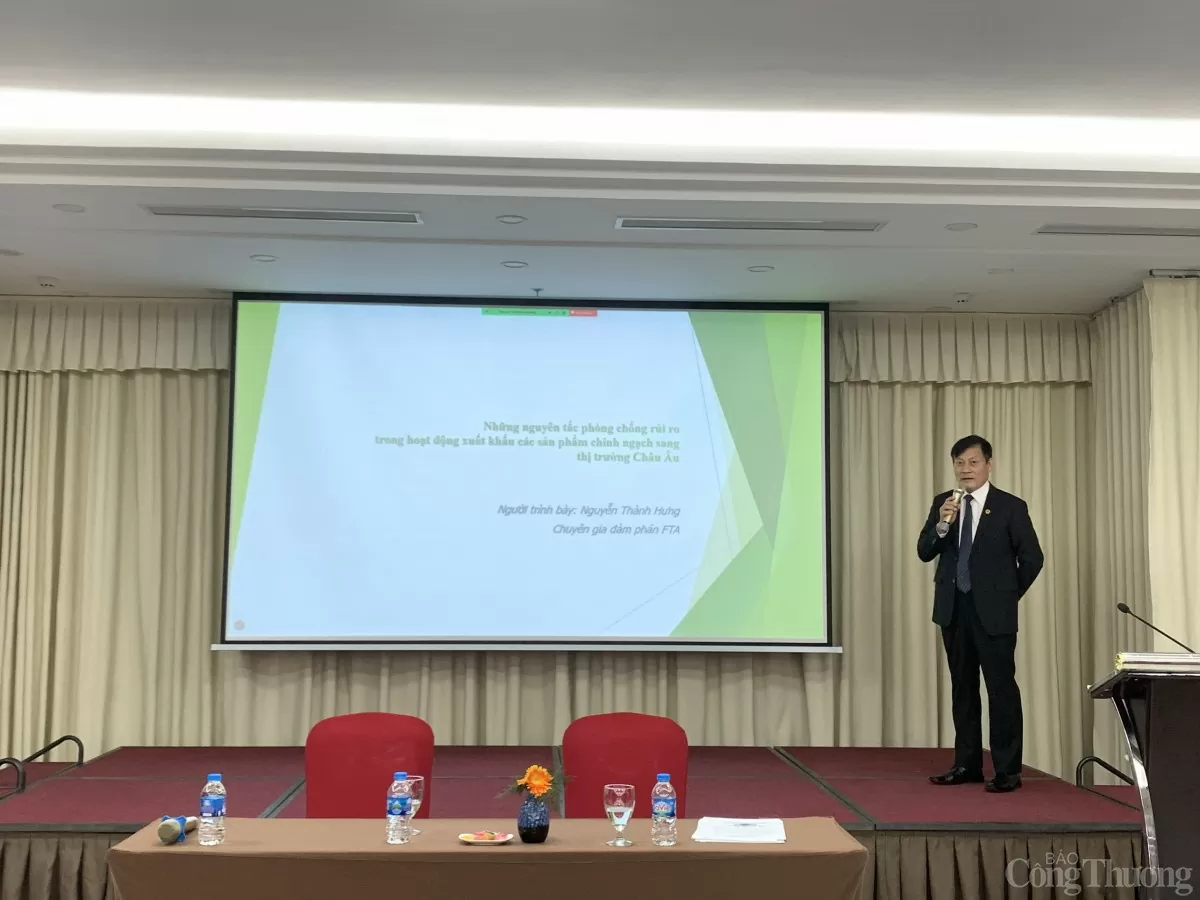 |
| Mr. Nguyen Thanh Hung believes that Vietnamese small and medium-sized enterprises (SMEs) have a low level of understanding of domestic and international legal regulations. (Photo: Phuong Cuc) |
To mitigate potential risks when participating in international trade transactions, Mr. Hung emphasized that businesses need to invest in market research and forecasting, thoroughly understand partner information; improve the quality of human resources related to legal affairs and import/export activities; establish procedures for concluding and executing international sales contracts; and ensure that contract terms are specific and clearly defined.
Furthermore, businesses should also utilize model contracts from reputable organizations and agencies worldwide. Using these solutions in a coordinated manner can help businesses mitigate risks when concluding and executing international sales contracts, contributing to improved operational efficiency, risk identification, and the resolution of legal issues related to exporting goods and international payments. The Vietnamese government is actively supporting businesses and leveraging the advantages of international trade agreements, notably the Vietnam-EU Free Trade Agreement (EVFTA) and the Comprehensive and Progressive Trans-Pacific Partnership (CPTPP). In this context, equipping businesses with basic knowledge to identify legal risks when exporting goods and making international payments is crucial.
To mitigate some of the risks when trading through brokers, a senior government consultant suggests that Vietnamese businesses should pay attention to the following issues:
Firstly , businesses need to be more proactive in searching for, evaluating, checking, and verifying information received from brokers through official sources (such as industry associations, diplomatic/consular representatives of Vietnam in the buyer's country). At the same time, businesses also need to be more proactive in the exchange and negotiation process to maintain their crucial role and that of the other party in the goods purchase and sale transaction, avoiding complete dependence on the broker. Furthermore, based on the provisions of the Commercial Law as referenced above, the parties can agree that the broker is also authorized to execute the contract between the parties, thereby binding the broker's responsibility in fulfilling the contract concluded between the parties.
Secondly , in any goods sales transaction, to firmly bind the responsibilities of the parties, the sales contract must be designed with correspondingly strict terms. In this, the seller may use several measures, such as requiring the buyer to deposit a portion of the goods' value, with the deposit amount specifically determined depending on the partner; or the seller may negotiate with the buyer to request a bank or a financially capable third party to issue a payment guarantee/commitment letter.
Thirdly , international trade transactions are often supported by logistics services, such as sea and air transport. To save on transportation costs, businesses often choose sea transport through shipping companies. The sea transport industry is characterized by high risks, so international laws and practices have specific regulations to limit the carrier's liability. This limitation is proportional to the level of risk faced by the parties involved in the trade transaction. If a risk arises during transportation and the carrier is not responsible, the losses will fall entirely on the buyer and seller. Therefore, Vietnamese businesses exporting goods need a certain level of knowledge about the transportation sector, especially the regulations on limiting the carrier's liability, to anticipate potential risks and prepare contingency plans.
Source: https://congthuong.vn/giai-phap-giup-cac-doanh-nghiep-tan-dung-toi-da-co-hoi-tu-hiep-dinh-evfta-359509.html






































































Comment (0)