

According to Circular No. 22/2024/TT-BYT, from January 1, 2025, if hospitals do not provide enough medicine and medical supplies, patients will be prescribed and paid by Health Insurance. However, the Ministry of Health affirmed that this is only a temporary solution to minimize the situation where patients have to pay out of pocket to buy medicine for treatment.
On October 30th, the Ministry of Health disseminated Circular No. 22/2024/TT-BYT dated October 18th, 2024, which regulates the direct payment of drug and medical equipment costs for patients covered by health insurance. The Circular has attracted significant public attention and interest from healthcare facilities at all levels, with numerous suggestions made to ensure the regulations are more rigorous and persuasive.
According to Ms. Tran Thi Trang, Director of the Department of Health Insurance (Ministry of Health), the shortage of drugs and medical supplies for health insurance patients has been occurring in many hospitals since the Covid-19 pandemic. This seriously affects the legitimate rights of health insurance participants, when they pay monthly health insurance premiums but when going to see a doctor or get treatment, they still have to spend money to buy drugs and supplies.
The causes of the shortage of drugs and supplies have been analyzed and clarified over the past few years but have not yet been resolved. Many hospitals believe that it is due to difficulties in bidding procedures, the fear of purchasing when the mechanism is still stuck; supply disruption; drugs and medical supplies, especially rare drugs... are special items, so even in cases where medical facilities have implemented all purchasing and bidding solutions, there is still a risk of shortage of drugs and supplies.
According to Circular No. 22, to be eligible for direct reimbursement of medicines and medical supplies, quite strict conditions must be met. However, even during the policy development process, some opinions suggested that instead of patients having to directly pay the social insurance agency, there should be a mechanism where hospitals pay for patients, and then the hospitals reimburse the social insurance agency, thereby reducing procedures for patients.
The Ministry of Health is proposing to amend Article 31 of the Law on Health Insurance this time. If approved by the National Assembly , patients will have two options: Pay directly to the medical examination and treatment facility and the medical examination and treatment facility will reimburse the Social Insurance agency; in case the medical examination and treatment facility does not sign a contract with the health insurance, the patient will pay directly to the Social Insurance agency.
In light of the specific regulations in Circular No. 22, many hospitals have raised concerns, particularly about being sued by patients for failing to provide adequate medical examination and treatment. Representatives from these hospitals proposed that patients should be reimbursed directly by the hospital, and then the hospital should reimburse the social insurance agency.
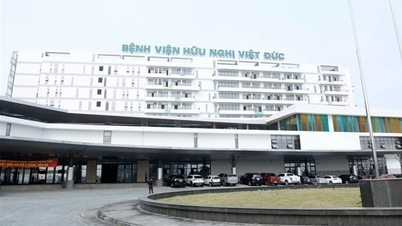
The representative of Viet Duc Friendship Hospital said that although Circular No. 22 has resolved many issues, there are still shortcomings for end-line units. Regarding the shortage of drugs and medical supplies in the past, despite the hospital's best efforts, there are still times when there is not enough medicine for patients. As a end-line unit, there are cases where even though there is a shortage of treatment drugs, the patient cannot be transferred to another medical facility. Most patients have to buy medicine themselves from outside, and the medicine is not on the list of rare drugs according to Article 2, Clause 3 and Article 1, Clause 2 of Circular No. 22. Therefore, this representative hopes that there will be more in-depth and practical regulations for hospitals, especially end-line hospitals.
Representatives from the Lao Cai Provincial General Hospital raised the issue that if the hospital experiences a shortage of medication and patients have to purchase it from retail pharmacies, the purchase price will be higher than the price awarded through the hospital's bidding process. Therefore, when patients claim reimbursement from health insurance, will they be reimbursed for the price paid outside the hospital? For patients undergoing long-term treatment, the difference in cost between the purchase price and the purchase price outside the hospital is significant. How will this difference be addressed?
Responding to numerous concerns from healthcare facilities, Deputy Minister of Health Tran Van Thuan stated that medicines and medical equipment are crucial components of medical examination and treatment, as well as health insurance reimbursement. Recently, the Ministry of Health has implemented various solutions to address the shortage of medicines and medical supplies. However, in some areas, healthcare facilities still fail to provide sufficient and timely supplies to patients. This leads to patients having to purchase medicines and medical supplies outside of healthcare facilities.
In reality, shortages of medicines and medical supplies can occur at any time due to objective reasons such as bidding processes failing to produce winning bidders; or contracts being signed with suppliers but the supplier is unable to provide the medicines, medical supplies, or equipment prescribed to patients due to supply shortages or delayed deliveries.
Currently, there are regulations on direct payment of medical examination and treatment costs between the Social Insurance agency and health insurance participants in cases where medical examination and treatment facilities do not have a health insurance medical examination and treatment contract and do not follow prescribed procedures. In other cases of direct payment, the Law assigns the authority to the Minister of Health to regulate. Therefore, the Ministry of Health has issued Circular No. 22 to ensure the rights of patients participating in health insurance when medical examination and treatment facilities do not have drugs or medical equipment for treatment.
Notably, the shortages of medicines due to healthcare facilities' inability to procure or supply them mostly fall into the category of drugs for treating rare diseases or those with limited supply on the market. Meanwhile, the conditions for applying the Circular are very strict, and failure to comply will lead to many problems. Therefore, the Ministry of Health advises hospitals to carefully consider which cases and conditions are eligible to apply Circular No. 22 to prescribe medicines purchased outside the hospital.
To avoid abuse and profiteering in prescribing and instructing patients to buy medicine and medical equipment themselves, the Ministry of Health requires the health departments of provinces and cities to be responsible for urging, inspecting and checking the procurement, ensuring the availability of medicine and medical equipment for medical examination and treatment for health insurance participants. On the other hand, strengthen the inspection and urging of medical examination and treatment facilities to avoid abuse and profiteering in prescribing and instructing patients to buy medicine and medical equipment themselves; strictly handle violations.
Circular No. 22 is a new step in protecting the rights of patients when hospitals have been short of drugs and supplies for many years. However, this is still a temporary solution. The sustainable solution is for hospitals to proactively organize purchases and ensure adequate supply of drugs, supplies, and medical equipment for health insurance patients.
Source: https://nhandan.vn/quy-dinh-nguoi-benh-duoc-thanh-toan-truc-tiep-thuoc-vat-tu-y-te-chi-la-giai-phap-tinh-the-post842217.html




![[Photo] Closing Ceremony of the 10th Session of the 15th National Assembly](/_next/image?url=https%3A%2F%2Fvphoto.vietnam.vn%2Fthumb%2F1200x675%2Fvietnam%2Fresource%2FIMAGE%2F2025%2F12%2F11%2F1765448959967_image-1437-jpg.webp&w=3840&q=75)













![[Video] Secretary General of the National Assembly presides over international press conference announcing the results of the 10th Session](https://vphoto.vietnam.vn/thumb/402x226/vietnam/resource/IMAGE/2025/12/11/1765457358315_img-2357-6607-png.webp)




















![[OFFICIAL] MISA GROUP ANNOUNCES ITS PIONEERING BRAND POSITIONING IN BUILDING AGENTIC AI FOR BUSINESSES, HOUSEHOLDS, AND THE GOVERNMENT](https://vphoto.vietnam.vn/thumb/402x226/vietnam/resource/IMAGE/2025/12/11/1765444754256_agentic-ai_postfb-scaled.png)






































Comment (0)