

On the afternoon of October 16th, Prime Minister Pham Minh Chinh and the delegation of National Assembly deputies from Can Tho City met with constituents ahead of the 8th session of the 15th National Assembly.
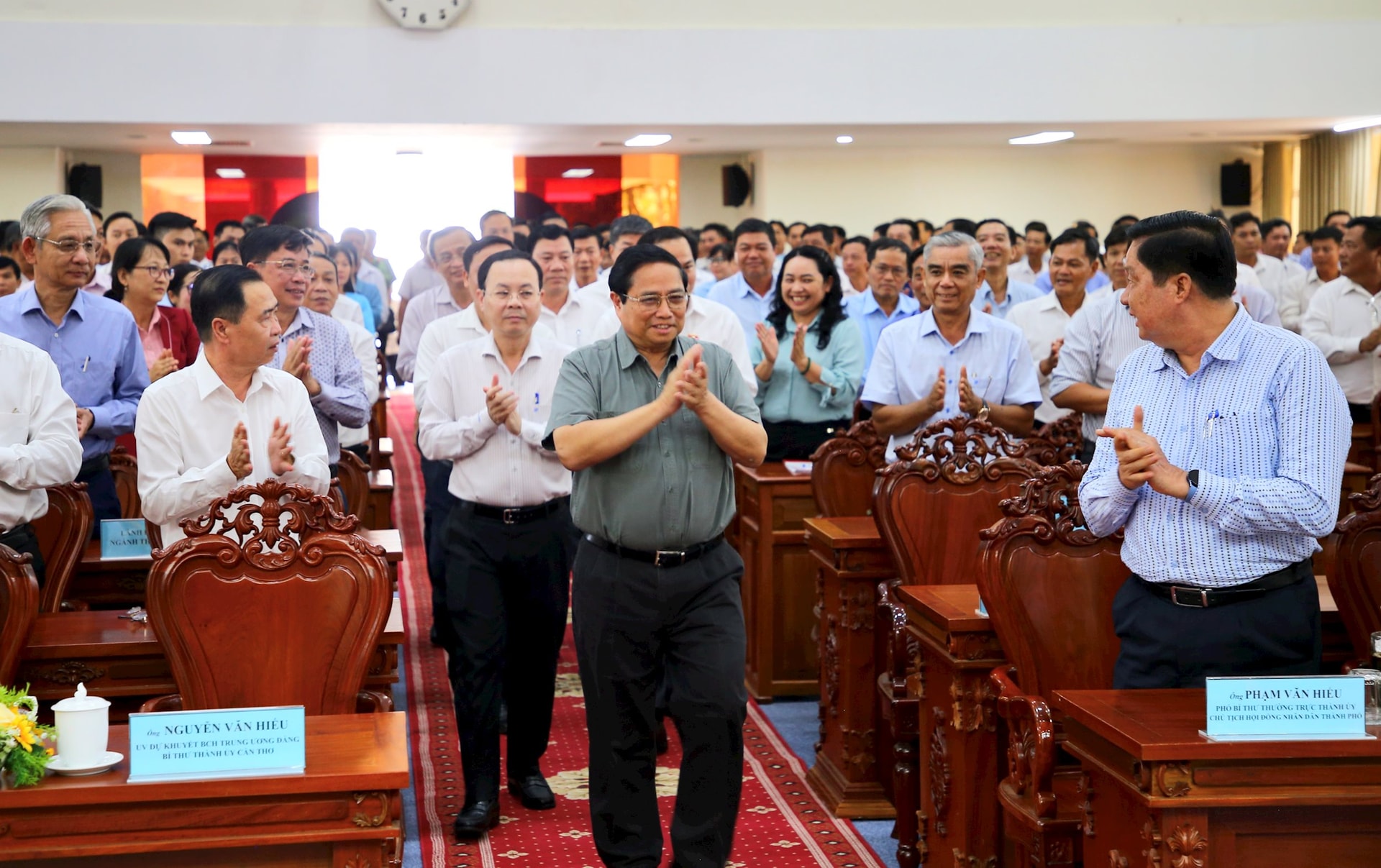
During the meeting, the delegation of National Assembly deputies from Can Tho City informed about the content and program of the 8th session and the situation regarding the implementation of policies on agricultural production and business in the city.
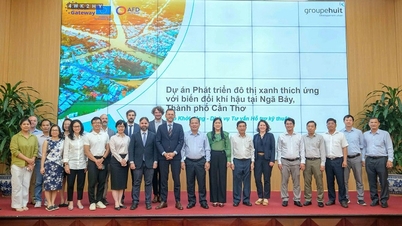
Voters raised suggestions related to the implementation of climate change response projects combined with urban renovation in Can Tho; supporting people in high-risk landslide areas to relocate to safe places or providing engineering solutions to reinforce landslide-prone areas; and increasing support levels to give farmers and self-employed workers more opportunities to participate in social insurance.
"Currently, the social insurance contribution subsidy for poor households is 30%, for near-poor households 25%, and for other groups 10%. However, the 30% increase in the basic salary, effective from July 1, 2024, will lead to a significant increase in social insurance contributions, further impacting the meager incomes of farmers and self-employed workers. I propose that the Prime Minister and the National Assembly Delegation of the city direct the proposal to increase the subsidy level so that farmers and self-employed workers have more opportunities to participate in social insurance, contributing to ensuring social security in the future," suggested voter Dang Hoai Thanh, a member of the Thot Not District Farmers' Association.
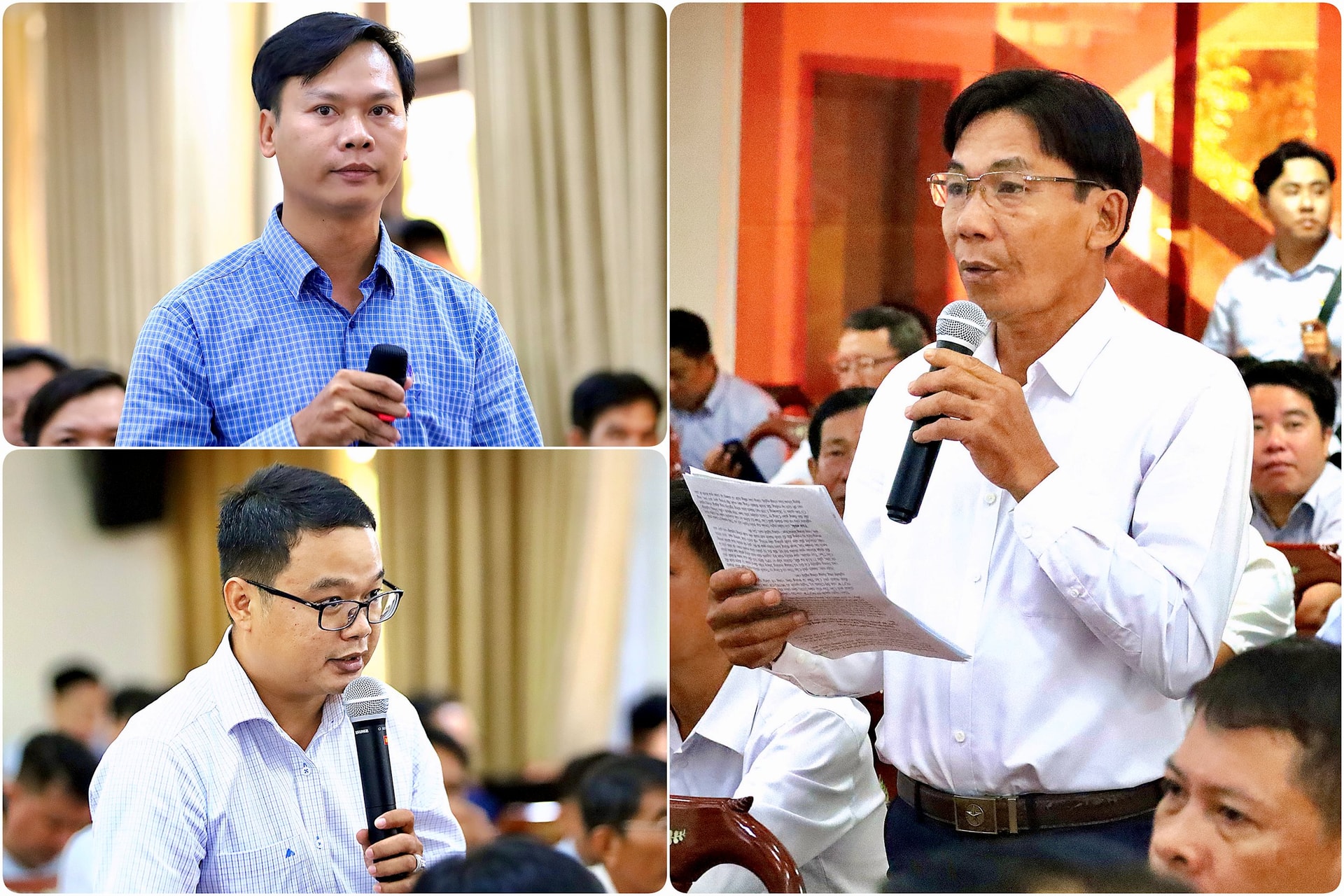
In addition, voters also raised concerns regarding the slow implementation of the National Assembly's Resolution on the Center for Linking, Producing, Processing, and Consuming Agricultural Products in the Mekong Delta region in Can Tho; recommendations on supporting cooperatives and farmers in specialized rice-growing areas; carbon credit policies to increase farmers' income; preferential credit for farmers; support and development of production and output chains for agricultural products; and support for farmers to change occupations and work in industrial zones.
Speaking at the meeting, Prime Minister Pham Minh Chinh said that efforts are being made to complete the construction of approximately 600 km of expressways in the Mekong Delta by the end of 2025, to build, upgrade, and renovate Can Tho, Ca Mau, and Phu Quoc airports, Cai Cui port, and other inland waterway ports; and to promote the training of high-quality human resources in the Mekong Delta.
According to the Prime Minister, the Mekong Delta has two bottlenecks: infrastructure, which is being actively addressed, and a shortage of high-quality human resources. If these two major bottlenecks are resolved, the Mekong Delta will develop strongly. In addition, the Prime Minister stated that the Mekong Delta currently faces four major problems: erosion, subsidence, drought, and flooding. In 2023 alone, over 4,000 billion VND was spent on addressing erosion in the Mekong Delta, and many large projects were implemented, such as the Cai Lon-Cai Be irrigation project...
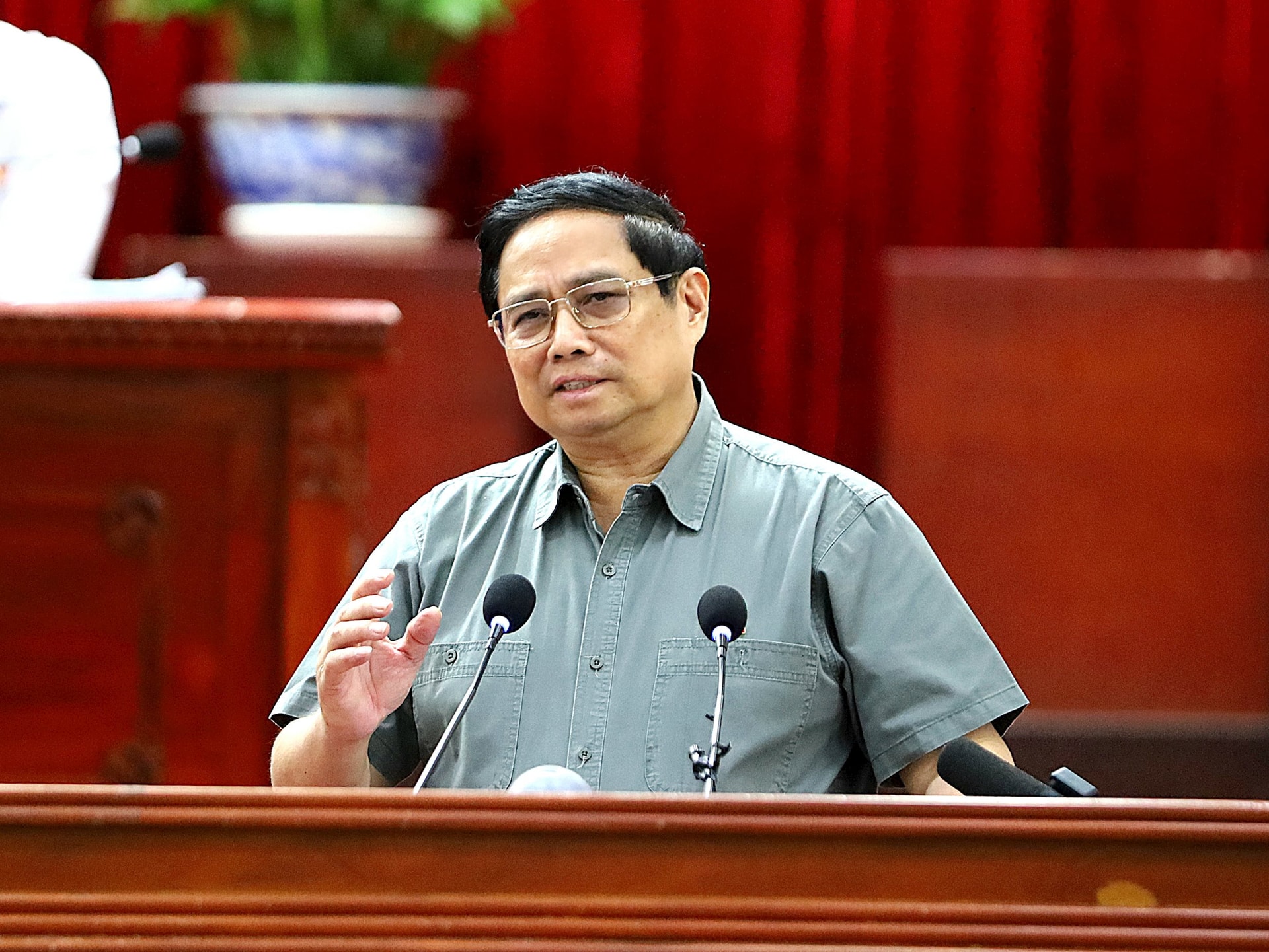
Regarding people affected by landslides, the Prime Minister emphasized that localities should immediately use their budgets to provide support. The Prime Minister stated that the entire country is working together with the determination to eliminate temporary and dilapidated houses nationwide by the end of 2025, including those affected by landslides in the Mekong Delta.
Regarding the feedback that the establishment of a center for linking production, processing, and consumption of agricultural products in the Mekong Delta region is progressing slowly, the Prime Minister stated that this is a new model, very important and necessary for the Mekong Delta. The Prime Minister requested the Ministry of Agriculture and Rural Development to urgently implement it.
Regarding voters' requests on social insurance, the Prime Minister is directing the Ministry of Labor, Invalids and Social Affairs to consider and study increasing the social insurance support level for farmers, poor households, and near-poor households, as this is a legitimate demand.
To strongly develop the agricultural economy of the Mekong Delta region, the Prime Minister noted the need to focus on the following aspects: planning of raw material areas; building high-quality brand segments; applying science and technology and innovation; mobilizing capital; developing markets with the participation of businesses; large-scale production linkages; developing digital infrastructure, irrigation, transportation, electricity, and processing industries… At the same time, mechanization, electrification, and digital transformation in agriculture are absolutely essential.
Source: https://daidoanket.vn/thu-tuong-giai-quyet-duoc-2-diem-nghen-dbscl-se-phat-trien-manh-10292429.html


![[Image] Shipbuilders exposed to steel and record-breaking heat.](https://vphoto.vietnam.vn/thumb/1200x675/vietnam/resource/IMAGE/2026/06/04/1780545781745_ndo_br_img-5402-4683-jpg.webp)







![Water security in the Mekong Delta: [Part 3] Turning rivers into 'super reservoirs'](https://vphoto.vietnam.vn/thumb/402x226/vietnam/resource/IMAGE/2026/06/01/1780271198729_0712-t10nr-150406_121.jpeg)




































![[Video] Sunset at Lap An Lagoon – Where the sun sets over the fishing nets](https://vphoto.vietnam.vn/thumb/1200x675/vietnam/resource/IMAGE/2026/05/31/1780192137701_beach-landscape-sea-water-nature-grass-745871-pxhere-com.jpeg)






![[Photo] General Secretary and President To Lam attends the 14th Congress of the Vietnam Trade Union](https://vphoto.vietnam.vn/thumb/402x226/vietnam/resource/IMAGE/2026/06/04/1780543339765_anh-man-hinh-2026-06-04-luc-10-22-07.png)



















Comment (0)