

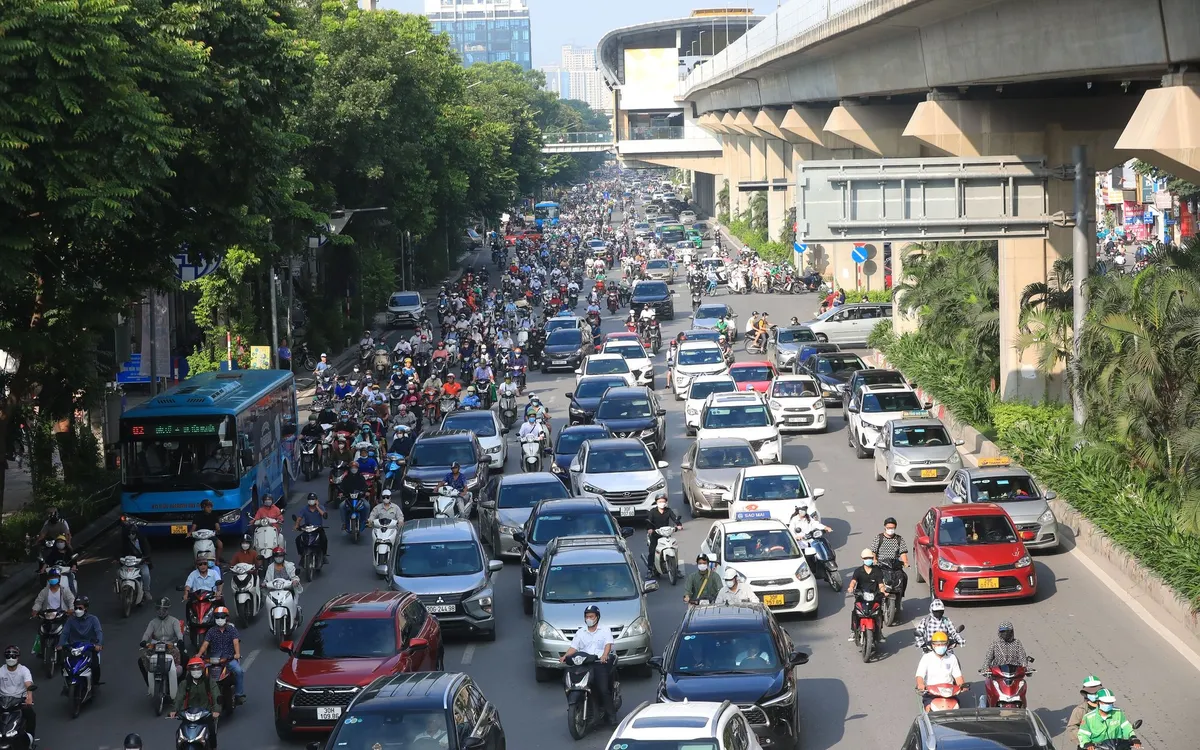
Hanoi bans gasoline-powered vehicles in certain areas and during certain hours: "We will not sacrifice the environment for the sake of public welfare."
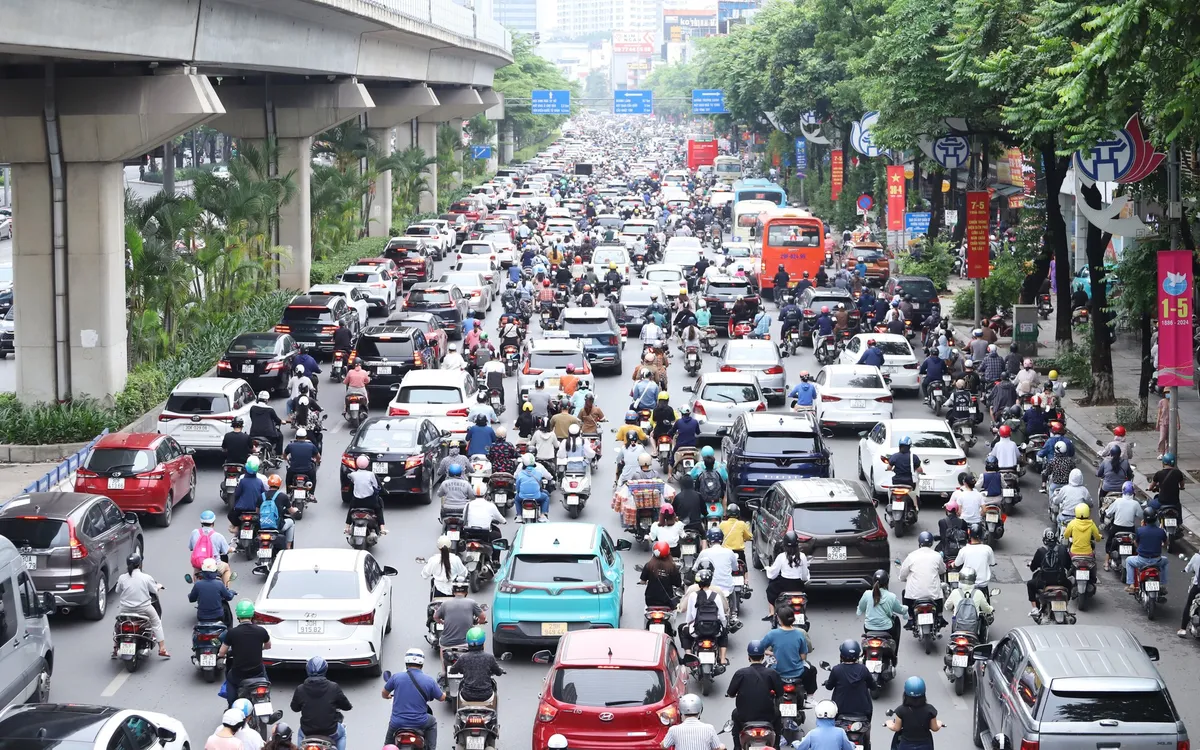
Hanoi will not sacrifice social welfare for environmental protection, nor will it compromise the environment for short-term gains.
Amidst the roadmap to restrict gasoline-powered motorcycles and establish low-emission zones, the livelihoods of millions of people, especially poor laborers, have become a top concern. The Hanoi Department of Construction leadership affirms its commitment to "leaving no one behind" through direct financial support packages and a well-planned infrastructure strategy.
Financial leverage: Up to 100% vehicle cost support for impoverished households.
The transition from gasoline-powered to electric motorcycles is one of the most socially impactful initiatives, directly affecting the livelihoods of millions of people in the capital city. Understanding that the biggest obstacle is the initial cost, the city has designed a comprehensive support policy system to ensure the humane nature of this transition.

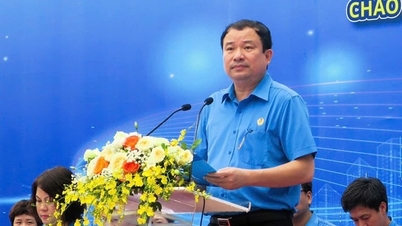
Mr. Dao Viet Long, Deputy Director of the Hanoi Department of Construction (Photo: Dan Tri)
Discussing this issue, Mr. Dao Viet Long, Deputy Director of the Hanoi Department of Construction, emphasized the city's consistent stance of ensuring that citizens are not put in difficult situations, and that all policies must be transparent and easily accessible.
Specifically, for the most vulnerable group, which is the poor, Hanoi plans to provide support up to 100% of the vehicle's value (maximum 20 million VND). For near-poor households, the support level is 80% (maximum 15 million VND). For the general population, the proposed support level is 20% of the vehicle's value (maximum 5 million VND).
In addition, to alleviate financial pressure, people buying cars on installment plans will receive a 30% interest rate subsidy for a period of 12 months. Registration fees and charges will also be reduced by 50% to 100% depending on the category. Mr. Long added that the city will proactively work with manufacturers to optimize costs and reduce selling prices, making green vehicles more accessible to consumers.
Solving the infrastructure problem will give people peace of mind to transition.
Besides concerns about money, the inconvenience of charging stations and parking spaces is also a factor that makes people hesitant. To address this issue, Hanoi is implementing a comprehensive plan for its static traffic system.
According to Mr. Dao Viet Long, low-emission zones are only truly effective when there is a system of peripheral parking lots and reasonable transfer points. The "Park and Ride" model will be promoted in gateway areas. Here, people can park their private vehicles and switch to public transport or electric vehicles when entering low-emission zones (Ring Road 1).
In particular, to alleviate concerns about charging time or the risk of fire at home, the Department of Construction is researching a proposal to establish a system of battery swapping stations for two-wheeled electric vehicles. Transportation expert Phan Le Binh highly praised this solution, stating that the ability to charge or swap batteries outside the building will fundamentally address fire safety concerns in apartment complexes, giving residents greater peace of mind when using electric vehicles.
Public transportation: The key to solving traffic congestion and pollution.
While supporting the switch to electric vehicles to reduce pollution, experts warn that simply replacing gasoline-powered motorbikes with electric ones will not solve Hanoi's traffic congestion problem.
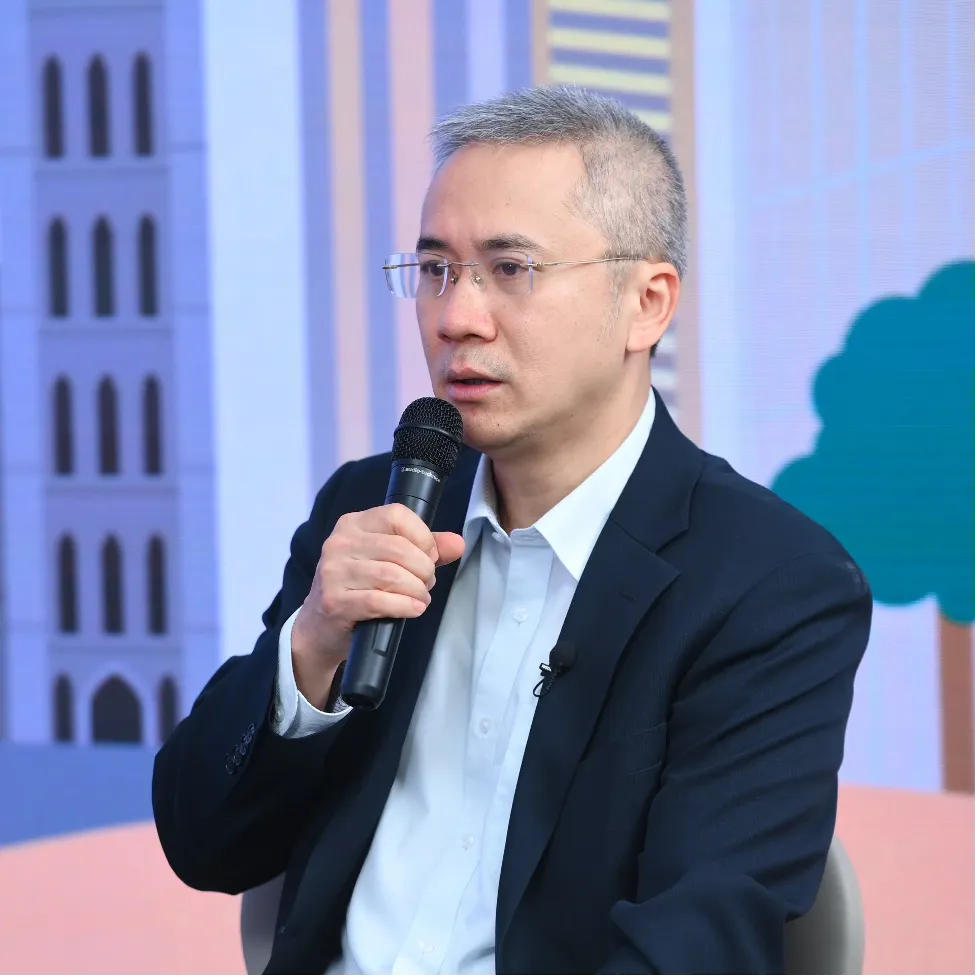
Traffic expert Phan Le Binh. (Photo: Dan Tri)
Expert Phan Le Binh analyzed: "Switching from gasoline to electric vehicles helps reduce pollution, but it doesn't reduce traffic congestion. Only by switching to public transportation can we solve both problems."
Currently, the rate of public transport usage is only about 20% because buses lack dedicated lanes, resulting in slow speeds and less attractiveness. Therefore, alongside supporting vehicle replacements, Hanoi has identified the urban rail network and bus system (including mini-electric buses that access narrow alleys) as the "backbone" of urban transportation. Mr. Binh suggested that the city should boldly implement more dedicated bus lanes to create a significant advantage in travel time compared to private vehicles.
A "soft" approach: No trade-off between social welfare and the environment.
Reaffirming the city's message, Ms. Le Thanh Thuy, Deputy Head of the Environment Department (Hanoi Department of Natural Resources and Environment), stated that this is not an extreme "ban" but rather a green transition process in line with global trends.
"The city's stance is very clear: We will not sacrifice social welfare for environmental protection, nor will we sacrifice the environment for short-term gains. We must do both simultaneously and succeed," Ms. Thuy emphasized.
Restrictions will be implemented gradually, with specific zones and timeframes, rather than abruptly across the entire city. From now until July 2026, Hanoi will continue to refine the legal framework and infrastructure, ensuring that when the policy is put into practice, people will find it convenient, transparent, and have their sustainable livelihoods guaranteed.
Source: https://vtv.vn/ha-noi-cam-xe-may-xang-theo-gio-lo-trinh-mem-khong-dot-ngot-100251210103140142.htm



























![[Video] The craft of making Dong Ho folk paintings has been inscribed by UNESCO on the List of Crafts in Need of Urgent Safeguarding.](https://vphoto.vietnam.vn/thumb/402x226/vietnam/resource/IMAGE/2025/12/10/1765350246533_tranh-dong-ho-734-jpg.webp)





























































Comment (0)