

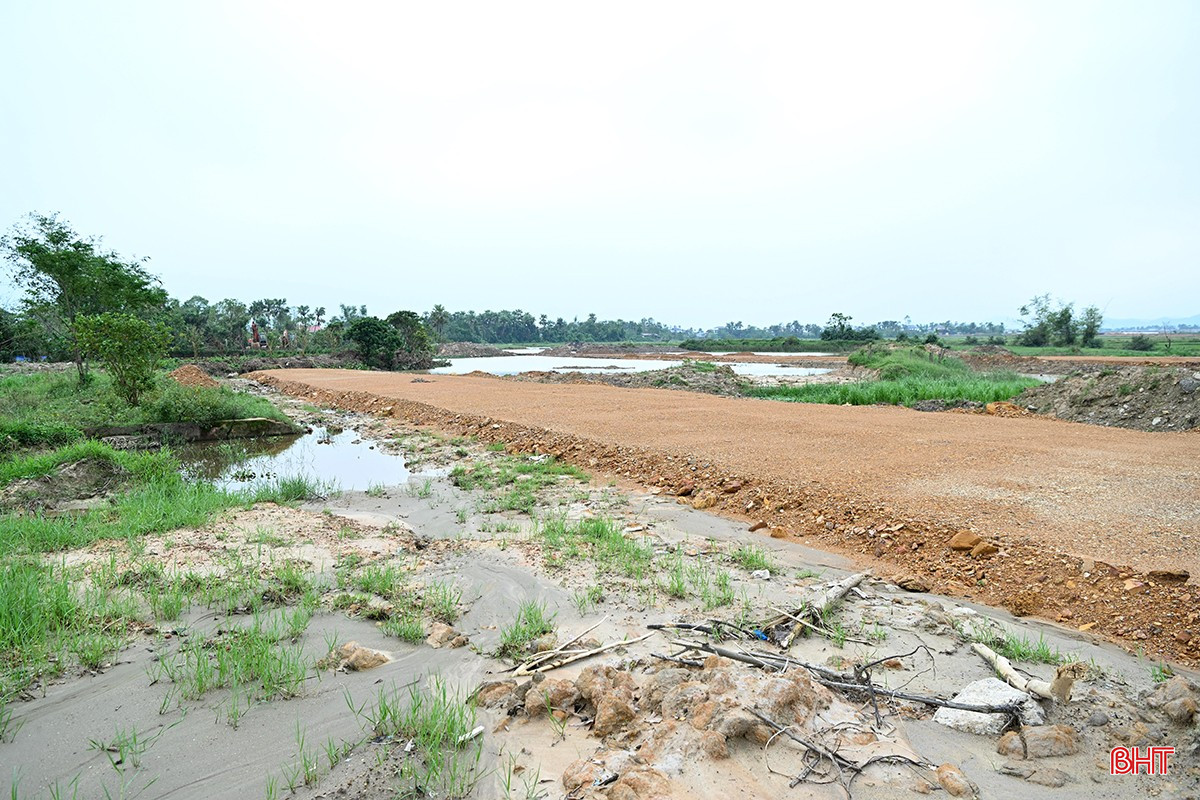
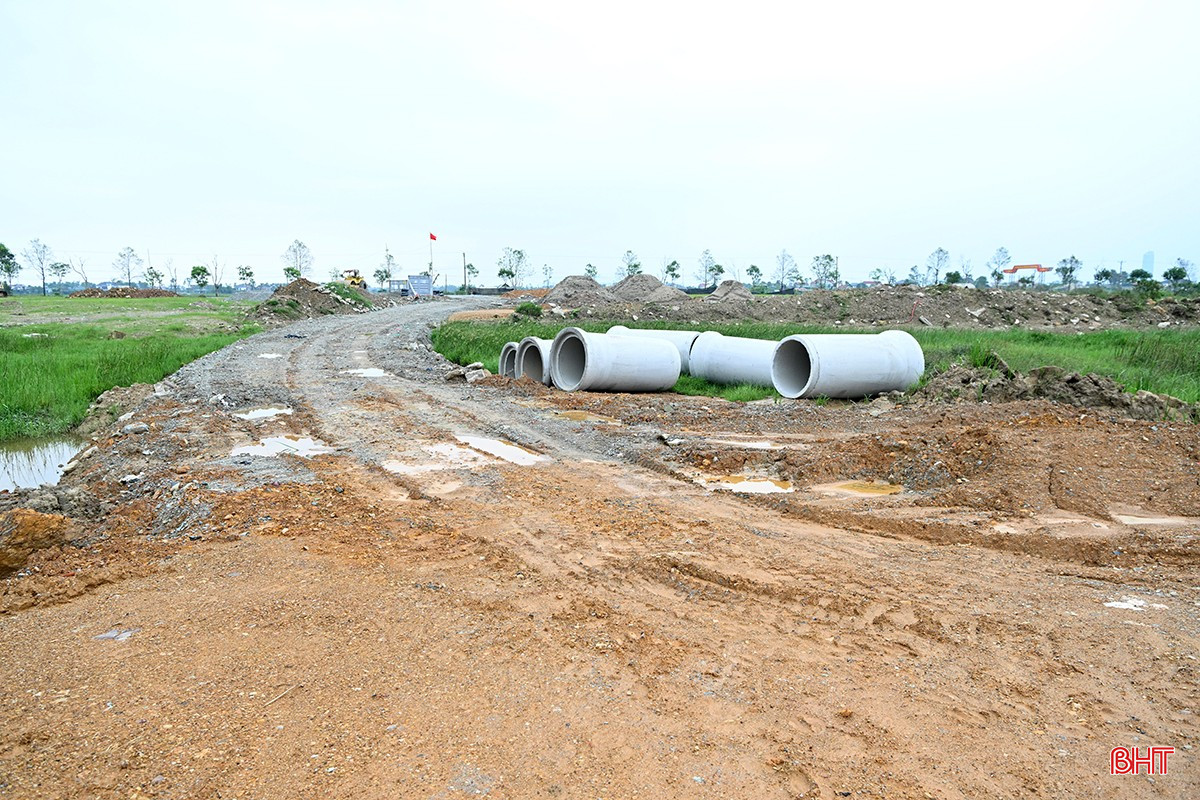
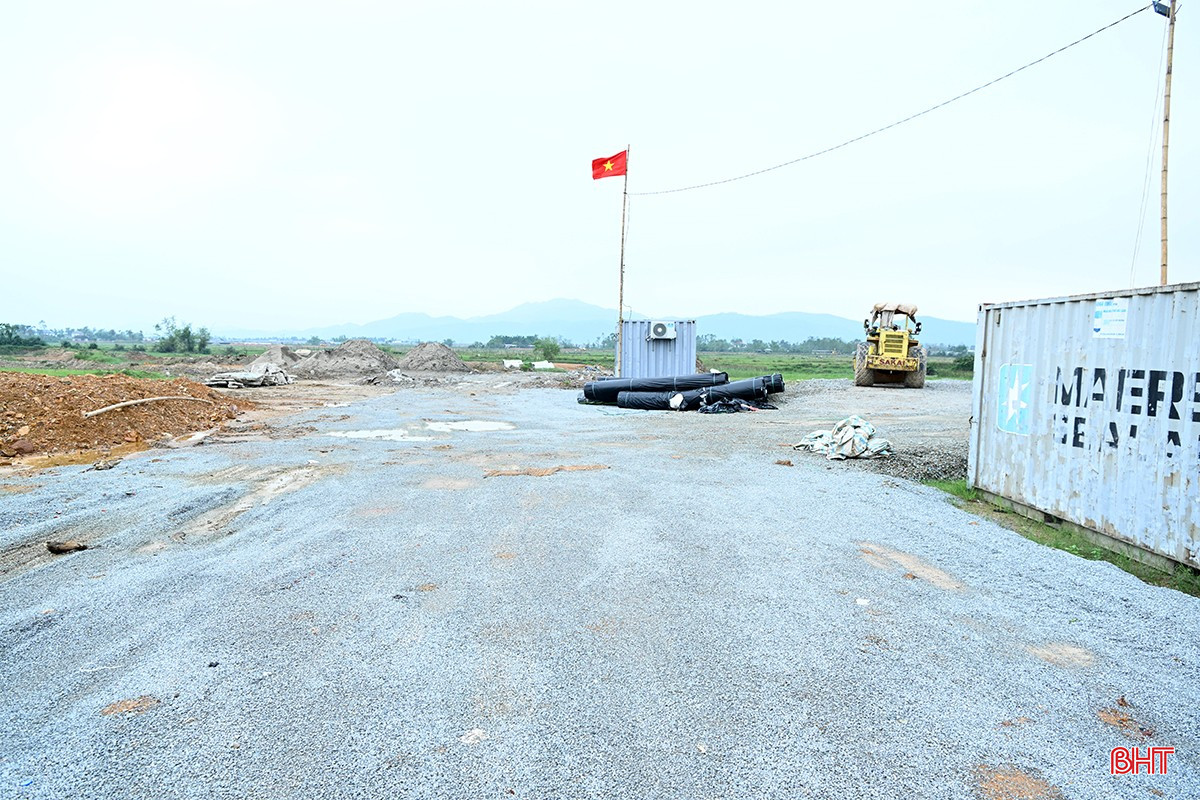
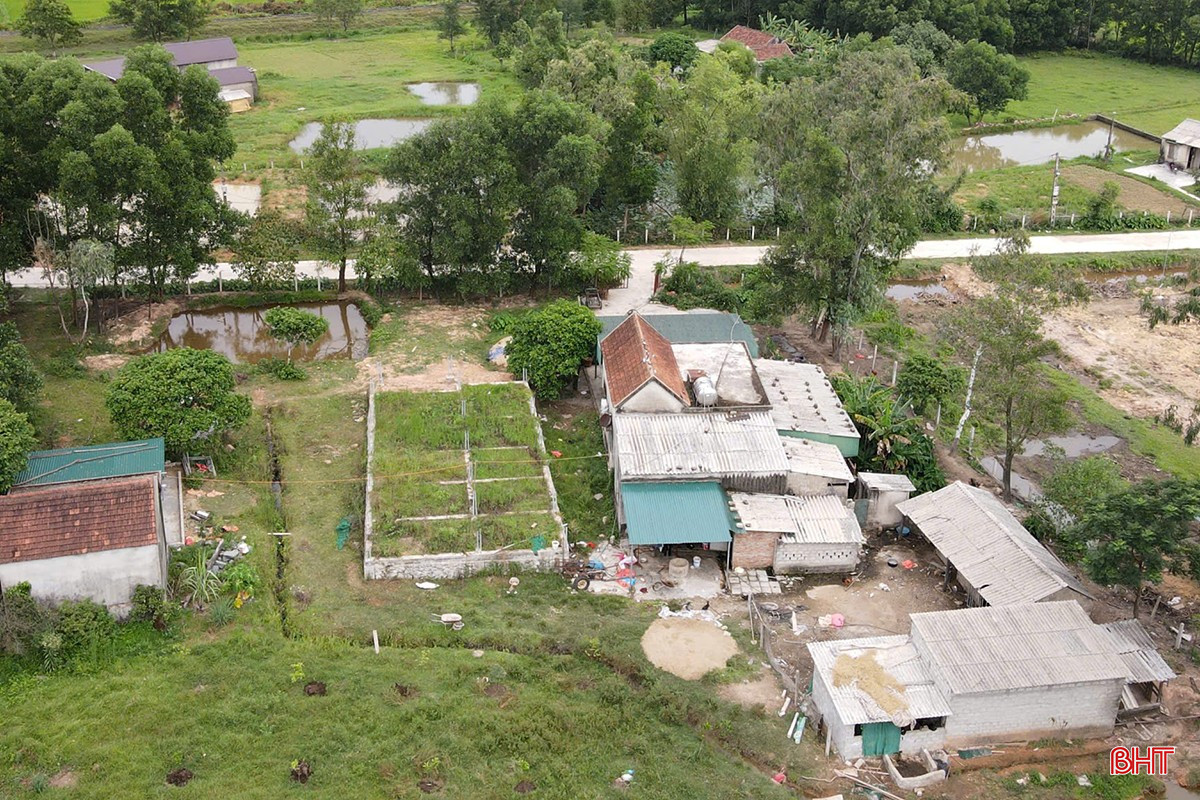
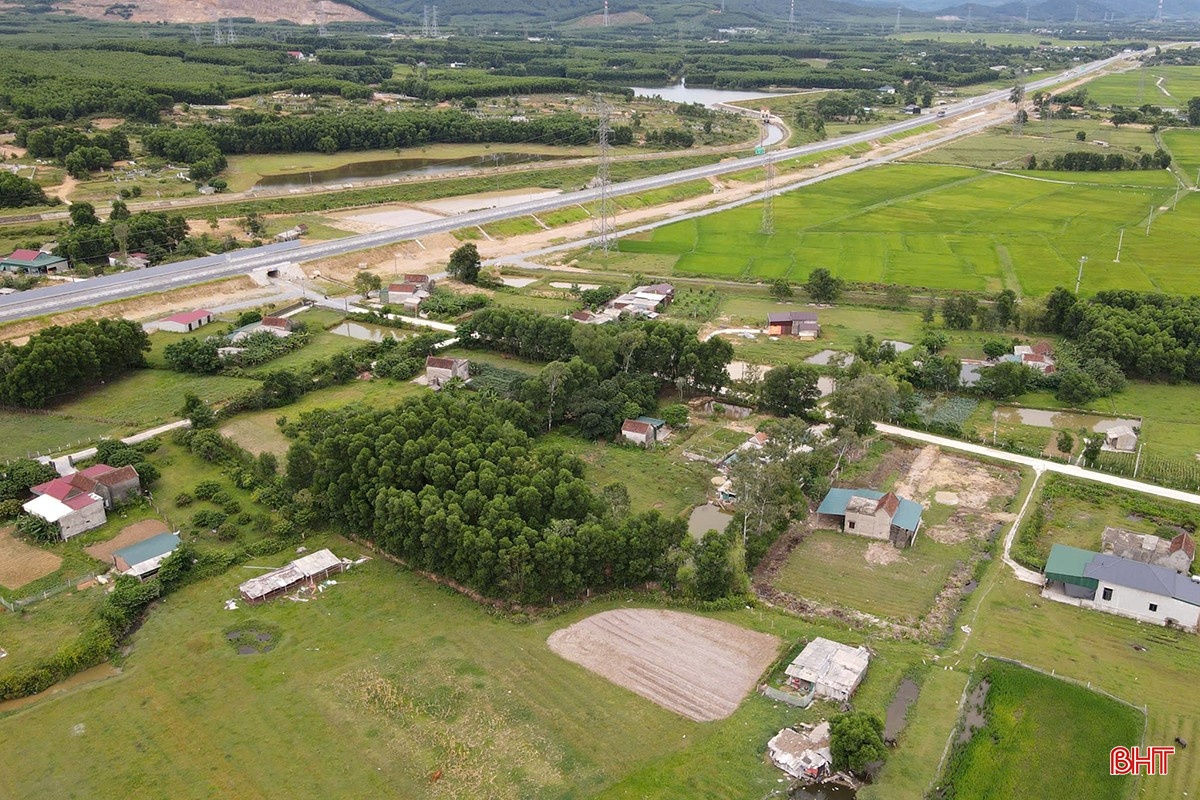
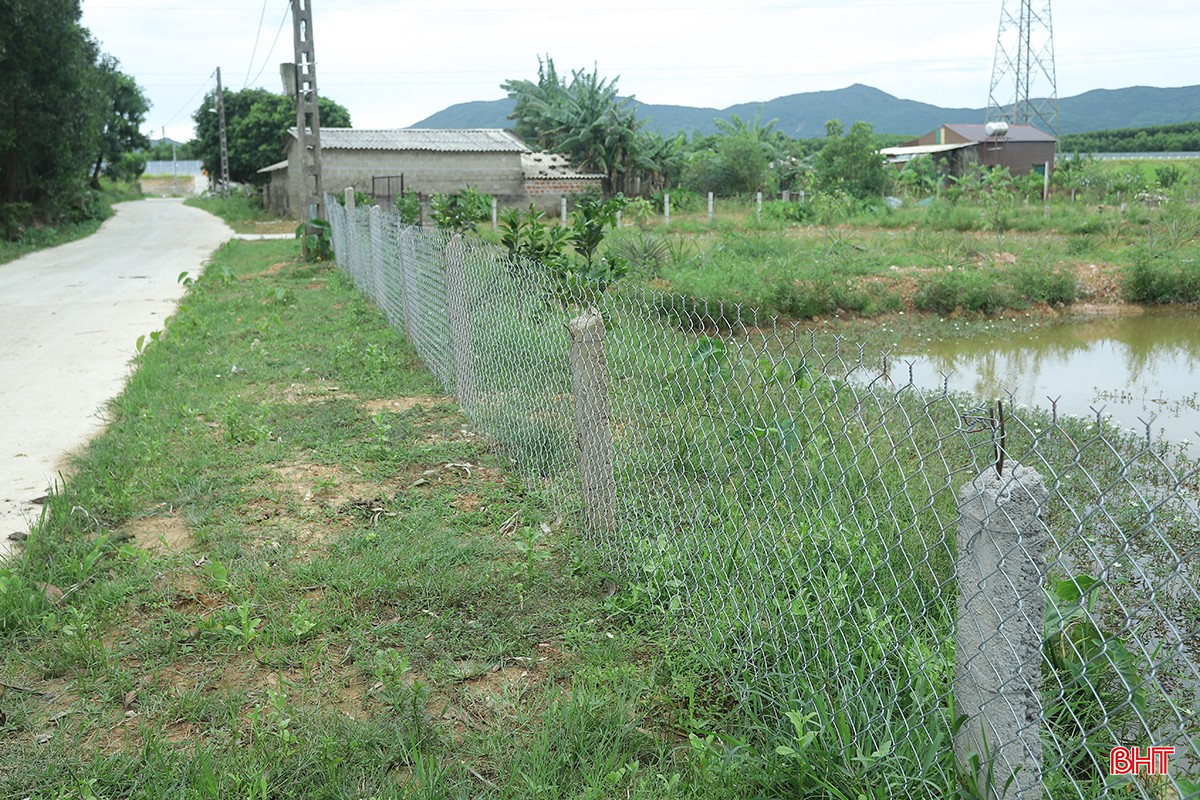
Currently, the resettlement area for the North-South high-speed railway project in Lien Vinh residential area, Ha Huy Tap ward, Ha Tinh province is under construction.
The resettlement area covers 3.8 hectares, with a total investment of 37 billion VND, and has complete infrastructure including transportation, electricity, water, and lighting systems. It is expected to serve the resettlement of 57 households.
After more than two months of construction, the resettlement area, invested by the People's Committee of Ha Huy Tap Ward, has reached nearly 30% of the contract value. The investor is urging the contractor to concentrate manpower and machinery to ensure the construction progress; however, due to the impact of rainy and windy weather, the implementation of the project items has been somewhat difficult.
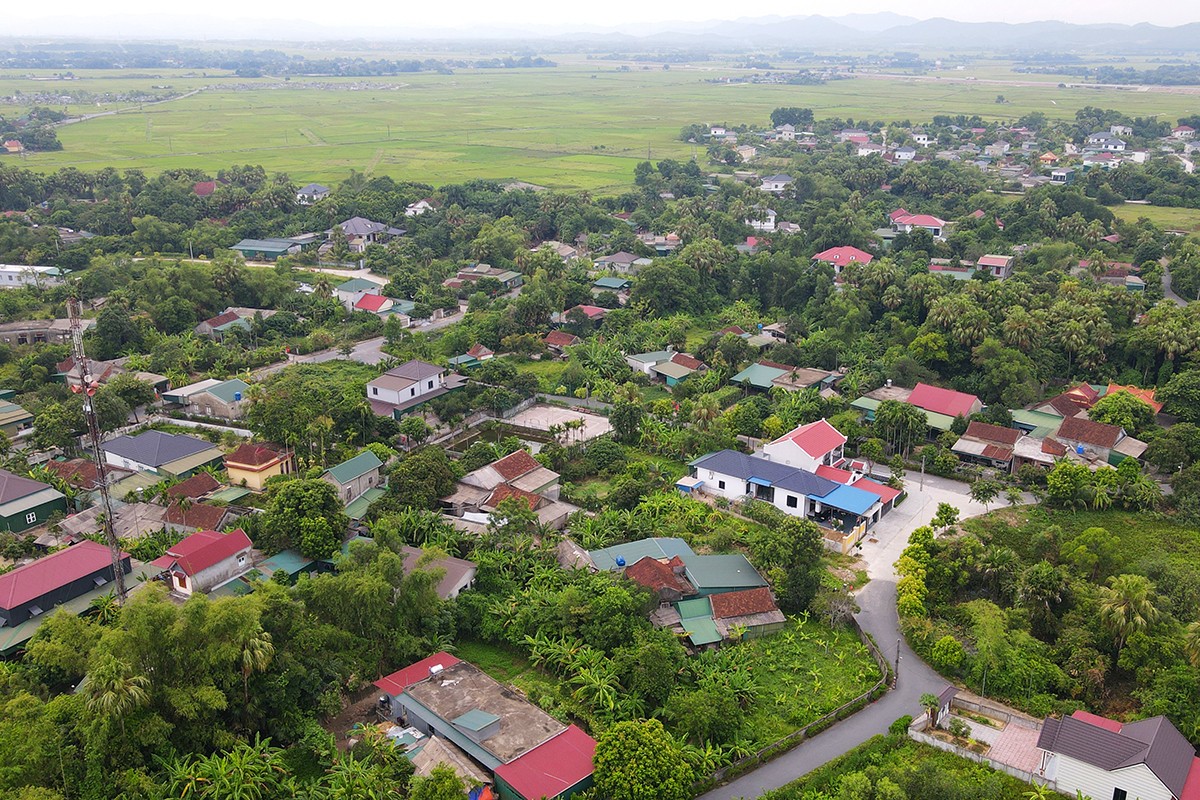
According to information from the Ha Tinh Department of Construction, the high-speed railway project on the North-South axis passes through 18 communes and 5 wards of the province, with a total length of approximately 103.42 km.
According to preliminary review results, the project is expected to require the acquisition of approximately 764.12 hectares of land, affecting about 1,800 households with residential land, of which nearly 1,300 households will need to be relocated and resettled; and the excavation of more than 4,000 graves. The project will also affect the power grid infrastructure and many other technical infrastructure works. The estimated cost for land clearance for the project section passing through the province is approximately 8,462 billion VND.
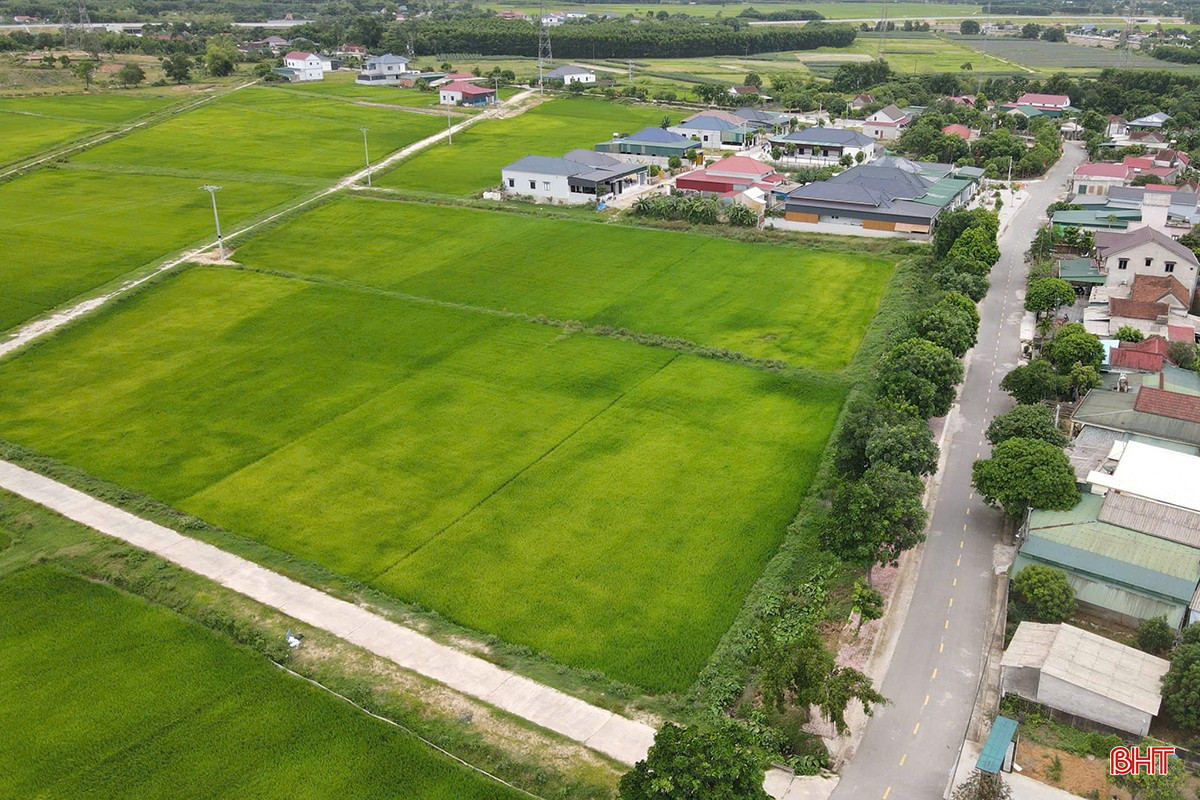
According to the review results, the province is expected to build 35 resettlement areas across 18 communes and wards. To date, the resettlement area in Lien Vinh residential area, Ha Huy Tap ward, is the first of the 35 resettlement areas for the North-South high-speed railway project in Ha Tinh province to complete investment procedures and begin construction.
Of the remaining 34 resettlement areas, 30 have had their detailed plans approved/general layout plans approved, and 4 are in the process of completing their documentation and are expected to have their plans approved in the next few days.
Recognizing that the timely handover of cleared land according to the Government 's plan is a prerequisite for the project's implementation and completion, the Standing Committee of the Ha Tinh Provincial Party Committee established a Land Clearance Steering Committee, a working group to assist the Steering Committee, and issued conclusions to unify the implementation of several key tasks in compensation, support, and resettlement for the project. Simultaneously, they issued a land clearance plan, coordinated the project implementation, and exploited land resources in the areas surrounding the project's railway stations.
The province has agreed on the policy of assigning the People's Committees of communes and wards where the project passes through to carry out the tasks of compensation, support, resettlement, and to act as the investor for the construction of resettlement areas. To date, all 23 localities have established compensation councils and land clearance steering committees at the commune level.
Despite proactive and decisive efforts in land clearance, the process of compensation, support, and resettlement for the North-South high-speed railway project through Ha Tinh province still faces many difficulties.
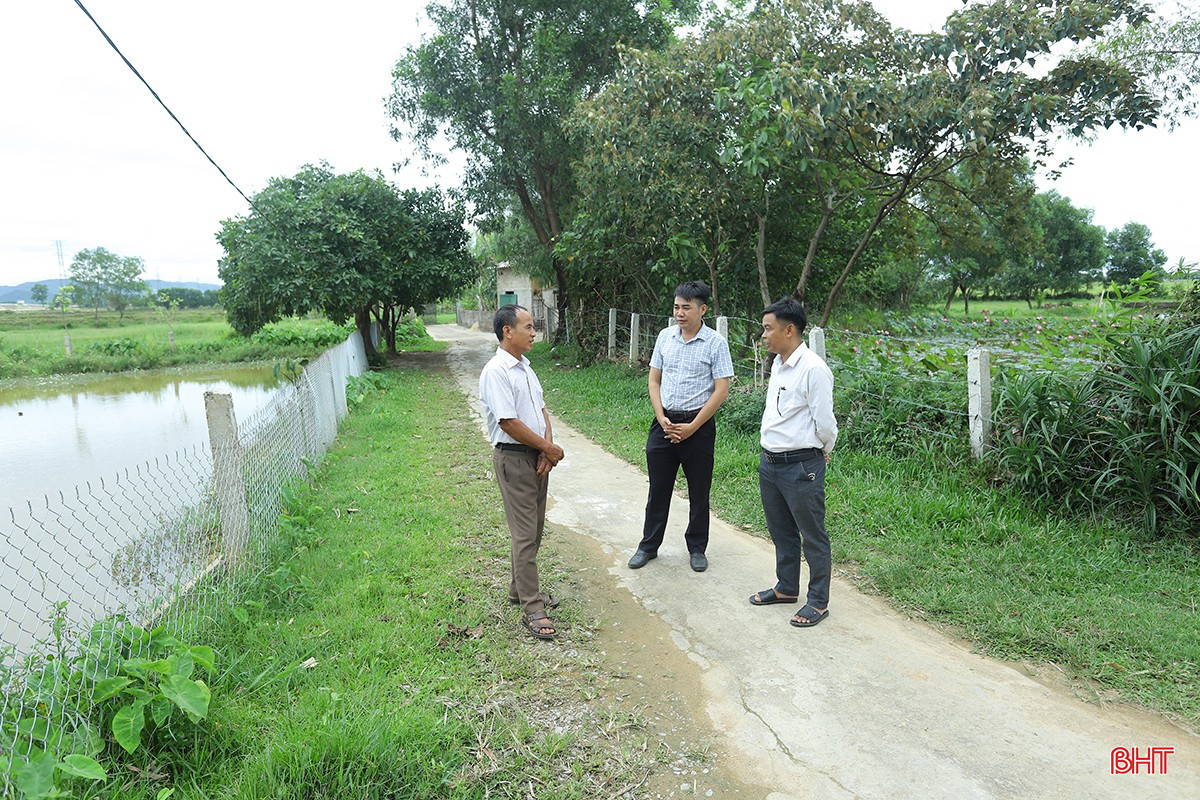
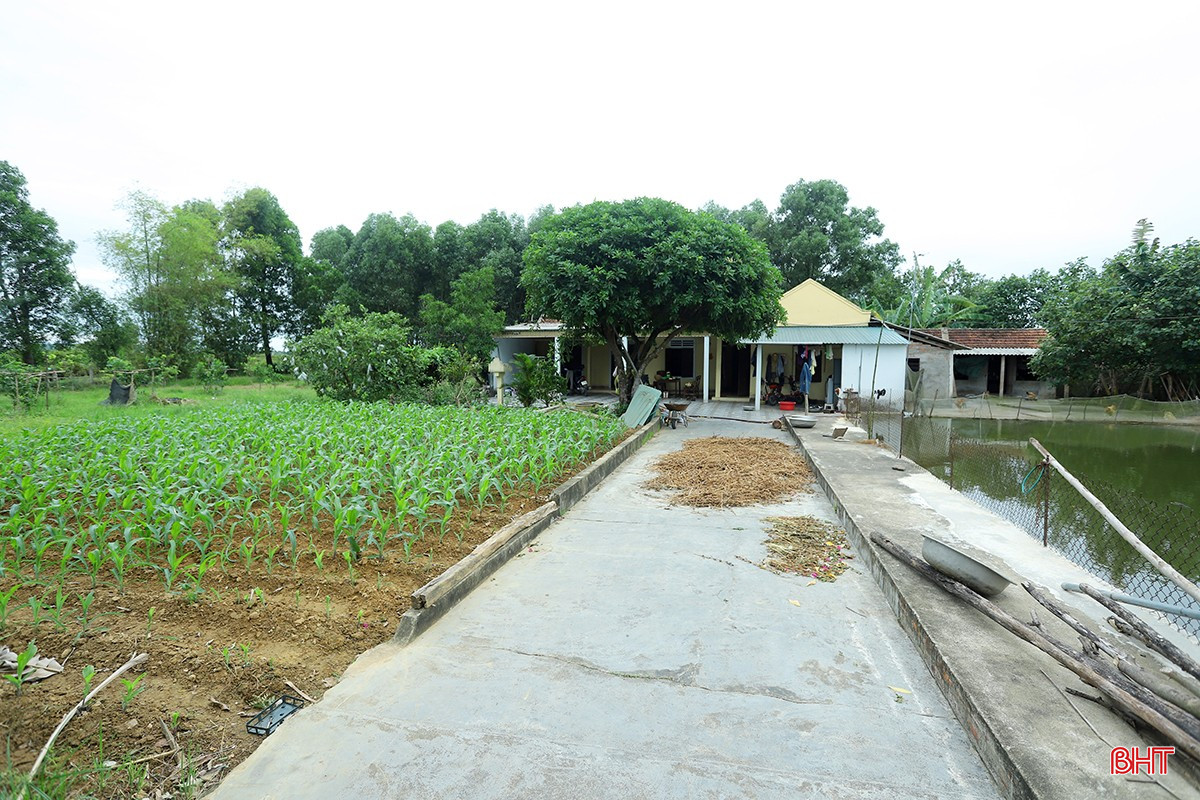
Mr. Le Anh Son, Deputy Director of the Department of Construction, stated that, to date, the investor – the Railway Project Management Board ( Ministry of Construction ) – has not yet handed over the land clearance markers on the ground. Therefore, surveying, counting, pricing, and approving compensation plans for the land clearance area are not yet ready for implementation. Local authorities are currently carrying out land clearance tasks according to the preliminary boundaries from the pre-feasibility study phase of the project.
“It is expected that the investor will officially hand over the land clearance markers by March 2026. The volume of land clearance for the section passing through Ha Tinh province is very large, while the progress required by the Government is very urgent, with the first resettlement area starting on August 19, 2025, and the land basically handed over by December 2026. This is a great pressure on localities in completing the land clearance task and ensuring the project's progress,” the Deputy Director of the Department of Construction acknowledged.
According to Mr. Le Anh Son, because the land clearance markers have not yet been handed over on-site, the statistical data on the amount of land to be acquired for the project, including the number of 35 resettlement areas, will continue to fluctuate.
Furthermore, the route through Ha Tinh province still needs to be studied and adjusted to minimize the impact on religious and spiritual sites, as well as existing projects that play a crucial role in the local socio-economic development. Implementing land clearance based on the preliminary design before the route is finalized carries the risk of waste, especially for resettlement areas that are being planned and invested in under special mechanisms.
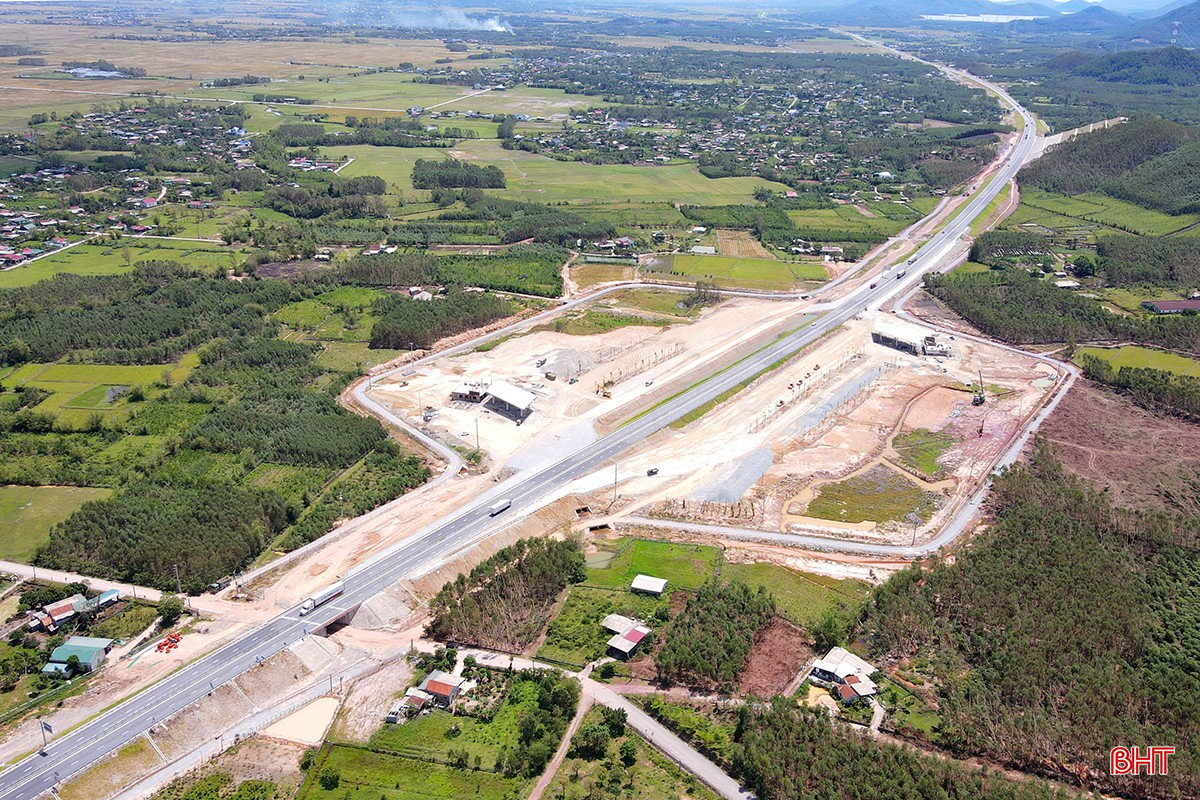
Furthermore, the separation of compensation, support, and resettlement projects is a new model, being applied for the first time in the province. Therefore, there are no specific guidelines from ministries and agencies regarding the process, authority, and procedures for implementation, causing considerable confusion for the locality. Although the province has submitted a request for guidance to the Ministry of Construction, there has been no response to date.
According to the Deputy Director of the Ha Tinh Department of Construction, to overcome difficulties in land clearance for the high-speed railway project, Ha Tinh has requested the Central Government to soon issue specific guidelines on the process, authority, documents, and procedures for implementing independent component projects regarding compensation, support, and resettlement in accordance with the 2025 Railway Law, ensuring uniform implementation nationwide. They also requested the early agreement on the route plan for the section passing through the province and the implementation of land clearance markers on-site, handing them over to the localities as a basis for implementing subsequent steps, minimizing the need for adjustments; and simultaneously creating conditions for localities to conduct surveys, prepare, and appraise compensation, support, and resettlement plans on schedule in 2026.
Source: https://baohatinh.vn/ha-tinh-nong-ruot-cho-chu-dau-tu-du-an-duong-sat-toc-do-cao-ban-giao-moc-gpmb-post298139.html
![[Photo] Prime Minister Pham Minh Chinh holds a phone call with the CEO of Russia's Rosatom Corporation.](/_next/image?url=https%3A%2F%2Fvphoto.vietnam.vn%2Fthumb%2F1200x675%2Fvietnam%2Fresource%2FIMAGE%2F2025%2F12%2F11%2F1765464552365_dsc-5295-jpg.webp&w=3840&q=75)


![[Photo] Closing Ceremony of the 10th Session of the 15th National Assembly](/_next/image?url=https%3A%2F%2Fvphoto.vietnam.vn%2Fthumb%2F1200x675%2Fvietnam%2Fresource%2FIMAGE%2F2025%2F12%2F11%2F1765448959967_image-1437-jpg.webp&w=3840&q=75)
















































![[OFFICIAL] MISA GROUP ANNOUNCES ITS PIONEERING BRAND POSITIONING IN BUILDING AGENTIC AI FOR BUSINESSES, HOUSEHOLDS, AND THE GOVERNMENT](https://vphoto.vietnam.vn/thumb/402x226/vietnam/resource/IMAGE/2025/12/11/1765444754256_agentic-ai_postfb-scaled.png)









































Comment (0)