

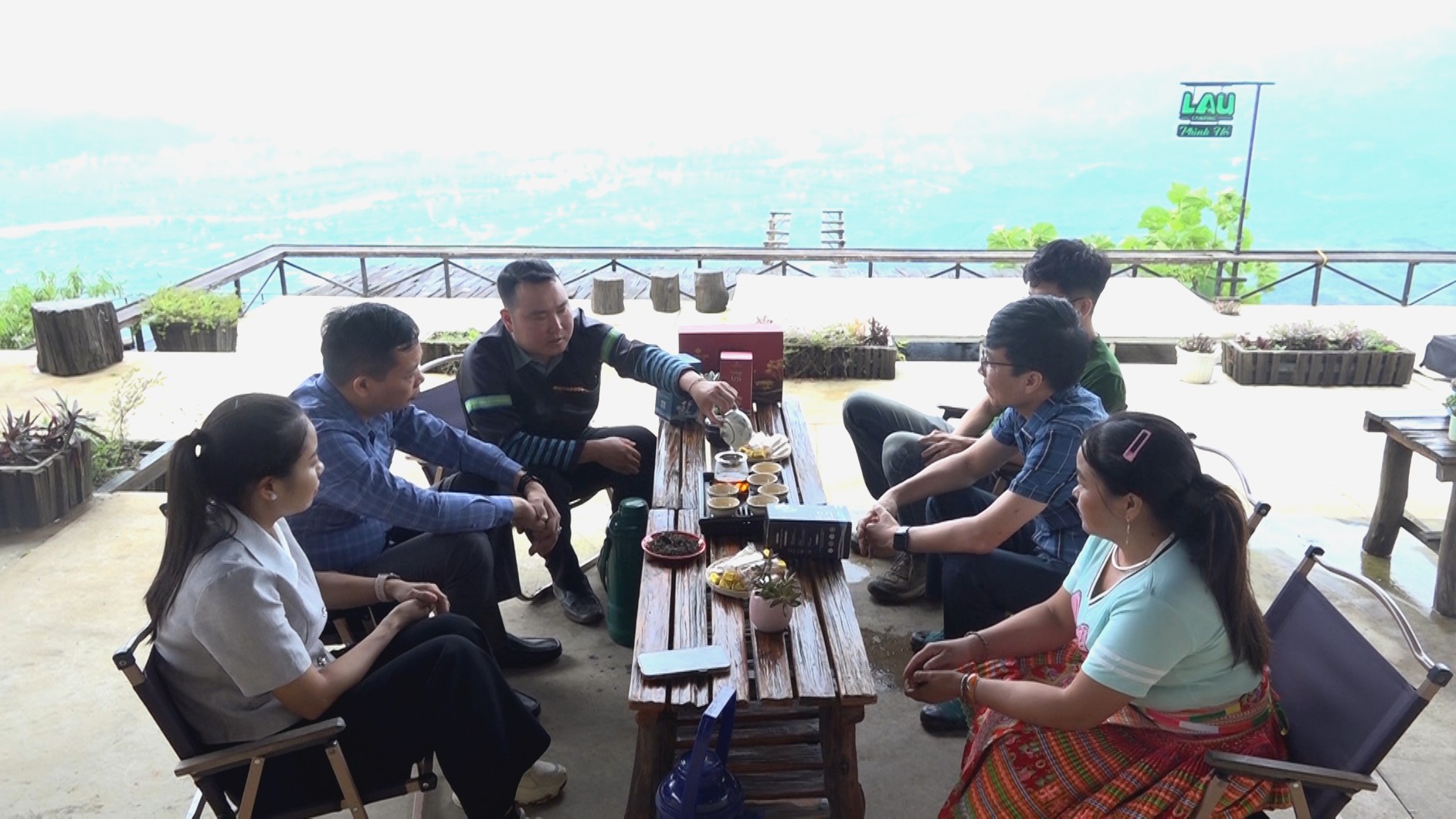
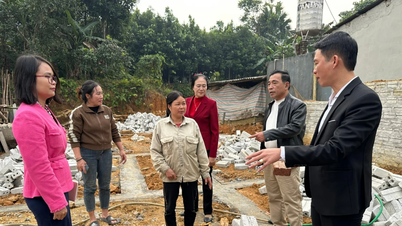
Mr. Giàng A Du, Chairman of the Farmers' Association of Phình Hồ commune, said: Poverty reduction in the locality has always been identified as a key task by the Party Committee, the government, and mass organizations.
First, the commune is stepping up its propaganda efforts to raise awareness so that people can proactively and independently strive for self-improvement, without relying on others. Simultaneously, the commune is focusing on supporting people in accessing preferential loan sources from the Social Policy Bank and other credit institutions to create conditions for households to have capital to develop production and livestock farming.
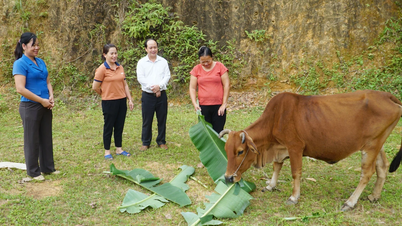
With the support of the commune's Farmers' Association, the family of Mr. Sung A Ninh - Ta Chu village - boldly borrowed capital to expand the scale of their pig farm and develop the breeding of local pig breeds. From the initial 2 breeding pigs, the herd has now grown to 23 pigs.
Mr. Ninh shared: “Pig farming has brought economic benefits to my family. Each batch of pigs takes 4-5 months to raise before being sold, and after deducting expenses, my family earns a profit of 40-50 million VND. My family regularly receives guidance from the commune's Farmers' Association officials on disease prevention and pig care. In the future, my family plans to expand the scale of pig farming.”
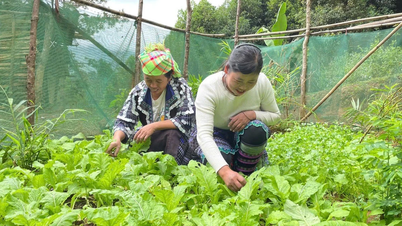
Recognizing agricultural and forestry production as its strength, Phình Hồ commune focuses on developing distinctive products associated with local advantages, such as specialty rice, upland taro, black pigs, indigenous black chickens, and ancient Shan Tuyet tea.
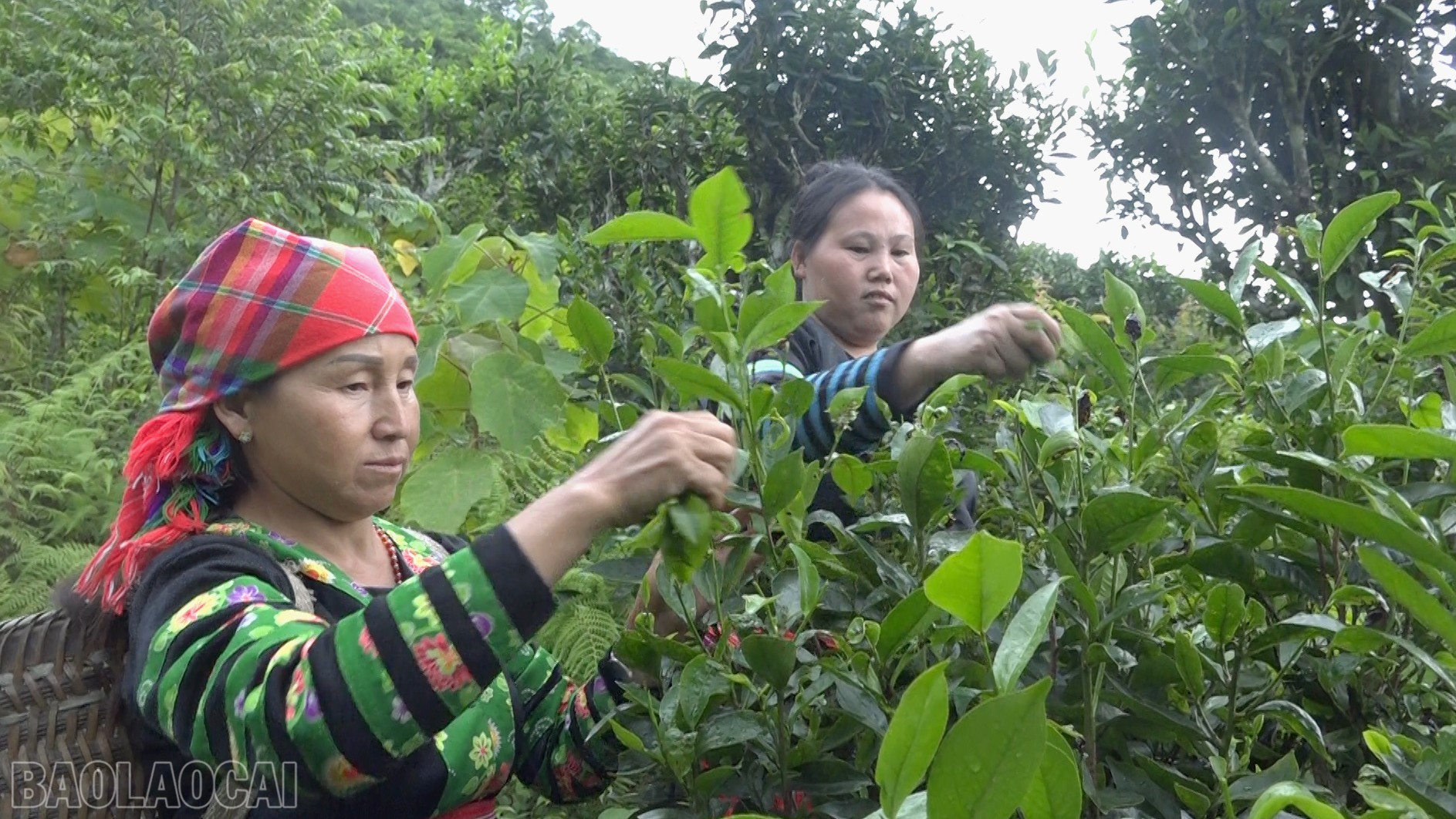
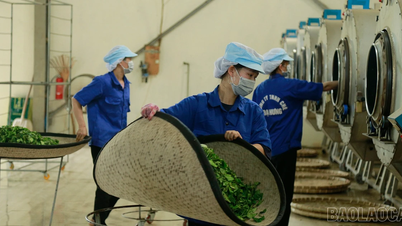
With over 300 hectares of tea plantations, including more than 100 hectares of valuable old-growth tea trees, Phinh Ho commune harvests approximately 500 tons of tea products annually. High-quality fresh tea buds alone account for over 385 tons, providing a stable income for many households. The commune aims to preserve and develop the tea growing area organically, while also supporting residents with harvesting and cultivation techniques to improve product quality and value.
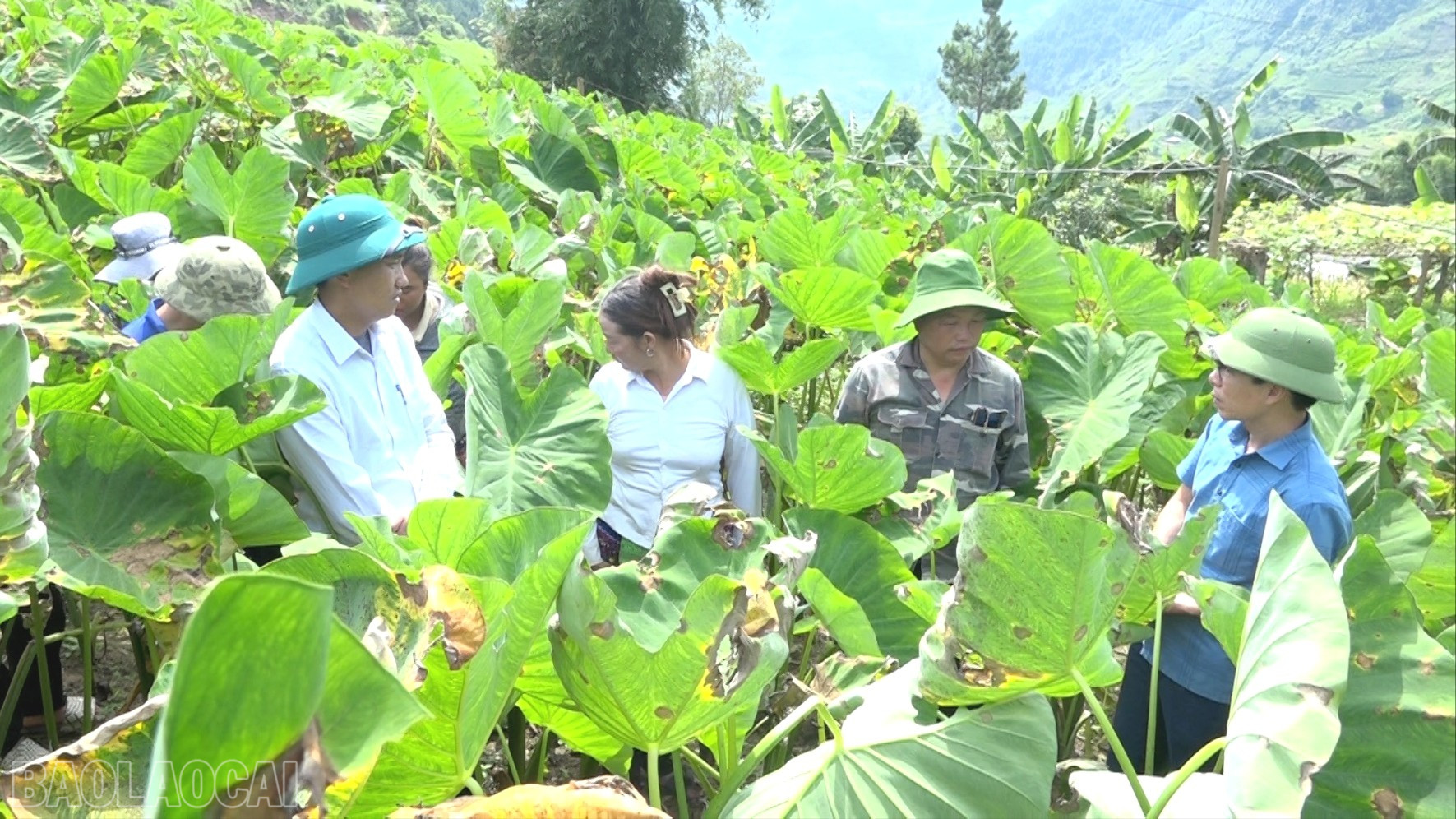
Along with ancient Shan Tuyet tea trees, upland taro has also become a key crop helping many households escape poverty. Thanks to the suitable climate and soil, Phinh Ho upland taro has a distinctive nutty, chewy, and fragrant flavor, different from other taro varieties. The commune government actively encourages people to review and reduce the area of inefficient upland rice and corn cultivation to switch to taro cultivation.
Currently, the total area of taro cultivation in the commune is nearly 330 hectares. The people have harvested 100% of the area, with a yield of nearly 138 quintals/hectare, and a total production of 4,580 tons. This brings in billions of dong in income for the people each year.
In addition, the commune encourages cooperatives and businesses to participate in product distribution linkages.
For example, the Ban Mu Agricultural and Tourism Cooperative, established in 2023 with 9 members, is currently trading in typical local products such as Phinh Ho Shan Tuyet tea, red rice, upland taro, and raising native pigs and chickens. The cooperative is also expanding its links with stores, supermarkets, and wholesale markets to bring the commune's products to more markets.
Mr. Giàng A Vầu, Director of Bản Mù Agricultural and Tourism Cooperative, said: "The attention of the government at all levels is a crucial factor for the cooperative's continued development, contributing to the consumption of agricultural products, creating jobs, and increasing income for the people."
To achieve sustainable poverty reduction, Phinh Ho commune has identified human resource development as a key solution. The commune focuses on vocational training for rural workers, guiding people to work in businesses inside and outside the province, and expanding opportunities for overseas employment.
Improving skills and qualifications helps people earn more stable incomes and reduces their dependence on traditional production methods, which inherently carry many risks.
In addition, the commune has focused on investing in essential infrastructure, especially transportation. In recent times, many new roads have been opened and upgraded, creating convenient travel conditions for people and facilitating the movement of goods.
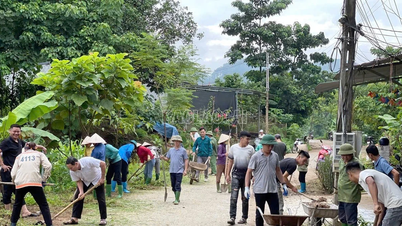
People from many villages in the commune have jointly donated land and contributed labor to pave roads with concrete, gradually improving the rural transportation system. "With convenient transportation, life can change and the economy can develop," shared Mr. Giang A Long, a resident of Ta Chu village.
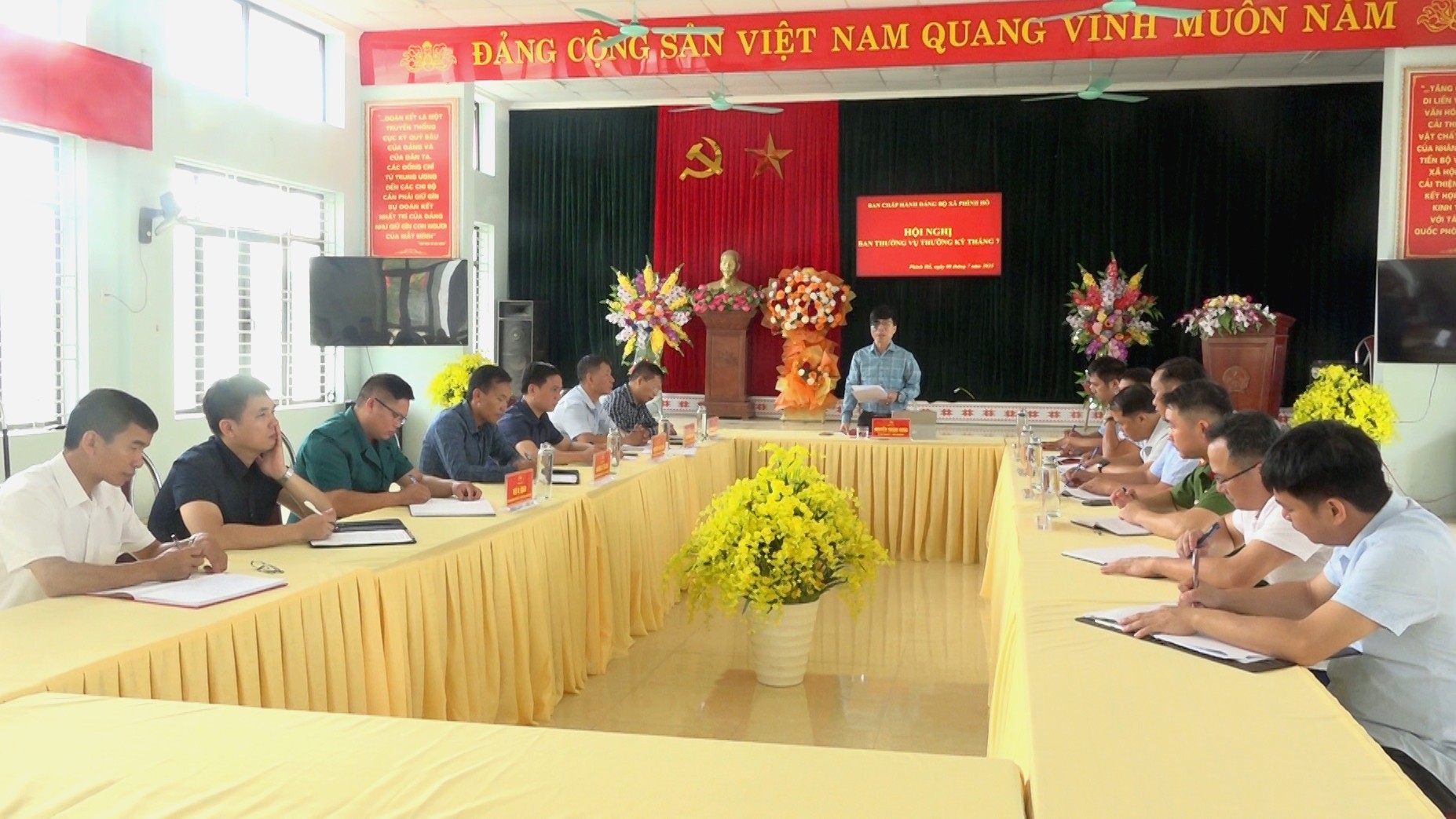
Comrade Nguyen Thanh Hung - Secretary of the Party Committee and Chairman of the People's Council of Phinh Ho commune, said: In 2025, the estimated multidimensional poverty rate of the commune is 54.63%, a decrease of 6.82% compared to 2024.
To achieve the goal of sustainable poverty reduction, Phinh Ho commune continues to promote awareness campaigns to help people change their mindset and proactively participate in new livelihood models; create conditions for accessing credit; strengthen connections with the labor market; and support households in registering their needs to ensure appropriate and effective support solutions.
In addition, the commune continues to encourage people and cooperatives to focus on building a value chain from production to consumption. First and foremost, this involves reorganizing production towards organic farming and applying science and technology to improve productivity and quality.
At the same time, we will boost promotion by creating a story about the product, linking it to the culture and people of Phinh Ho; building a brand for taro to become a unique agricultural product, helping people to prosper sustainably.
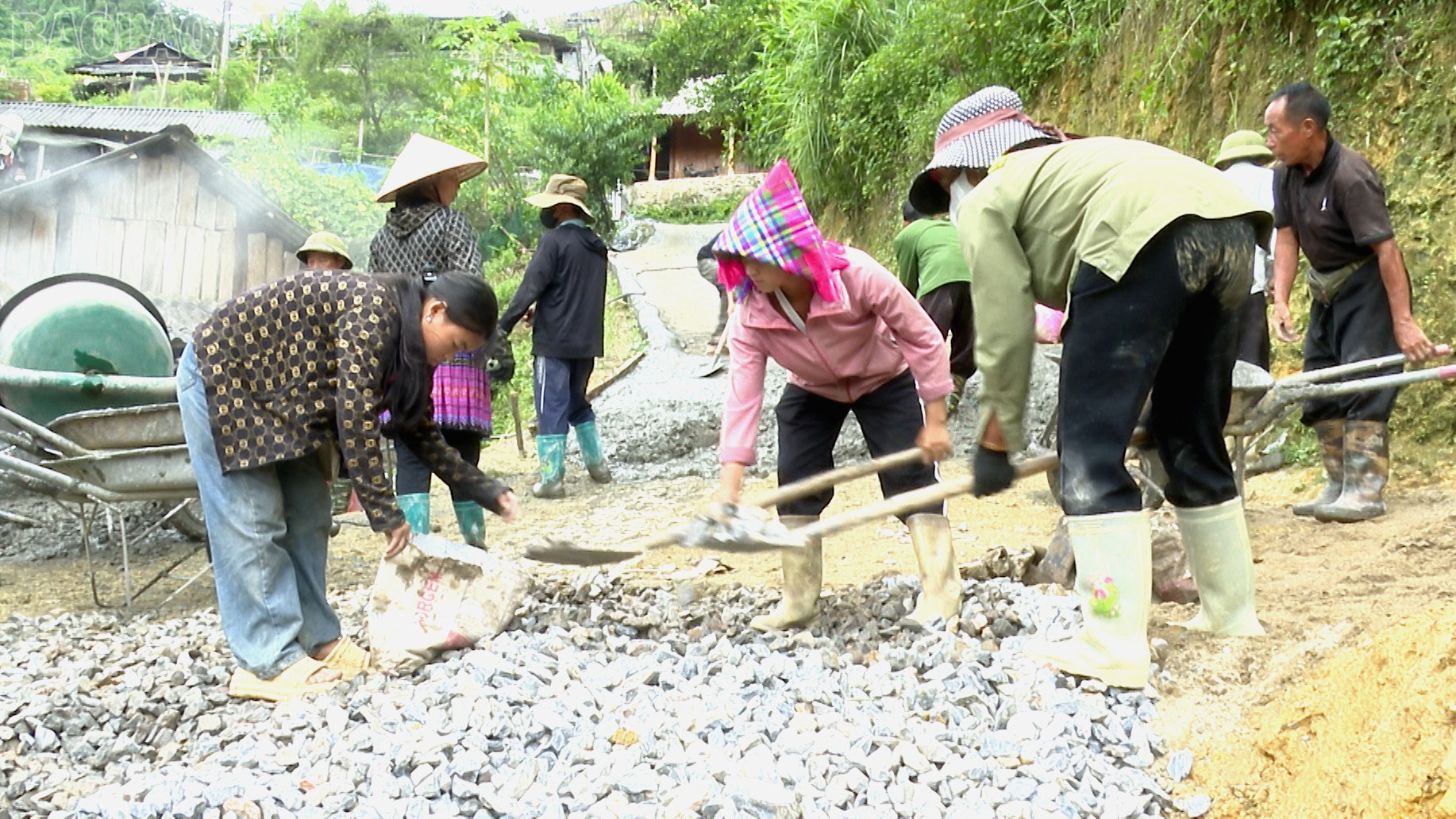
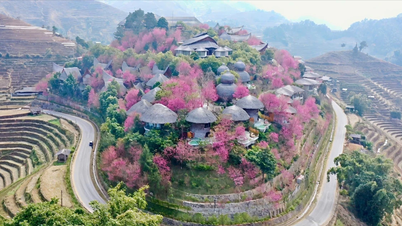
Thanks to the efforts of the government, the unity of the people, and the support from state programs and policies, Phinh Ho is beginning to build a solid foundation in its journey towards poverty reduction. Changes in infrastructure, production, and living standards have been contributing to bringing this disadvantaged area closer to the goal of becoming a relatively developed commune in Lao Cai province.
Source: https://baolaocai.vn/huong-di-vung-chac-trong-hanh-trinh-giam-ngheo-ben-vung-post888912.html

![[Image] Vietnam's colorful journey of innovation](/_next/image?url=https%3A%2F%2Fvphoto.vietnam.vn%2Fthumb%2F1200x675%2Fvietnam%2Fresource%2FIMAGE%2F2025%2F12%2F14%2F1765703036409_image-1.jpeg&w=3840&q=75)
















































![[Image] Vietnam's colorful journey of innovation](https://vphoto.vietnam.vn/thumb/402x226/vietnam/resource/IMAGE/2025/12/14/1765703036409_image-1.jpeg)


























Comment (0)