

In a statement posted on its Telegram channel, the Sunni Muslim militant group said two IS members detonated explosive belts in a crowd gathered at the Kerman Martyrs Cemetery in the southeastern Iranian city of Kerman on Wednesday.
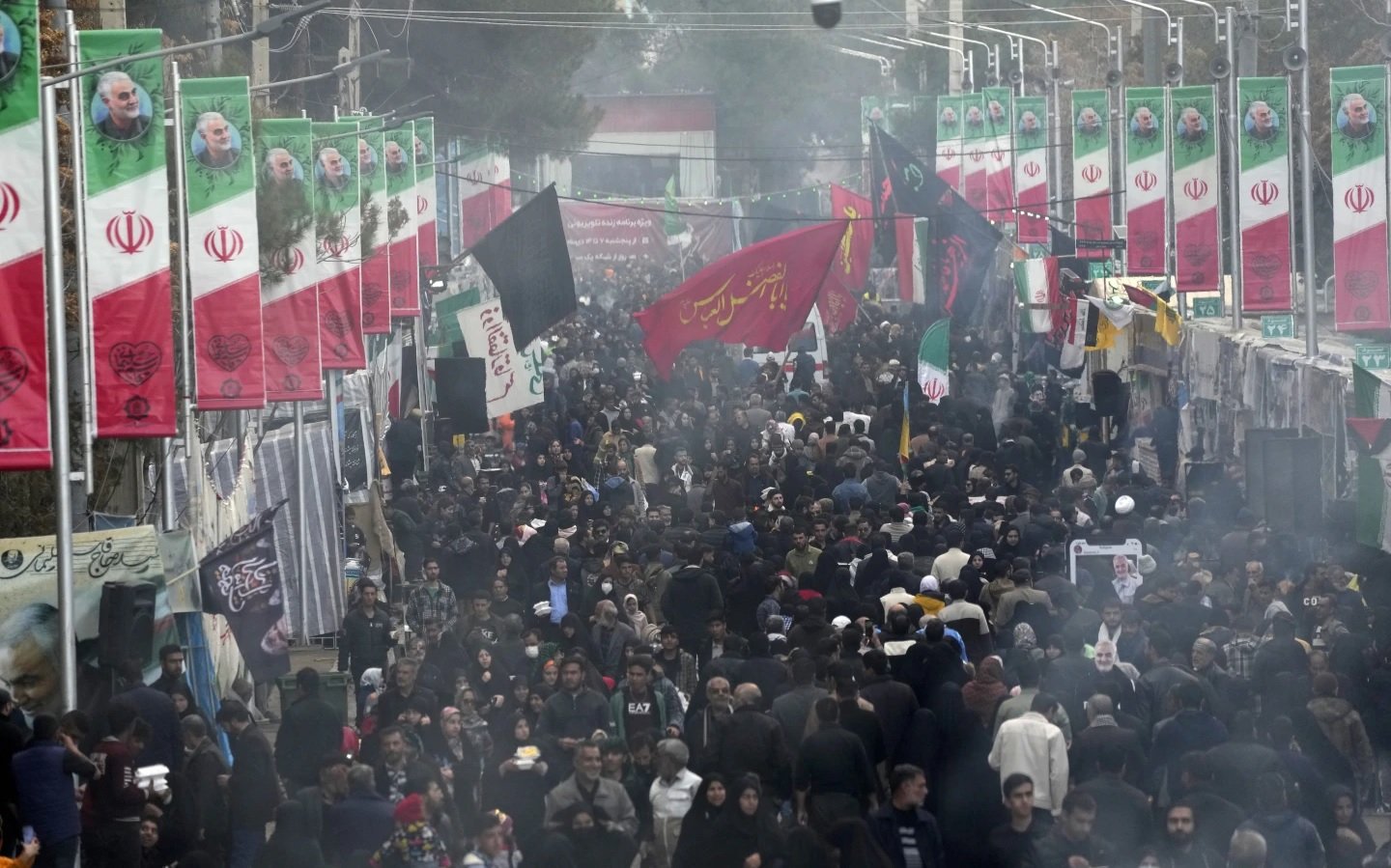
A procession of people walks along the road leading to the Kerman Martyrs Cemetery to commemorate the fourth anniversary of the death of Major General Qasem Soleimani in Kerman, Iran, on January 3, 2024. Photo: AP
The incident occurred as the memorial was commemorating the fourth anniversary of the death of Major General Soleimani, who was assassinated by a US drone strike in Iraq in 2020. White House spokesman John Kirby said there was no doubt about ISIS's claim of responsibility.
Iran has vowed revenge for the deadliest attack since the 1979 Islamic Revolution. In addition to the 84 fatalities, the double explosion injured 284 people, including children. Iranian authorities have called for massive protests on Friday, when funerals for the victims will be held.
Iran's powerful Revolutionary Guard described the attacks as cowardly acts "aimed at creating insecurity and seeking revenge for the nation's deep love and devotion to the Islamic Republic."
Iranian President Ebrahim Raisi condemned what he called "cruel and inhumane crimes" on Wednesday. Supreme Leader Ayatollah Khamenei vowed revenge for the bombings.
The United Nations Security Council, in a statement, condemned what it called the "cowardly terrorist attack" on Wednesday and offered condolences to the families of the victims and the people of Iran.
Aaron Zelin, an expert at the Washington Institute for Near East Policy, said he would not be surprised if the attack was carried out by the Islamic State branch based in neighboring Afghanistan, known as ISIS-Khorasan or ISIS-K.
He said ISIS-K is accused of being behind numerous failed attack plots in Iran over the past five years. The majority of those arrested are Iranians, Central Asians, or Afghans belonging to the ISIS branch in Afghanistan, rather than from the group's network in Iraq and Syria.
He said that ISIS, a Sunni Muslim group, harbors a deep hatred for Shiite Muslims – the majority Muslim group in Iran and often the target of the group's attacks in Afghanistan. ISIS views Shiite Muslims as apostates.
ISIS has claimed responsibility for an attack on a Shiite mosque in Iran that killed 15 people in 2022, and numerous other attacks prior to that, such as the 2017 double bombing targeting the Iranian parliament building and the mausoleum of the founder of the Islamic Republic, Ayatollah Ruhollah Khomeini.
Hoang Anh (according to AP, Reuters)
Source


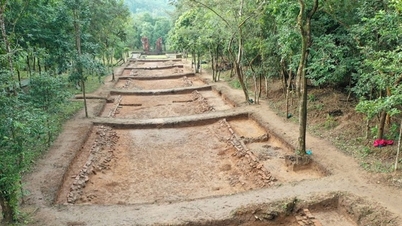
![[Image] Close-up of the newly discovered "sacred road" at My Son Sanctuary](/_next/image?url=https%3A%2F%2Fvphoto.vietnam.vn%2Fthumb%2F1200x675%2Fvietnam%2Fresource%2FIMAGE%2F2025%2F12%2F13%2F1765587881240_ndo_br_ms5-jpg.webp&w=3840&q=75)

















































































Comment (0)