

The Deputy Director General of Vietnam Social Security affirmed that the surplus of the Unemployment Insurance Fund, approximately 63,000 billion VND, is sufficient to pay unemployment benefits to civil servants and workers who leave their jobs when the organizational structure is streamlined.
On the afternoon of January 6th, the Standing Committee of the National Assembly gave its opinion on the acceptance, explanation, and revision of the Draft Law on Employment (amended).
Balancing the Unemployment Insurance Fund when reorganizing the organizational structure.
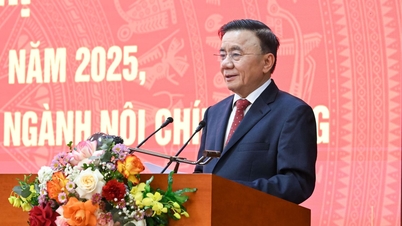
According to Nguyen Thuy Anh, Chairwoman of the Social Affairs Committee, at the time the Government submitted the draft law, the policy of reforming, reorganizing, and streamlining the organizational structure of the political system had not yet been implemented.
Therefore, the draft law has not anticipated the impact of implementing the policy of restructuring and streamlining the administrative apparatus. This includes policies for those who become unemployed due to organizational restructuring. This will affect the balance of the Unemployment Insurance Fund by reducing the number of participants and increasing the number of beneficiaries.
According to Ms. Nguyen Thuy Anh, there have been suggestions to add principles and entrust the Government with the authority to regulate them to ensure the balance of the Unemployment Insurance Fund in cases such as when reorganizing the organizational structure.

Deputy Speaker of the National Assembly Nguyen Thi Thanh also noted that the implementation of the policy to reorganize and streamline the apparatus directly impacts the names, functions, and tasks of state management agencies, as well as the balance of the Unemployment Insurance Fund.
Ba Thanh also mentioned the figure of approximately 100,000 officials, civil servants, and public employees affected by this restructuring and streamlining of the apparatus, as reported by Deputy Prime Minister Nguyen Hoa Binh at the Ministry of Interior's summary conference.
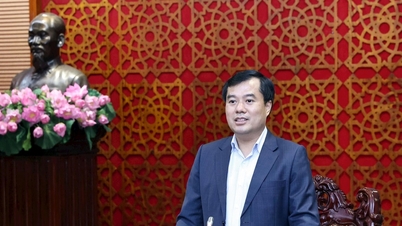
According to Deputy General Director of Vietnam Social Security Le Hung Son, Decree 178 on policies for cadres, civil servants, public employees, and armed forces personnel will inevitably include employees working in public service units who do not yet meet the conditions for retirement benefits. These employees will receive unemployment insurance benefits, including unemployment allowance and vocational training support.
According to Mr. Son, among the 100,000 people affected by the restructuring, there are both civil servants and public employees. However, only public employees are eligible to participate in and benefit from unemployment insurance. However, Vietnam Social Security currently lacks specific data to assess the impact on the Unemployment Insurance Fund.
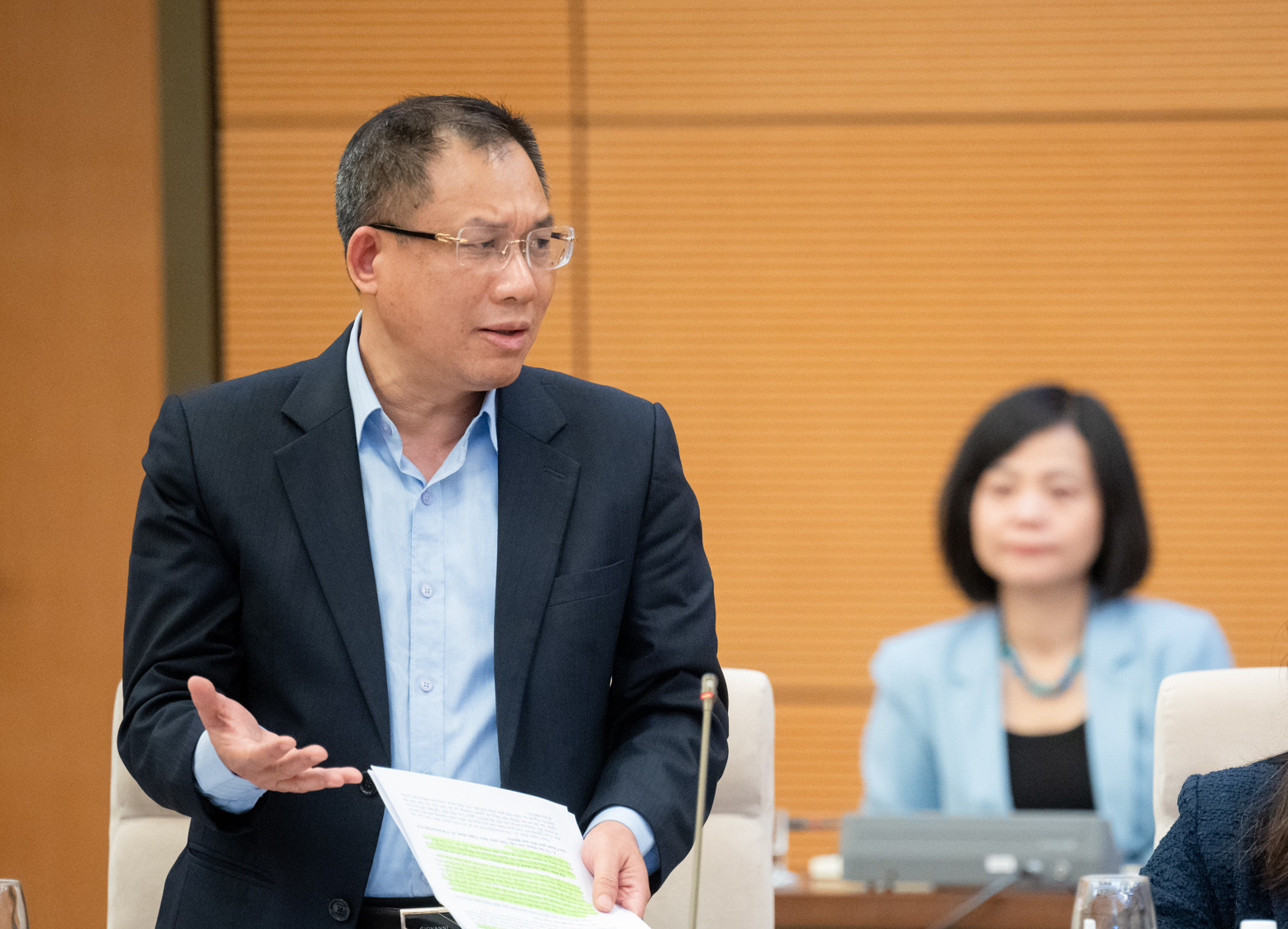
Regarding the settlement and payment of unemployment insurance, Mr. Son cited that in 2023, more than 1.049 million people received unemployment benefits, and Vietnam Social Security paid 99.3% of these people through their personal accounts.
The payment process is not dependent on administrative boundaries. Therefore, if the new model is implemented, even inter-district payments will not affect the payment of unemployment benefits to recipients.
Mr. Son affirmed that if any expenses arise for civil servants receiving unemployment benefits under Decree 178, the fund for payment will still be available. This is because the current surplus in the Unemployment Insurance Fund is approximately 63,000 billion VND, so the funds for disbursement are certainly secure.
Equal to 60% of the average salary.
According to the draft law, unemployment insurance is a mandatory type of insurance aimed at supporting workers to maintain employment, provide training, counseling, job placement services, and partially compensate workers for lost income, based on contributions to the Unemployment Insurance Fund.
The unemployment insurance fund is managed centrally, uniformly, openly, and transparently; it is used for its intended purpose; its safety and growth are ensured; and it is protected by the State.
Regarding the monthly unemployment benefit amount, the draft law stipulates that it will be 60% of the average monthly salary used for unemployment insurance contributions during the six most recent months prior to the termination of the employment contract or work agreement, but not exceeding five times the regional minimum wage announced by the Government applicable in the last month of unemployment insurance contributions.
The duration of unemployment benefits is calculated based on the number of months of unemployment insurance contributions. For every 12 to 36 months of contributions, you are entitled to 3 months of unemployment benefits. After that, for every additional 12 months of contributions, you are entitled to an additional month of unemployment benefits, but the maximum duration is 12 months. Unemployment insurance contributions exceeding 144 months are not eligible for retention.
Workers receiving unemployment benefits are entitled to health insurance coverage as stipulated by health insurance laws, including coverage for the period during which unemployment benefits are temporarily suspended.
Those receiving unemployment benefits have their health insurance premiums paid for by the social insurance agency from the Unemployment Insurance Fund.
The draft Law on Employment (amended) is expected to be submitted to the National Assembly for approval at the upcoming 9th session.
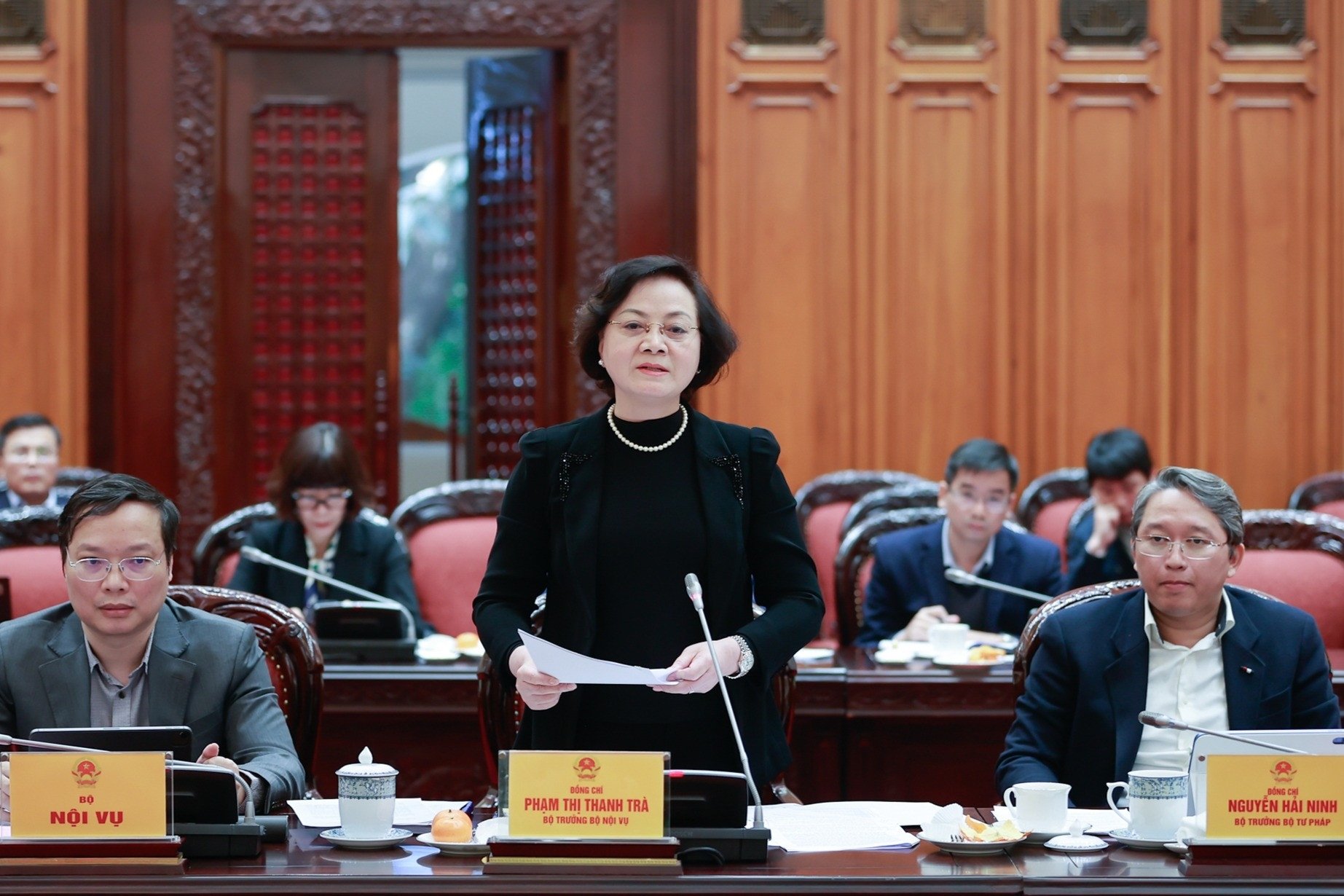
Ministries, departments, and localities should reduce the number of civil servants and public employees by at least 20% to streamline the administrative apparatus.
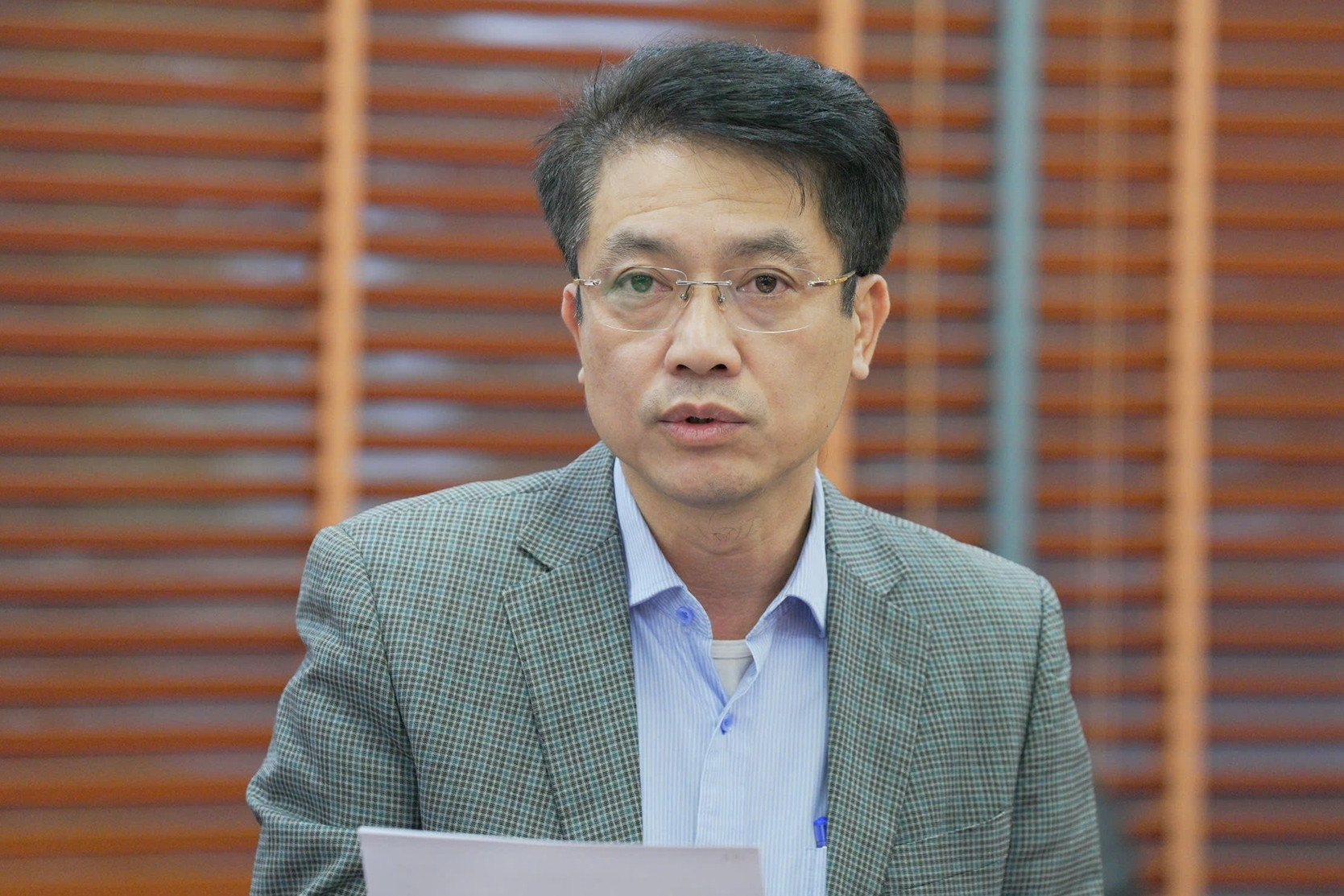
Eight main groups of policies and regulations for civil servants and public employees who leave their jobs when the administrative apparatus is streamlined.
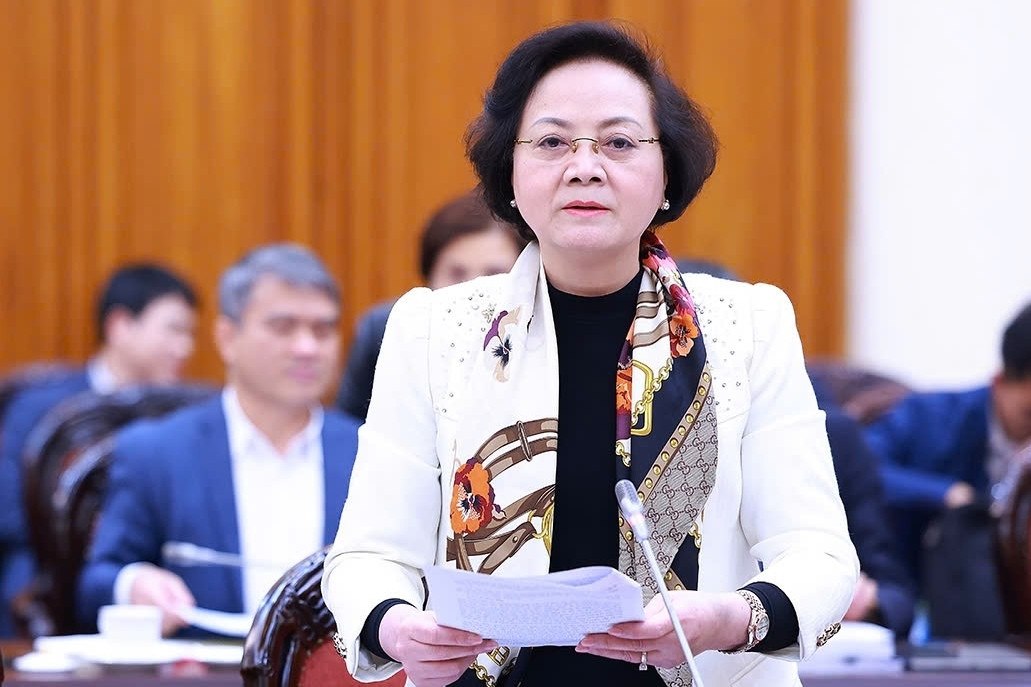
Ministry of Interior: 130 trillion VND needed to streamline staffing and reduce the size of the administrative apparatus.
Source: https://vietnamnet.vn/ket-du-63-000-ty-dong-du-chi-tro-cap-that-nghiep-cho-vien-chuc-nghi-viec-2360633.html








































































Comment (0)