

Legal education library
Early in the morning at the Dien Chau Commune Police Headquarters ( Nghe An Province), nearly 10 teenagers, most of them wearing school uniforms, sat in a room furnished with neat tables, chairs and bookshelves. When Major Hoang Thanh Hai, Chief of Dien Chau Commune Police, walked in, all the children seemed to fall silent, their eyes turned towards him, both scared and curious.
One by one, the students introduced themselves and listed their violations such as driving a motorbike underage, not wearing a helmet, weaving in and out of traffic, gathering to fight, etc. All of this was witnessed by their parents, who were both worried and helpless. Major Hai clearly analyzed each behavior, while emphasizing the responsibility of parents in managing and educating their children.
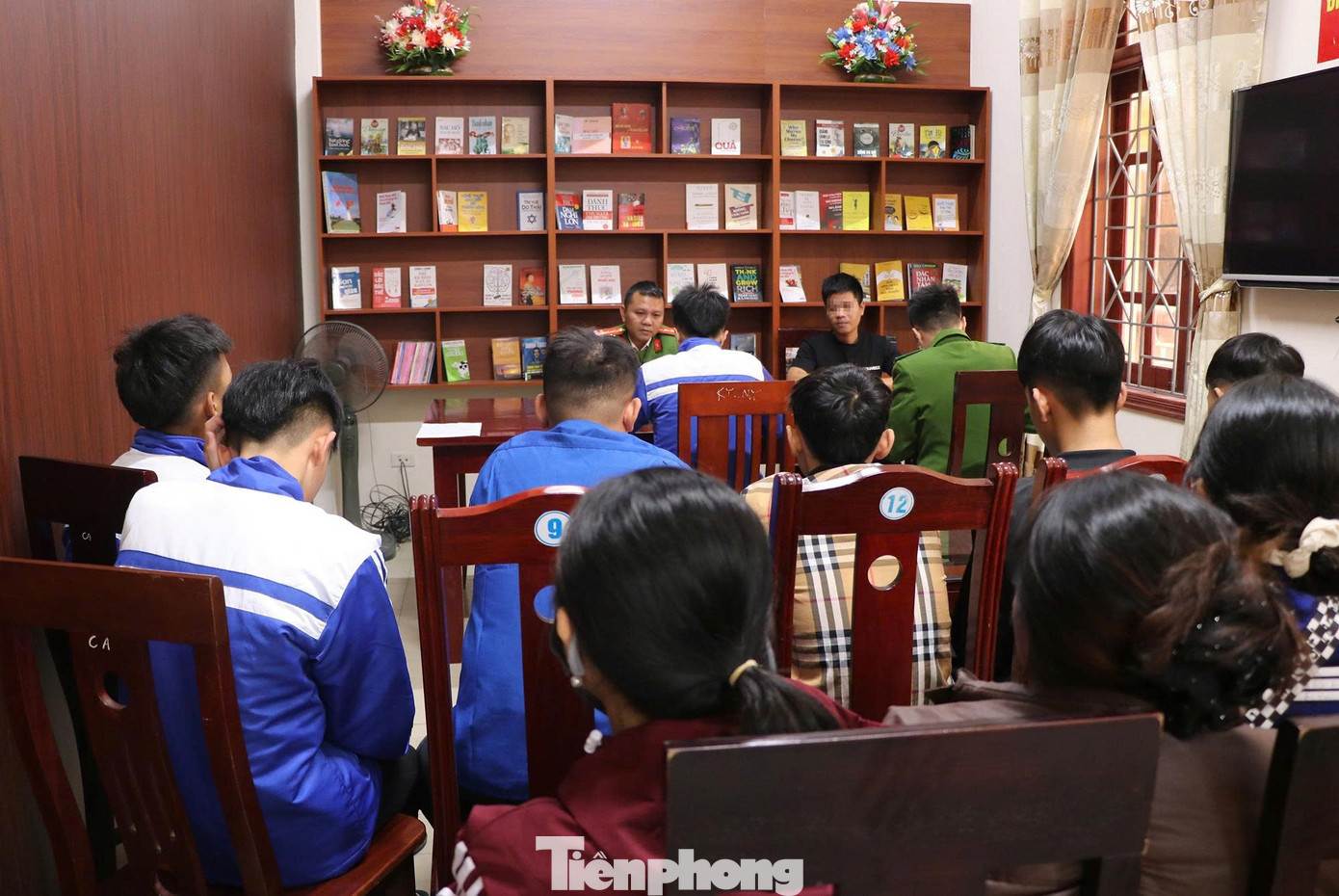
The work of preventing law violations against youth and students has been systematically implemented by Dien Chau Commune Police, under the close direction of the leaders of Nghe An Provincial Police and local authorities. In particular, the model of "Legal Education Book Room" has become a highlight, dedicated to the group of students under management. This is the first time that the group of teenagers has been invited to read books, write essays and be directly supervised by their parents. Every week, parents must spend a session reading books with their children, coordinating with the police to educate their children.
“Not only do students read books, they also have to write essays about what they have read and their thoughts. These essays will be photocopied and sent to the school for supervision. We don’t want students to just be afraid of the law. The important thing is that they understand, perceive and change their behavior,” Major Hai explained.
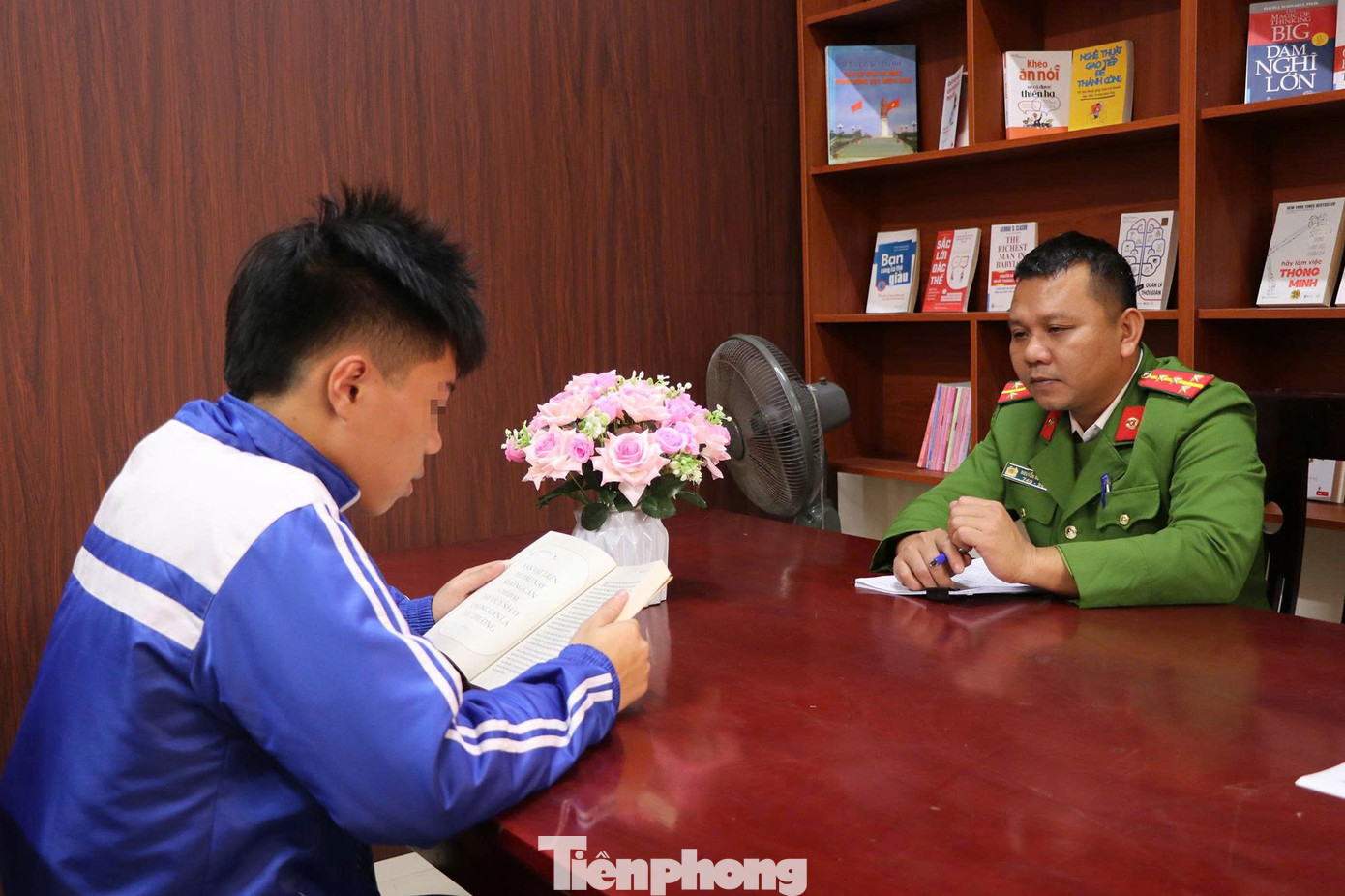
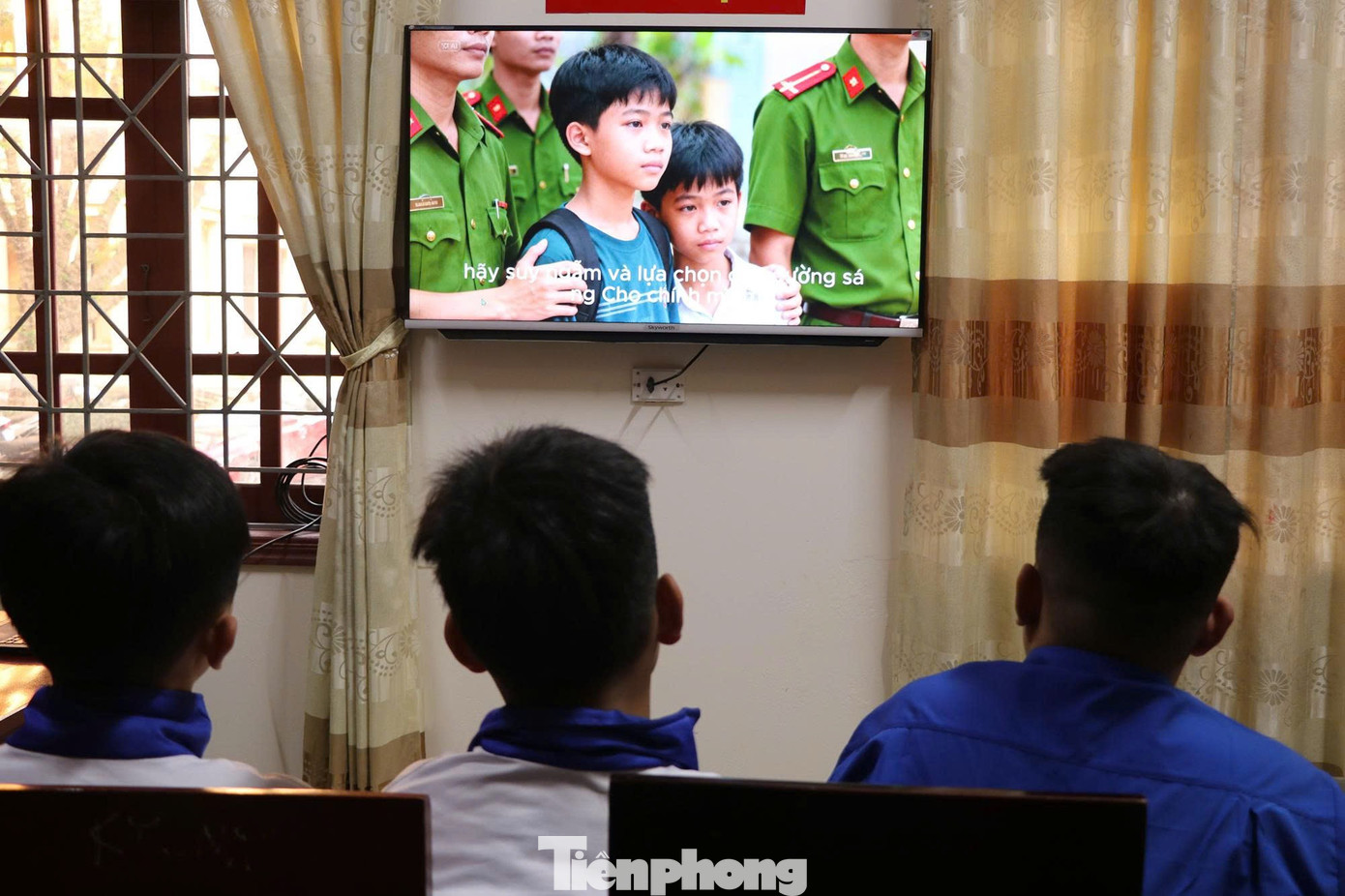
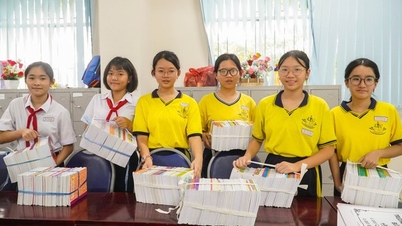
The reading room is equipped with a television and more than 200 books on law, traffic safety, life skills and school violence prevention, carefully selected and neatly arranged. Before reading, students are informed of the regulations, watch reports and clips on traffic accidents, school violence, illegal racing and propaganda messages collected and compiled by police officers .
Solve the root of the problem
Accompanying his son to Dien Chau Commune Police, Mr. HVH said that for many years, he had worked abroad and left the management of his son to his wife. When V. (Mr. H.'s son) entered high school, he and his wife bought an electric bicycle for him to go to school, but V. begged to buy a motorbike. After many reminders, V. still violated the law. When he heard that his son had pawned the motorbike, he panicked and returned, tightened the management, but the situation did not improve. This time, V. lent the motorbike to someone else to pawn.
He confided: “My child hangs out with friends, listens to my parents’ advice but doesn’t change. My child doesn’t listen to his parents but is afraid of the police. I’m sad, helpless, both love and anger but don’t know what to do. The police call him and his father, I feel embarrassed in front of the neighbors but for the sake of my child’s future, I have to accept it.” This man pledged to cooperate with the police to educate his child.
According to Major Hai, strengthening inspection, early detection and prevention of violations only solves the "tip" of the problem. The most important thing is to change students' awareness and consciousness about violations. Education and reform cannot be rushed but requires a long process, persistent synchronization between family, school and society. Reading books helps students to absorb each part, and over many weeks and months there will be changes.
The reading room model has received support from local leaders, school principals and parents. This space was formed right in the commune police headquarters, modern, neat, with many books selected to suit each group of students. However, Major Hai also admitted that classifying student groups and choosing appropriate book content is not simple. Not all parents accept the fact that their children are not well-behaved, leading to a lack of coordination.
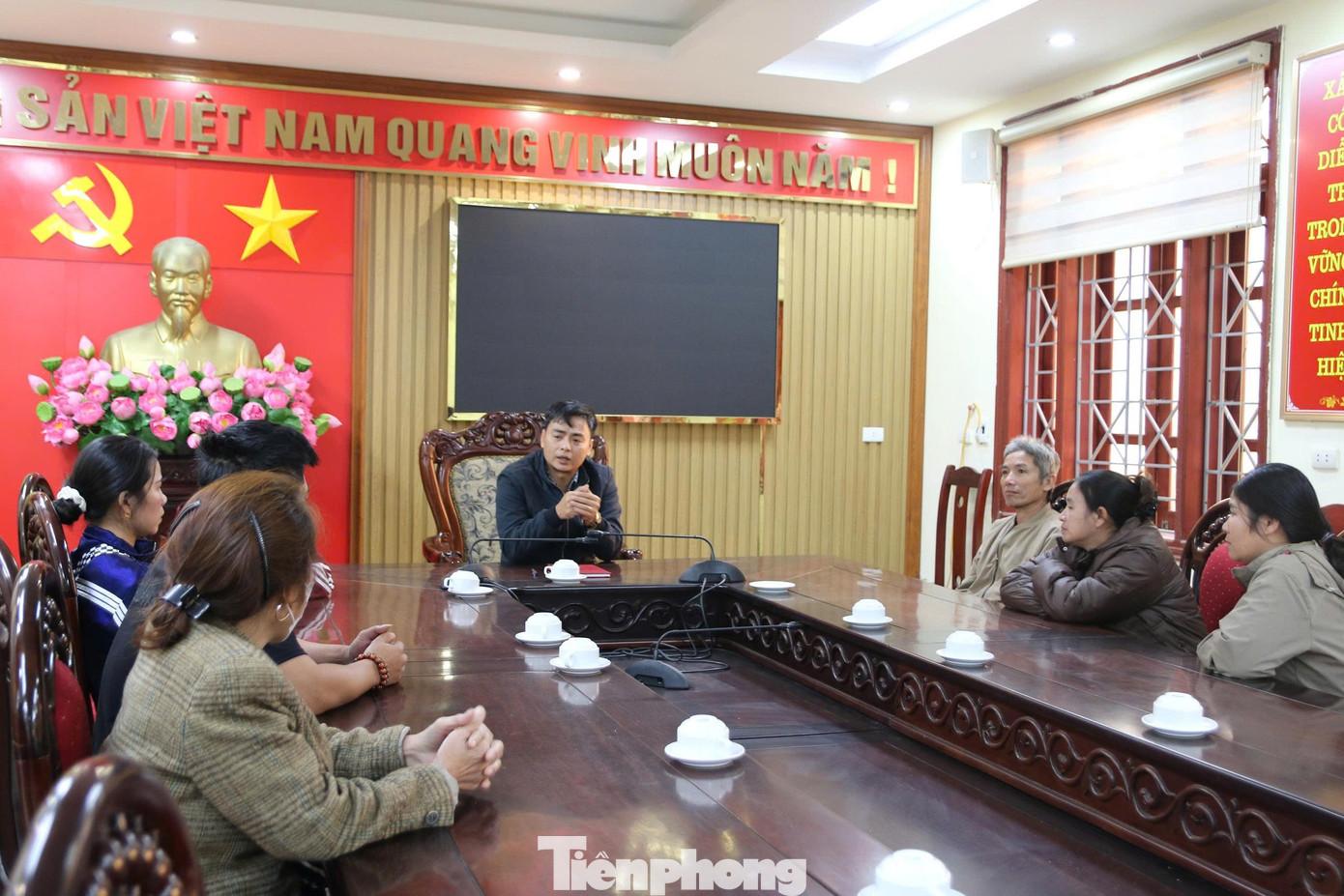
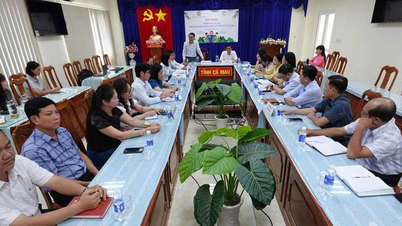
“In reality, some students are being “let loose” and are at high risk of breaking the law. Educating them cannot be left to teachers or parents, but must be done synchronously and in close coordination between the school, family and society, including the police force. When parents pay attention, the school pays attention, and the commune police pay attention, the education and rehabilitation work will be truly effective,” Major Hai emphasized.
When families, schools and police "join hands", many students who once showed signs of breaking the law have gradually changed, becoming teenagers who respect the law, control their behavior and live more responsibly, creating a foundation for healthy development, avoiding breaking the law in the future.
Source: https://tienphong.vn/khi-cha-me-nha-truong-va-cong-an-cung-bat-tay-cuu-hoc-sinh-hu-post1800964.tpo


![[Photo] Parade to celebrate the 50th anniversary of Laos' National Day](/_next/image?url=https%3A%2F%2Fvphoto.vietnam.vn%2Fthumb%2F1200x675%2Fvietnam%2Fresource%2FIMAGE%2F2025%2F12%2F02%2F1764691918289_ndo_br_0-jpg.webp&w=3840&q=75)

























![[Photo] Worshiping the Tuyet Son statue - a nearly 400-year-old treasure at Keo Pagoda](/_next/image?url=https%3A%2F%2Fvphoto.vietnam.vn%2Fthumb%2F1200x675%2Fvietnam%2Fresource%2FIMAGE%2F2025%2F12%2F02%2F1764679323086_ndo_br_tempimageomw0hi-4884-jpg.webp&w=3840&q=75)































































Comment (0)