

On May 19th, the Central Propaganda Department, in coordination with the Central Organization Department, the Central Theoretical Council, and the Ho Chi Minh National Political Academy, organized a national scientific conference on building revolutionary ethical standards for cadres and Party members in the new era.
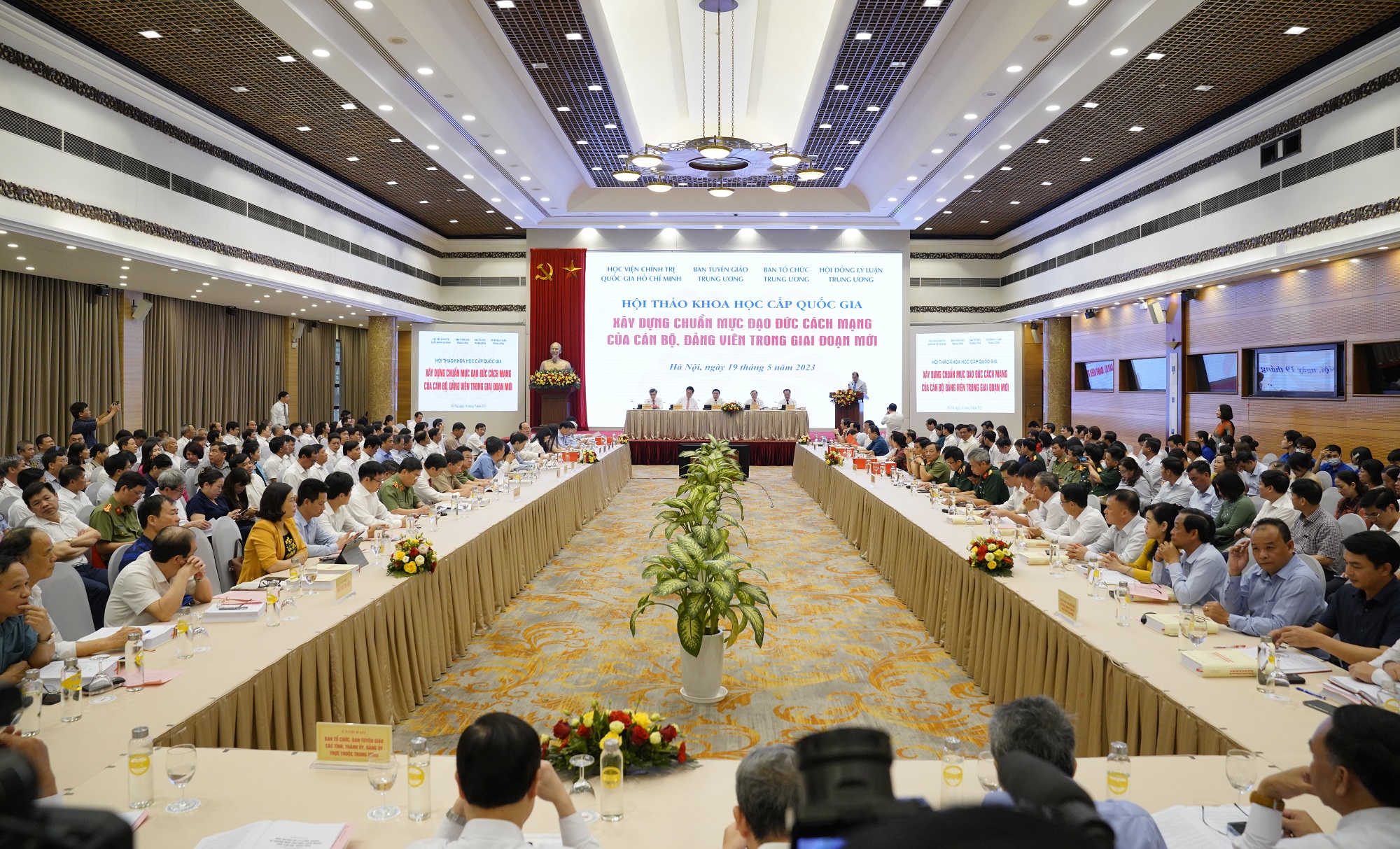
Overview of the national scientific conference on building revolutionary ethical standards for cadres and Party members in the new era.
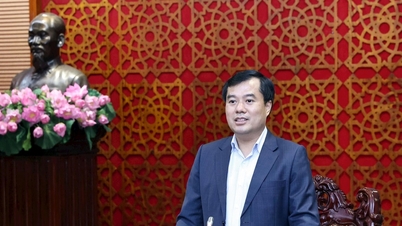
In his opening remarks, Professor Nguyen Xuan Thang, Member of the Politburo, Chairman of the Central Theoretical Council, and Director of the Ho Chi Minh National Academy of Politics, acknowledged that alongside exemplary figures of moral character and lifestyle, there remains a segment of cadres and Party members, including those at high levels, who have degenerated in terms of political ideology, morality, and lifestyle, exhibiting signs of "self-evolution" and "self-transformation," causing dissatisfaction, anxiety, and a decline in the people's trust in the Party, the State, and the regime.
Therefore, building the Party on moral foundations and cultivating revolutionary ethics among cadres and Party members is a very important issue, one of the ten tasks of Party building and rectification work, and one of the fundamental contents in Ho Chi Minh's thought.
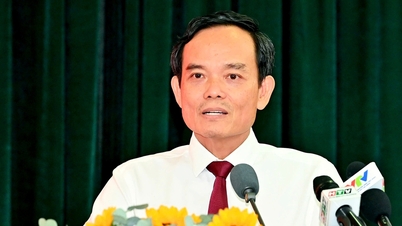
Presenting his paper at the conference, Deputy Secretary of the Ho Chi Minh City Party Committee Nguyen Ho Hai proposed several solutions to effectively implement public service ethics in Ho Chi Minh City in particular, and the whole country in general, in the coming time.
In particular, Mr. Hai proposed the early enactment of a Law on Public Service Ethics, stipulating core values of public service, standards for officials and Party members in various aspects; especially, it must stipulate specific and strict sanctions for heads of agencies and units who allow cover-ups or situations where officials and Party members violate public service ethics.
On the basis of the law on public ethics, each unit will concretize it into regulations and rules to stipulate in detail and specifically the ethical standards and behavioral standards of cadres and party members in their industry, field, locality, agency, and unit; focusing on the close relationship between legal norms and ethical norms; to the extent necessary, institutionalize ethical principles into legal norms.
Along with that, it is necessary to promote the role of Party committees, government agencies, the Fatherland Front, and political and social organizations in improving public service ethics for cadres, Party members, and civil servants; assigning tasks must clearly define authority so that heads can easily perform their duties and take responsibility, overcoming the mentality of hesitation, fear of making mistakes, and reluctance to implement...
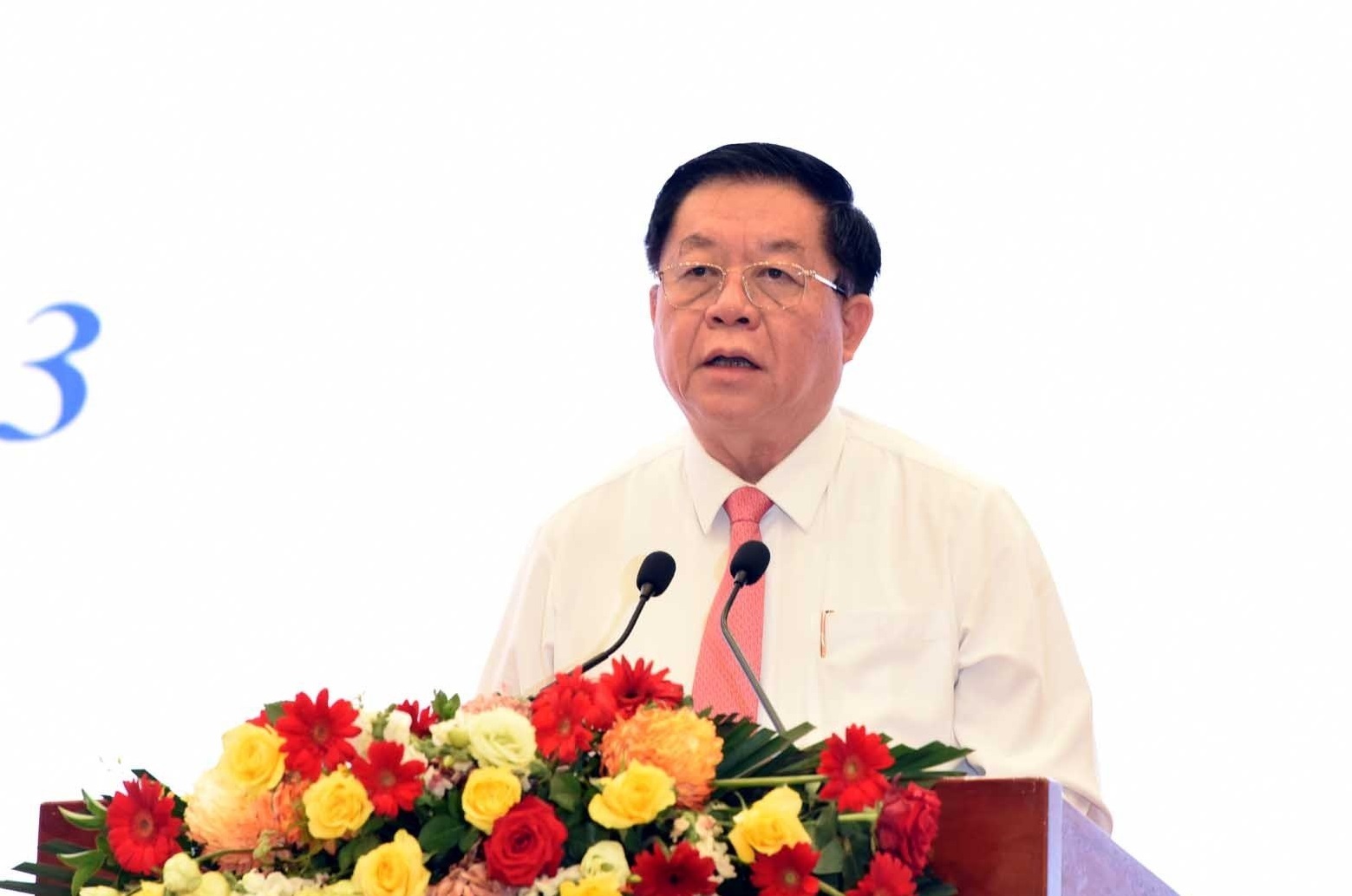
Nguyen Trong Nghia, Secretary of the Central Committee of the Party and Head of the Central Propaganda Department, delivered the concluding remarks at the workshop.
Concluding the workshop, Party Central Committee Secretary and Head of the Party Central Committee's Propaganda Department Nguyen Trong Nghia affirmed that building revolutionary ethical standards for cadres and party members in the new period is a correct and urgent policy to solve practical problems in the Party's leadership and governance activities.
This is also an important foundation for cadres and Party members to cultivate, strive, and train themselves; it is the basis for evaluating cadres and Party members in performing their duties, and at the same time, it is an essential requirement in protecting and developing the Party and the socialist social system.
The presentations at the workshop all agreed on the need to build revolutionary ethical standards for cadres and party members to unify awareness throughout the Party about revolutionary ethical standards for cadres and party members; to serve as a basis for cadres and party members to voluntarily cultivate, practice, and self-regulate their behavior; to contribute to building the Party in terms of ethics; to contribute to determining the standards and tasks of cadres and party members and what party members are not allowed to do; to provide a basis to contribute to innovating the work of inspection, supervision, and Party discipline...
The Central Propaganda Department will incorporate the contributions of delegates and scientists to standardize the revolutionary ethical standards for cadres and Party members, and submit them to the Politburo and the Secretariat for decision.
Source link


![[Photo] Prime Minister Pham Minh Chinh holds a phone call with the CEO of Russia's Rosatom Corporation.](/_next/image?url=https%3A%2F%2Fvphoto.vietnam.vn%2Fthumb%2F1200x675%2Fvietnam%2Fresource%2FIMAGE%2F2025%2F12%2F11%2F1765464552365_dsc-5295-jpg.webp&w=3840&q=75)

![[Photo] Closing Ceremony of the 10th Session of the 15th National Assembly](/_next/image?url=https%3A%2F%2Fvphoto.vietnam.vn%2Fthumb%2F1200x675%2Fvietnam%2Fresource%2FIMAGE%2F2025%2F12%2F11%2F1765448959967_image-1437-jpg.webp&w=3840&q=75)
































![[OFFICIAL] MISA GROUP ANNOUNCES ITS PIONEERING BRAND POSITIONING IN BUILDING AGENTIC AI FOR BUSINESSES, HOUSEHOLDS, AND THE GOVERNMENT](https://vphoto.vietnam.vn/thumb/402x226/vietnam/resource/IMAGE/2025/12/11/1765444754256_agentic-ai_postfb-scaled.png)







































Comment (0)