

Vietnam currently has more than 8 million people with disabilities. People with severe and severe disabilities receive monthly social benefits, health insurance cards, and support for education and study costs. The country has 165 social assistance facilities (104 public and 61 non-public) caring for about 25,000 people with disabilities and mental illness and managing about 80,000 people with disabilities and mental illness in the community.
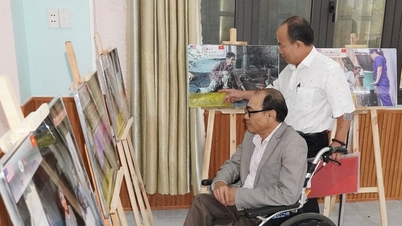
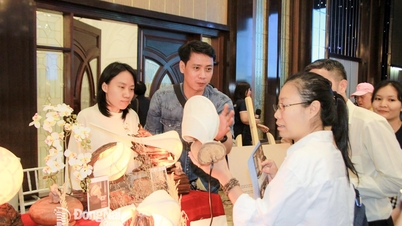
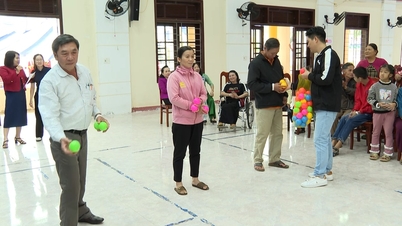
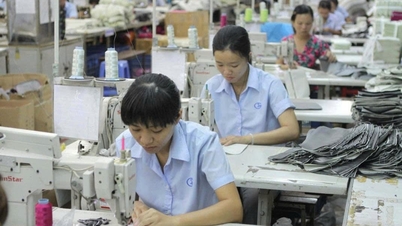
The number of 8 million people is not small. And it must be affirmed that these are disadvantaged fates, requiring special policies and priorities. However, in reality, PWDs still face difficulties in finding jobs, creating livelihoods, earning income, competing in the labor market; and have difficulty accessing cultural, entertainment, physical education and sports activities at the grassroots level.
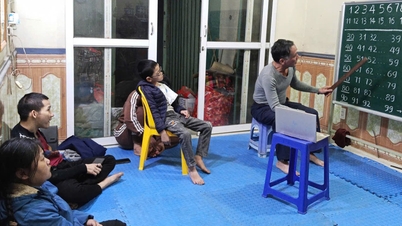
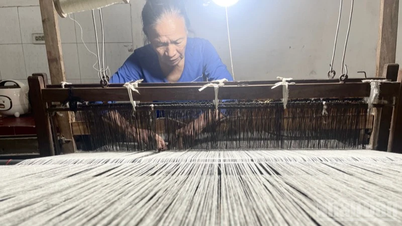
There is a lack of centers supporting the development of inclusive education and specialized schools for children with disabilities in terms of quantity and educational support services. It is not difficult to see in daily life that people with disabilities still have to work hard to earn a living with all kinds of jobs.
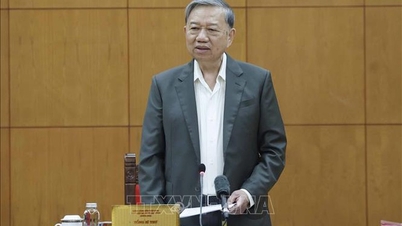
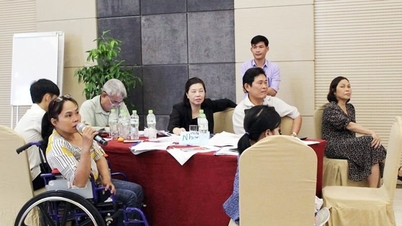
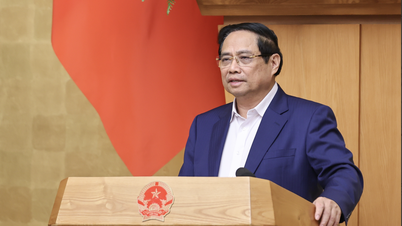
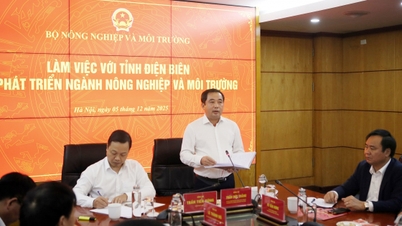
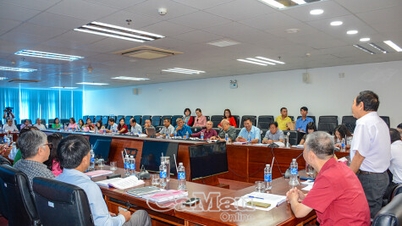
At the working session on the implementation of the Party and State's policies and guidelines for PWDs held on December 3, General Secretary To Lam also pointed out the above situation: Most PWDs still face many difficulties in daily life; many PWDs, especially women and children, still face the risk of violence, abandonment, and discrimination.
The General Secretary requested to clarify and perfect solutions to improve accessibility and rehabilitation for people with disabilities. Policy development for people with disabilities must shift from a medical and care approach to an inclusive social approach. That is, policies must aim to eliminate prejudice, reduce inequality, expand opportunities, and empower people with disabilities as development subjects, not passive objects of care.
In addition to medical support, rehabilitation, and health care, the State needs to focus strongly on inclusive education policies, appropriate vocational training, preferential mechanisms in recruitment, access to transport infrastructure, and public works for people with disabilities.
Social security policies must also ensure a minimum standard of living, support livelihoods and housing so that people with disabilities can integrate in a real way. There must be strong solutions so that all children with disabilities are detected early, go to school, study and integrate. There must be solutions to prevent and detect violence, abandonment and discrimination against people with disabilities.
According to the programs, plans, and projects being implemented by ministries, branches, and localities, the goal by 2030 is that all people with severe and especially severe disabilities will receive monthly social subsidies and free health insurance cards; about 90% of people with disabilities will have access to health services; 80% of children from newborns to 6 years old will be screened for early detection of congenital disabilities and developmental disorders for early intervention; all new construction projects will ensure accessibility for people with disabilities...
We hope that the goal does not stop at the above numbers, but must be higher; the spirit of respect, sharing, and accompanying people with disabilities must spread further; and everyone must deeply realize that caring for people with disabilities is not only a responsibility, a morality, a measure of a civilized, modern society, but also an imperative from every heart.
Source: https://baophapluat.vn/mo-rong-co-hoi-voi-nhung-so-phan-thiet-thoi.html


![[Photo] National Assembly Chairman Tran Thanh Man attends the VinFuture 2025 Award Ceremony](/_next/image?url=https%3A%2F%2Fvphoto.vietnam.vn%2Fthumb%2F1200x675%2Fvietnam%2Fresource%2FIMAGE%2F2025%2F12%2F05%2F1764951162416_2628509768338816493-6995-jpg.webp&w=3840&q=75)
![[Photo] 60th Anniversary of the Founding of the Vietnam Association of Photographic Artists](/_next/image?url=https%3A%2F%2Fvphoto.vietnam.vn%2Fthumb%2F1200x675%2Fvietnam%2Fresource%2FIMAGE%2F2025%2F12%2F05%2F1764935864512_a1-bnd-0841-9740-jpg.webp&w=3840&q=75)

















































































Comment (0)