

The Prime Minister demanded decisive action to address and resolve all difficulties and obstacles for renewable energy projects, while strictly prohibiting lobbying, corruption, and malpractice, and striving to complete them before January 31, 2025.
There is a very high level of consensus on the policy of removing obstacles.
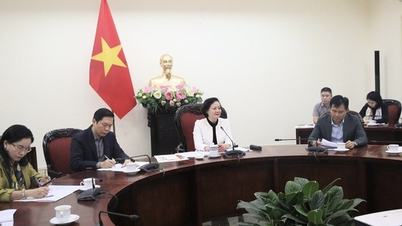
On the afternoon of December 12th, at the Government headquarters, Prime Minister Pham Minh Chinh chaired an online conference to announce and implement the Government's Resolution on the policies and directions for removing obstacles and difficulties for renewable energy projects.
At the conference, reports and opinions indicated that the implementation of the renewable energy development policy is a new solution, without precedent, lacking experience, and with an incomplete legal system, leading to some violations during implementation, which have been specifically concluded by the Government Inspectorate .
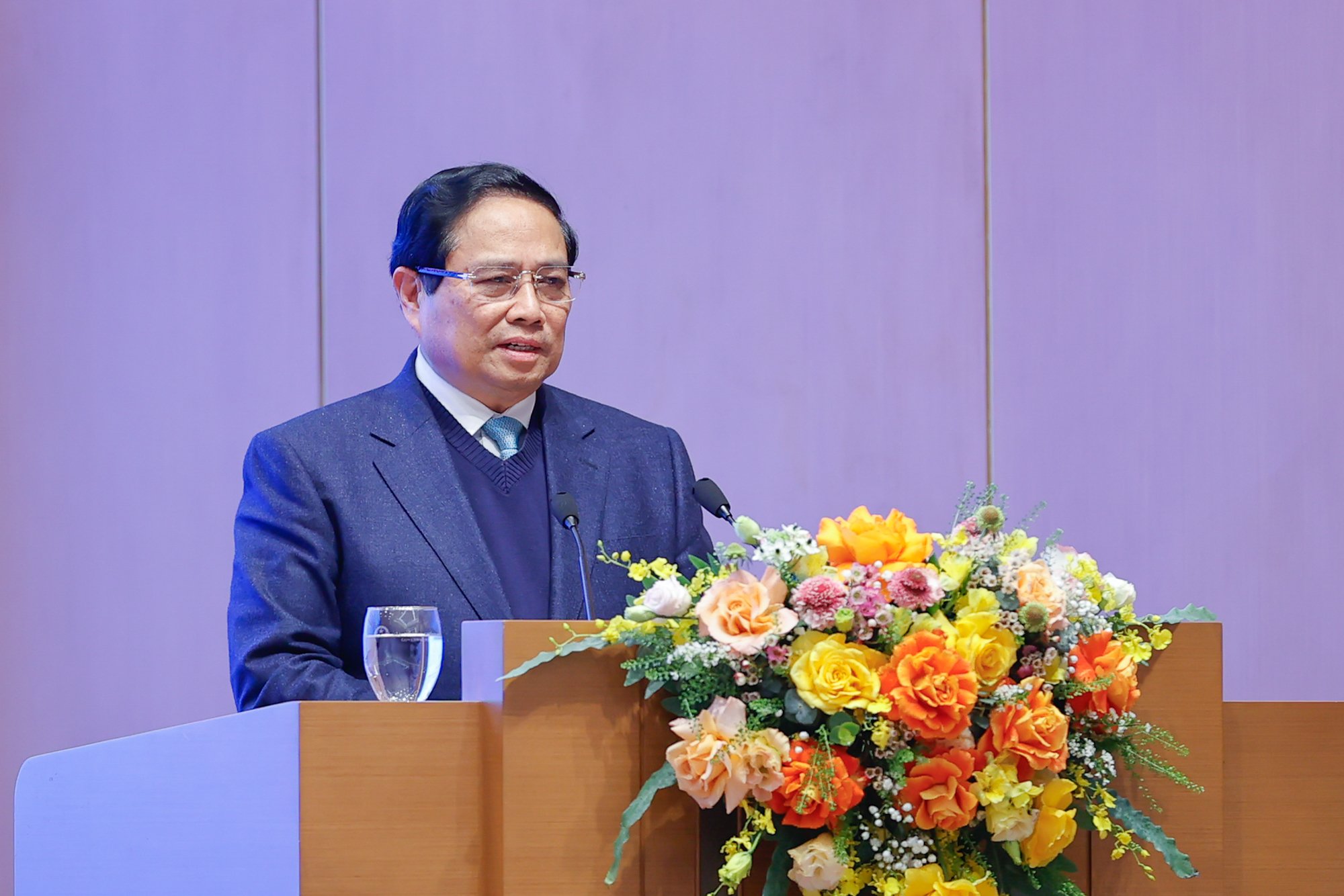
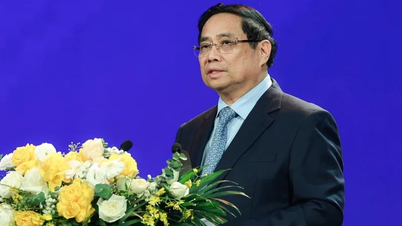
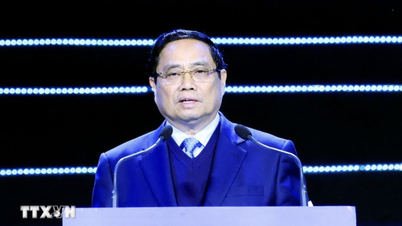
Prime Minister Pham Minh Chinh delivered a speech at the conference.
Under the decisive direction of the Government leaders, the Ministry of Industry and Trade and other ministries and agencies have actively developed plans to overcome difficulties and obstacles.
According to reports and opinions expressed at the conference, by the end of 2023, the total capacity of renewable energy sources (wind power, solar power) in the power system will be 21,664 MW, accounting for approximately 27%.
The cumulative annual electricity output from power sources (wind, ground-mounted solar, rooftop solar) is approximately 27,317 million kWh, accounting for nearly 13% of the electricity system.
These results contribute to the implementation of the orientation in the Power Development Plan VIII, Vietnam's commitment at COP26 to achieve net emissions of "zero" by 2050 and ensure energy security.
Specifically, opinions were sought from 8 ministries and agencies, 27 provinces and centrally-administered cities; opinions were sought from members of the Steering Committee for resolving difficulties and obstacles for projects; 3 meetings and 1 conference were organized in Khanh Hoa; and opinions were sought from members of the Party Committee of the Government.
As a result, ministries, agencies, and localities have reached a high level of consensus on the policies, viewpoints, objectives, and solutions to overcome difficulties and obstacles for the aforementioned renewable energy projects.
Delegates attending the conference highly appreciated the government's determination and efforts to overcome difficulties and obstacles for renewable energy projects.
Complete the process before January 31, 2025.
In his concluding remarks, Prime Minister Pham Minh Chinh outlined several general viewpoints and principles for resolving obstacles in projects in general, especially for those acting in good faith, thereby avoiding wasting social resources and maintaining the confidence of domestic and foreign investors.
As for specific projects, local authorities will proactively work with businesses to resolve them within their jurisdiction; if the issues exceed their authority, they will report to the competent authority.
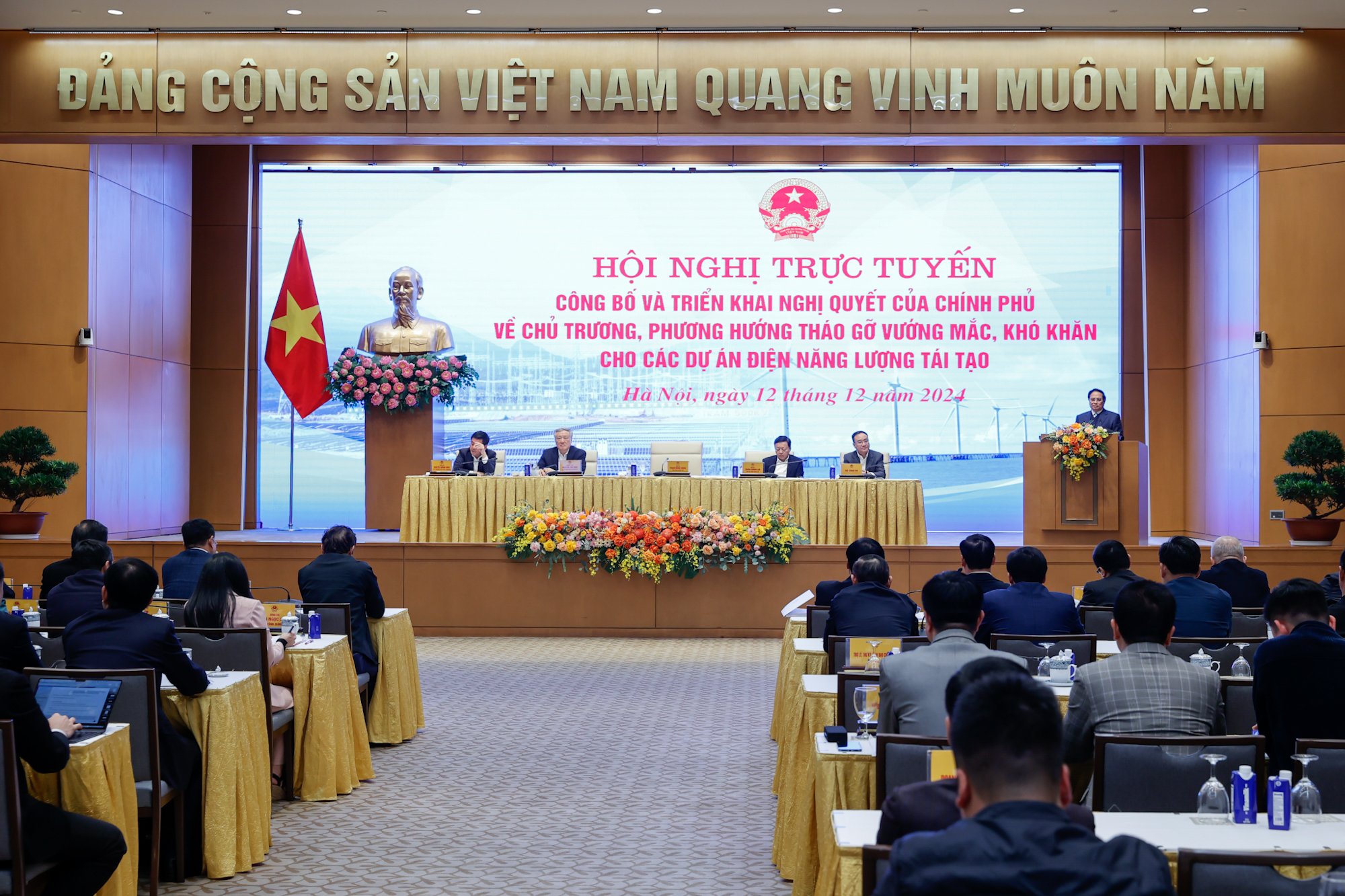
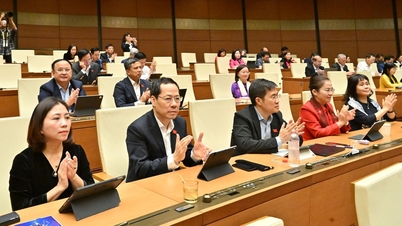
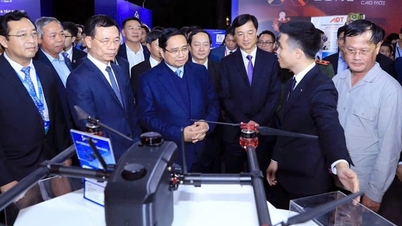
Overview of the conference.
The violations need to be thoroughly investigated, and specific responsibilities must be assigned to the individuals involved. While violations should not be legitimized, solutions, mechanisms, and policies must be in place to address them.
The Prime Minister emphasized that immediately removing obstacles to the implementation and commissioning of renewable energy projects is an objective and urgent requirement.
Renewable energy projects, if not properly addressed and put into operation, will result in wasted invested capital; wasted electricity resources; and failure to supplement electricity supply when we urgently need it, especially during the 2026-2030 period.
Removing obstacles and difficulties for these projects will be a crucial foundation for increasing electricity supply to serve socio-economic development goals in 2025 and beyond. The solutions to overcome these obstacles have received strong consensus from ministries, sectors, and local authorities, and have been approved by the Government. Therefore, they need to be implemented immediately, urgently, synchronously, and effectively.
"The government's message is to resolutely address and resolve difficulties and obstacles, quickly implement and maximize the effectiveness of investment projects, contributing to promoting socio-economic development, with GDP growth in 2025 reaching at least 8%," the Prime Minister stated.
From a policy perspective, the Government is determined to resolve obstacles with the aim of selecting the optimal solution based on analysis, assessment, and comparison of socio-economic benefits, while minimizing disputes, complaints, and impacts on the investment environment; ensuring national security and order, national energy security, and harmonizing the interests of the state, investors, businesses, and the people.
Criminal prosecution is a last resort to facilitate the resolution of project obstacles through economic solutions; if current laws change, but do not cause negative consequences or involve acts of corruption, then criminal prosecution will not be considered.
Resolving difficulties and obstacles for projects is considered legal when approved by the competent authority. Protecting the legitimate rights and interests of bona fide third parties in accordance with the law.
We must avoid creating new violations, preventing corruption, negative consequences, and adverse effects during the handling process, especially preventing mistakes from compounding existing ones.
Regarding solutions, it was agreed to handle the matter uniformly, allowing for the addition of planning elements for implementation in cases where the project does not contain content that violates regulations related to national security and defense, or the planning of key national projects.
For projects with violations of procedures related to land and construction, completion is permitted in accordance with the law.
For projects that violate planning regulations regarding minerals, irrigation, national defense, etc., an assessment of the socio-economic effectiveness between the implementation of the plan and the project should be conducted to adjust overlapping plans accordingly, or to integrate and implement both the renewable energy project and the related plan simultaneously.
For projects currently benefiting from FIT rates that have violated regulations as concluded by competent authorities due to the enterprise's fault and do not fully meet the conditions for enjoying FIT rates, they will not be entitled to preferential FIT rates and the electricity purchase and sale price must be recalculated according to regulations; any improperly received preferential FIT rates will be recovered through offsetting payments for electricity purchases.
The Prime Minister stated that each level of authority must resolve the issue publicly and transparently according to the solutions proposed by the Government; striving to resolve it completely before January 31, 2025.
Bribery, corruption, and misconduct are strictly prohibited.
Regarding the implementation of the Resolution, the Prime Minister requested that ministries, sectors, and localities thoroughly understand the spirit of responsibility, remove difficulties, and immediately resolve obstacles within their authority for projects, based on the principle that obstacles at each level must be handled and resolved by that level, without passing the buck to higher levels or handling them in a roundabout way.
For projects that have been subject to legal proceedings, the handling and rectification of violations shall only be carried out after a legally binding judgment has been issued. The resolution of obstacles must be public and transparent; the handling of obstacles for the purpose of corruption or vested interests is strictly prohibited.
"Removing obstacles and difficulties for renewable energy projects must be public, transparent, and free from harassment, inconvenience, or intimidation."
"The government has issued a policy to remove obstacles, and localities must work together with businesses to resolve difficulties and obstacles; no one needs to resort to bribery or corruption. Bribery, corruption, and negative practices are strictly prohibited, as they lead to further legal action, loss of personnel, resources, time, trust, and opportunities. Anyone found engaging in bribery will be severely punished by the relevant authorities," the Prime Minister emphasized.
Source: https://www.baogiaothong.vn/thu-tuong-nghiem-cam-tieu-cuc-tham-nhung-trong-xu-ly-vuong-mac-cac-du-an-dien-tai-tao-192241212191924243.htm















































































Comment (0)