

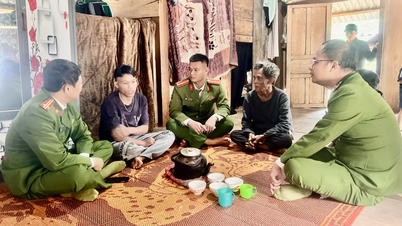
This is the story of two boys who, despite still having their mother, became "orphans" in Krông Bông district. Their father died in a traffic accident when the younger brother was still in his mother's womb. When the younger brother was 4 years old and the older brother was 6, their mother, due to extreme hardship, abandoned them to their elderly grandparents. From then on, the lives of the two brothers became even more miserable, and their future looked bleak.
Out of compassion for their elderly parents, whose already difficult lives were now becoming even more challenging, their uncle in Buon Don district took the two brothers into his home to raise them, even though his family was also classified as poor and lived in a makeshift house built on someone else's land. Despite this, their uncle still tried his best to raise them and send them to school, hoping they would have a brighter future.
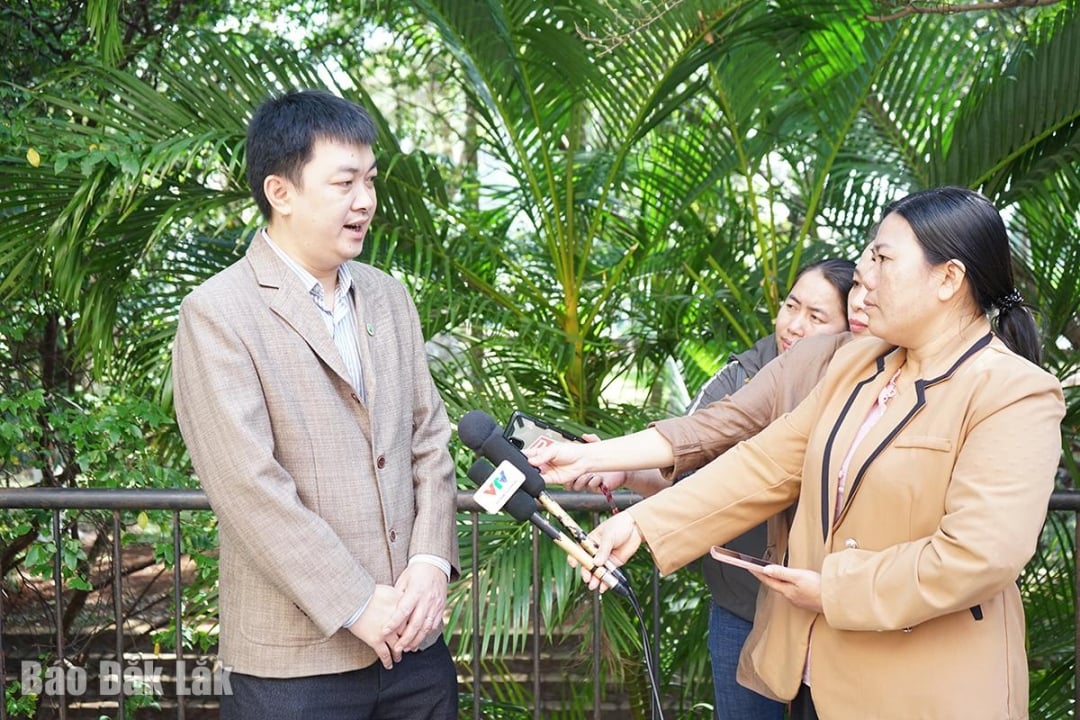 |
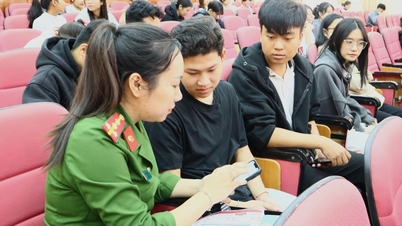
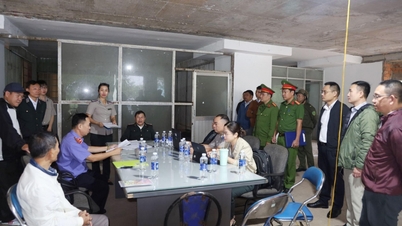
| Journalists working at an event taking place in Buon Ma Thuot city. |
This also includes the plight of Mrs. B. (Hoa Phu commune, Buon Ma Thuot city), who is homeless and being cared for by an organization until the end of her life. Mrs. B. herself is blind from birth; she doesn't know her age, nor when she left her hometown in Ha Tinh to come to Dak Lak. She only remembers that when she was healthy, she used to swing hammocks for families with young children in exchange for meals. In her old age, when she no longer had the strength to work, she relied solely on the kindness of her neighbors, sometimes a little rice, fish sauce, salt, or other food, or gifts from charitable organizations...
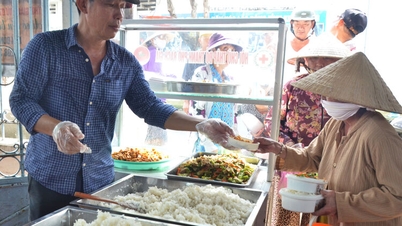
For example, during a meeting and conversation with a woman jokingly called the "village crier," I truly felt the kindness and compassion of Mrs. L. (Buon Ho town). Every day, after earning a living by selling noodles, she diligently sought out those in unfortunate circumstances to share food and clothing; she even personally cleaned houses, washed blankets and clothes, and bathed the paralyzed, the elderly, and children. Not only that, she also went to leprosy villages to cook delicious meals, personally cleaned wounds, and applied medicine to the patients there...
I will always remember the encounters with these characters, their stories, and the full range of emotions they shared. There was a young schoolgirl battling cancer, enduring persistent pain but still striving to excel in her studies; and the image of war veterans returning from the war to defend their country, burdened by the lingering pain of their wounds or the lasting effects of Agent Orange that their children and grandchildren are bearing...
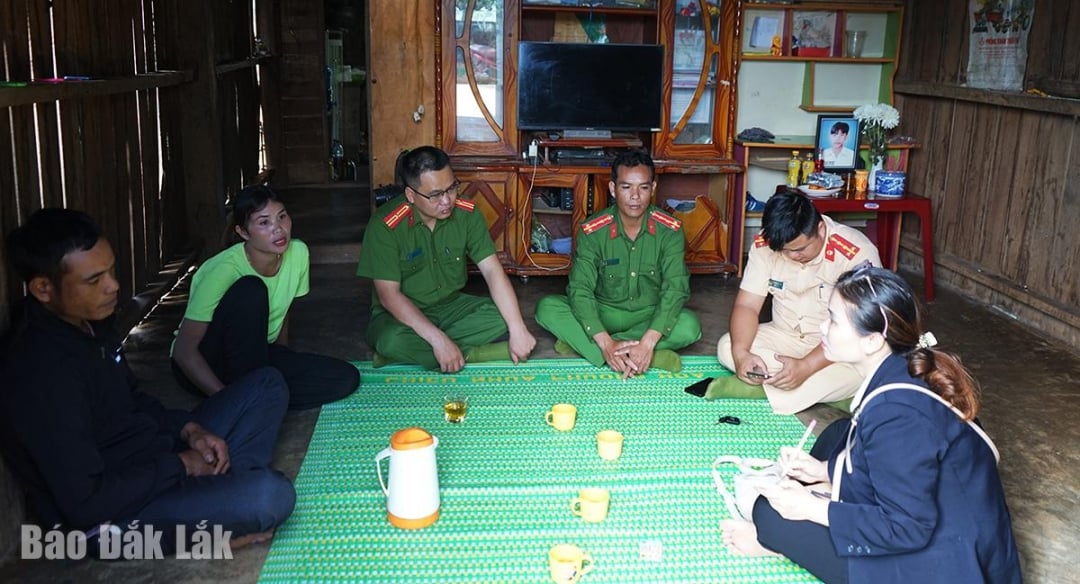 |
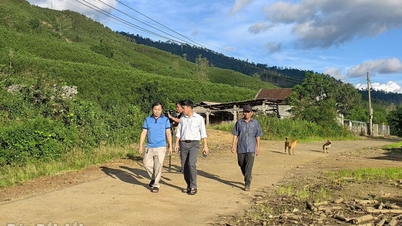
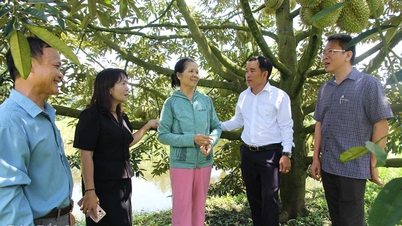
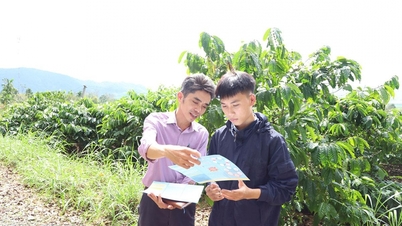
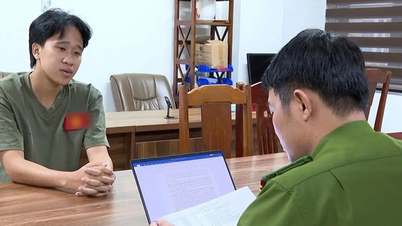
| Reporter of Dak Lak Newspaper (right cover) on a field trip to collect materials for writing an article. |
For me, the journeys and life stories of the characters I met were not just journalistic works, but invaluable lessons for understanding people better and appreciating true values in life. When a truthful, emotionally resonant article touches the reader's heart, that's when the journeys and encounters truly take on profound meaning. Readers aren't just reading information; they're reading a piece of life, a slice of society, and sometimes they find themselves within it, finding empathy and inspiration.
To produce an authentic and engaging news article, a journalist must be a dedicated individual. A journalist's journey is not just about gathering information and writing; it's about recounting life stories with empathy and understanding.
Source: https://baodaklak.vn/xa-hoi/202506/nha-bao-nguoi-ke-nhung-cau-chuyen-doi-b3f13f0/


















![[Video] The craft of making Dong Ho folk paintings has been inscribed by UNESCO on the List of Crafts in Need of Urgent Safeguarding.](https://vphoto.vietnam.vn/thumb/402x226/vietnam/resource/IMAGE/2025/12/10/1765350246533_tranh-dong-ho-734-jpg.webp)















































Comment (0)