

The Minister of Agriculture said that soaring prices were having a severe impact amid record-breaking heatwaves, a surge in demand, and rice distribution problems.
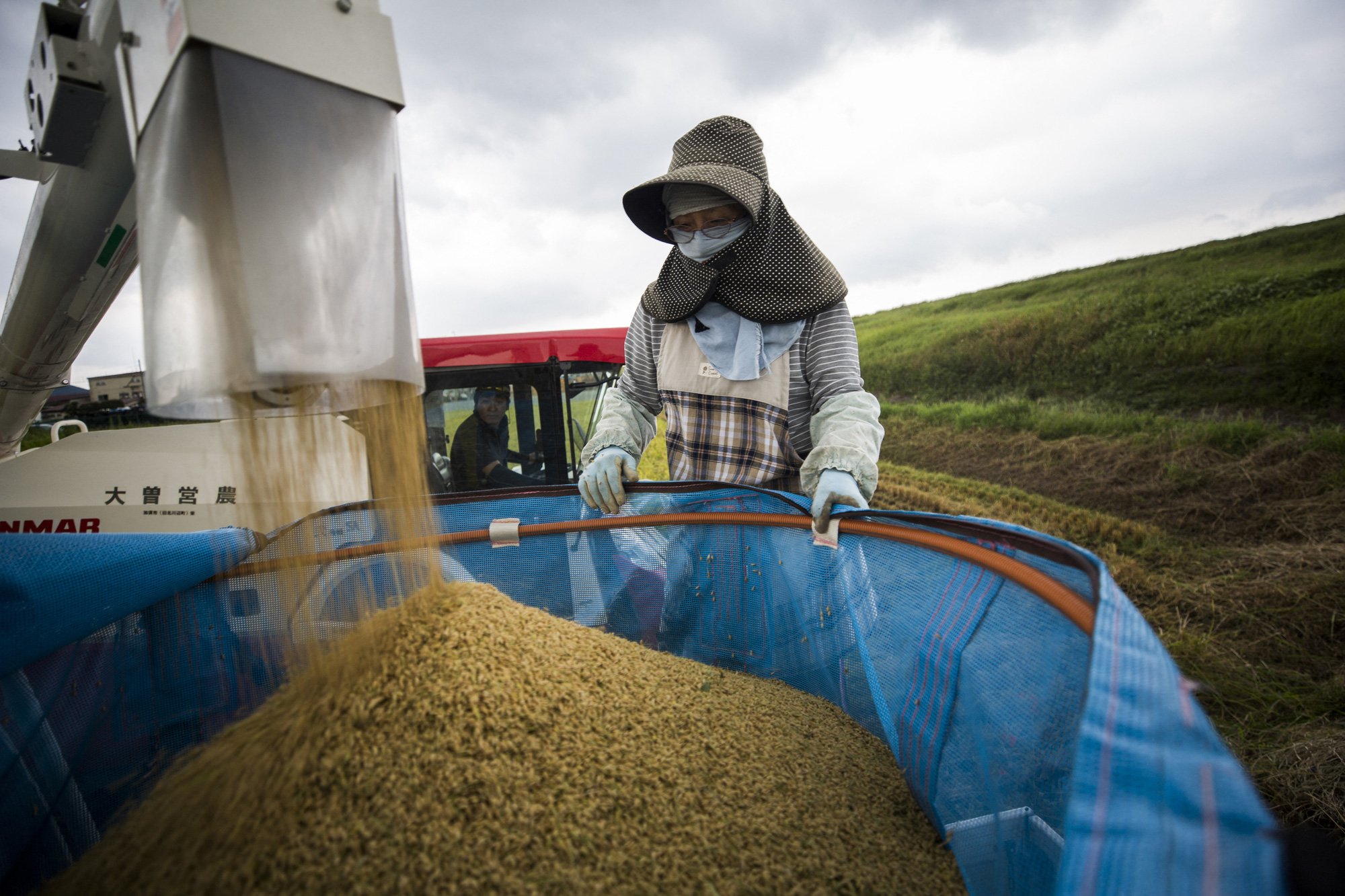
Rice prices in Japan have risen sharply in recent months due to supply chain issues - Photo: AFP
On February 14th, the Japanese government announced it would release one-fifth of its emergency rice reserves to control rising rice prices.
According to Agriculture Minister Taku Eto, Japan will release 210,000 tons of rice. Eto said the government doesn't usually intervene in the market, but the recent price increase "has significantly impacted people's lives."
"I hope people will see this as our strong determination to improve the stalled distribution situation at all costs," AFP quoted Eto as saying.
Rice prices in Japan have risen 50% in the past few months and nearly doubled in just over a year. The retail price of a 5kg bag of rice is now around 3,688 yen (US$24), up from 2,023 yen last year.
Japan has previously opened its rice reserves to cope with natural disasters, but this is the first time the country has had to do so due to supply chain issues.
In August 2024, people bought up all the rice in supermarkets due to a series of storms and rumors of an impending major earthquake.
Initially, the government hoped prices would stabilize by the end of last year when newly harvested rice was brought to market, but inflation did not subside because some distributors were stockpiling for fear of running out of supply.
The price of rice has begun to change the consumption habits of some people, like Eriko Kato, a resident of Tokyo.
"I still buy rice occasionally, but because it's so expensive now, sometimes I don't buy it when I see the price," Kato recounted, adding that she often has to switch to eating noodles instead of rice.
Masayuki Ogawa, an associate professor at Utsunomiya University, believes a number of factors have contributed to the current crisis.
These included a tourism boom and a rice shortage caused by the extreme heatwave of 2023. The crisis was exacerbated by distributors allegedly hoarding for speculative purposes.
He predicted that prices might stop rising if these distributors were forced to release their stockpiled rice.
Japan currently has nearly 1 million tons of rice in reserve, stored at approximately 300 facilities across the country. Each year, the country purchases around 200,000 tons of rice for storage and resells it after 5 years, primarily for animal feed.
Source: https://tuoitre.vn/nhat-ban-xa-kho-200-000-tan-gao-de-ngan-gia-gao-tang-2025021417052703.htm


















































































Comment (0)