


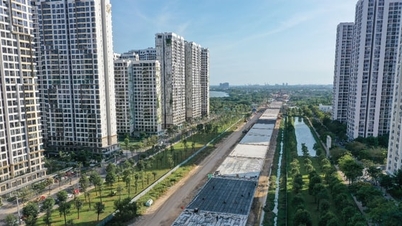
Two urban railway projects, inner-city transport infrastructure, and expressways built over the past decade have significantly transformed Hanoi's appearance, bringing it on par with the capitals of other Southeast Asian countries.
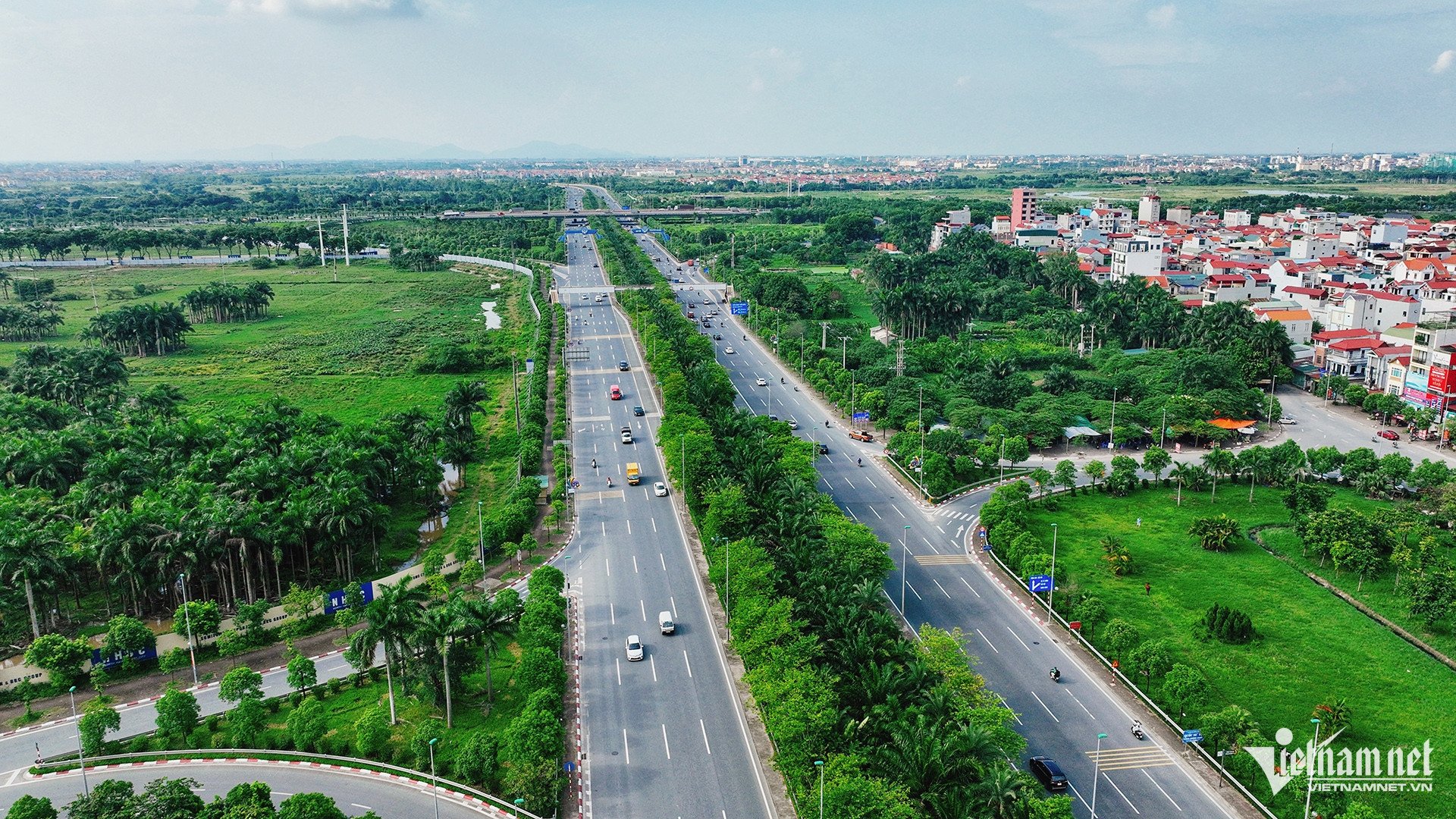
Vo Nguyen Giap Road connects Noi Bai International Airport with the center of Hanoi. Spanning 12km and 70-100m wide, it passes through Dong Anh and Soc Son districts. The project had a total investment of 6,742 billion VND and was inaugurated in early 2015.
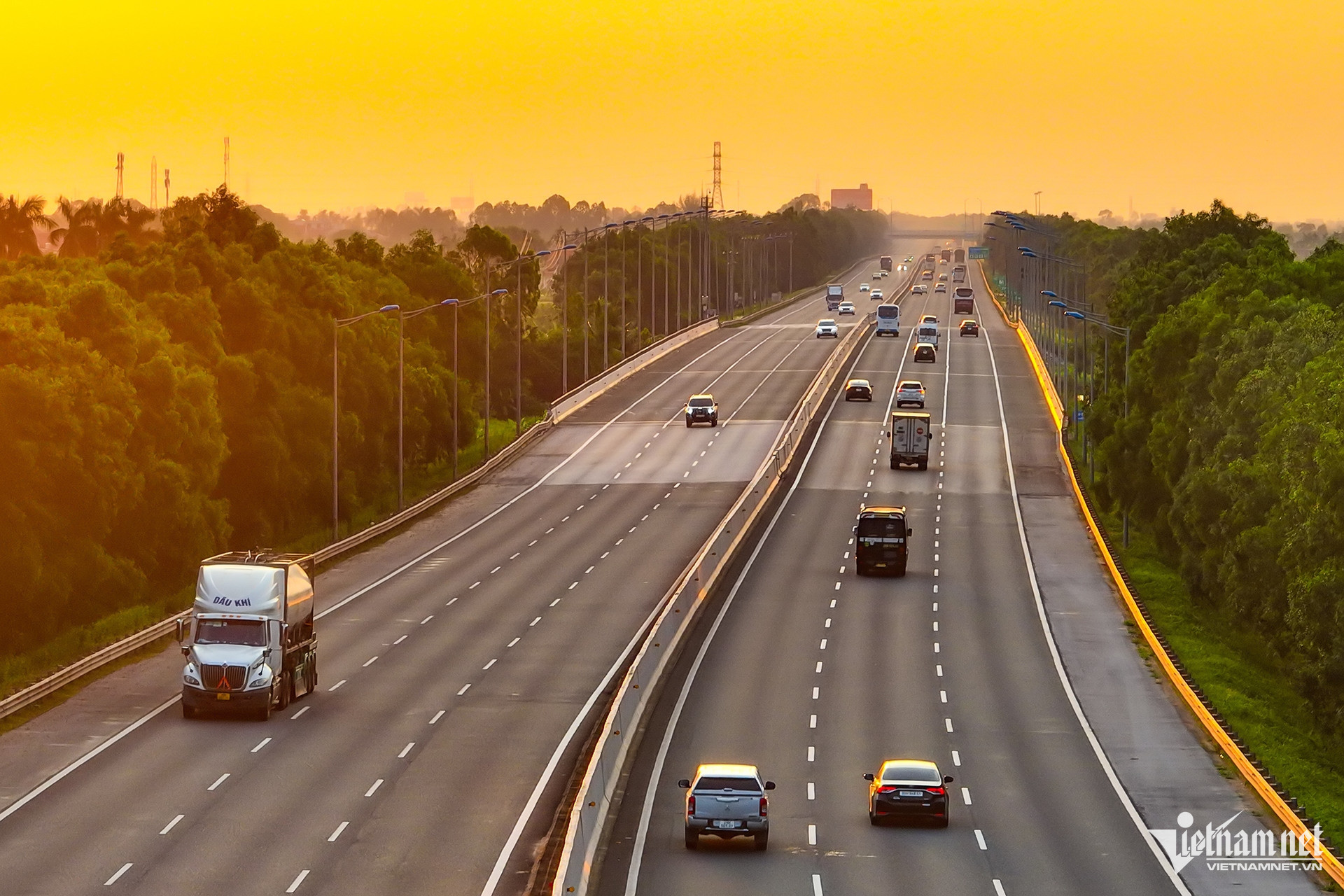
The Hanoi- Hai Phong Expressway, 105km long, commenced in 2008 and inaugurated in December 2015, is considered one of the high-quality projects. The project begins at the intersection with Ring Road 3 (1km from Thanh Tri Bridge) in Thach Ban Ward (Long Bien District, Hanoi); the end point is at Dinh Vu Port (Hai Phong); the total investment was 45,487 billion VND (over 2 billion USD).
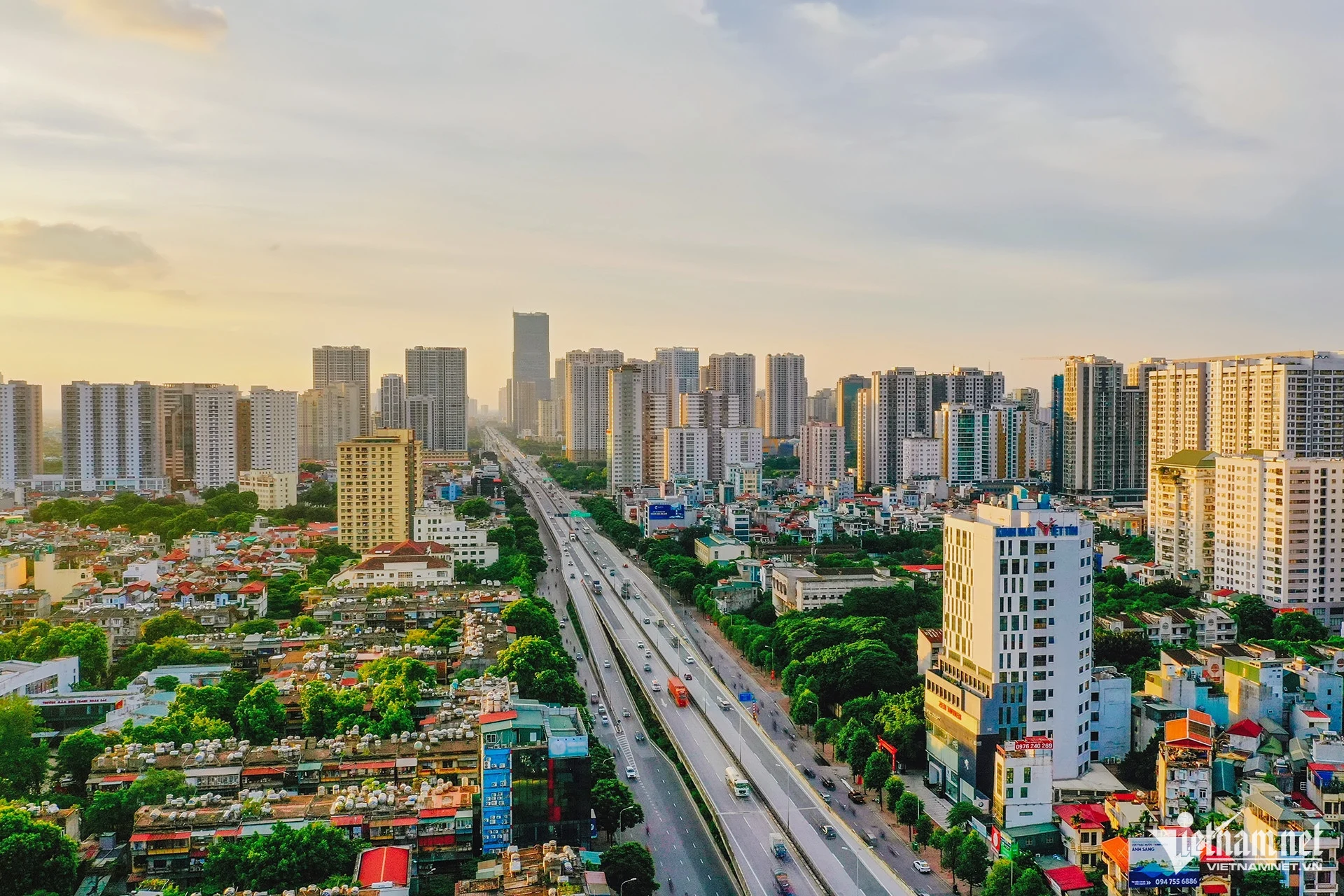
The elevated section of Ring Road 3, starting at Mai Dich and ending north of Linh Dam Lake, commenced construction in June 2010. The 8.9km route includes 385m of access roads and an 8.5km elevated main bridge; the design speed is 100km/h; the route has 4 high-speed lanes and 2 emergency stopping lanes. The total investment was over 5,500 billion VND. Construction continued on the section from Mai Dich to Nam Thang Long with a total investment of 5,343 billion VND, and after more than two years of construction, it was opened to traffic in October 2020. 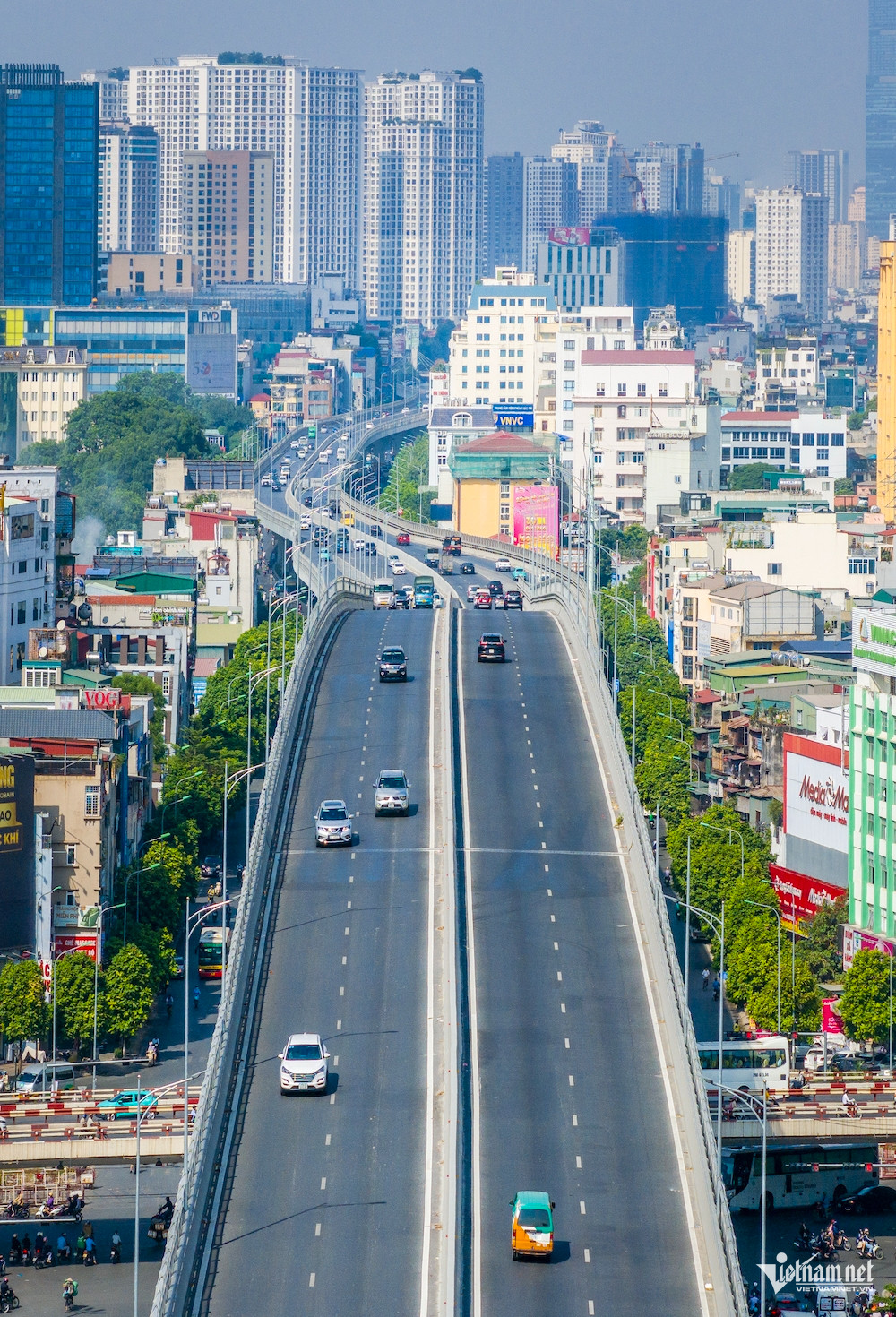 The Ring Road 2 section from Vinh Tuy Bridge to Nga Tu So intersection began construction in April 2018, with a total cost of approximately 9,400 billion VND. This is also the first elevated road project in Hanoi to use reinforced concrete bridge construction technology on mobile scaffolding, pouring beams directly and eliminating the need to transport concrete beams by heavy vehicles to the construction site. The project includes: the main bridge (19m wide), approach bridges (7m wide), and connecting ramps to the road below at three locations: Vinh Tuy Bridge, Nga Tu Vong intersection, and Nga Tu So intersection. The project plays a crucial role in connecting Hanoi with neighboring localities. Within the city center alone, both sides of the road have a high population density, with dozens of high-rise apartment buildings added in recent years. Previously, traffic congestion was a constant problem. After the entire project was opened to traffic, the plight of commuters improved. This serves as a foundation for the city to continue investing in and completing the 2.5 Ring Road, the 3.5 Ring Road, and especially the 4 Ring Road, which is being implemented simultaneously.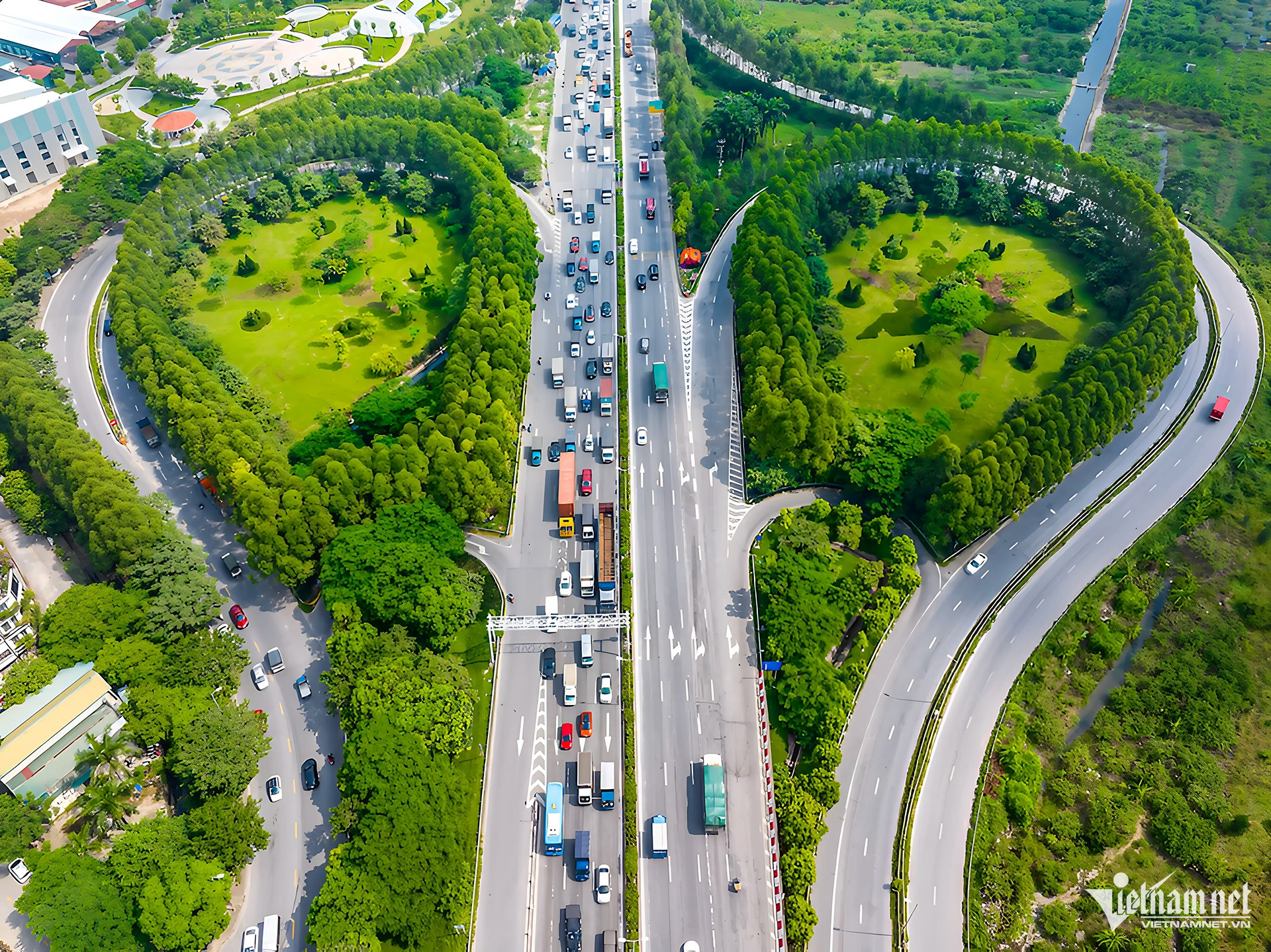
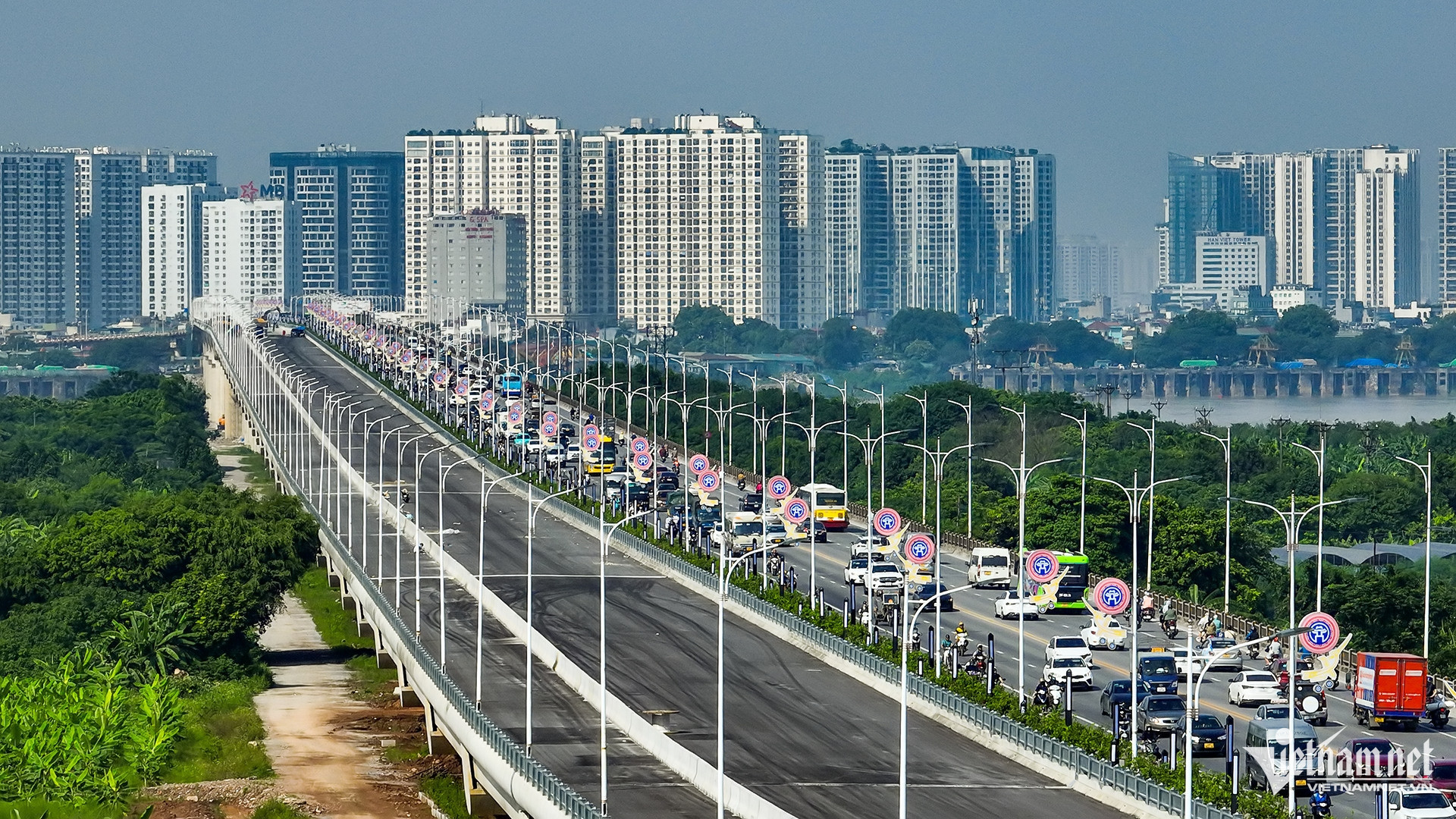
The Ring Road 2 section from Vinh Tuy Bridge to Nga Tu So intersection began construction in April 2018, with a total cost of approximately 9,400 billion VND. This is also the first elevated road project in Hanoi to use reinforced concrete bridge construction technology on mobile scaffolding, pouring beams directly and eliminating the need to transport concrete beams by heavy vehicles to the construction site. The project includes: the main bridge (19m wide), approach bridges (7m wide), and connecting ramps to the road below at three locations: Vinh Tuy Bridge, Nga Tu Vong intersection, and Nga Tu So intersection. The project plays a crucial role in connecting Hanoi with neighboring localities. Within the city center alone, both sides of the road have a high population density, with dozens of high-rise apartment buildings added in recent years. Previously, traffic congestion was a constant problem. After the entire project was opened to traffic, the plight of commuters improved. This serves as a foundation for the city to continue investing in and completing the 2.5 Ring Road, the 3.5 Ring Road, and especially the 4 Ring Road, which is being implemented simultaneously. Thang Long Boulevard, with a length of 29.264 km, is one of the key transportation projects selected by the National Steering Committee for the 1,000th Anniversary of Thang Long - Hanoi to be completed in celebration of the grand event. The route includes 51 bridges crossing rivers and intersections. The total investment for the project is 7,527 billion VND, of which 1,840 billion VND comes from the central government budget and 5,687 billion VND from the Hanoi City budget.
Construction of the Vinh Tuy 2 Bridge began in January 2021 with the goal of completion within 3 years (simultaneously with the completion of the Vinh Tuy 1 Bridge in 2010). The bridge's starting point intersects with Tran Quang Khai - Nguyen Khoai - Minh Khai roads (Hai Ba Trung District), and its end point intersects with Long Bien - Thach Ban roads (Long Bien District). The bridge is over 19 meters wide with 4 lanes. After the completion of the second phase, the Vinh Tuy Bridge (including Vinh Tuy 1 and 2) will have a 40-meter cross-section with 8 lanes for cars. Since the Vinh Tuy 2 Bridge came into operation, it has eased the congestion on the frequently congested Vinh Tuy 1 Bridge, improved traffic flow between the two banks of the Red River, and met the increasing transportation demand between the city center and the North and Northeast of Hanoi. 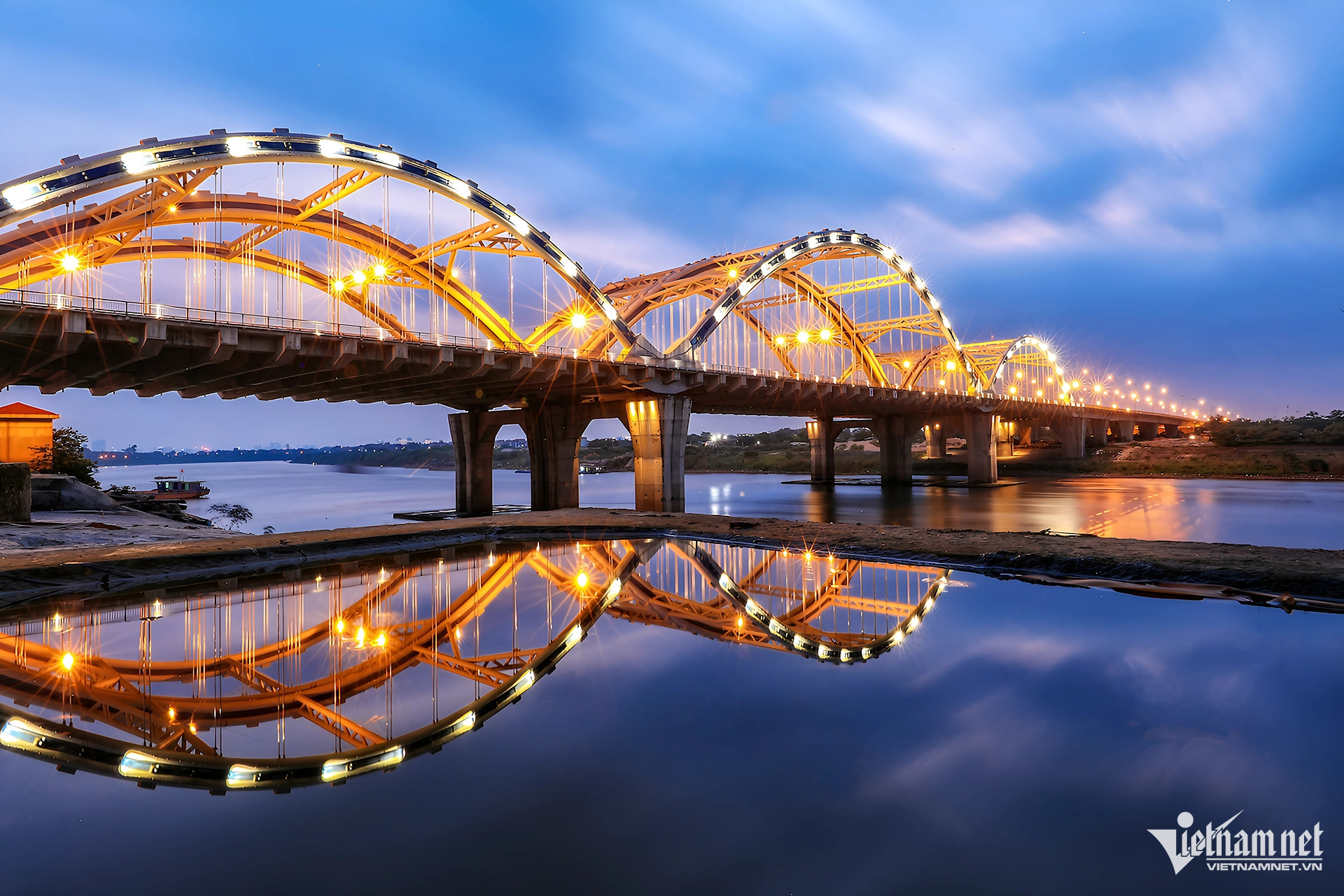
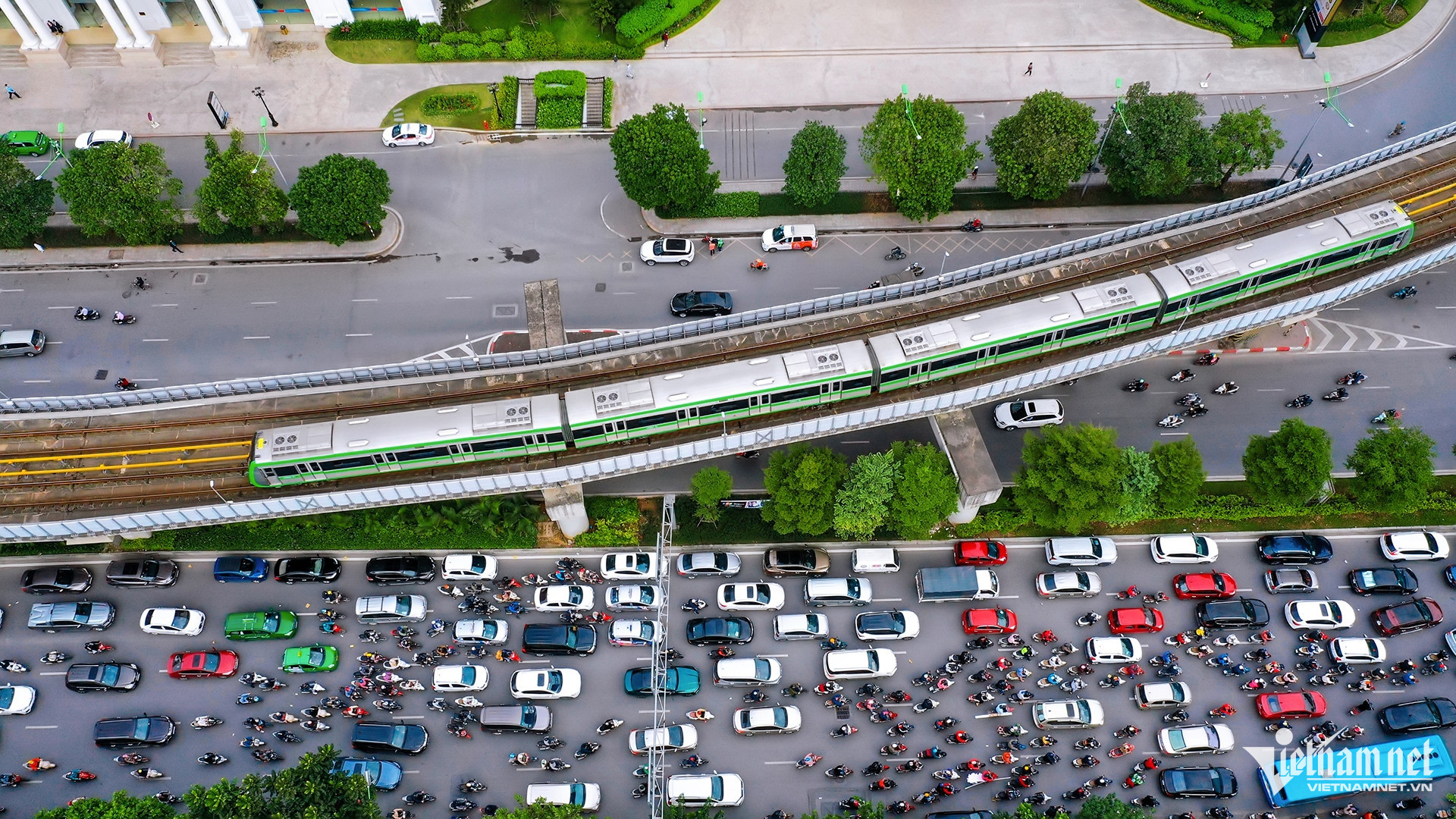
Exactly 10 years ago, on October 9, 2014, the Dong Tru Bridge was officially opened to traffic. The bridge is 1.1 km long, spanning the Duong River, with a 55m wide cross-section and 8 lanes. In addition to the approach roads at both ends, the bridge consists of three main spans: two 80m long side spans and a 120m long central span over the river. It utilizes a new technology: a concrete-filled steel pipe arch bridge, the first of its kind in Southeast Asia.
On November 6, 2021, the first urban railway line in Hanoi and the country (the Cat Linh - Ha Dong line) officially commenced commercial operation, 10 years after its commencement. The project's total investment, adjusted according to the Ministry of Transport 's approval, is over 18,000 billion VND, an increase of more than 9,231 billion VND compared to the initial approved investment. Despite delays and extended completion times, the project has significantly improved traffic conditions for Hanoi residents upon its commissioning.
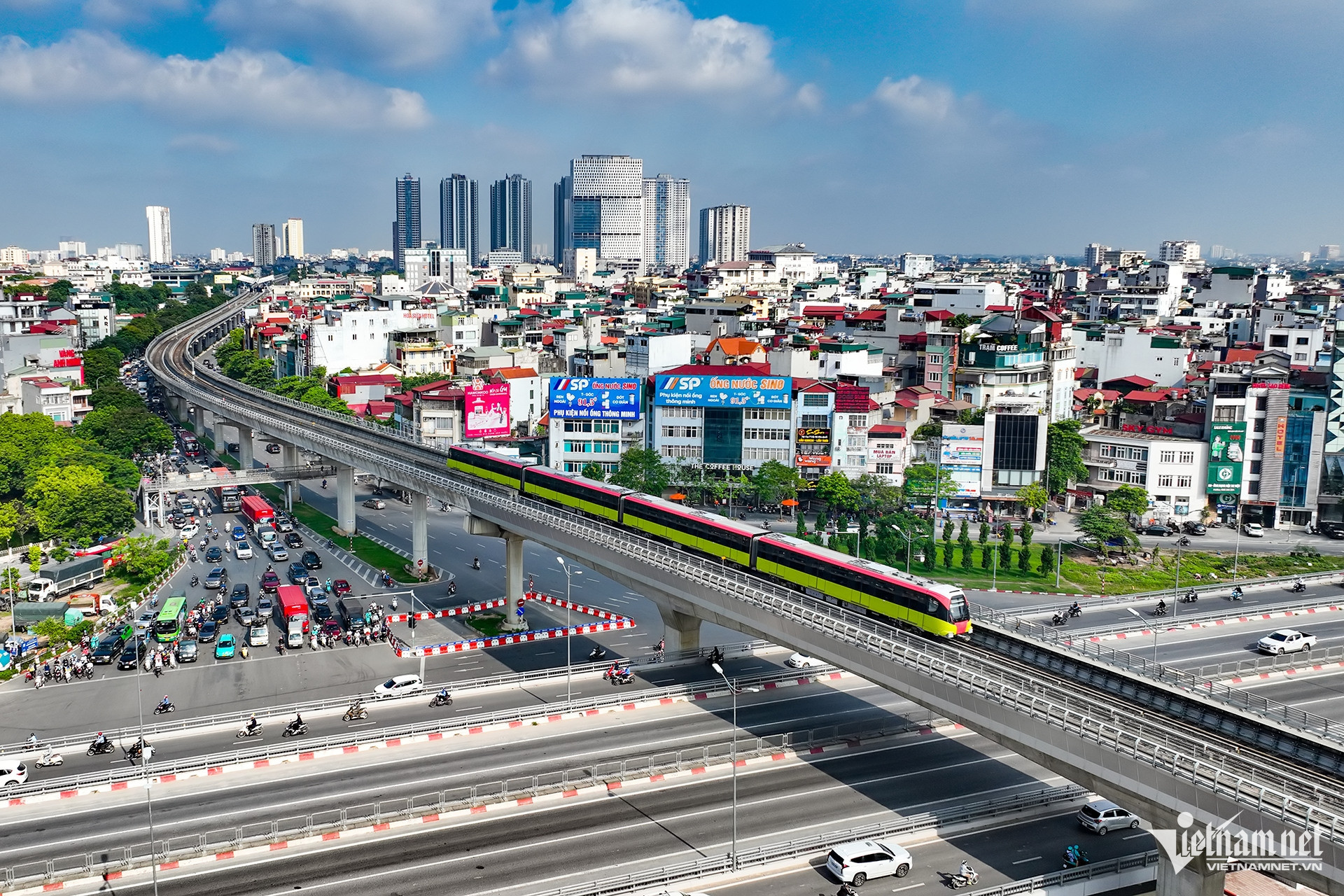
The Nhon - Hanoi Station metro line has commenced commercial operation on the elevated section from Nhon Station to Cau Giay Station in August 2024. According to the Hanoi Capital City Planning for the period 2021-2030, with a vision to 2050, recently approved by the Hanoi City People's Council, the plan is to invest in the construction of 14 urban railway lines, an increase of 4 lines compared to the previous plan. The Hanoi City People's Committee aims to complete the construction of 96.8km and finalize investment preparation for 301km of urban railway by 2030, with a total investment of US$14.602 billion.
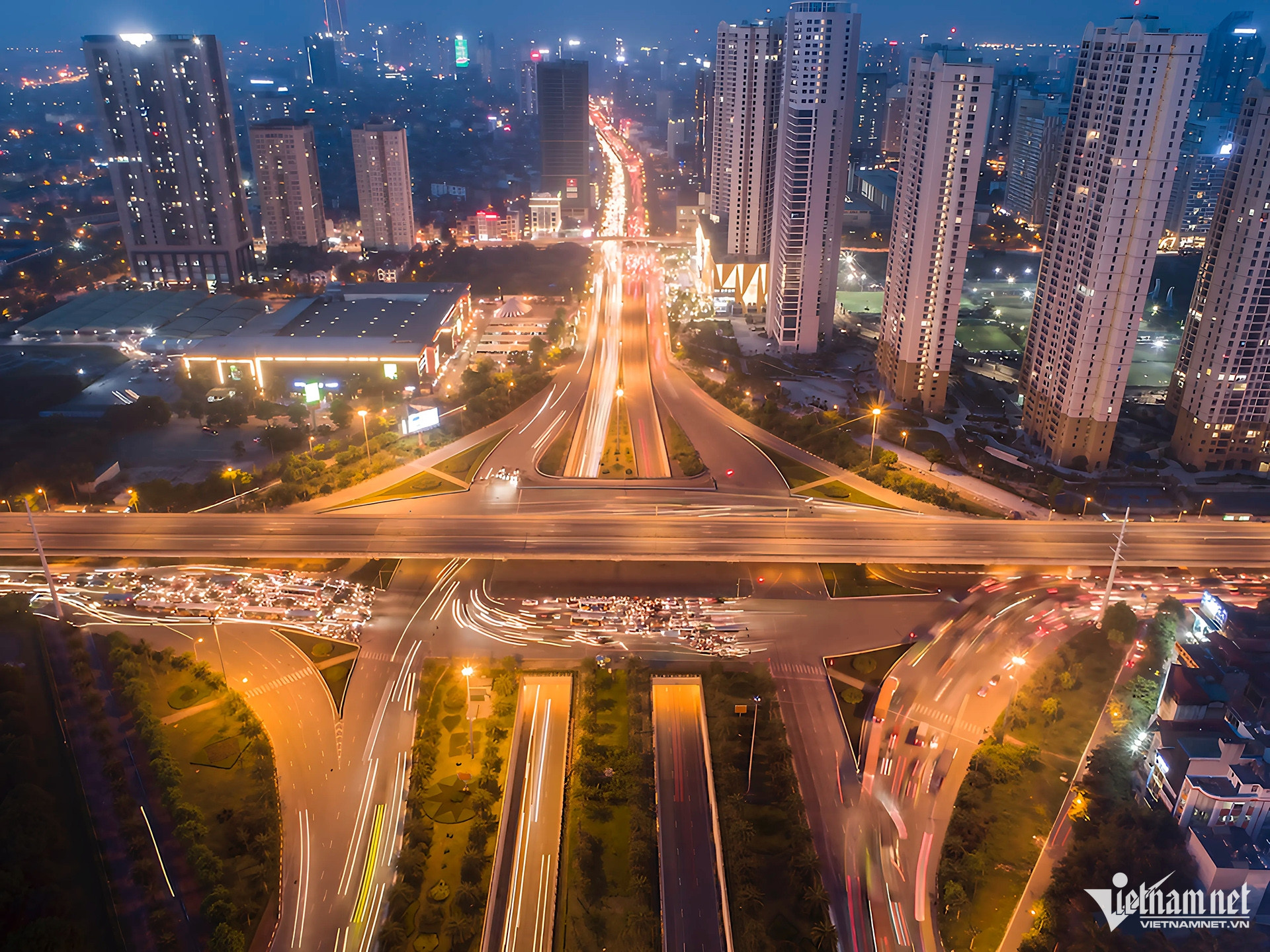
To alleviate traffic congestion, numerous overpasses and underpasses have been constructed at key intersections in Hanoi over the past 10 years. A prime example is the Trung Hoa intersection, with its three-tiered traffic system, operational since 2016. In the future, this area is also expected to have four tiers of traffic when the urban railway line is implemented.
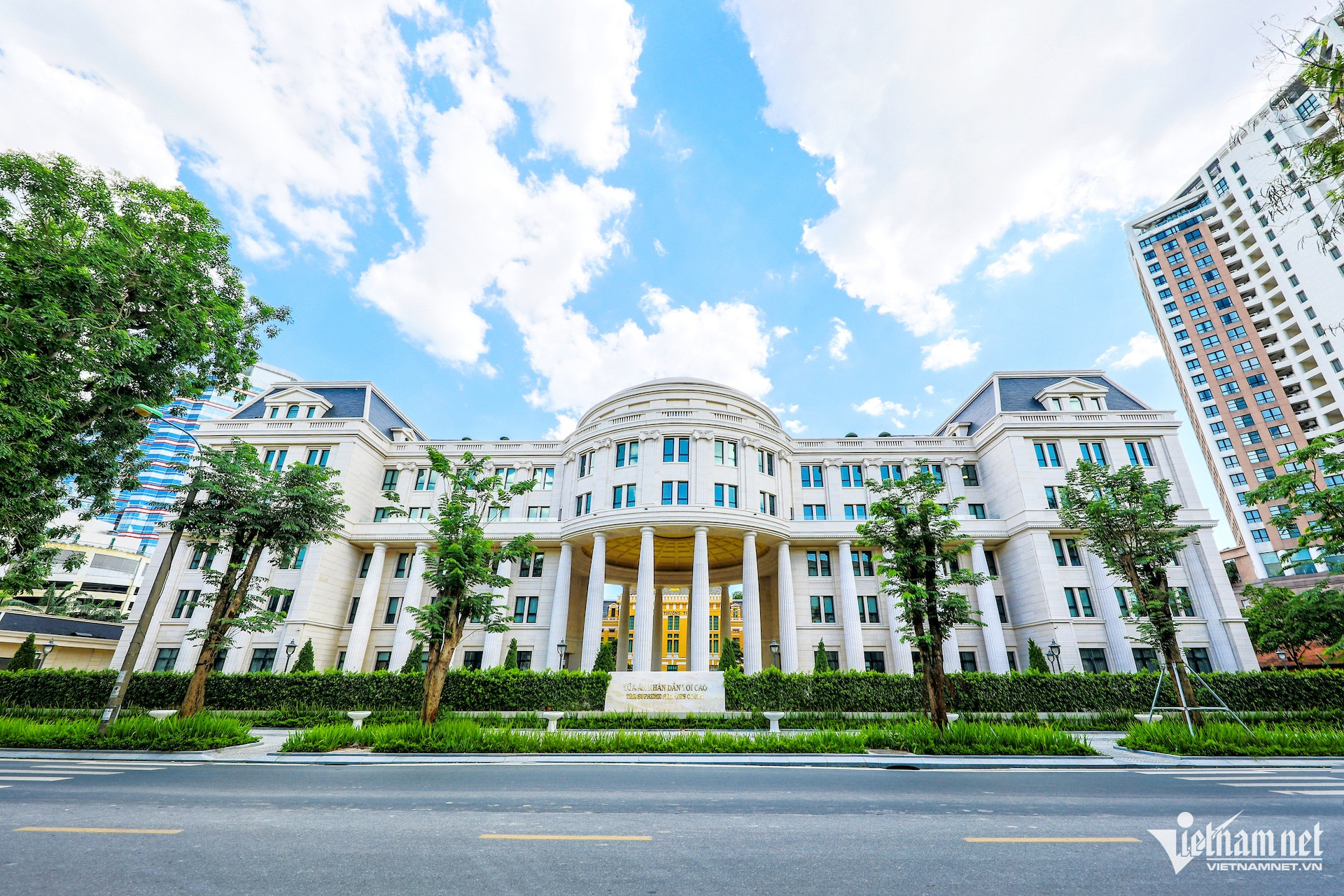
The new headquarters of the Supreme People's Court is built on an area of 6,417 square meters with 6 above-ground floors and 4 basement floors. The building features a neoclassical architectural style that complements the architecture of the building at 48 Ly Thuong Kiet Street, Hoan Kiem District, Hanoi, creating a unified complex with a blend of old and new architecture. Both buildings are designed symmetrically around a central axis, creating balance and meeting the aesthetic requirements of a modern building.
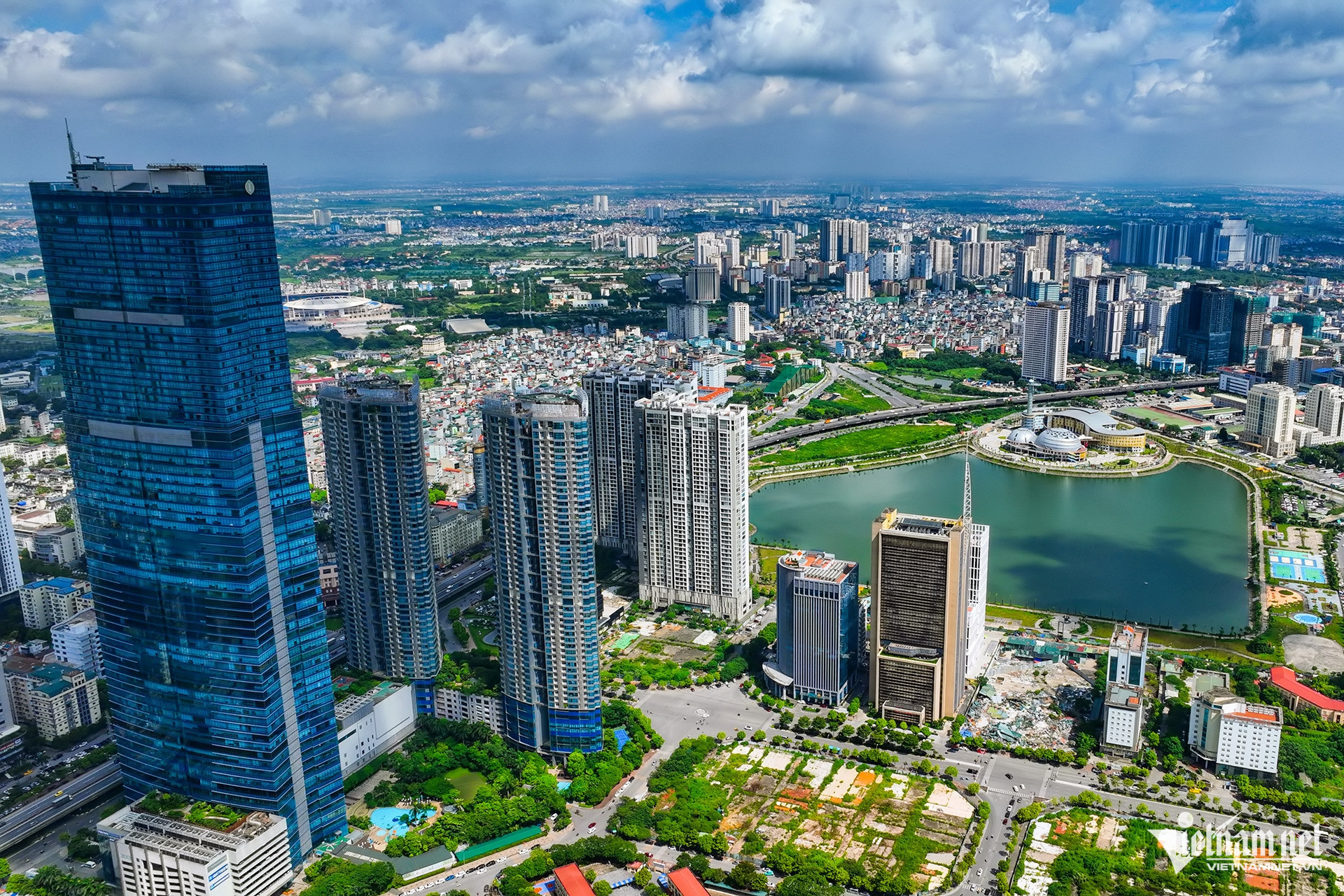
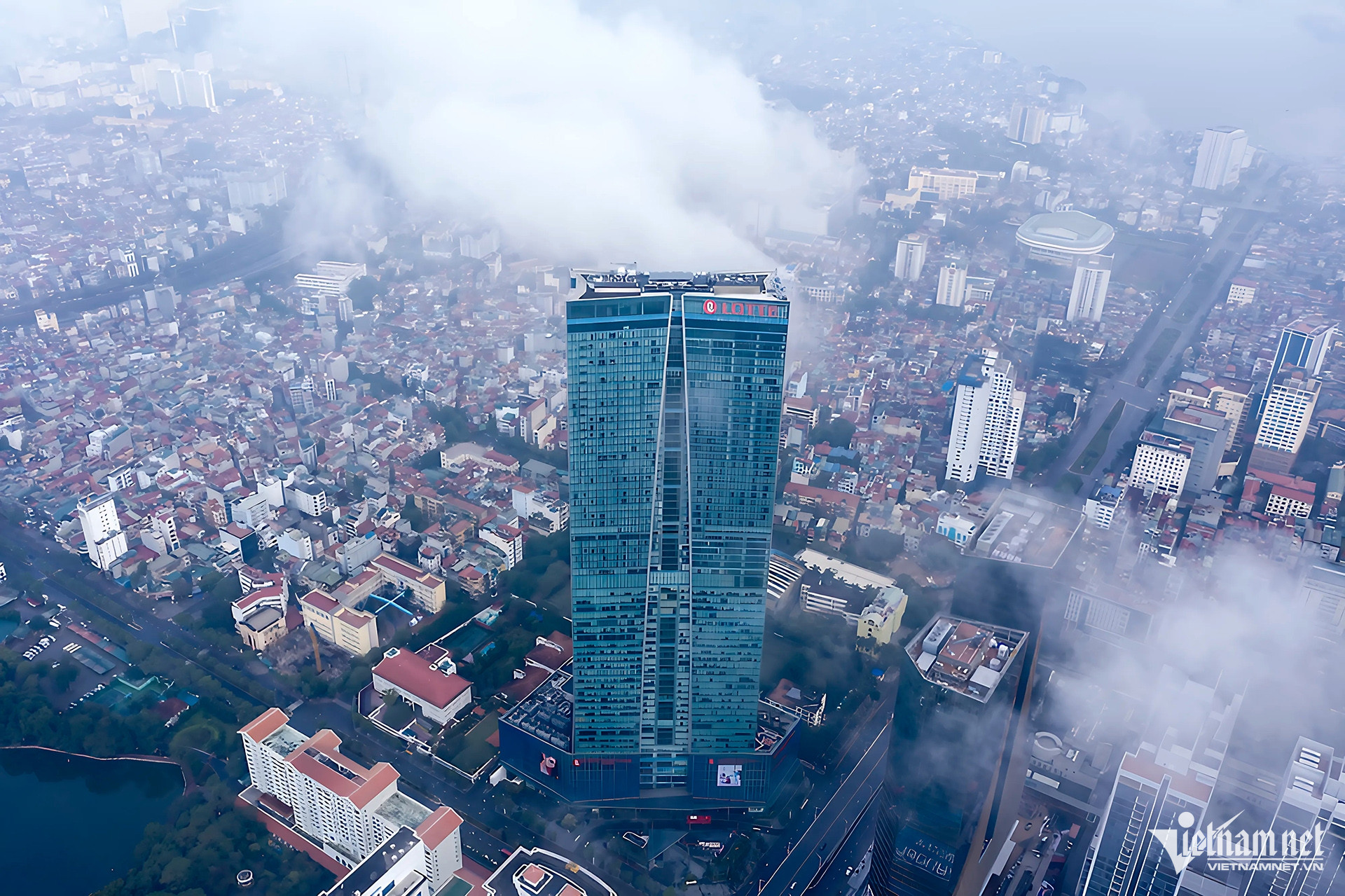
Keangnam Landmark 72 is the tallest building in Hanoi and the second tallest in Vietnam, a complex comprising a shopping mall, hotel, offices, and luxury apartments. The building is designed as a modern and luxurious tower, reaching a height of 336 meters with 72 floors and a total area of 300,000 square meters. This construction project was approved to coincide with the 1000th anniversary of Thang Long-Hanoi. The second tallest building in the capital is Lotte (pictured right), the first structure in the overall design, featuring an observation deck on the 65th floor offering panoramic views of the city. The building has four sides made of reinforced glass, and a super-fast elevator travels from the B1 basement to the 65th-floor observation deck in just 50 seconds. This skyscraper was designed by Callison (USA), while the base and interior were designed by Benoy (UK). 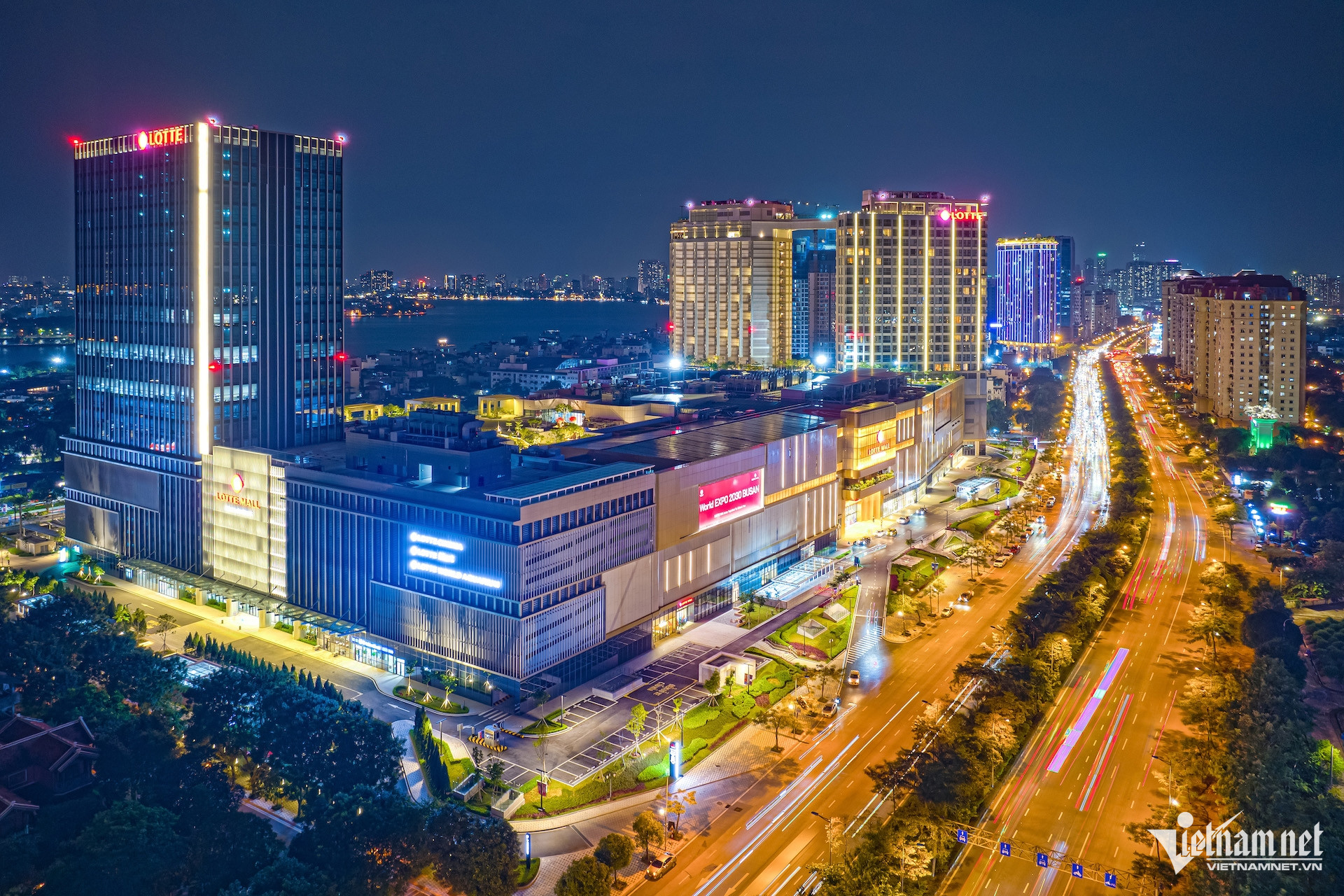
Hanoi is seeing an increasing number of modern shopping mall complexes such as Vincom, Lotte, and Aeon... Among them, a prominent example is the grand project by a South Korean corporation located in the West Lake area, inaugurated in September 2023. This shopping mall has a total floor area of 354,000 m2, is 7 stories high, including 5 above-ground floors and 2 basement floors. Inside, it houses a 5-star hotel, luxury serviced apartments, and Grade A office space.


![[Photo] Prime Minister Pham Minh Chinh holds a phone call with the CEO of Russia's Rosatom Corporation.](/_next/image?url=https%3A%2F%2Fvphoto.vietnam.vn%2Fthumb%2F1200x675%2Fvietnam%2Fresource%2FIMAGE%2F2025%2F12%2F11%2F1765464552365_dsc-5295-jpg.webp&w=3840&q=75)







































































Comment (0)