

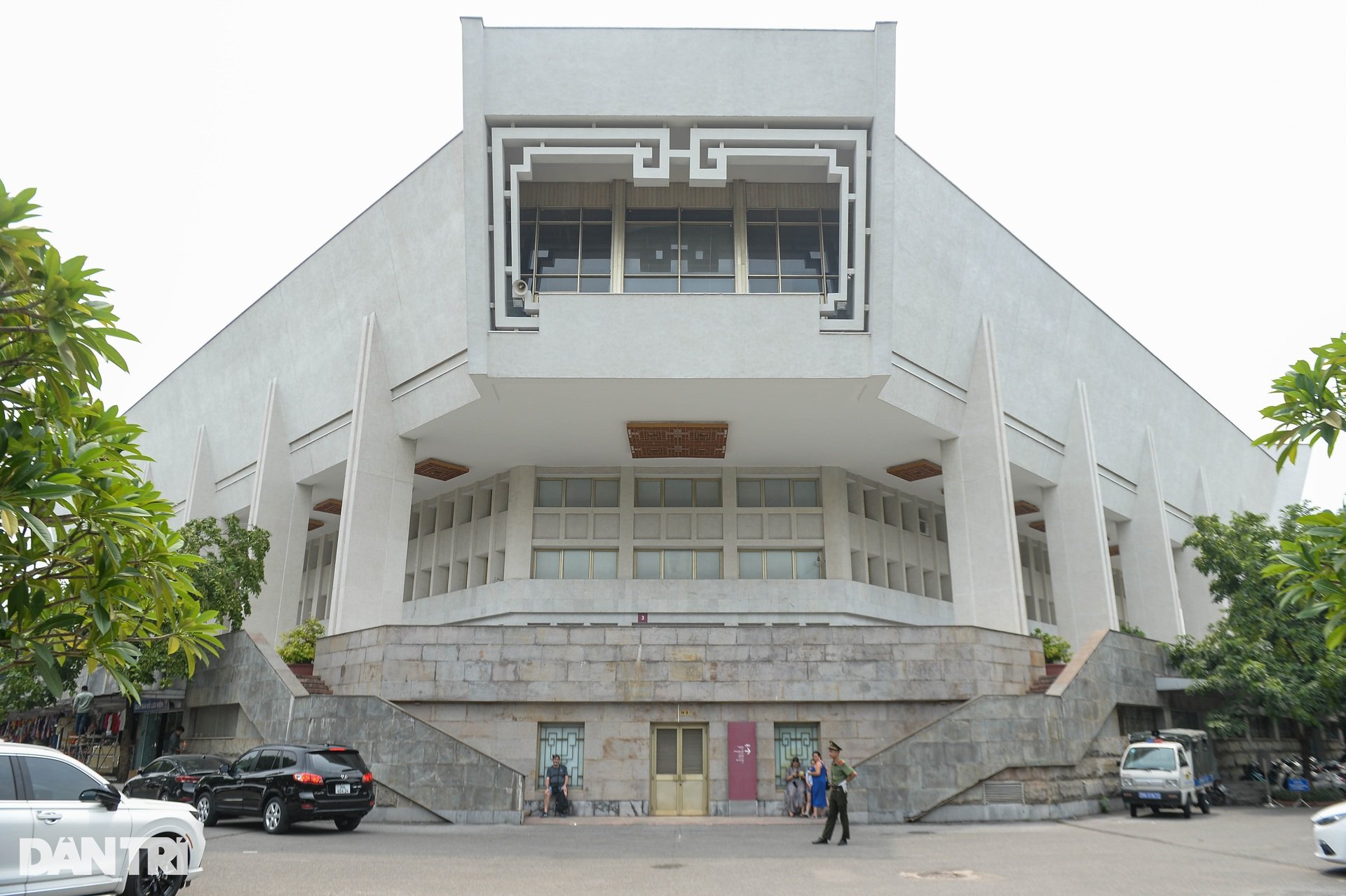
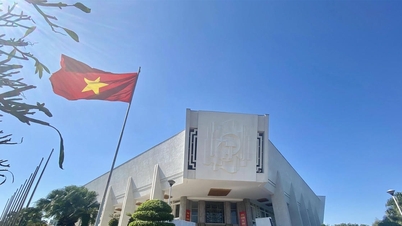
Ho Chi Minh Museum located at 19 Ngoc Ha, Doi Can Ward (Ba Dinh District, Hanoi ) is a place to preserve and display many valuable artifacts and documents about the life of President Ho Chi Minh - the beloved father, the great leader of the Vietnamese people.
The Ho Chi Minh Museum building is symbolized by a white lotus, nearly 20 meters high, with 3 floors. The first floor has offices for museum staff, resting areas and public services for visitors.
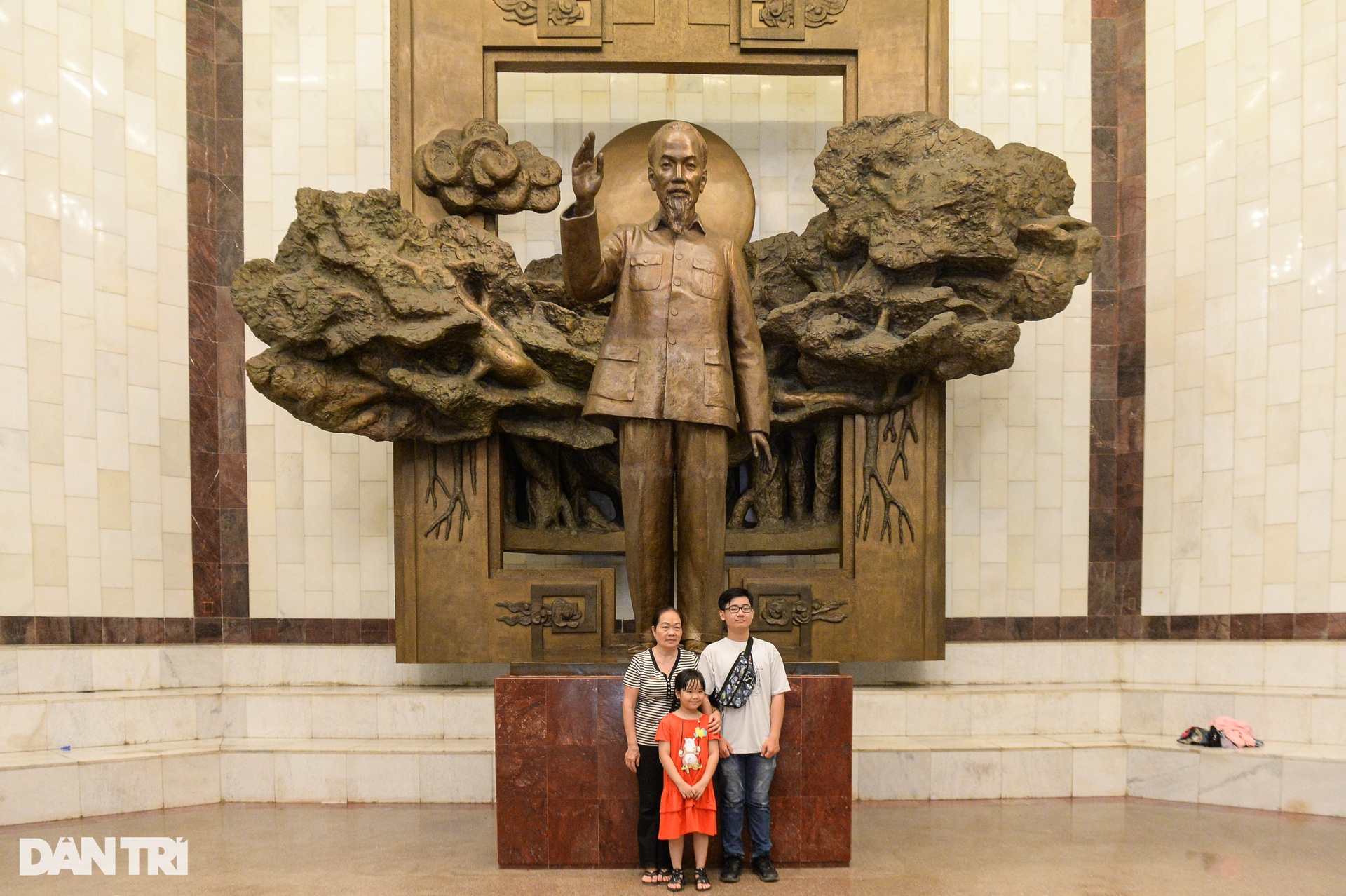
The Ho Chi Minh Museum began construction on August 31, 1985 and was completed on the occasion of the 100th anniversary of Uncle Ho's birth (May 19, 1990). The museum attracts a large number of tourists to visit and learn about Uncle Ho's life.
These days, every day the Ho Chi Minh Museum welcomes thousands of visitors to visit and learn about Uncle Ho's life, the significance of the August Revolution of 1945 and the day President Ho Chi Minh read the Declaration of Independence giving birth to the Democratic Republic of Vietnam on September 2, 1945.
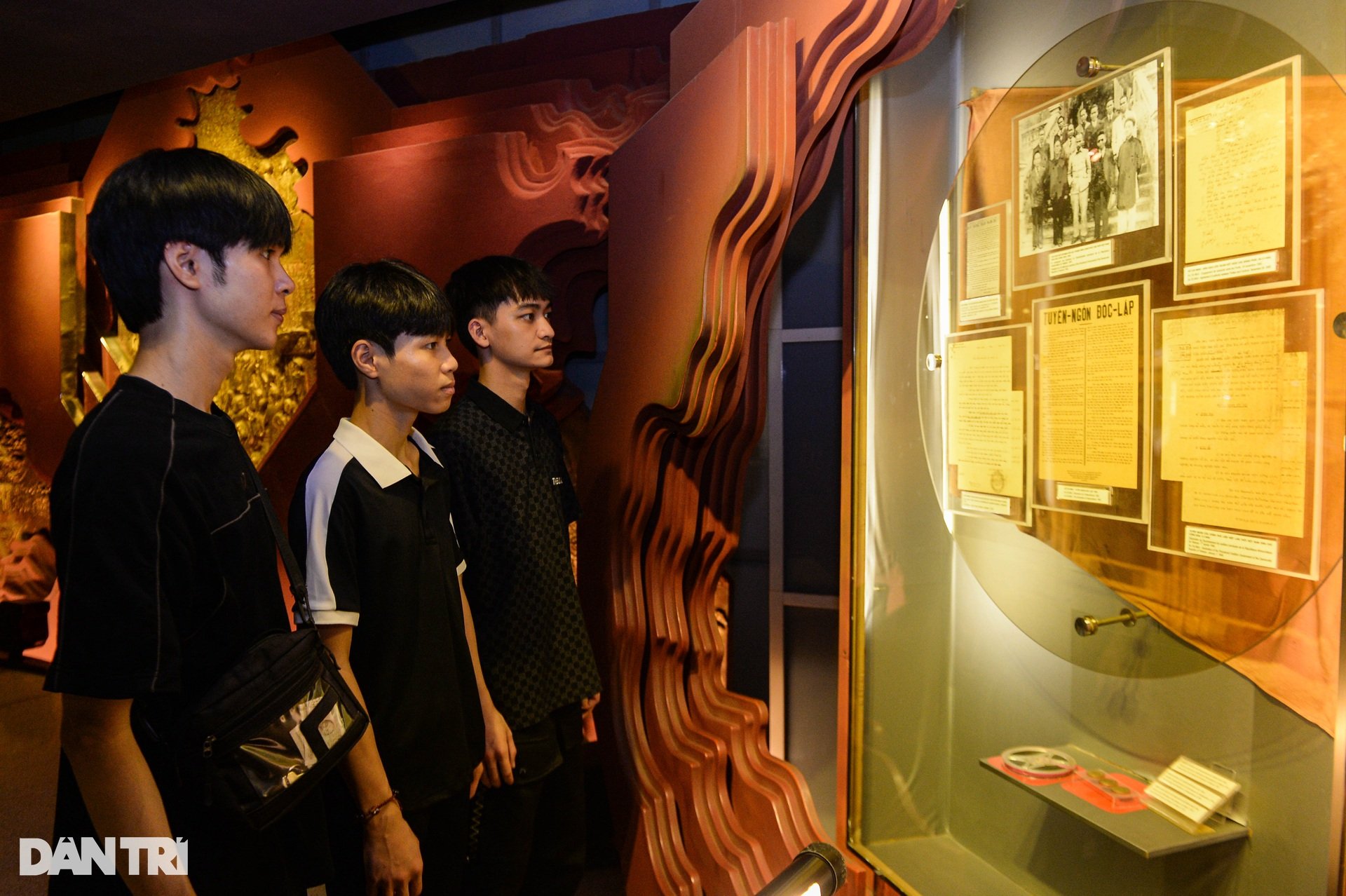
From left to right, Tran Anh Minh (21 years old), Tran Ngoc Quy (21 years old), and Nguyen Tran Dang (19 years old, all from Nam Dinh province) attentively read documents about the August 1945 Revolution and the day President Ho Chi Minh read the Declaration of Independence on September 2, 1945.
"We visited the Ho Chi Minh Museum to better understand the history of the nation and Uncle Ho's life," Tran Anh Minh shared.
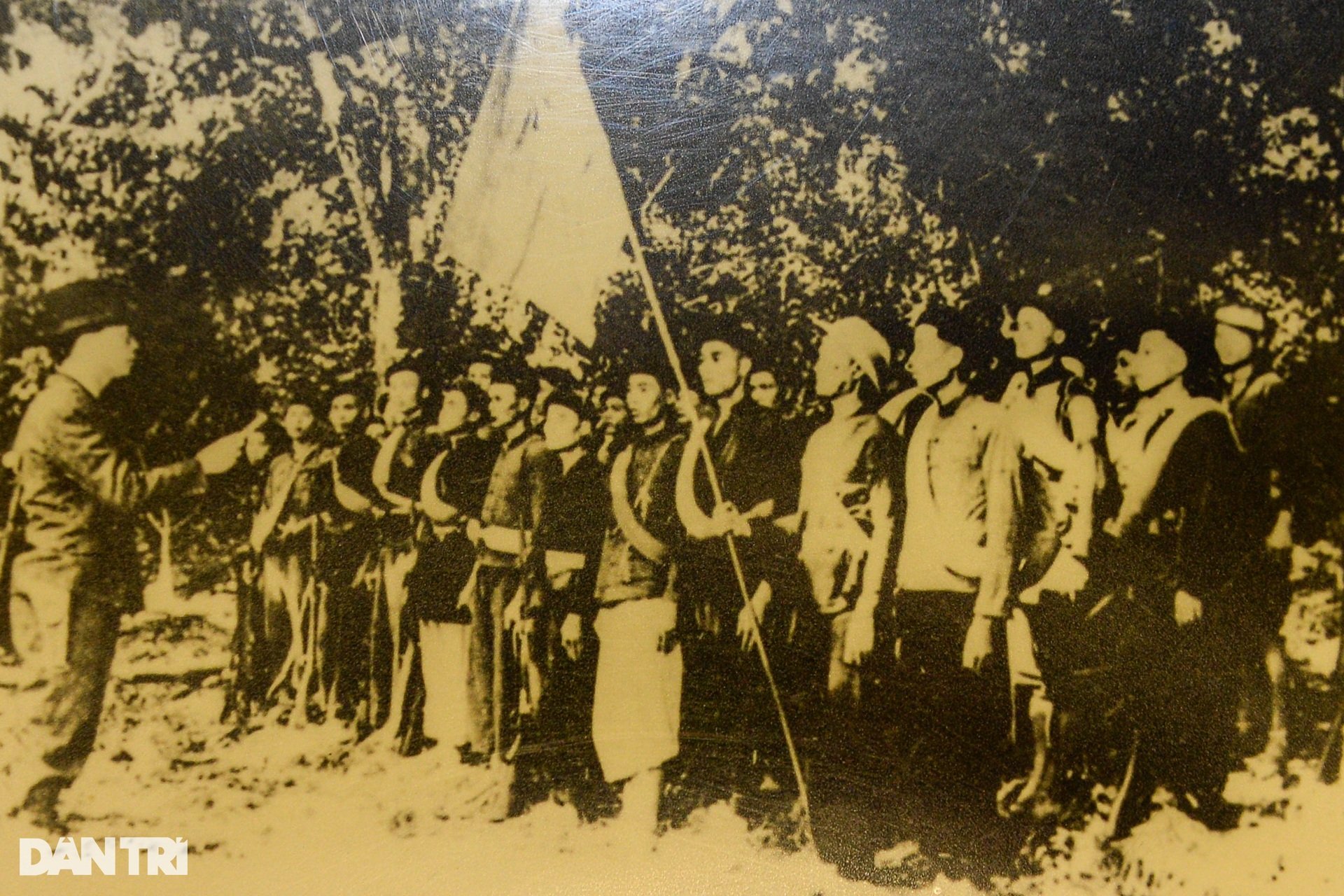
The founding ceremony of the Vietnam Propaganda and Liberation Army on December 22, 1944, was held in the forest between the two communes of Tran Hung Dao and Hoang Hoa Tham (now Tam Kim commune, Nguyen Binh district, Cao Bang province). This was the first main force of the revolutionary armed forces and the predecessor of the Vietnam People's Army today.
When it was first established, the Vietnam Propaganda Liberation Army had only 34 officers and soldiers, but it soon brought into play the nation's tradition of fighting against foreign invaders and the military art of using the few to fight the many, and using the small to win the big. Right from its first campaign, the first regular army of Vietnam achieved resounding victories, liberating large areas as bases for activities to fight for independence.
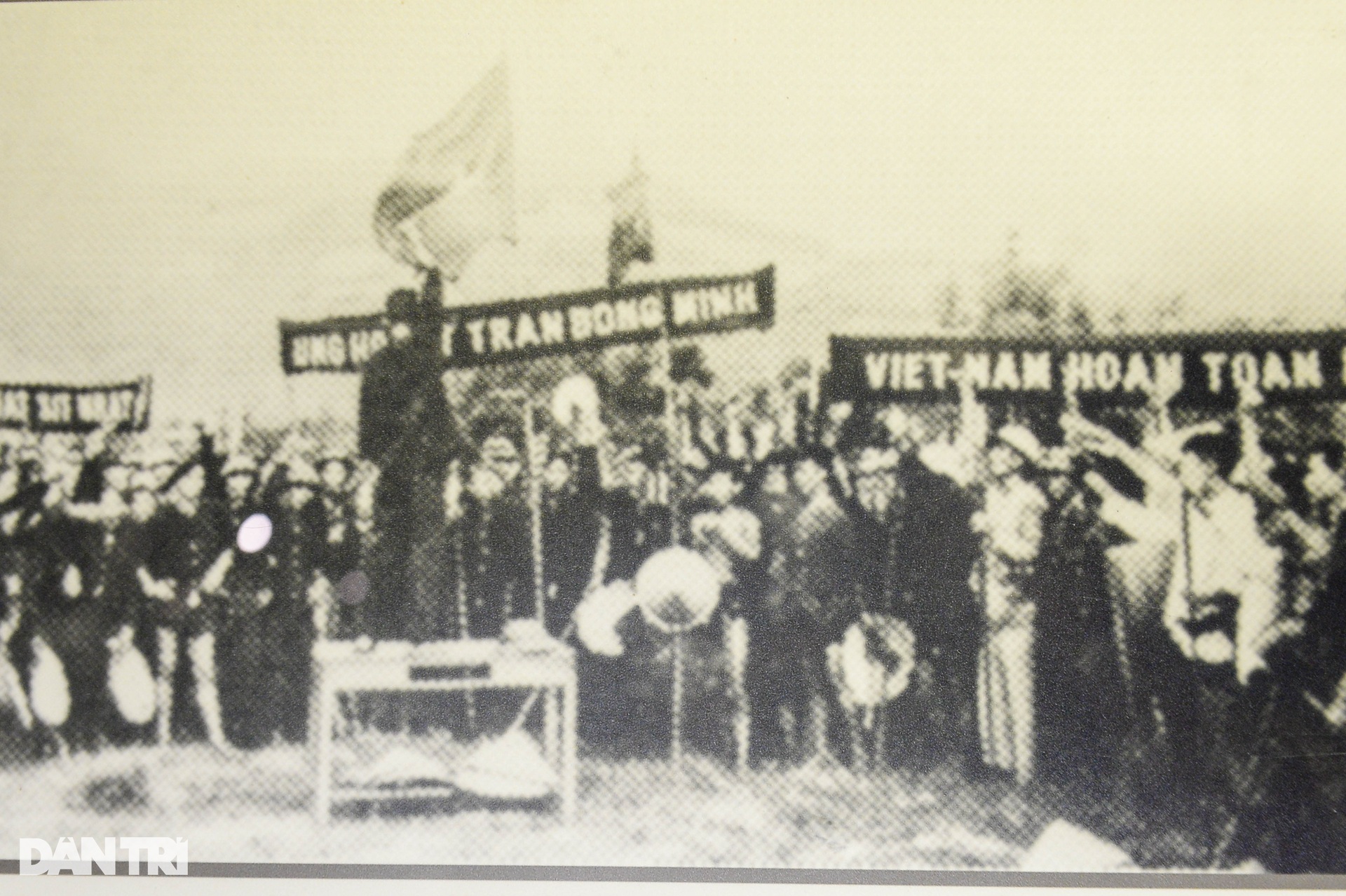
Rally in support of Viet Minh 1945.
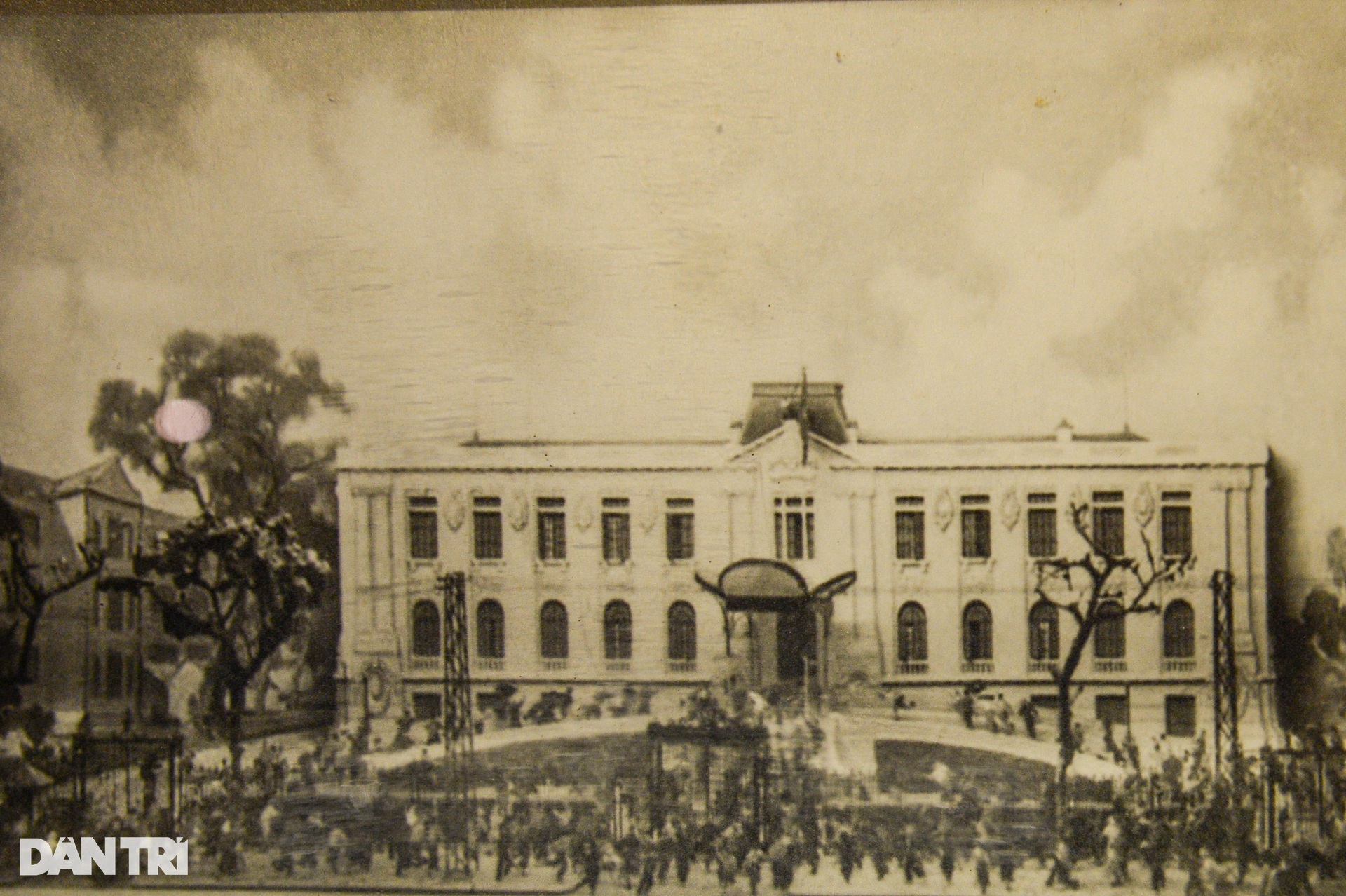
Uprising to seize power in Hanoi on August 19, 1945.
August 19, 1945, was a momentous event in the history of the Vietnamese nation, shattering the shackles of French and Japanese slavery and overthrowing the feudal regime, ushering in a new era: the era of national independence linked with socialism.
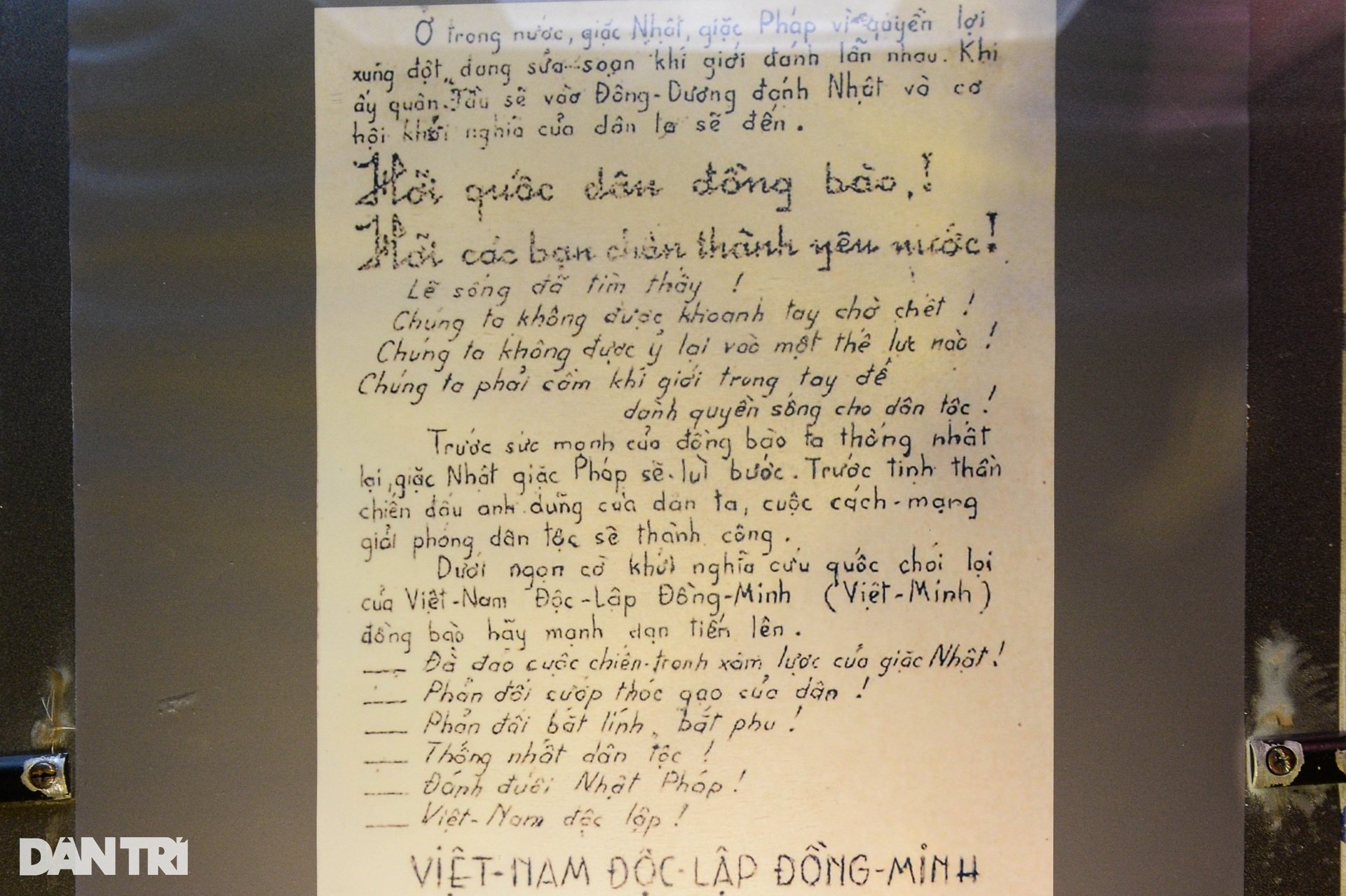
The call for a general uprising by the Viet Minh Front in 1945.
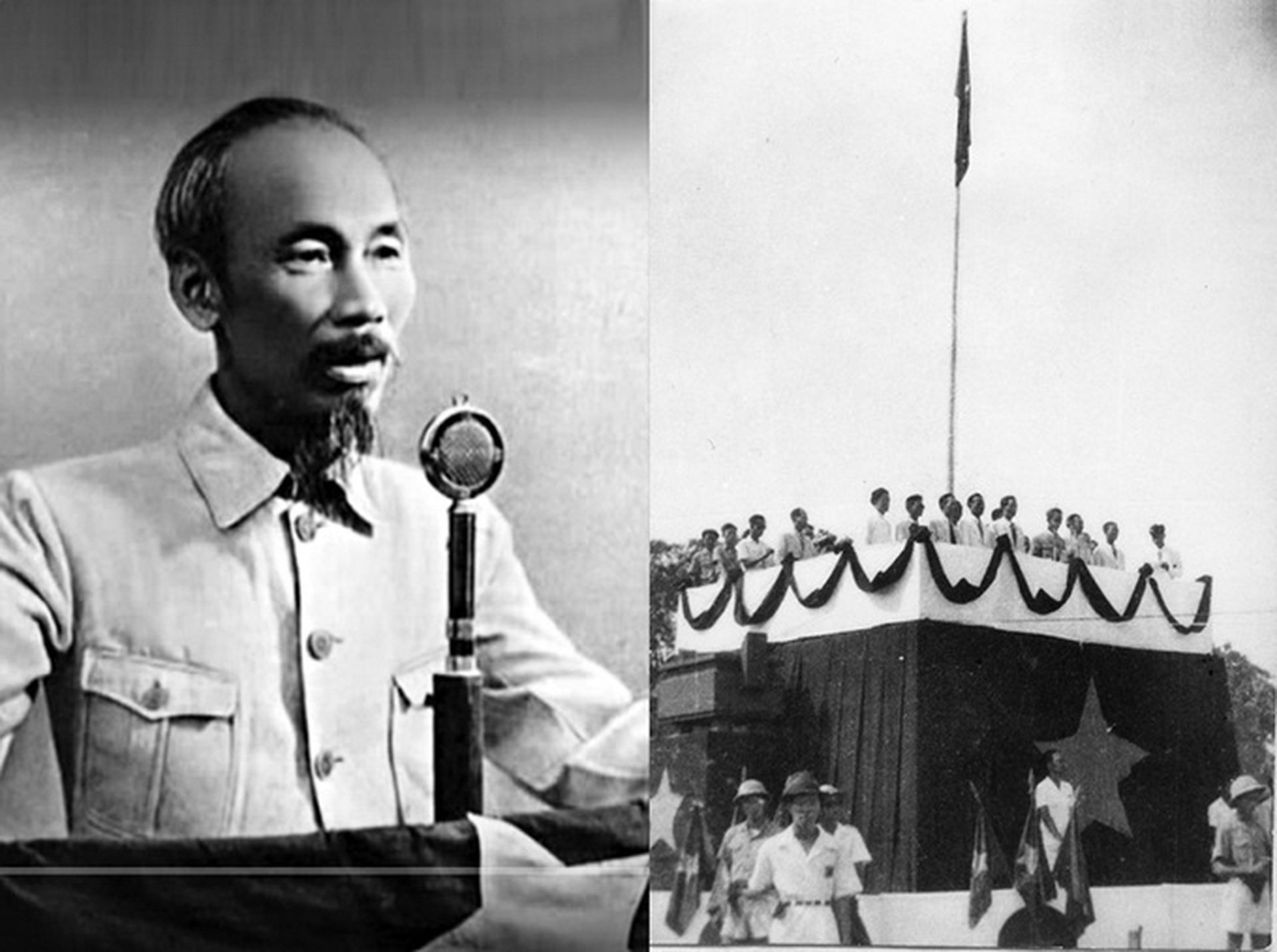
President Ho Chi Minh read the Declaration of Independence giving birth to the Democratic Republic of Vietnam on September 2, 1945 (Photo: VNA documents).
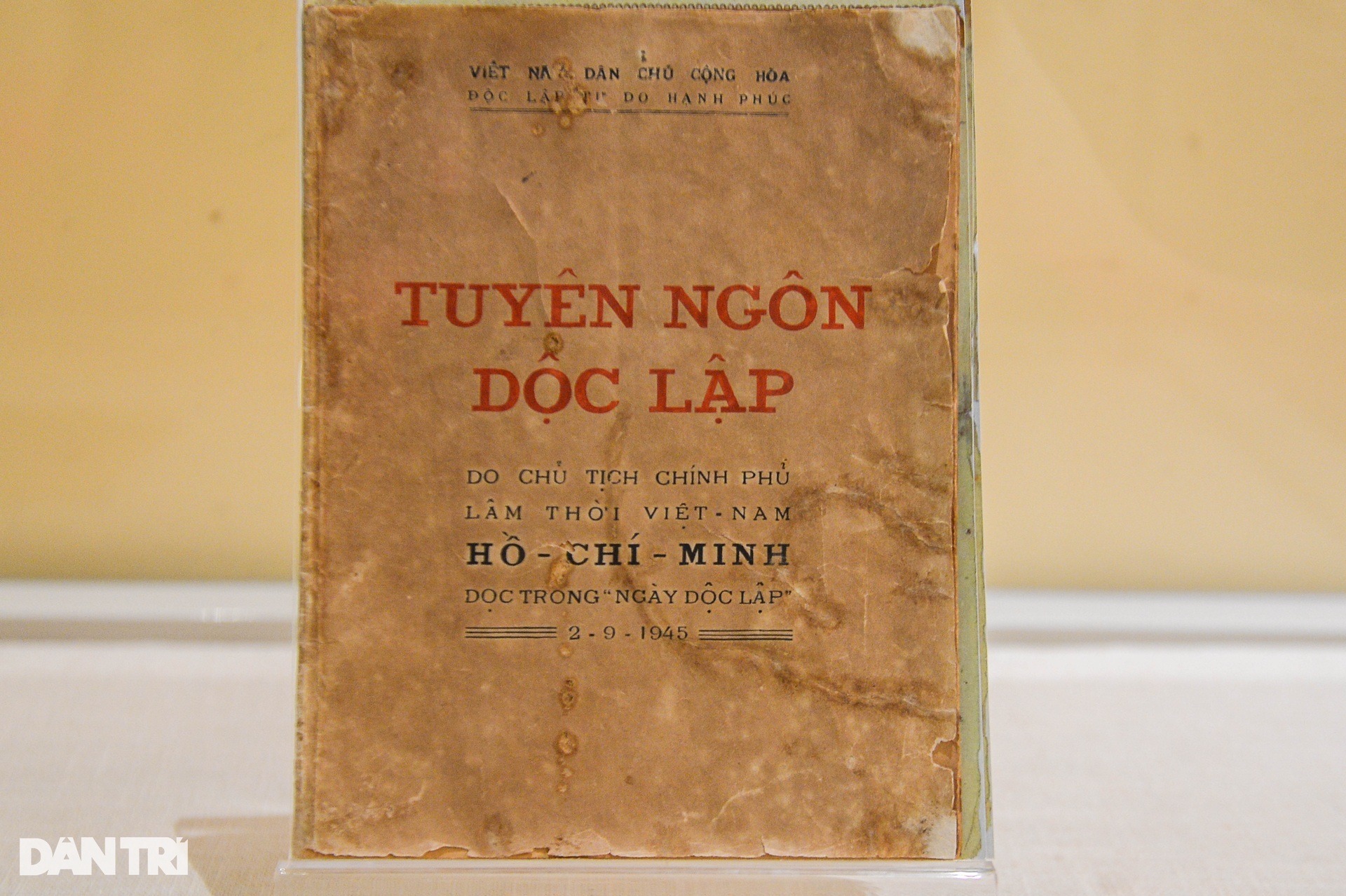
The Declaration of Independence was drafted and read by President Ho Chi Minh at Ba Dinh Square, Hanoi on September 2, 1945. The Declaration of Independence is currently preserved at the National Historical Museum.
The Declaration of Independence begins with an eternal and universal truth: “All men are created equal. They are endowed by their Creator with certain unalienable rights; among these are life, liberty, and the pursuit of happiness. These are indisputable truths.”
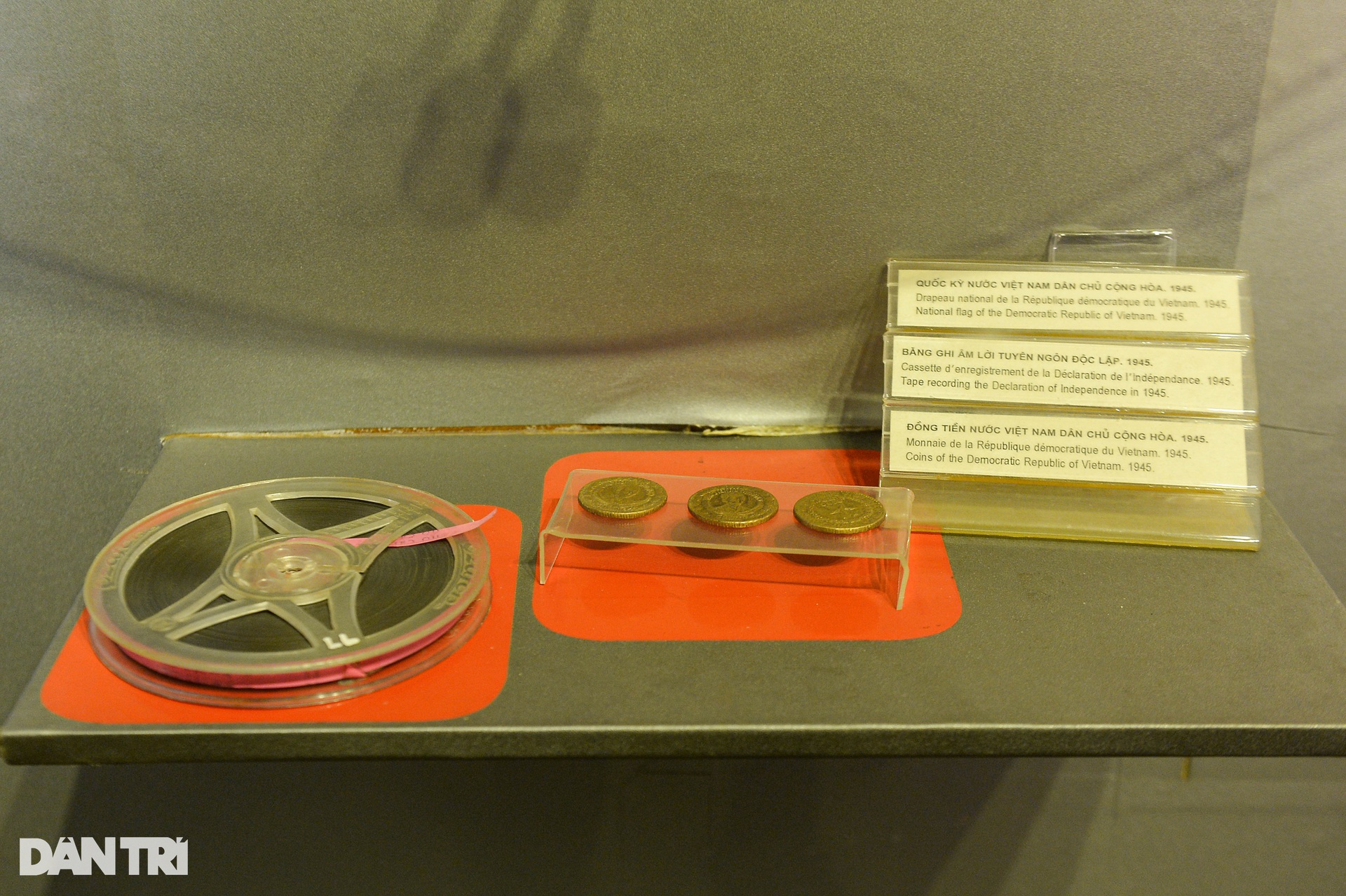
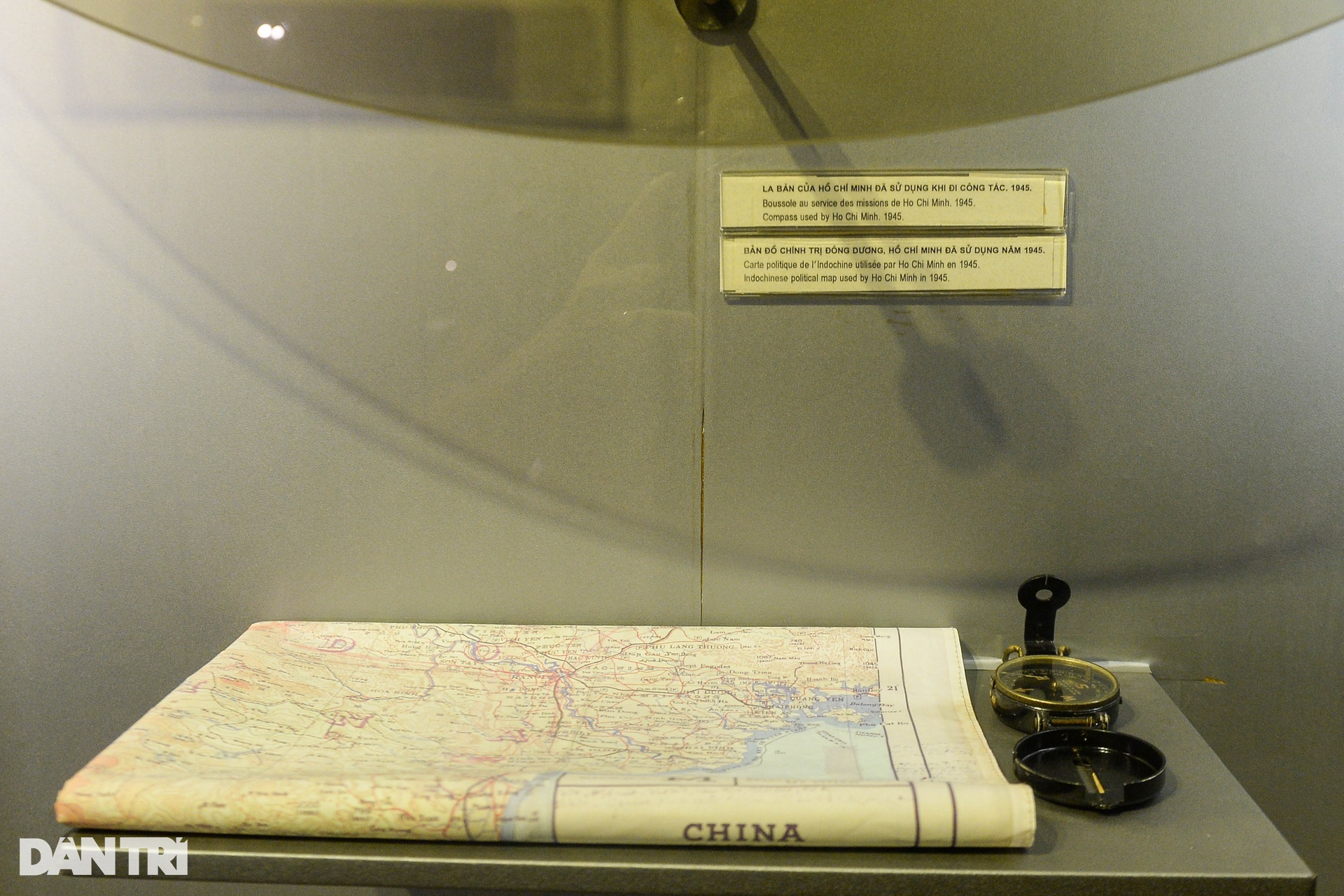
Audio tape recording of the Declaration of Independence; currency of the Democratic Republic of Vietnam in 1945; compass used by President Ho Chi Minh during his business trip in 1945 and political map of Indochina used by President Ho Chi Minh in 1945.
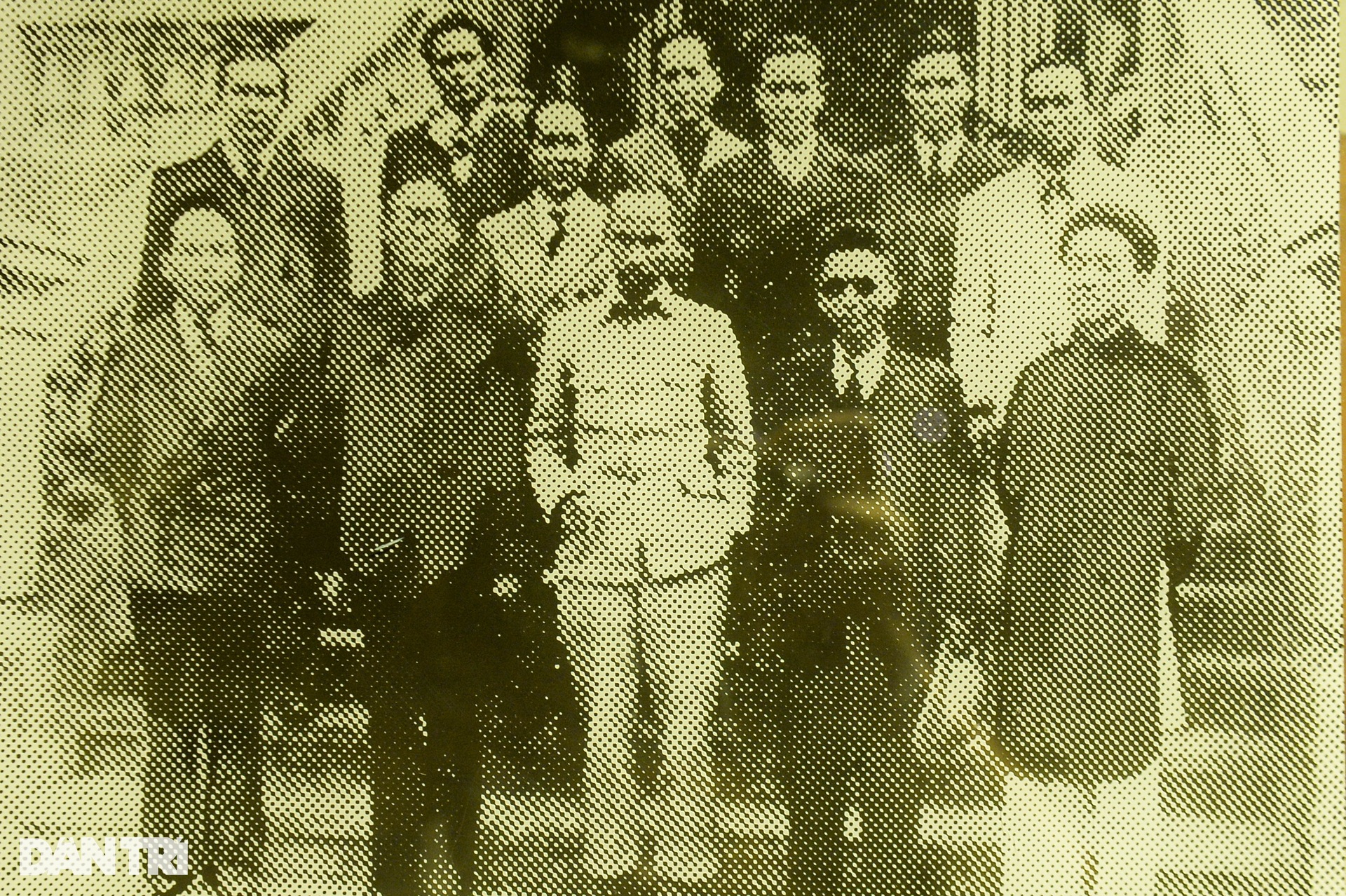
President Ho Chi Minh and members of the Provisional Government after the first government meeting on September 3, 1945.
In the first government meeting on September 3, 1945, government members unanimously agreed on six urgent tasks proposed by President Ho Chi Minh, including: launching a production increase campaign and organizing fundraising efforts to combat famine.
Launch a movement against illiteracy; organize as soon as possible a general election with universal suffrage, implement democratic freedoms for the people; launch an educational movement on diligence, thrift, integrity, and uprightness, eliminate social evils left by the colonial regime; abolish unreasonable taxes, first of all poll tax, market tax, and ferry tax; absolutely ban opium smoking; declare freedom of belief and solidarity between religions.
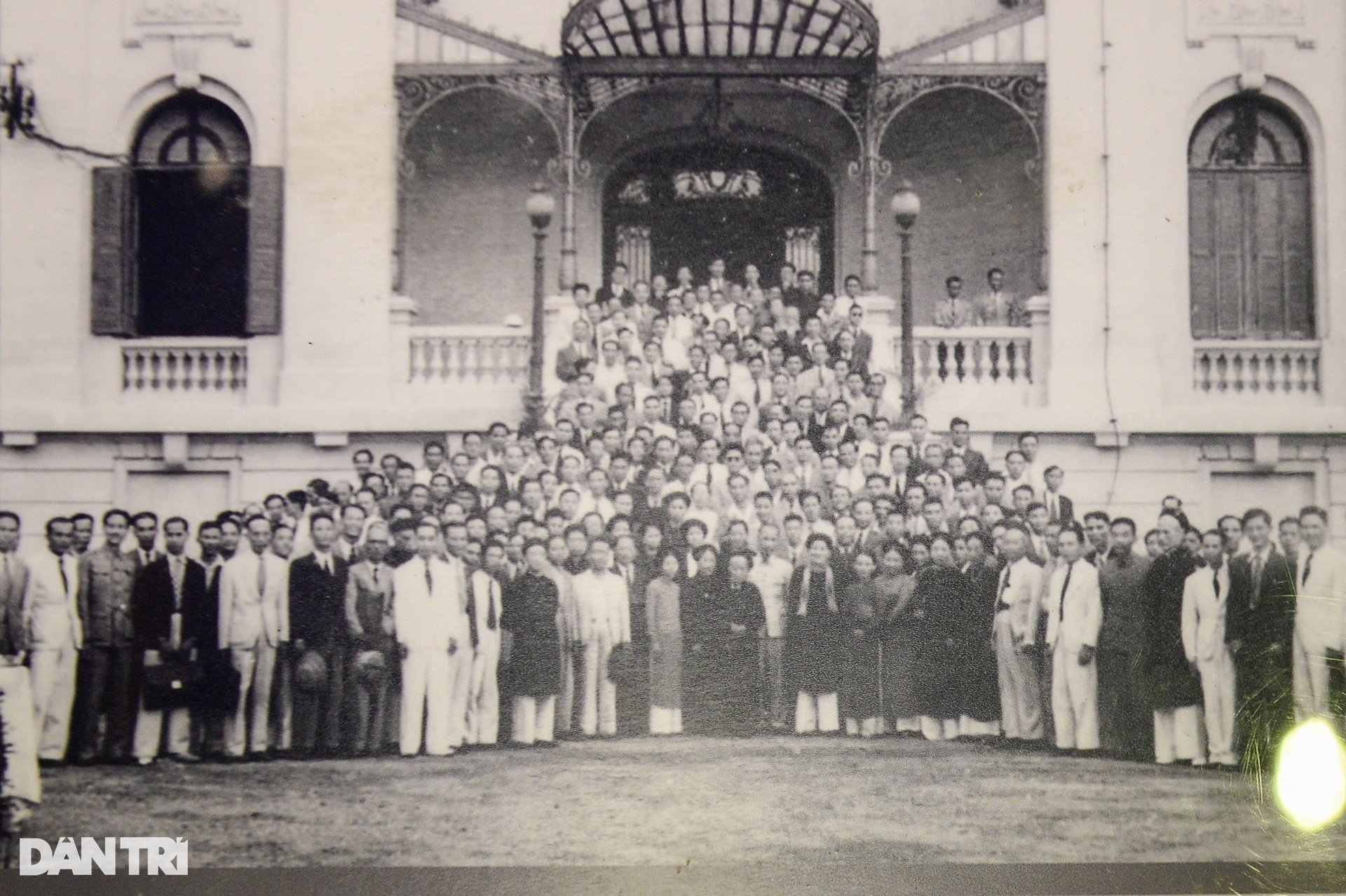
President Ho Chi Minh with National Assembly delegates and patriotic intellectuals in Hanoi, October 1946.
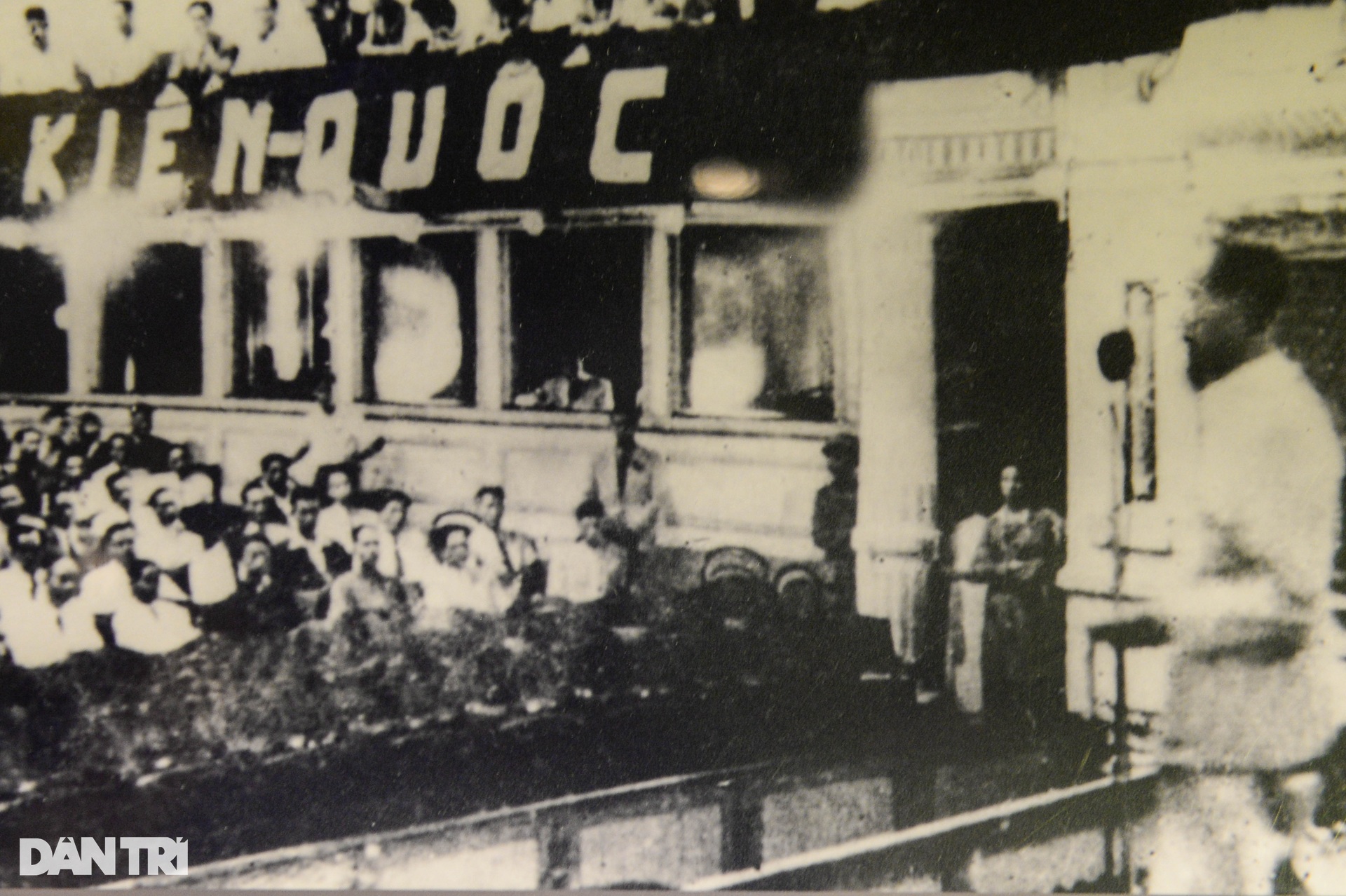
President Ho Chi Minh at the first session of the 1st National Assembly on March 2, 1946.
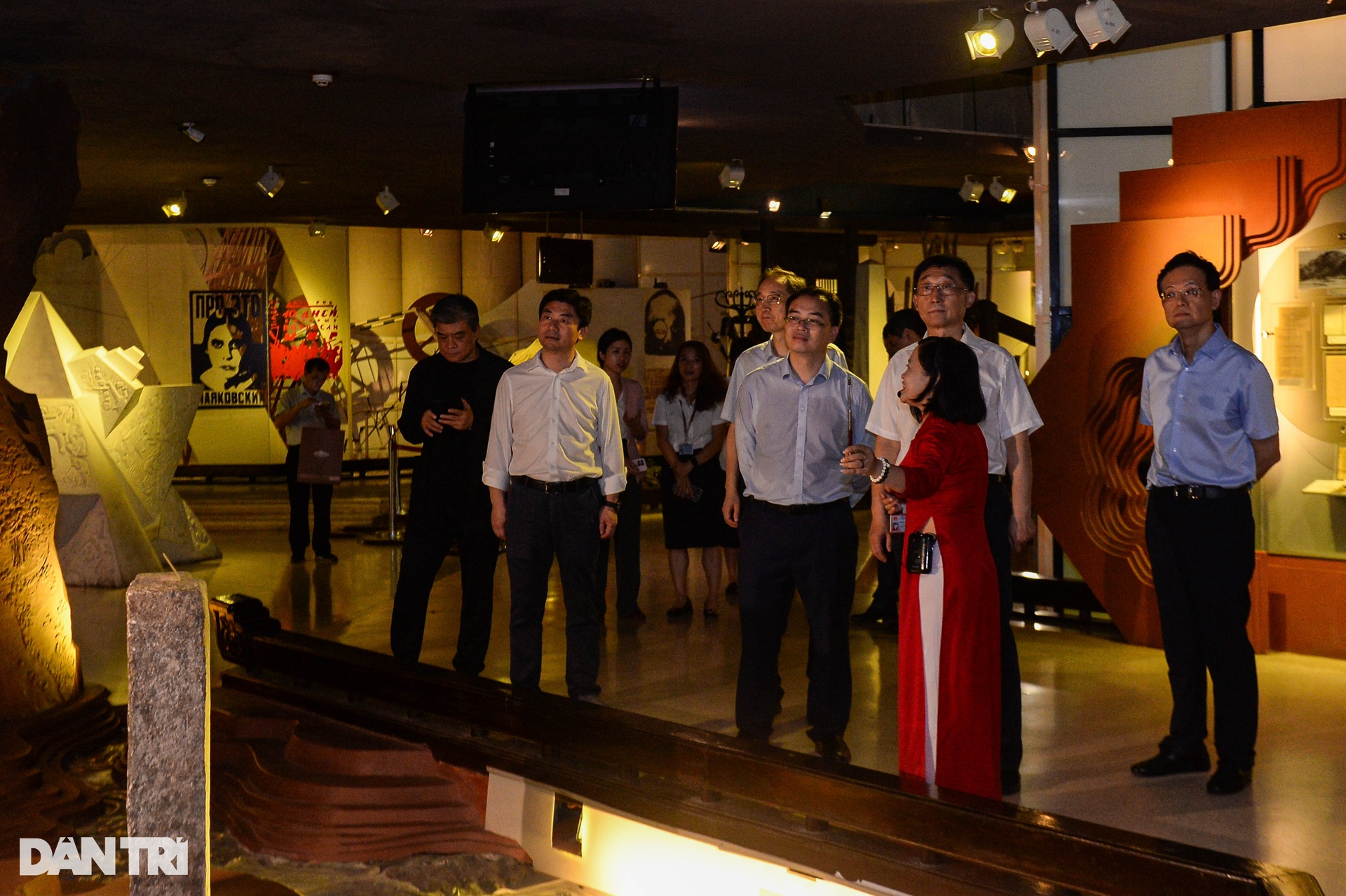
According to information from the Ho Chi Minh Museum, the institution currently houses the largest collection of documents and artifacts about the life, career, and ideology of President Ho Chi Minh in Vietnam, with over 17,000 documents and artifacts.
The main exhibition content of the Ho Chi Minh Museum on the 3rd floor has an area of nearly 4,000 square meters, with over 2,000 documents and exhibits on display, systematically reflecting the life and revolutionary career of President Ho Chi Minh associated with important historical events of the Vietnamese people and the era from the end of the 19th century to the present.
Dantri.com.vn
Source: https://dantri.com.vn/xa-hoi/nhung-ky-uc-song-dong-ngay-chu-cich-ho-chi-minh-doc-tuyen-ngon-doc-lap-20240901183653727.htm



















![[Video] The craft of making Dong Ho folk paintings has been inscribed by UNESCO on the List of Crafts in Need of Urgent Safeguarding.](https://vphoto.vietnam.vn/thumb/402x226/vietnam/resource/IMAGE/2025/12/10/1765350246533_tranh-dong-ho-734-jpg.webp)














































Comment (0)