

Sow the color green from interconnected chains.
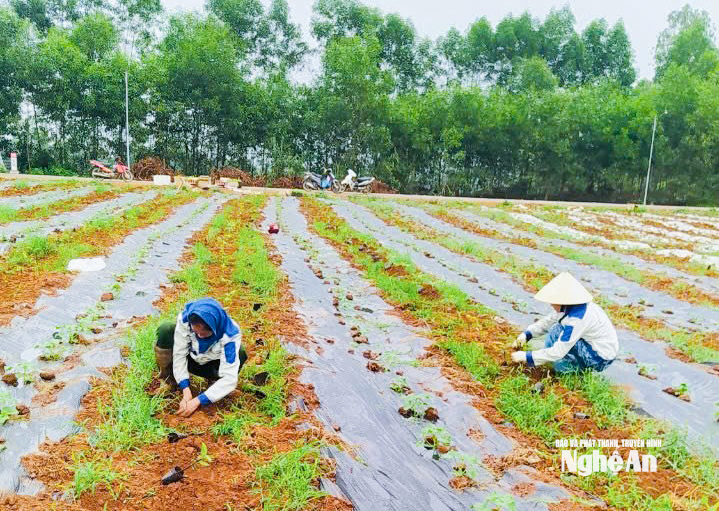
In the modern agricultural landscape, as the trend of clean and organic production spreads, many women have chosen the path of green entrepreneurship, a sustainable but challenging direction. They not only manage production models but also act as connectors, creating linkages from farmers to markets, from seeds to finished products.
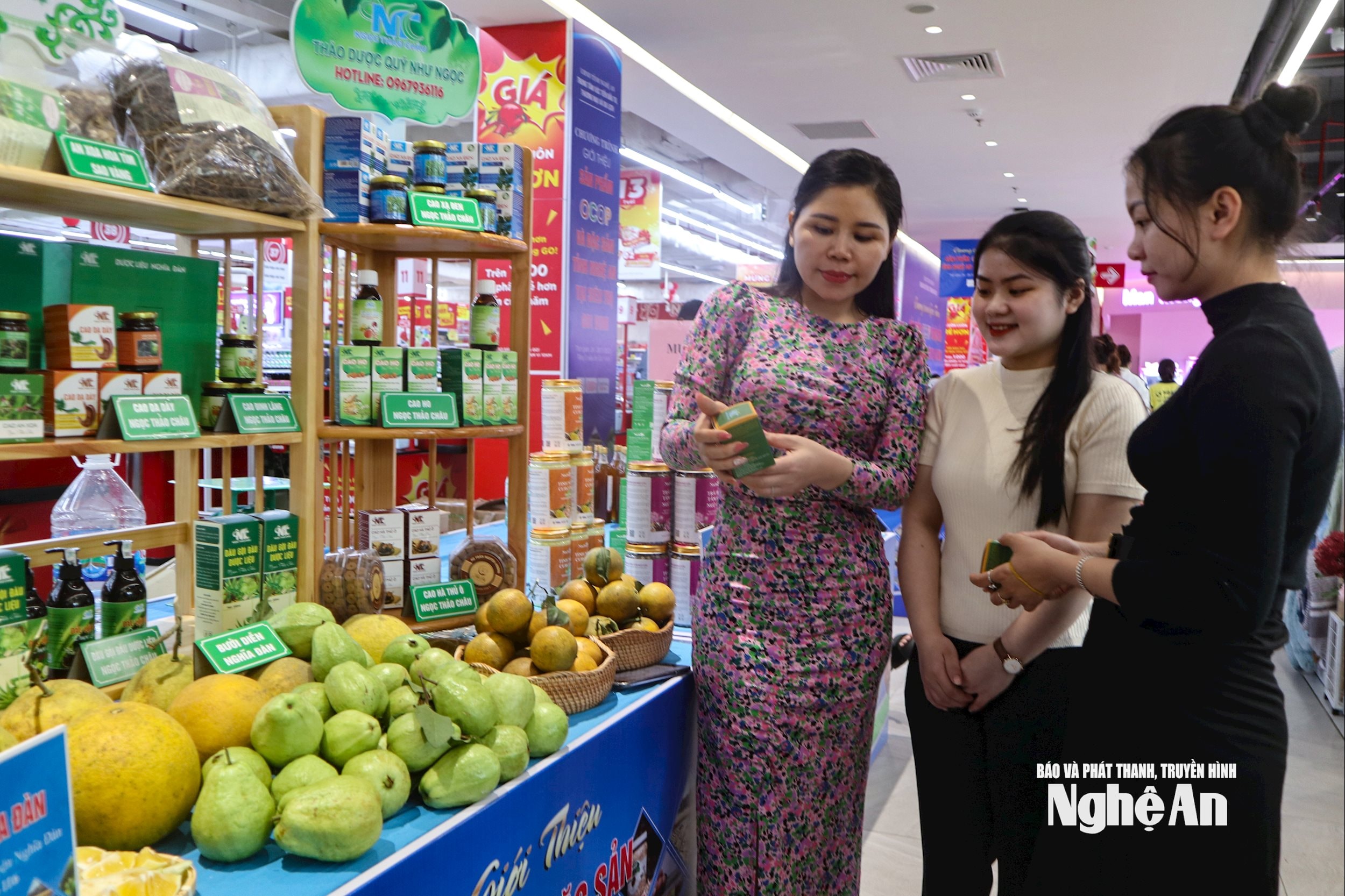
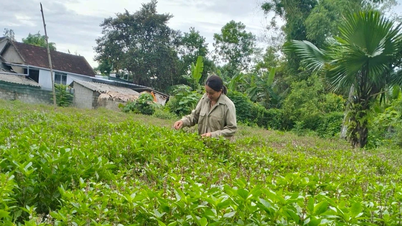
Ms. Nguyen Thi Chau, Director of Nghia Dan Medicinal Herbs Cooperative, is one of the exemplary female entrepreneurs on that journey. Transitioning from a civil servant to an entrepreneur, Ms. Chau chose medicinal plants – a "fussy" but highly potential crop – to unlock the value of her homeland's red basalt soil. "Doing business isn't just about making profit, but about unlocking the potential of the land, creating livelihoods for the people, and spreading the value of natural, circular, and sustainable agriculture," she shared.
.jpg)
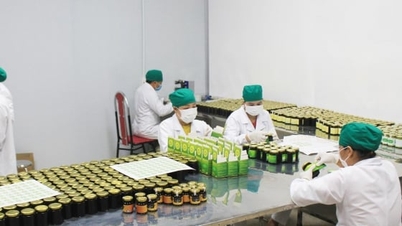
Starting with just a few hectares of land planted with An Xoa, Xa Den, and Doi Tim in Nghia Tho commune, the Nghia Dan Medicinal Herbs Cooperative faced numerous difficulties: people lacked capital, seedlings, and were hesitant about the new model. Ms. Chau and her colleagues went from house to house, persuading each household to participate, patiently demonstrating that medicinal plants could become a stable livelihood on sloping land. When the first rows of plants turned green, hope gradually blossomed. From just a few initial households, the cooperative now employs over 100 workers, mostly women, creating more than 20 lines of natural medicinal products, 10 of which have achieved OCOP 3-star certification.
Accordingly, the herbal residue after extraction is composted into bio-fertilizer and used to fertilize crops, creating a closed-loop cycle of "planting - processing - extraction - consumption - regeneration". This method not only saves costs but also preserves soil fertility. In addition, the cooperative also applies modern extraction technology, investing in a low-temperature vacuum concentration line to preserve medicinal properties; at the same time, it has undergone digital transformation in management and sales, bringing its products to e-commerce platforms, with a presence at more than 1,000 sales points nationwide. Now, each hectare of hillside land represents an additional job opportunity, a more sustainable livelihood, and a contribution to the local agricultural structure.
From the herbal medicine model, we have the story of Tran Thi Vui, a young woman born in the 1990s, who founded a company specializing in herbal medicines, taking a path from indigenous knowledge to natural health care products. Born into a family with a tradition of traditional medicine in Yen Thanh, Vui developed an early passion for herbs. While in university, she cured her skin allergy using a natural remedy. From then on, she nurtured the aspiration to "give people back a sense of closeness and harmony with nature." After many years of diligent research, she launched four product lines extracted from herbs: shampoo, feminine hygiene wash, bath water, and lipstick. The products have been widely accepted by consumers, paving the way for the sustainable development of the indigenous herbal medicine brand. Accordingly, Ms. Vui particularly focuses on linking with raw material sources, aiming for a closed value chain from cultivation and production to consumption.
Mr. Dam Duy Tu, owner of a 10-hectare fruit farm in Quynh Tam commune, shared: “From 2025, my organic fruit farm will have its by-products such as flowers, leaves, and young pomelo fruits from pruning purchased by Ms. Vui's company. This provides a significant additional source of income. The company requires that all materials be grown naturally, without the use of chemicals, which further motivates me to pursue clean, organic production.”
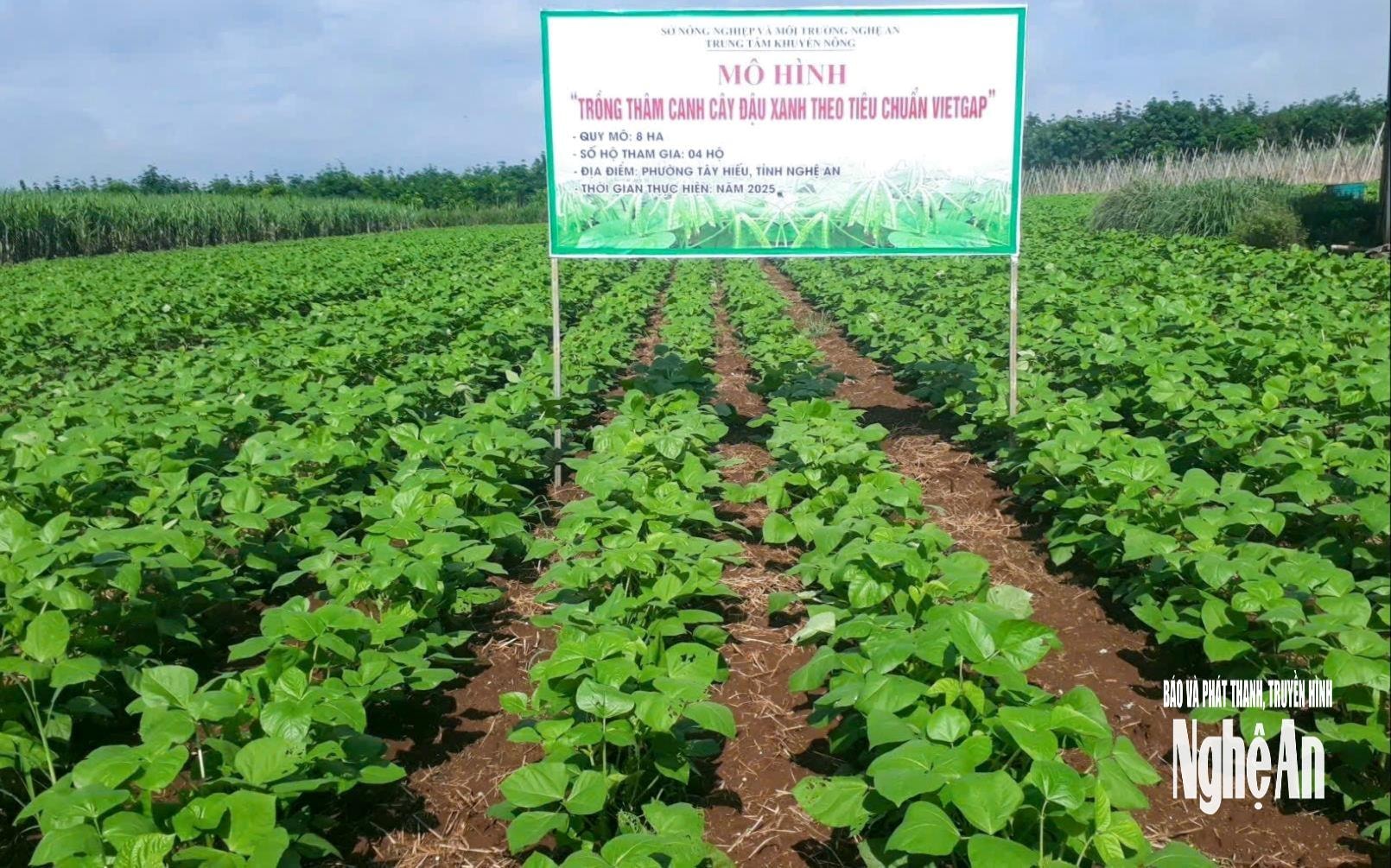
This approach not only opens up new avenues for hundreds of farming households in the region but also contributes to the formation of a green value chain, where each link benefits. Currently, fruit farms such as those growing oranges and pomelos, or spice farms such as those growing perilla, lemongrass, and ginger, in Nghia Hung, Quynh Tam, and Yen Thanh districts, are all cultivating and caring for their crops organically to supply raw materials to herbal and medicinal companies, thereby increasing revenue and value. "Seed-sowers" like Ms. Nguyen Thi Chau and Ms. Tran Thi Vui are quietly creating a new face for Nghe An's agriculture – an agriculture that is responsible to the land, the people, and the future.
From local agricultural products to the big market.
While in the past many rural women were solely involved in farming, they have now become entrepreneurs and managers, taking their local agricultural products to a wider market. From individual households and cooperatives to businesses and associations, many products owned and managed by women are now available on e-commerce platforms, in supermarkets, and even exported abroad.
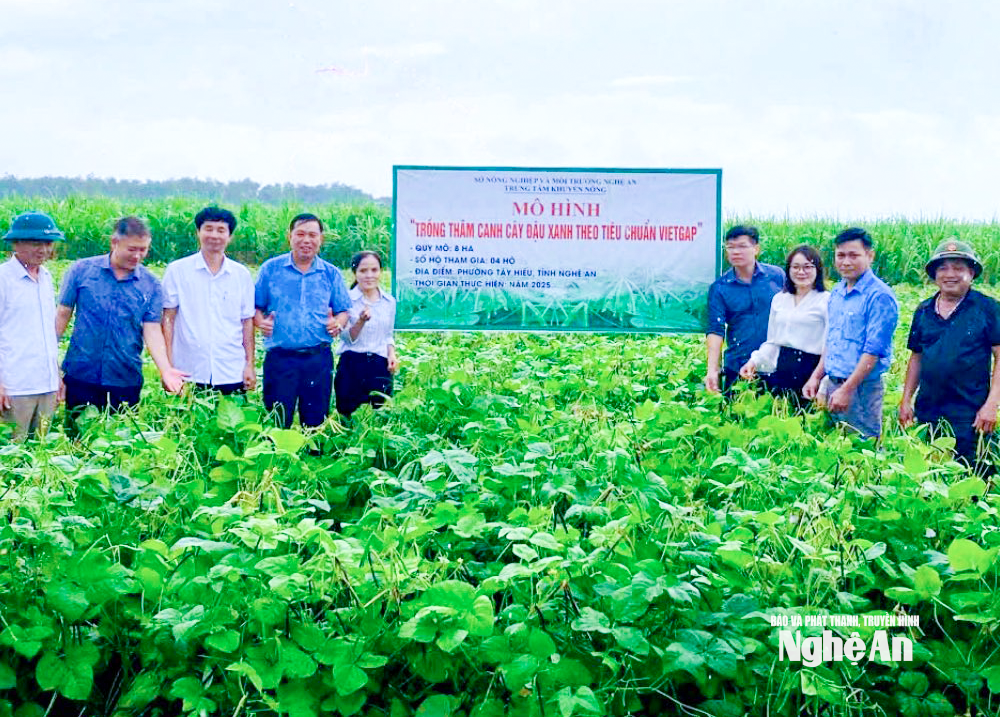
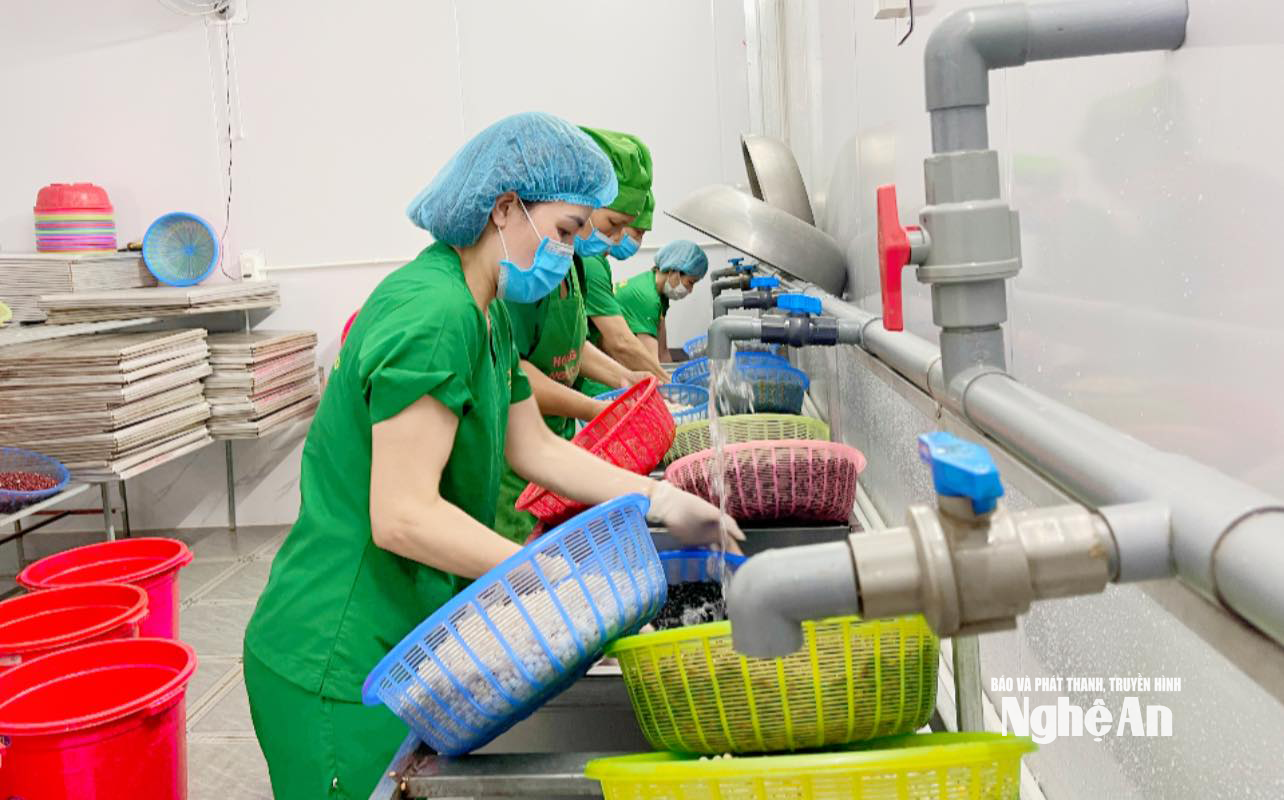
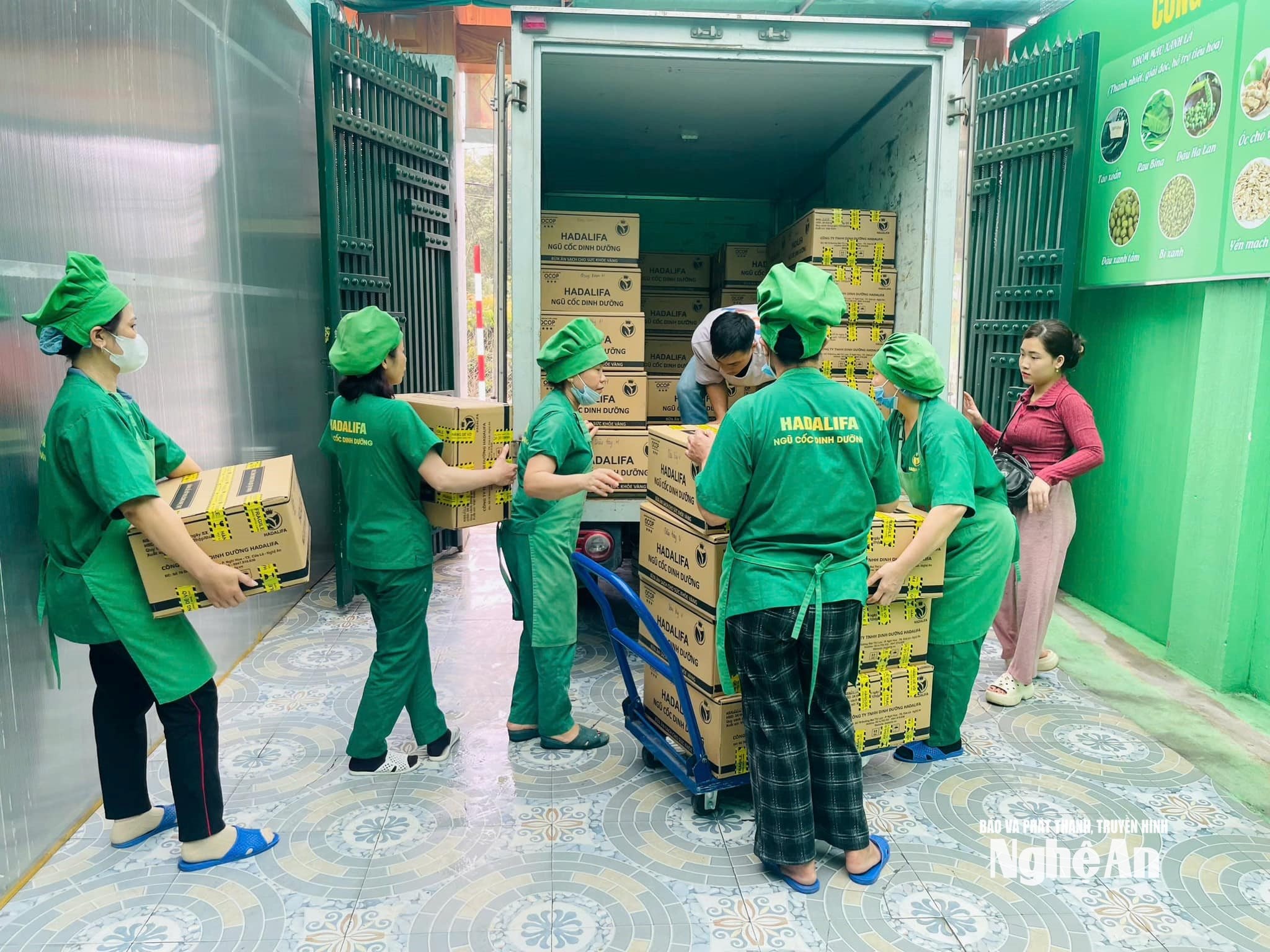
One prime example is Ms. Phan Thi Lien, the founder of the Hadalifa nutritional cereal brand in Cua Lo ward. Driven by a love for natural, healthy products, Ms. Lien dedicated herself to building a nutritional cereal brand deeply rooted in Vietnamese agricultural practices. In just four years, her company has become a trusted brand, offering dozens of cereal products made from 25 types of natural grains, from black beans, red beans, and kidney beans to macadamia nuts, almonds, and oats—all grown according to clean agricultural standards.
Accordingly, the company has created a 300-hectare raw material area in collaboration with cooperatives inside and outside the province, creating a closed production chain of "farmers - factories - markets," while also providing stable employment for nearly 10 official employees and hundreds of sales collaborators nationwide.
Not content with just production, Ms. Lien also proactively embraced digital transformation, bringing her products to e-commerce platforms and building a brand identity and traceability system.
Ms. Nguyen Thi Chau is also following that path, perfecting the production-processing-consumption chain, aiming for export. Currently, the cooperative has achieved VietGAP, HACCP, and ISO certifications and is completing international standards for its health protection product group. Her project, "Developing a circular green product chain associated with the preservation of valuable medicinal herbs," has won numerous awards, affirming the persistent efforts of women in Nghe An on their green entrepreneurship journey.
From these models, it can be seen that women not only start businesses with passion but also with innovative thinking. They shift from small-scale production to deep processing, from selling raw agricultural products to building brands and ensuring traceability. This mindset has helped Nghe An's agricultural products gradually conquer the market, increase their value, and contribute to transforming the local agriculture towards a modern and sustainable direction. From medicinal plants on the red soil of Nghia Dan, from grains in Cua Lo, from bottles of herbal essential oils from a girl in Yen Thanh… these have formed "green brands," possessing both economic value and spreading the spirit of living in harmony with nature.
Source: https://baonghean.vn/nhung-nu-doanh-nhan-nghe-an-gieo-khat-vong-tu-nong-nghiep-sach-10308527.html


![[Photo] Prime Minister Pham Minh Chinh holds a phone call with the CEO of Russia's Rosatom Corporation.](/_next/image?url=https%3A%2F%2Fvphoto.vietnam.vn%2Fthumb%2F1200x675%2Fvietnam%2Fresource%2FIMAGE%2F2025%2F12%2F11%2F1765464552365_dsc-5295-jpg.webp&w=3840&q=75)





































































Comment (0)