

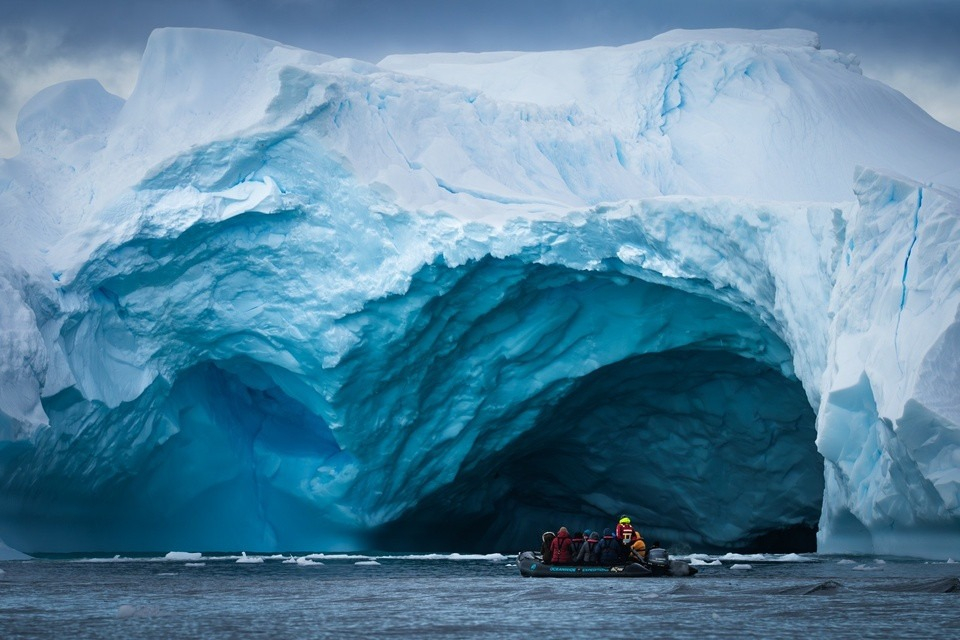
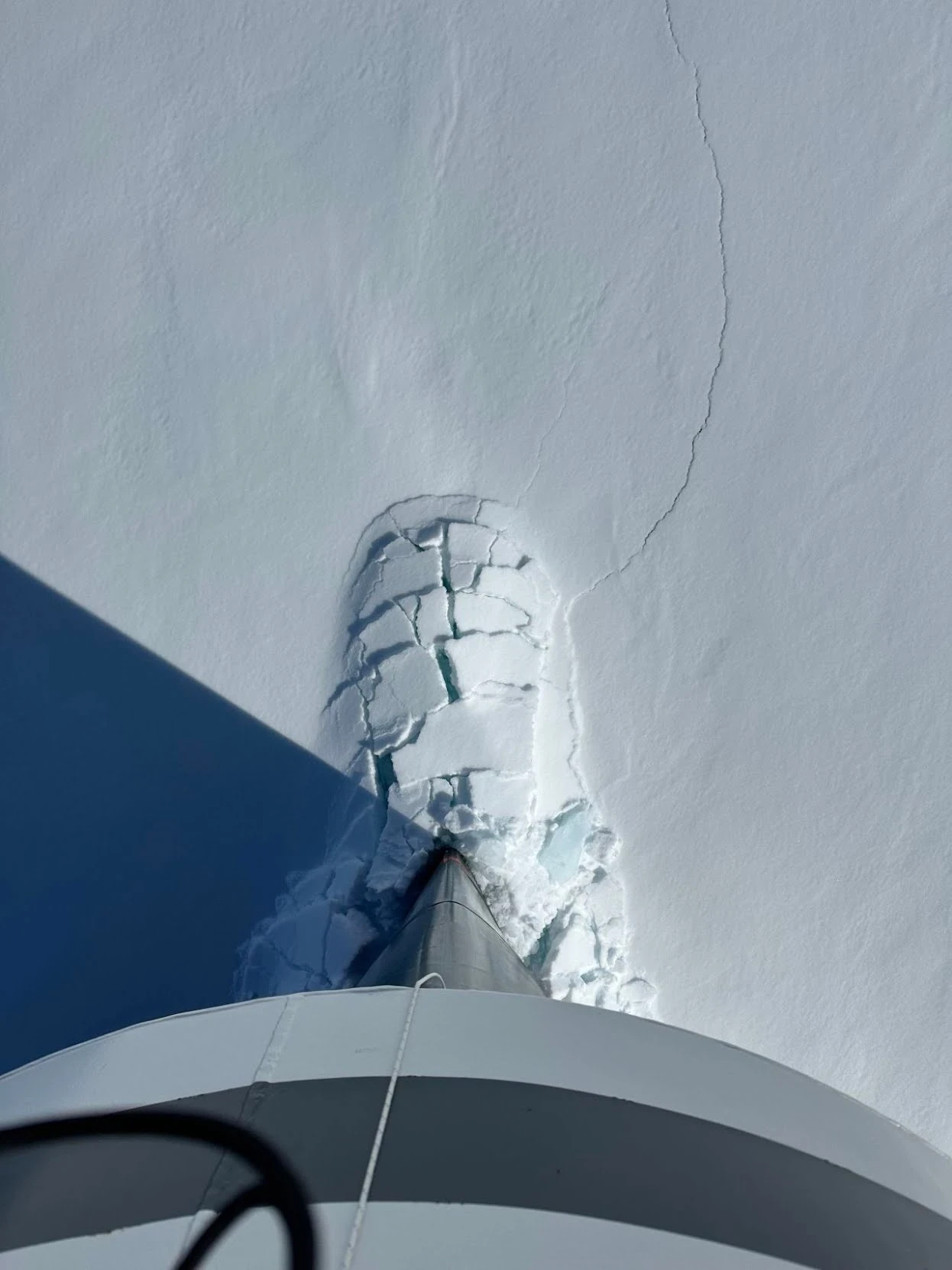
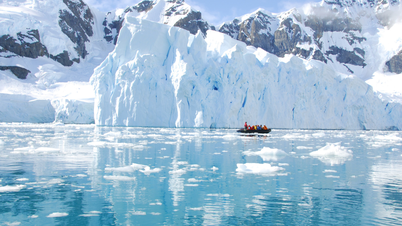
On a sunny afternoon in Hanusse Bay (off the west coast of Graham Land Island, Antarctica), the expedition cruise ship Seabourn Pursuit slowly approached its anchorage, its bow gradually touching a thick layer of ice.
250 passengers rushed out onto the balcony, leaning against the ship's walls to see what was happening. The crew did not rush to throw lifeboats like the Titanic disaster, but instead announced that the passengers would disembark, starting the first activity in Antarctica - walking on the ice and raising glasses of champagne to welcome visitors to the southernmost point of the Earth.
Attractive tourist coordinatesAntarctica has seen a significant increase in visitor numbers since before Covid-19.
According to According to CNN , the International Association of Antarctic Tour Operators (IAATO) began tracking the number of visitors to the continent in the early 1990s. At that time, approximately 7,000 people visited the destination each year.
The numbers have exploded over the past half decade.
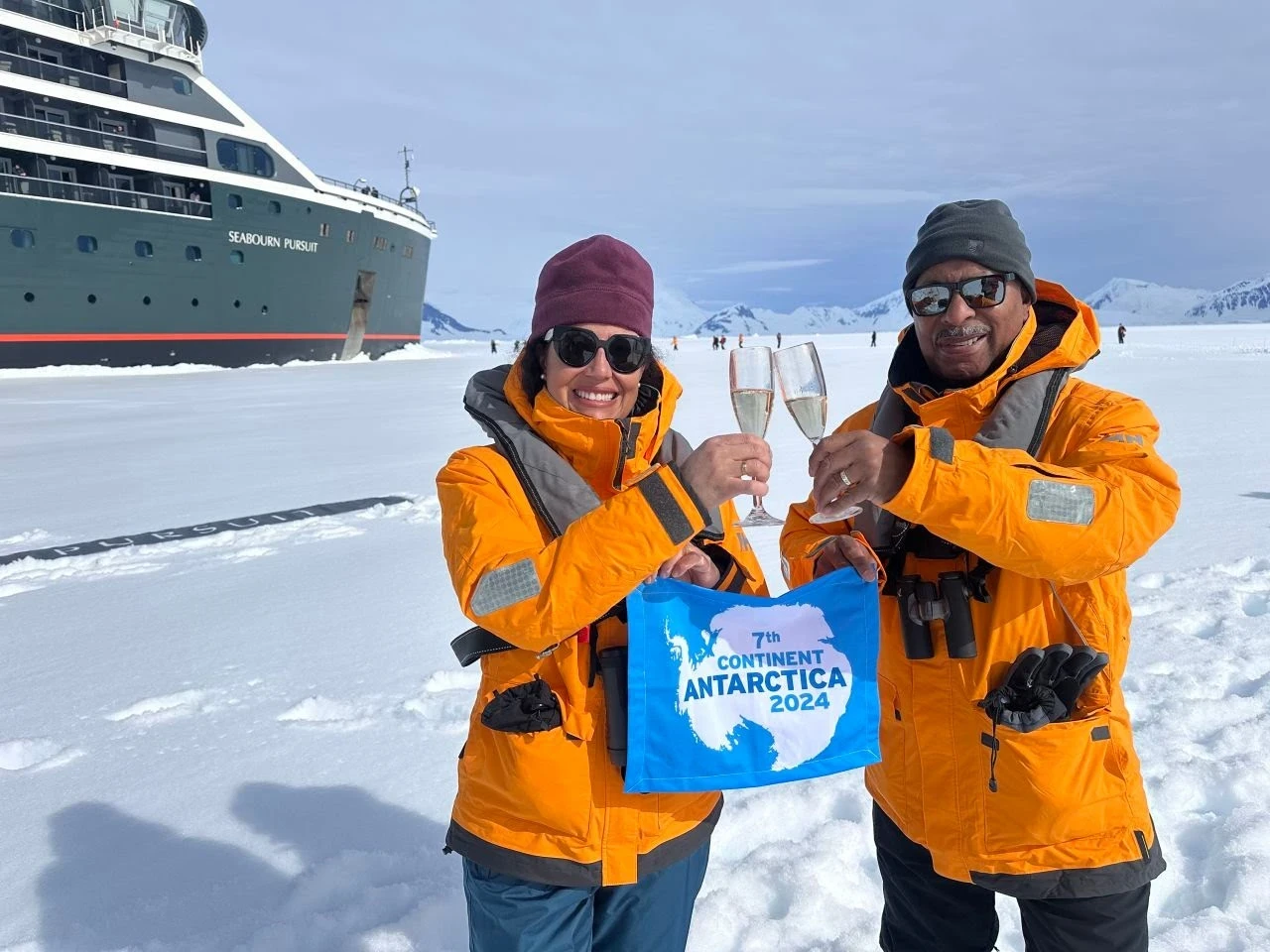
In winter 2017, fewer than 44,000 tourists explored Antarctica. This year, the number of visitors has surpassed 122,000.
The coldest continent on Earth attracts visitors thanks to its easy travel and luxurious feel.
A few decades ago, anyone wanting to reach the South Pole had to travel on small ships, many of which were former "ice cutters" from Russia, Canada, and other polar nations. Reaching Antarctica was nothing short of a luxury.
Many of the ships back then had bunk beds and shared bathrooms, and few had windows to look outside, said Robin West, vice president and general manager of expeditions at Seabourn, who made his first trip to the area in 2002. The experience on an expedition ship today is much different.
Colleen McDaniel, editor-in-chief of Cruise Critic, noted that Lindblad and National Geographic cruise lines opened up opportunities for travelers to explore Antarctica more than a decade ago.
“The team were pioneers in bringing the Antarctic experience to a diverse audience,” says McDaniel.
In recent years, many cruise lines have spent billions of dollars investing in luxury cruise ships, according to CNN .
For example, Seabourn Pursuit and Venture. Both have 9 restaurants, 8 lounges, and bars for 250 passengers on board. All 132 cabins have large glass windows and balconies, allowing passengers to easily admire the majestic icebergs from outside the ship.
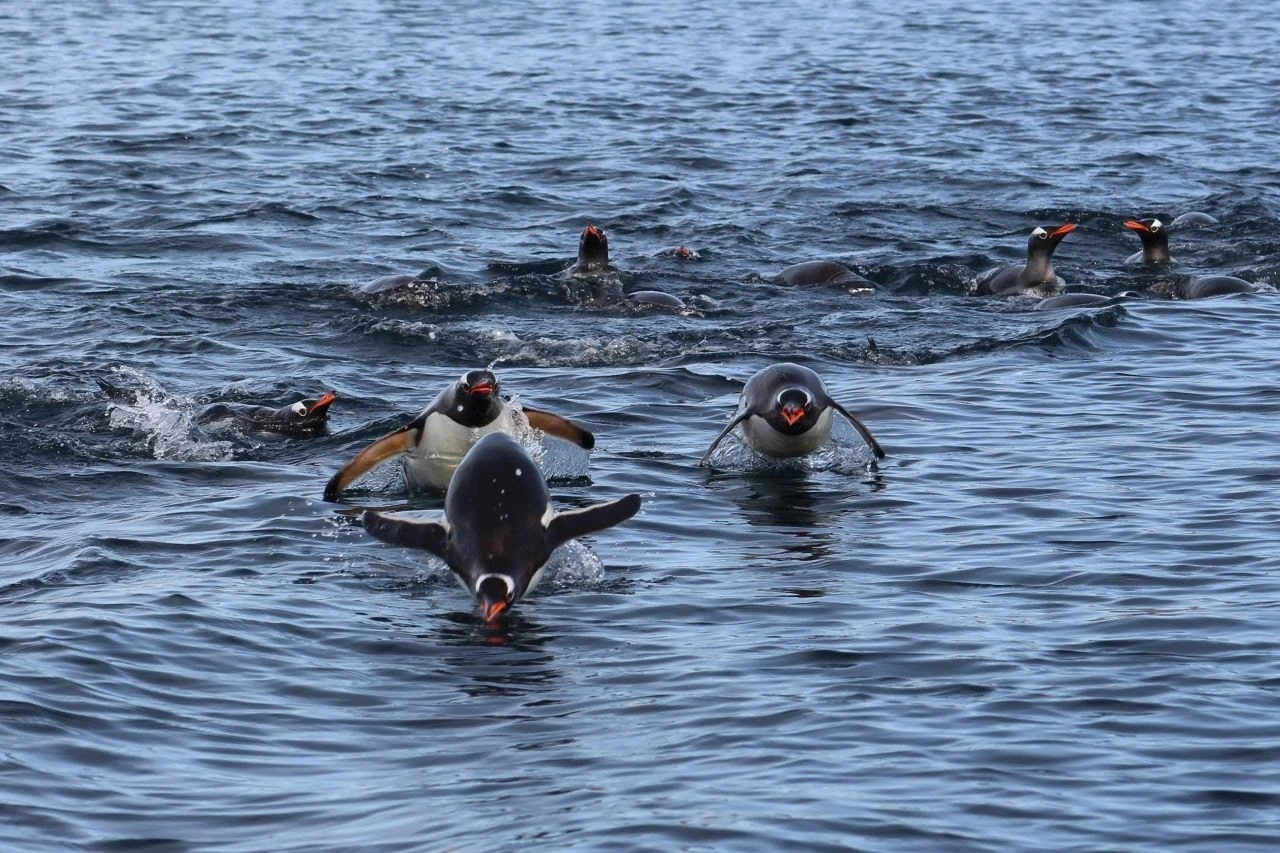
Furthermore, passengers can choose to explore Antarctica in a submarine or kayak for an additional fee. The harsh weather is also mitigated by special equipment, ensuring warmth and dryness while strolling with penguins and seals.
Environmental concernsAmid the surge in tourism to Antarctica, some experts warn of the environmental impact, particularly as visitor numbers surge there.
A study published in the journal Nature in 2022 found that Antarctica's snow is melting faster due to the number of tourists visiting the continent.
Accordingly, soot from the chimneys of cruise ships is released into the atmosphere, then adheres to the ice surface. The fineness of the soot absorbs sunlight. That is why the snow melts early.
Some ecologists say that the increasing human presence in Antarctica is also leading to unusually high CO2 levels in an area not accustomed to it.
For their part, cruise ship operators say they are acutely aware of the negative impact on the natural environment.
As proof, passengers using the service will receive a regulation prohibiting the carrying of food or pollutants when traveling to Antarctica. In addition, some behaviors such as lying on the snow, approaching animals (to prevent bacteria and viruses from humans to wild animals) are also prohibited.
Countries that want to exploit tourism or conduct research in Antarctica must sign an Antarctic Treaty, according to CNN . The treaty stipulates that no organization or individual can build permanent structures in the area to serve tourists. In other words, no accommodation facilities are allowed in Antarctica. IAATO has started to monitor the fuel consumption of cruise ships in the South Pole. Some operators are now trying to use electric propulsion to reduce black smoke and CO2 emissions.
Source



























![[Video] The craft of making Dong Ho folk paintings has been inscribed by UNESCO on the List of Crafts in Need of Urgent Safeguarding.](https://vphoto.vietnam.vn/thumb/402x226/vietnam/resource/IMAGE/2025/12/10/1765350246533_tranh-dong-ho-734-jpg.webp)































































Comment (0)