

The Ministry of Interior stated that in 2025, it will focus on promoting decentralization and delegation of power between the central and local governments with the motto "local governments decide, local governments act, local governments are responsible," coupled with strengthening inspection, supervision, and control of power, especially emphasizing the responsibility of the heads of departments.
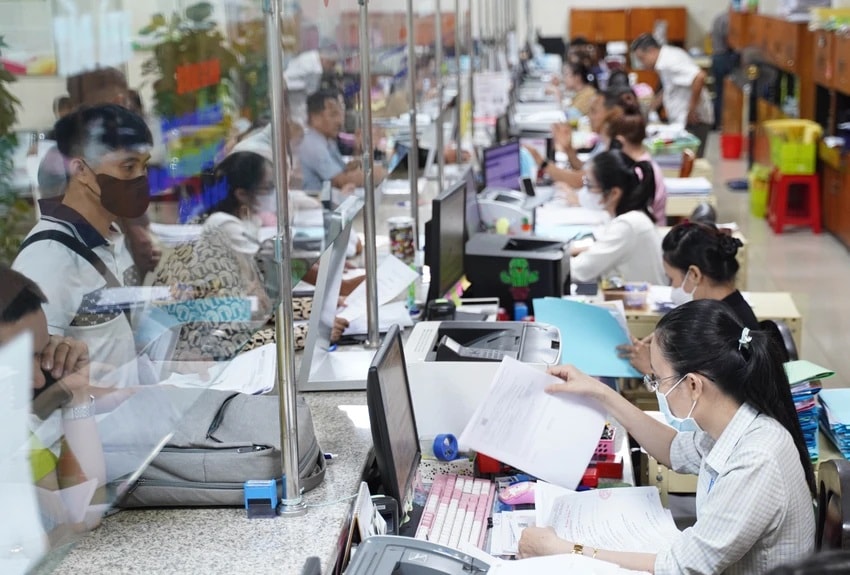
Resolution No. 18-NQ/TW of the 6th Plenum of the 12th Central Committee affirmed: Implement strong and rational decentralization and delegation of power between the central and local levels, and between higher and lower levels, linking authority with responsibility; simultaneously, build a strict mechanism for controlling power through Party regulations and State laws, ensuring democracy, openness, transparency, upholding accountability, and strengthening inspection and supervision of implementation. Encourage dynamism, creativity, and promote the proactive role of all levels, sectors, and localities in building and consolidating organizations, streamlining the apparatus, and reducing staffing levels.
The principle of decentralization and delegation of power between the central and local governments, with the motto "local governments decide, local governments act, local governments are responsible," has been a central focus in the legislative work of the National Assembly in recent times. For example, at the 8th session, the laws passed by the National Assembly clearly demonstrated this spirit. Accordingly, the laws considered and passed by the National Assembly only stipulated framework issues and matters of principle, while practical issues that are constantly changing were left to the Government and local governments to regulate, ensuring flexibility in administration.
For example, the recently passed amended Law on Public Investment has a new feature regarding the authority to decide on investment policies for Group B and Group C projects. The decentralization of authority to the People's Committees at all levels to decide on investment policies for Group B and Group C projects under local management represents a significant shift from the authority of the People's Councils at all levels to the People's Committees at all levels.
Furthermore, in the spirit of innovation, and to enhance flexibility in the management and implementation of the medium-term public investment plan, the amended Law on Public Investment has assigned the Prime Minister the authority to decide on adjustments to the medium-term public investment plan using central government budget funds in the following cases: Adjusting the medium-term public investment plan using central government budget funds between ministries, central agencies, and localities, provided that the total medium-term capital level approved by the National Assembly is not exceeded, ensuring efficient use of capital, and reporting to the National Assembly at the nearest session...
According to Mr. Nguyen Duc Tam, Deputy Minister of Planning and Investment, the new Public Investment Law has promoted decentralization and delegation of authority, enhanced the responsibility of leaders, and improved the flexibility and proactiveness of all levels and sectors in managing and implementing public investment plans. The law also promotes the implementation and disbursement of ODA funds and preferential loans from foreign donors.
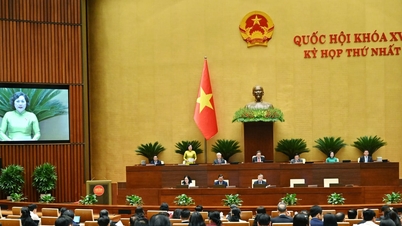
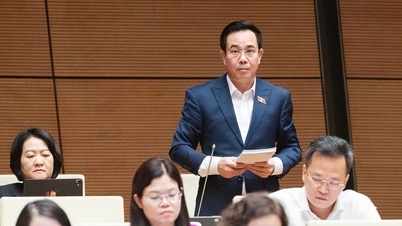
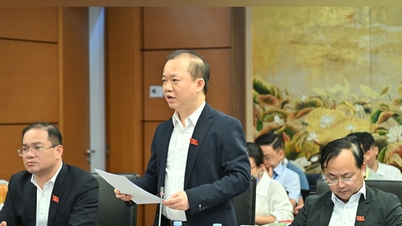
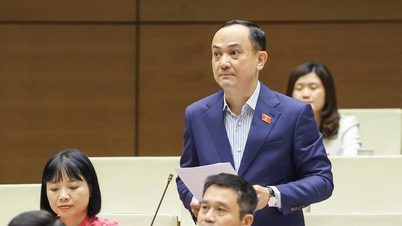
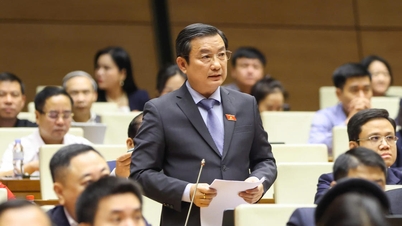
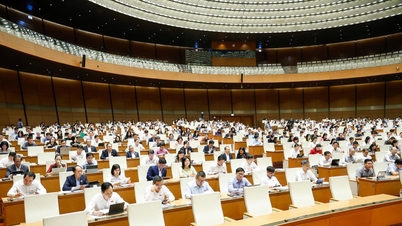
Decentralization and delegation of power were also raised by National Assembly deputies. During the questioning of Prime Minister Pham Minh Chinh, National Assembly Deputy Mai Thi Phuong Hoa (Nam Dinh delegation) requested the Prime Minister to provide solutions to further promote decentralization and delegation of power between the Government and ministries, agencies, and localities in the coming period. National Assembly Deputy Duong Khac Mai (Dak Nong delegation) also requested the Prime Minister to provide additional solutions to overcome limitations and shortcomings in order to promote decentralization and delegation of power with the motto: localities decide, localities act, localities take responsibility.
Regarding this issue, Prime Minister Pham Minh Chinh affirmed that it is necessary to review the institutional framework, Party regulations, and legal regulations; review the functions, tasks, and powers of agencies, specifically by reconsidering the Law on Government Organization, the Law on National Assembly Organization, and the Law on Local Government Organization. At the same time, it is necessary to improve standards and regulations, and strengthen supervision and inspection. Decentralization and delegation of power must go hand in hand with resource allocation and improving the implementation capacity of all levels.
In addition, the Prime Minister also emphasized that decentralization and delegation of power must go hand in hand with resource allocation, improving implementation capacity, and inspection and supervision during the decentralization and delegation process. Currently, we have laws that are essentially amendments to multiple laws. This contributes to the reallocation of resources alongside decentralization and delegation of power.
Recently, at a meeting with agencies of the National Assembly, agencies under the Standing Committee of the National Assembly, and the National Assembly Office to summarize the work of 2024, National Assembly Chairman Tran Thanh Man also requested that agencies of the National Assembly, agencies under the Standing Committee of the National Assembly, and the National Assembly Office continue to innovate their thinking in lawmaking, decentralize and delegate power to handle work, ensuring clear roles, tasks, and responsibilities.
Source: https://daidoanket.vn/phan-cap-phan-quyen-gan-voi-phan-bo-nguon-luc-10297070.html

![[Photo] General Secretary and President To Lam meets with National Assembly delegates from ethnic minorities.](https://vphoto.vietnam.vn/thumb/1200x675/vietnam/resource/IMAGE/2026/04/20/1776696701056_a1-bnd-8331-3342-jpg.webp)
![[Image] National Assembly discusses the implementation of the socio-economic development plan.](https://vphoto.vietnam.vn/thumb/1200x675/vietnam/resource/IMAGE/2026/04/20/1776696707422_ndo_br_img-20260420-185419-jpg.webp)
























































































Comment (0)