

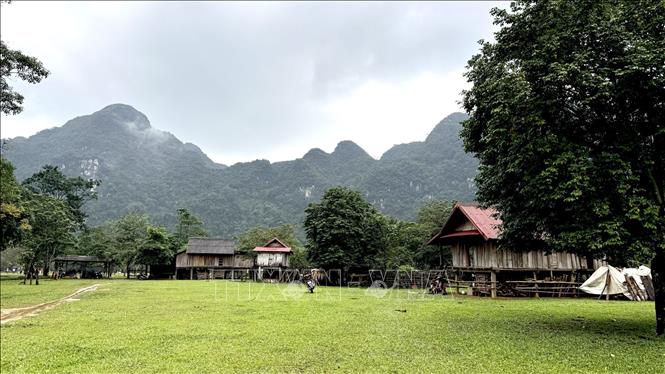
Create lasting appeal
According to the Ministry of Agriculture and Environment , the country has more than 600 agricultural and rural tourism models in operation, an increase of over 230 models compared to 2022. In each region, agricultural tourism product models with strong cultural identity have been formed, associated with farming practices and rural people's lives, harmonizing economic - social - environmental development, demonstrating respect for nature and preserving indigenous values in the process of exploiting and developing the tourism economy.
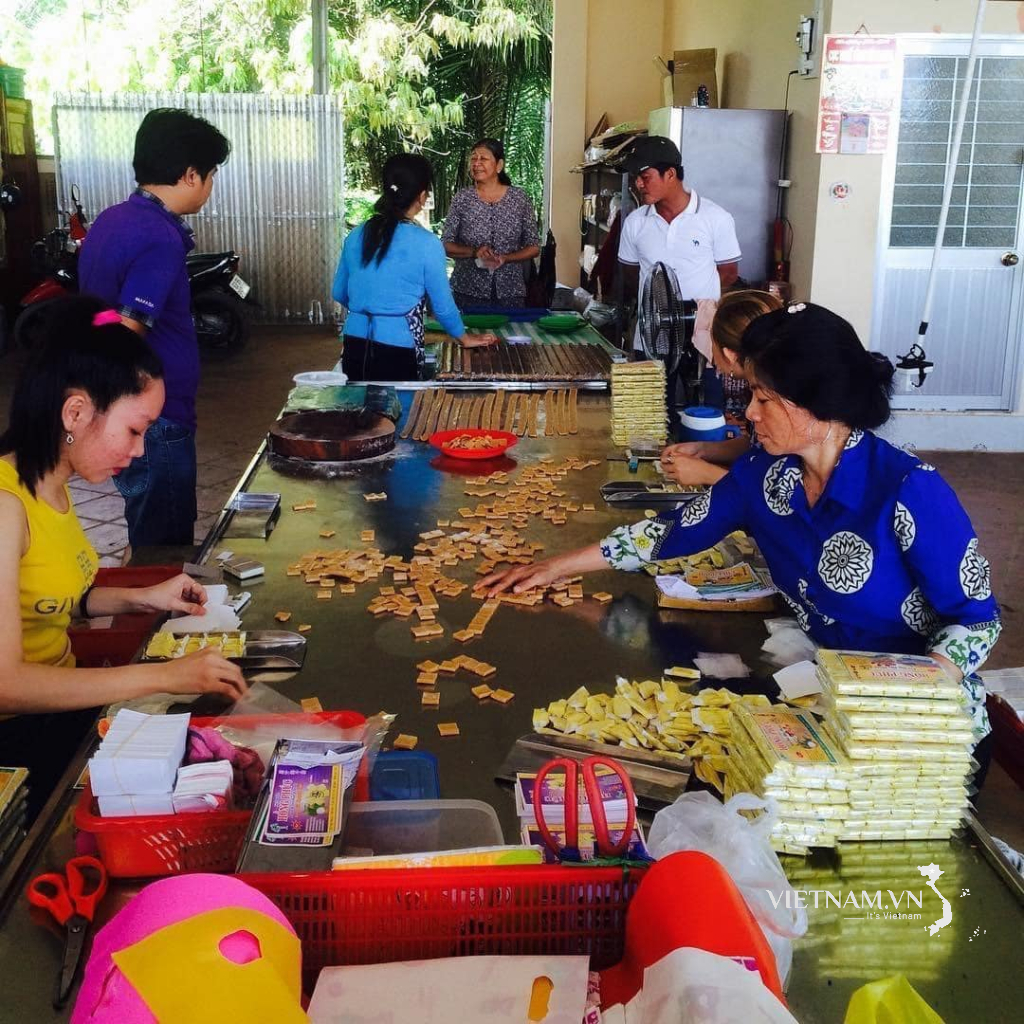
In the Southern region, many rural tourism models have been built and exploited from gardens, craft villages, floating markets, mangrove forests, freshwater wetlands... to create unique products to attract tourists while ensuring jobs, increasing income, contributing to preserving cultural values and protecting the local ecological environment.
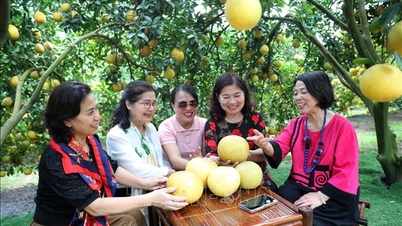
Vice Chairman of Dong Thap Provincial People's Committee Nguyen Thanh Dieu said: There are currently 106 community tourism, craft village tourism, agricultural and rural tourism sites operating regularly in the province. Rural tourism products have been demonstrating the harmonious development between the economy and environmental protection, ecology, cultural preservation, creating attraction for tourists. Many typical experiential tourism programs such as A day as a farmer, Flood season, Farmer's story, Cao Lanh - mango capital, Lai Vung - world of pink grapefruit, Thap Muoi - kingdom of pink lotus...
In Can Tho, Mr. Tran Van Nguyen, Secretary of the Party Committee of An Thanh commune, said: The commune has an agricultural production area of 4,700 hectares, accounting for nearly 50% of the total natural area of the commune. The area of fruit trees in the commune alone is nearly 3,000 hectares with many rich and diverse varieties including mango, plum, longan, coconut, guava, dragon fruit... From this advantage, An Thanh focuses on developing high-tech ecological agriculture associated with rural tourism development, improving people's lives. In the process of building a civilized new countryside and ensuring the ecological environment, the commune focuses on developing safe and environmentally friendly agricultural production models such as fruit gardens combined with eco-tourism and clean aquaculture.
Many rural tourist spots in the area are being exploited in the direction of ecological agricultural production. Of which, Long An tourist spot has 6 households participating, with a total area of over 5.3 hectares growing longan, mango, jackfruit, plum, attracting nearly 5,000 visitors each year, achieving a total revenue of about 1 billion VND/year. Truong Tien tourist spot has about 4.5 hectares of garden growing many varieties of mango and longan; annually welcoming more than 6,500 visitors to visit the garden, wrap traditional cakes, practice rowing boats..., bringing in a revenue of about 1.3 billion VND/year.
According to the Party Secretary of An Thanh commune, developing agricultural production, rural tourism, creating more added value for agricultural products, ensuring ecological environment, civilized countryside. In the coming time, An Thanh commune will continue to promote agricultural structure towards increasing added value associated with concentrated growing areas; promoting the construction of specialized areas associated with environmental protection, biodiversity, forming "circular agriculture" models in the direction of organic, environmentally friendly; strengthening support activities, connecting farmers and businesses to increase productivity, reduce production costs, increase added value and competitiveness of agricultural products associated with developing ecotourism.
Creating a green, sustainable living environment
Referring to the development of rural tourism, Associate Professor Pham Trung Luong, a member of the National Planning Advisory Group, said that it is necessary to link sustainable rural tourism development with ensuring ecological civilization and creating a green living environment. The local community plays the role of the subject, creating and preserving values. Along with that, ensuring ecological civilization is the harmonious and synchronous development of economy, society, environment, culture, respecting nature, and preserving indigenous culture. By doing so, rural tourism will truly become one of the "channels" to sow the seeds of a green lifestyle and a clean environment from the villages.
Sharing the same view, Dr. Le Hoang Dung, Vice Rector of the University of Social Sciences and Humanities (Ho Chi Minh City National University) affirmed that in the context of globalization and modernization, agricultural and rural tourism is increasingly asserting its role as a sustainable direction for Vietnam tourism. This is not only a way to contribute to the development of the agricultural economy and increase people's income, but also an opportunity to preserve cultural identity, promote the value of natural resources and indigenous knowledge, the precious "green assets" of Vietnam's countryside.
Emphasizing the development of tourism associated with ensuring sustainability and creating a green living environment, Mr. Nguyen Minh Tien, Director of the Agricultural Trade Promotion Center (Ministry of Agriculture and Environment) analyzed: One of the trends chosen by many tourists is green tourism destinations, which do not consume nature but on the contrary help protect nature and the environment. Therefore, rural tourism is not only about experiencing the countryside but also about creating green livelihoods, green economy and green living environment for rural people. If the landscape and environment are not clean and fresh, tourists will not stay or return, and people will also be affected in terms of health and quality of life.
Mr. Nguyen Minh Tien said that localities, tourism businesses and people themselves need to promote and connect local agricultural products with tourism activities to increase economic efficiency, contributing to creating a healthy, green and sustainable living environment. These can be activities such as visiting farms, experiencing farming, experiencing local culture, enjoying specialties in the garden, creating a circular value chain of "planting - harvesting - experiencing" for tourists. Authorities at all levels need to have many policies and support mechanisms related to green infrastructure development, building community homestays; organizing propaganda, raising people's awareness of environmental protection, waste classification, and resource saving. In particular, localities need to attach importance to the role of environmental infrastructure systems such as waste collection, classification and treatment systems suitable for rural areas, construction of domestic wastewater treatment facilities, standard toilets at tourist sites, boat docks, rural markets, rows of trees, flower roads, etc., considering this as the "foundation" for long-term, sustainable development of rural tourism.
According to Associate Professor Ngo Thi Thu Trang, Faculty of Geography, University of Social Sciences and Humanities (Ho Chi Minh City National University), for tourism activities, coming to the countryside means coming to a green heritage area - where each village not only preserves architecture but also preserves a way of life in harmony with nature. Therefore, developing rural tourism in the direction of civilization, ecology and creating a green living environment, the most important goal is that people must be able to live on tourism, the rural economy must develop in association with green areas. In this regard, the role of the local community is extremely important. People are the center, the beneficiaries and maintainers of sustainable tourism activities. When people are proud of their homeland's identity, they will proactively do tourism and build a brand for the locality and region, confidently introducing and spreading indigenous cultural values to tourists.
Source: https://baotintuc.vn/du-lich/phat-trien-du-lich-nong-thon-gan-voi-van-minh-sinh-thai-20251210094245654.htm

![[Photo] Explore the US Navy's USS Robert Smalls warship](/_next/image?url=https%3A%2F%2Fvphoto.vietnam.vn%2Fthumb%2F1200x675%2Fvietnam%2Fresource%2FIMAGE%2F2025%2F12%2F10%2F1765341533272_11212121-8303-jpg.webp&w=3840&q=75)























![[Video] The craft of making Dong Ho folk paintings has been inscribed by UNESCO on the List of Crafts in Need of Urgent Safeguarding.](https://vphoto.vietnam.vn/thumb/402x226/vietnam/resource/IMAGE/2025/12/10/1765350246533_tranh-dong-ho-734-jpg.webp)














































Comment (0)