

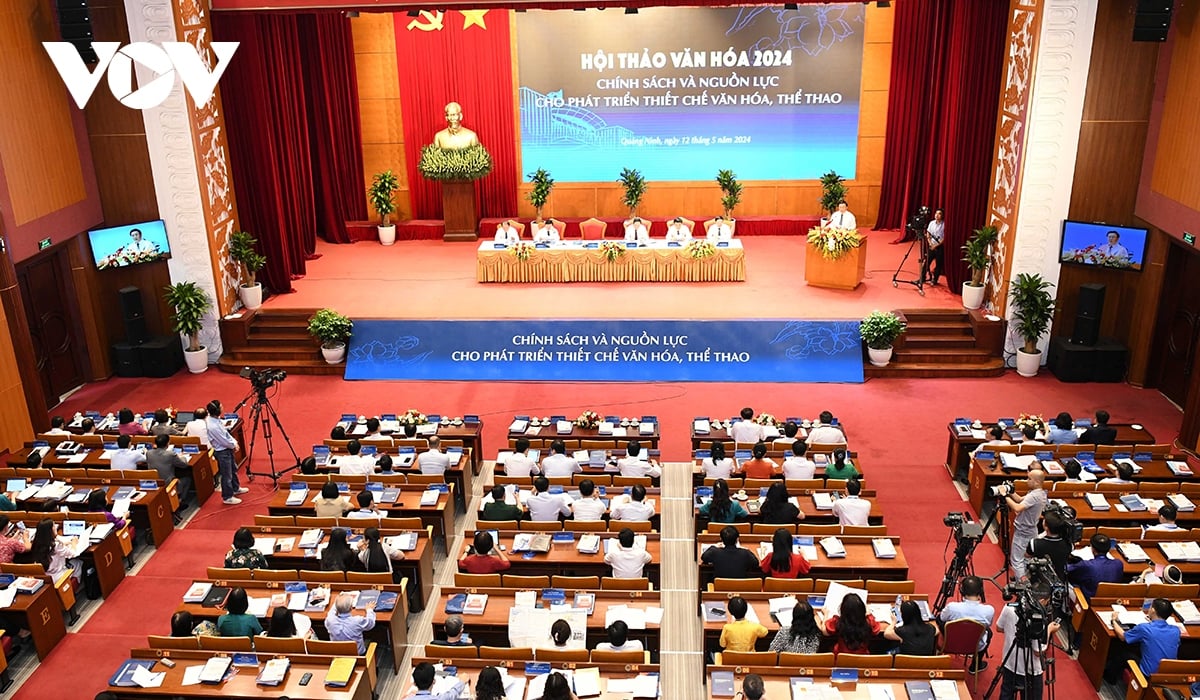
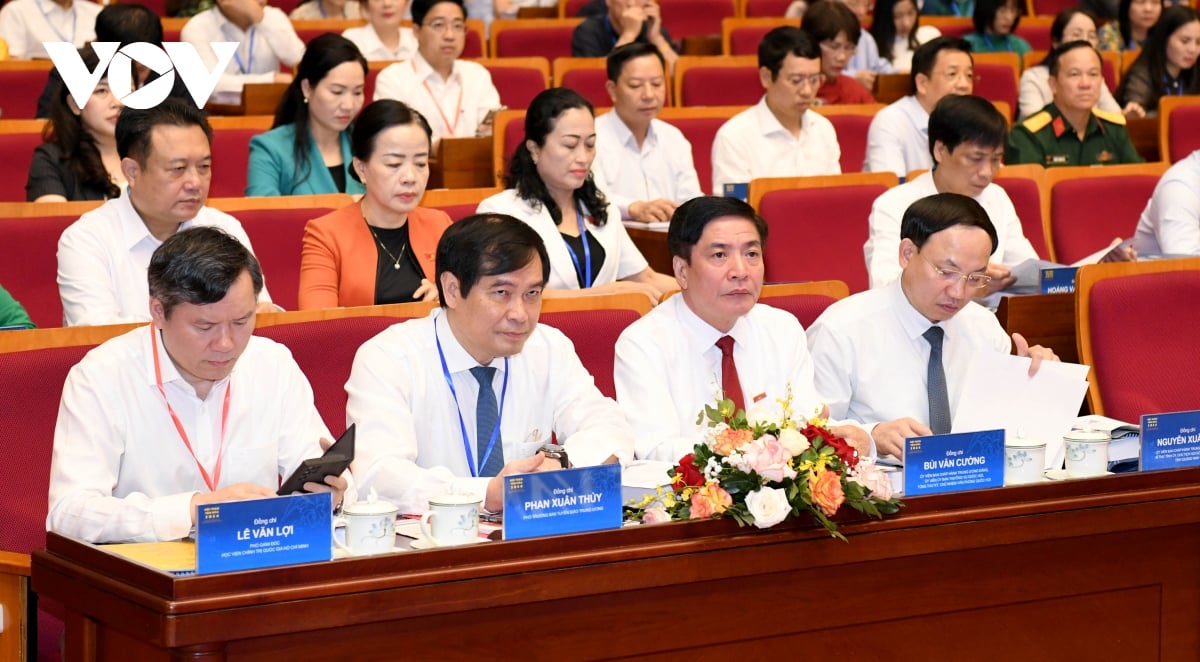
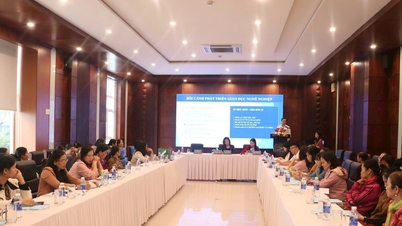
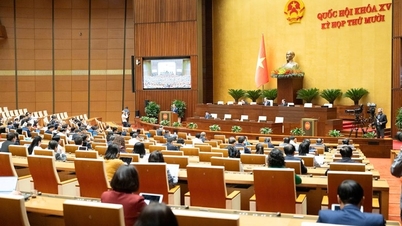
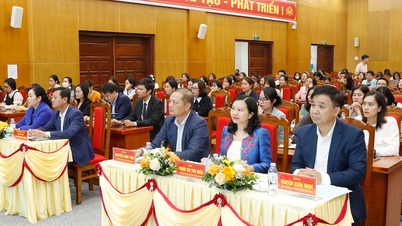
Attending the seminar were comrades: Tran Thanh Man, Member of the Political Bureau, Standing Vice Chairman of the National Assembly; Nguyen Xuan Thang, Member of the Political Bureau, Director of the Ho Chi Minh National Political Academy, Chairman of the Central Theoretical Council; Tran Hong Ha, Member of the Central Committee of the Party, Deputy Prime Minister, along with many leaders of the National Assembly, Ministries and central agencies.
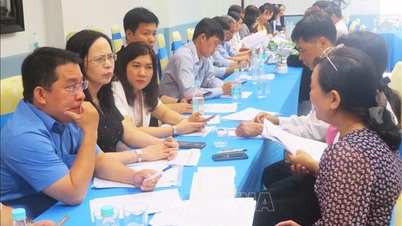
At the conference, delegates, including experts and scientists, analyzed, from theory to practice, the bottlenecks in the construction of cultural institutions in recent years. Many opinions also assessed that institutions and policies are important "support structures" for attracting social resources to invest in the development of the cultural and sports institution system.
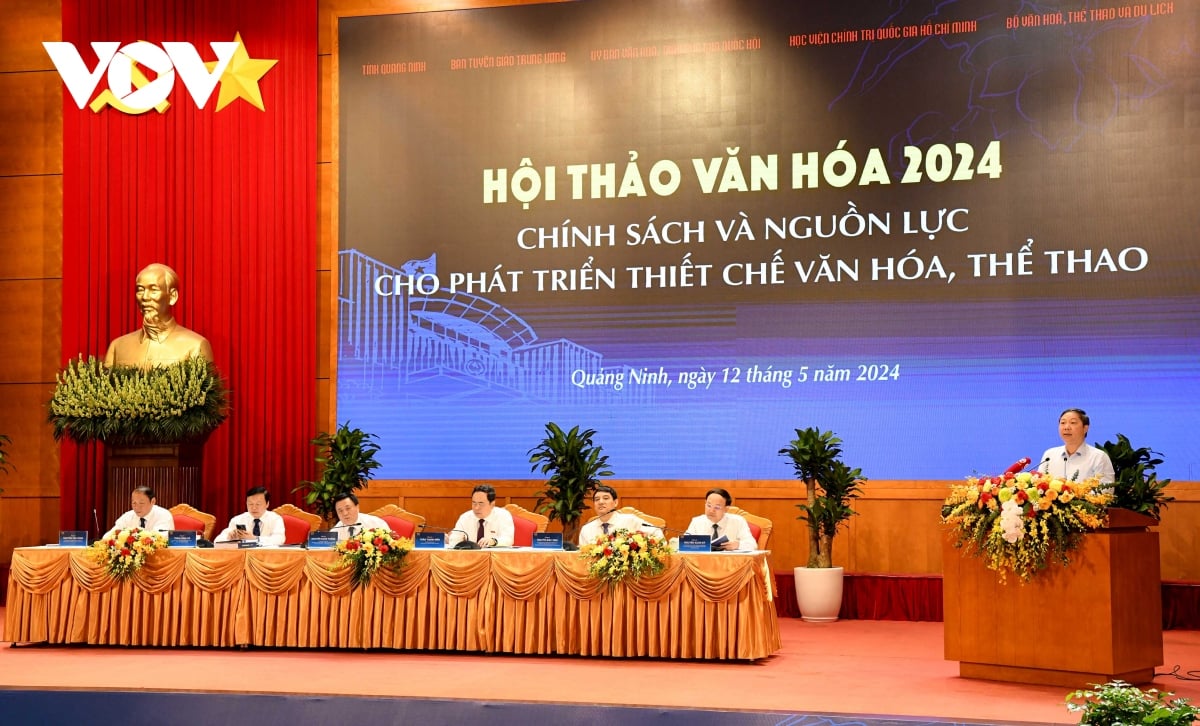
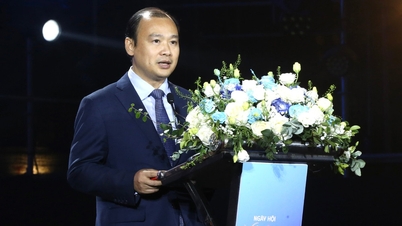
Mr. Nguyen Van Hung, Minister of Culture, Sports and Tourism, stated: "We also see institutional bottlenecks, including legal gaps in the formation of these institutions. To mobilize resources, the State plays a leading role in investing in their completion and mobilizing additional social resources. We have also discovered institutional bottlenecks; although we have received investment, the management and effectiveness of these institutions, using various legal tools, have not yet been synchronized."
Over the years, the Party and State of Vietnam have consistently paid attention to and invested in the development of culture and sports. As of the end of March 2024, the country had 66 provincial-level cultural institutions; 689 out of 705 districts and counties had cultural and sports centers or community centers, reaching a rate of approximately 97.7%; more than 77% of communes, wards, and towns had cultural and sports centers; and approximately 69,000 out of 90,508 villages, hamlets, and communities had community centers (reaching a rate of approximately 76.3%).
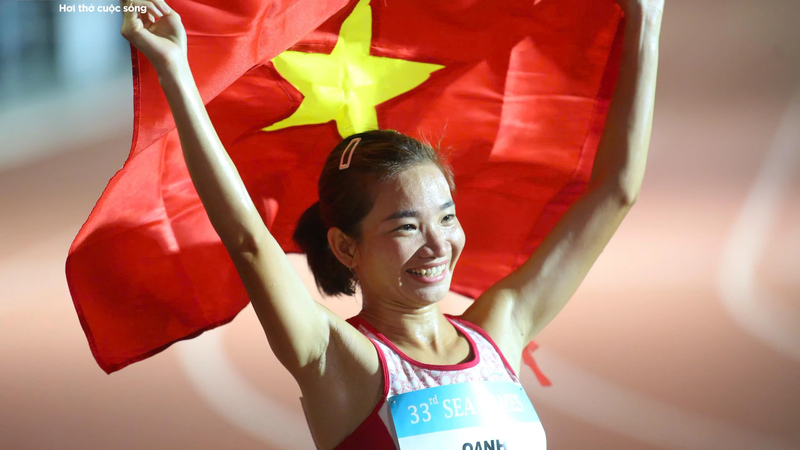
In addition, there are nearly 600 facilities that meet national and international sports competition standards, including hundreds of thousands of stadiums; arenas with grandstands that meet national standards; and thousands of other sports complexes serving both elite and mass sports.
However, according to Mr. Nguyen Xuan Thang, Director of the Ho Chi Minh National Academy of Politics, funding for the development of cultural and sports facilities remains limited.
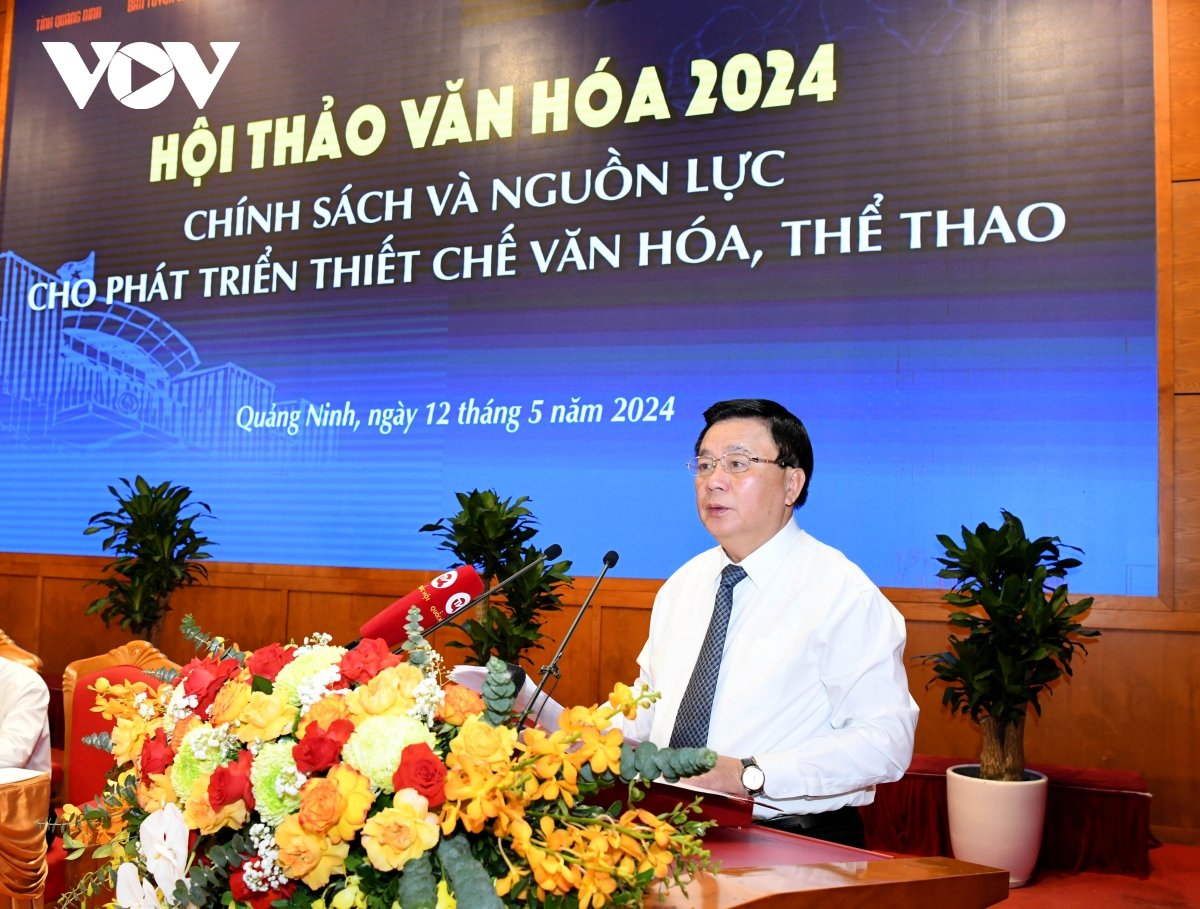
According to Mr. Thang: "Many policies and legal regulations are still heavily focused on general guidelines and lack sufficient specificity, leading to a situation where everyone does as they please, both in terms of resource investment and operational organization. The issuance of policies also hasn't truly taken into account the specific characteristics of some cultural and sports fields."
This includes elite academic sports fields such as symphony theater, opera, and high-performance sports. Some regulations regarding the organization and criteria of sports and cultural institutions are not in line with reality."
Mr. Nguyen Van Quyet, Chairman of the Vietnam-Japan Friendship Association of Dong Nai province, also believes that in order to better develop and mobilize private investment in cultural institutions, localities need to allocate land for planning and building basic cultural and sports facilities.
"In Vietnam's integration and development, culture must be seen as a parallel pillar of the economy. Businesses are not just concerned with money. They want their profits to be long-term, sustainable spiritual gains, and culture is crucial. They need a policy mechanism, both for foreign and domestic businesses. If I benefit from promoting culture, then the institutions and programs organizing cultural activities, from resolutions, directives, decrees, and decisions of the National Assembly and local authorities, are the most fundamental elements," Mr. Quyet expressed.
Concluding the workshop, Politburo member and Standing Vice Chairman of the National Assembly Tran Thanh Man emphasized five groups of issues that need focused leadership, guidance, and implementation to develop cultural and sports institutions to meet the requirements of integration. These include perfecting institutions and policies, and establishing appropriate goals and roadmaps to complete the legal framework regulating cultural and sports institutions, ensuring consistency, uniformity, and feasibility.
"The research aims to improve policies for investment, development, and operation of cultural and sports institutions, including public investment policies, public-private partnership investment policies, and social mobilization policies; preferential policies and investment support, especially regarding land, taxes, and credit capital in the construction of cultural and sports facilities, to encourage economic sectors to participate in investment and development," Mr. Tran Thanh Man emphasized.
The Standing Vice Chairman of the National Assembly also noted that it is necessary to strengthen leadership, guidance, and innovation in the content and methods of organization, improve the quality and effectiveness of activities, and at the same time, replicate exemplary organizational models that are suitable for different regions, target groups, and age ranges, prioritizing mountainous areas, islands, border regions, remote areas, and areas inhabited by ethnic minorities.
In particular, it is necessary to strengthen inspection, examination, auditing, and supervision of public assets in general, and public assets in cultural and sports facilities in particular.
Source: https://vov.vn/van-hoa/phat-trien-thiet-che-van-hoa-va-the-thao-dap-ung-yeu-cau-hoi-nhap-post1094694.vov






























































Comment (0)