

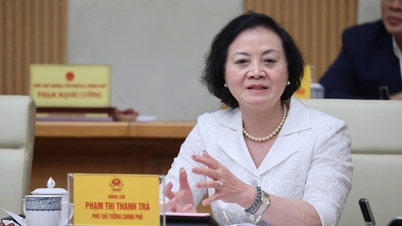
On the morning of March 11th, Deputy Prime Minister Tran Hong Ha chaired a meeting of the Prime Minister's Task Force on reviewing, urging, and guiding the removal of difficulties and obstacles in the implementation of real estate projects for localities and businesses after the promulgation of the amended Land Law, the amended Real Estate Business Law, and the amended Housing Law.
We need to create conditions for "demand to access supply".
Deputy Prime Minister Tran Hong Ha emphasized that the difficulties and obstacles in the real estate market have a serious impact on many industries such as banking, construction, building materials production, and consumer goods.
Over the past period, the Government and the Prime Minister have paid close attention to the issue, issuing numerous directives, holding meetings, and organizing forums to gather feedback and find solutions to address the challenges facing the real estate market.
The government and the National Assembly have urgently revised relevant laws and are preparing to issue guiding documents. In addition, the positive signs of economic recovery are also partly due to the contributions of real estate businesses and associations.
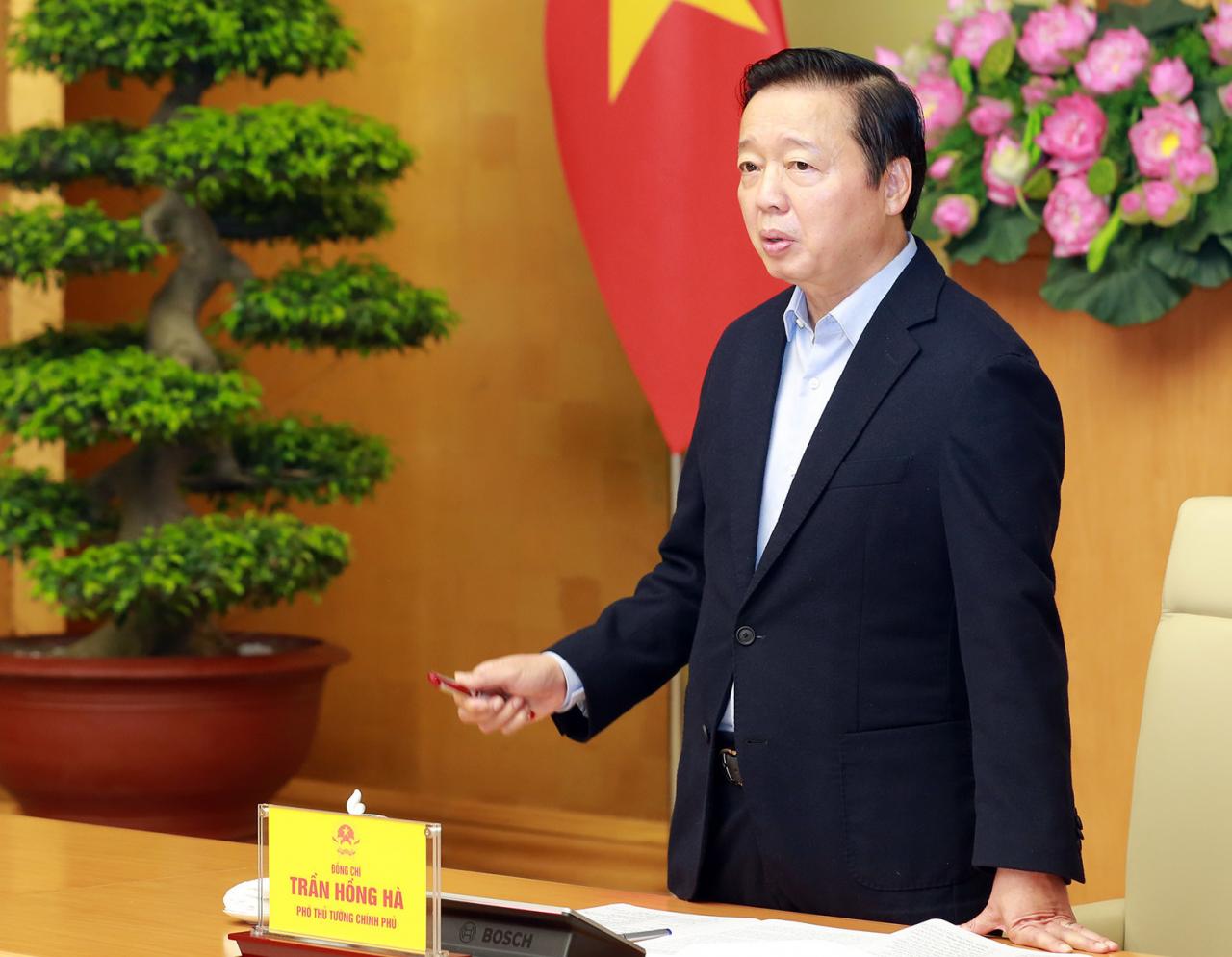
"The State will do its utmost, with high determination and great effort, to fulfill its responsibilities and authority. At the same time, investors and real estate businesses must recognize their responsibility in overcoming the 'paradox' of an oversupply of high-end properties and a shortage of products for middle and low-income earners; and address the situation of 'price manipulation' to ensure that supply and demand meet…" - the Deputy Prime Minister said.
He also noted that government agencies and businesses should work together to adopt a clear, fair, and objective stance, without avoiding any issues, in order to bring the real estate market back to normal operation.
According to Deputy Minister of Construction Nguyen Van Sinh, Hanoi currently has 404 projects. After reviewing and classifying difficulties and obstacles, 81 projects have been removed from the list of slow-moving projects; 10 projects have had their land reclaimed and operations terminated; and investors are being urged to accelerate the implementation progress of 67 projects.
Hanoi is continuing to implement measures to resolve difficulties and obstacles for 246 projects in accordance with the guidelines of the Ministry of Construction and other ministries and agencies.
Similarly, Ho Chi Minh City has resolved 33 out of 72 projects requested by the Task Force; 44 out of 148 projects recommended by the City's Real Estate Association; and is continuing to address difficulties and obstacles for 143 projects…
According to Deputy Governor of the State Bank of Vietnam, Dao Minh Tu, the real estate sector "always goes hand in hand" with the banking industry and is related to a range of other sectors such as manufacturing, supplies, and construction materials.
"The banking sector is tightly controlling credit to risky areas, which in the real estate industry are speculation and price manipulation, making it difficult to sell products, hindering capital flow, and making debt recovery difficult," the Deputy Governor analyzed.
Reporting on some obstacles in the 120 trillion VND social housing loan package, Mr. Dao Minh Tu stated that the key issue is to create conditions for "demand to access supply" and to boost supply. This includes objectively reducing prices based on the supply-demand relationship with projects and corporations that artificially inflate prices, manipulate the market, and engage in real estate speculation.
Some businesses have proposed shortening the time for reviewing legal procedures and land use origins for social housing projects; simplifying administrative processes and procedures; and easing credit access conditions for investors and buyers with middle and low incomes…
We must restore confidence and avoid a real estate "bubble."
Concluding the meeting, Deputy Prime Minister Tran Hong Ha emphasized that developing a healthy real estate market contributes to socio-economic growth, creates jobs, and ensures people's right to access housing.
The current challenge is to systematically, comprehensively, scientifically, and responsively restore investor confidence in the management of real estate, land, credit, and capital sectors, creating a healthy market that encourages investment and business, and preventing real estate bubbles.
The Deputy Prime Minister requested the Ministry of Construction to summarize the main obstacles that can be resolved in the recently passed amendments and supplements to the laws on land, housing, and real estate business. From there, they should research and propose solutions to the Government and the National Assembly to issue documents within their authority allowing for the application of these laws before they take effect.
The Task Force will compile statistics on real estate projects that have been allocated land but are facing legal procedural obstacles; develop criteria for capable real estate investors; and summarize and codify the pilot program allowing localities to make localized adjustments to planning for real estate projects without reducing overall indicators.
At the same time, expand access to social housing for middle and low-income earners and businesses in industrial zones; provide full guidance to localities to implement existing mechanisms and policies on land acquisition, site clearance, resettlement, land valuation, etc.
The Deputy Prime Minister noted that addressing the requests of businesses and localities must have specific addresses and deadlines. Which ministries and agencies are responsible, and when will they be completed? Localities should carefully assess the needs of the people and allocate sufficient land for housing projects and the renovation of old apartment buildings…
Regarding funding for social housing projects, the Deputy Prime Minister requested the State Bank of Vietnam and the Ministry of Finance to study long-term fiscal policies to support interest rates on preferential credit loans.
In addition, a social housing investment fund should be established, comprising state budget funds, contributions from businesses (including the 20% social housing construction cost in commercial housing projects), and other legal sources to support businesses in building social housing and people in purchasing social housing. This must ensure a balance between implementing social policies and market mechanisms.
The Deputy Prime Minister expressed his hope that businesses and investors would calculate costs reasonably, offer commercial and social housing products with appropriate selling prices, ensuring quality, design, aesthetics, and a reasonable profit margin, harmonizing the interests of the State and the people; contributing to the healthy development of the real estate market.
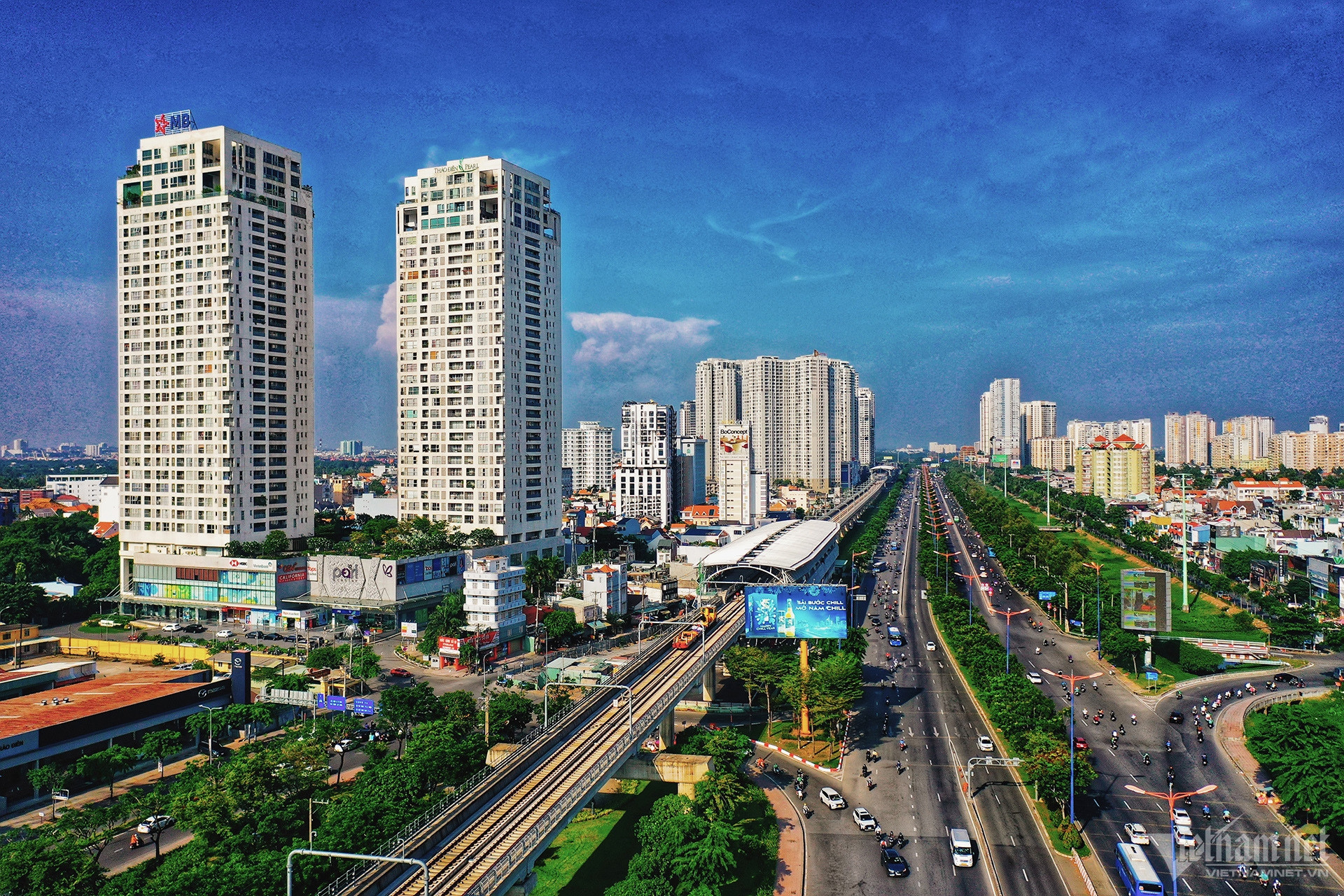
The National Assembly has supreme supervision over the real estate market and social housing.
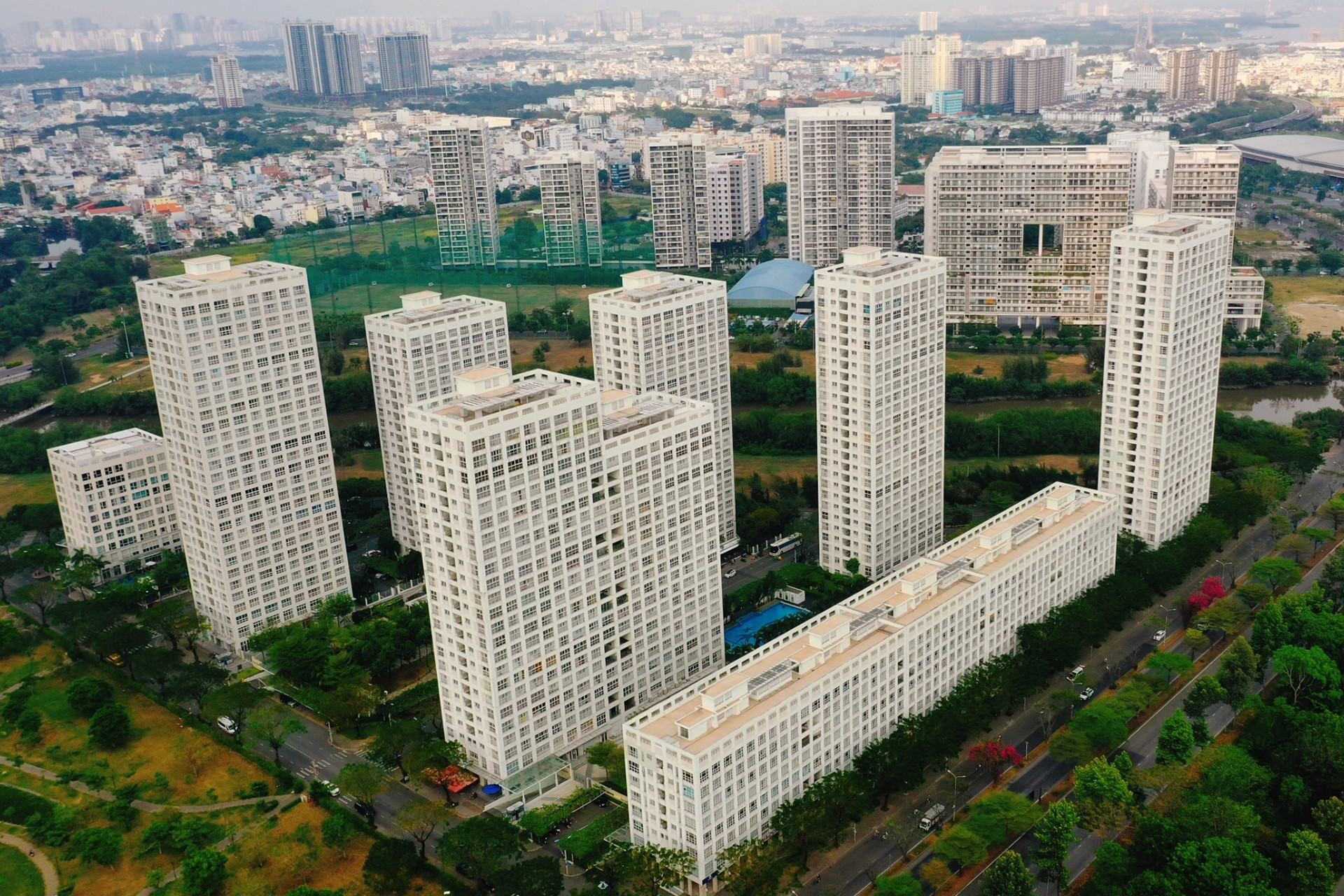
The Prime Minister called for decisive action to remove obstacles to the real estate market.
Source

![[Photo] Prime Minister Pham Minh Chinh holds a phone call with the CEO of Russia's Rosatom Corporation.](/_next/image?url=https%3A%2F%2Fvphoto.vietnam.vn%2Fthumb%2F1200x675%2Fvietnam%2Fresource%2FIMAGE%2F2025%2F12%2F11%2F1765464552365_dsc-5295-jpg.webp&w=3840&q=75)



![[Photo] Closing Ceremony of the 10th Session of the 15th National Assembly](/_next/image?url=https%3A%2F%2Fvphoto.vietnam.vn%2Fthumb%2F1200x675%2Fvietnam%2Fresource%2FIMAGE%2F2025%2F12%2F11%2F1765448959967_image-1437-jpg.webp&w=3840&q=75)










































![[OFFICIAL] MISA GROUP ANNOUNCES ITS PIONEERING BRAND POSITIONING IN BUILDING AGENTIC AI FOR BUSINESSES, HOUSEHOLDS, AND THE GOVERNMENT](https://vphoto.vietnam.vn/thumb/402x226/vietnam/resource/IMAGE/2025/12/11/1765444754256_agentic-ai_postfb-scaled.png)


















































Comment (0)