

Special coffee shop
Having just returned from a long visit to her son in Australia, Mrs. Huynh Thi Kim Yen (67 years old, Cho Lon Ward, Ho Chi Minh City) immediately went to Ba Lu coffee shop located deep inside Phung Hung Market (Cho Quan Ward) to find the familiar aroma and taste of coffee.
Ms. Yen has been drinking coffee here since she was 30 years old. She says this is one of the oldest traditional Vietnamese filter coffee shops in Ho Chi Minh City.
"I've been drinking coffee here for a long time, I'm used to the taste, and I don't find it as good anywhere else. This place used to be very popular. Many Western tourists, when they came to Ho Chi Minh City, would come here for coffee right after leaving the airport," she shared.
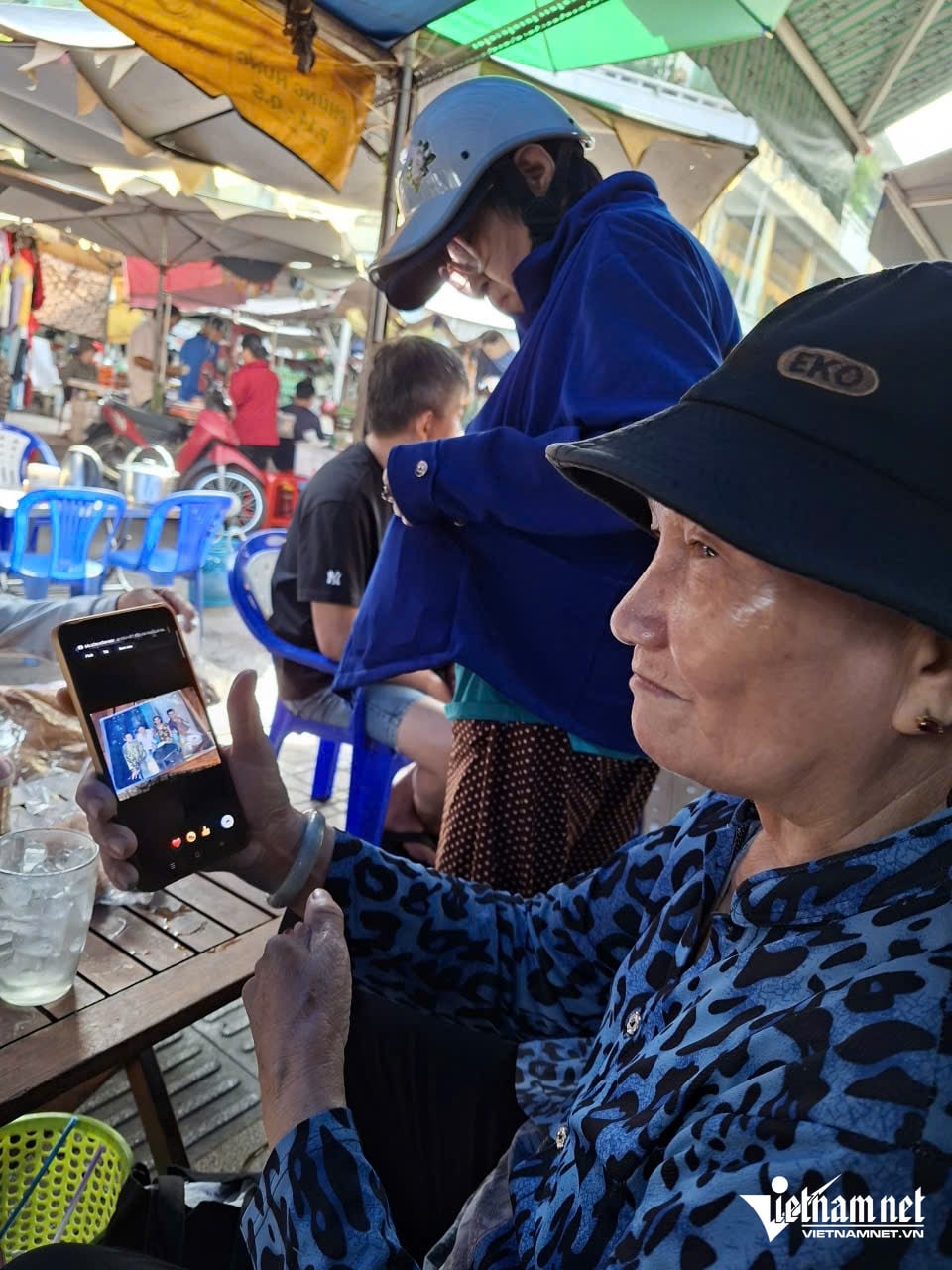
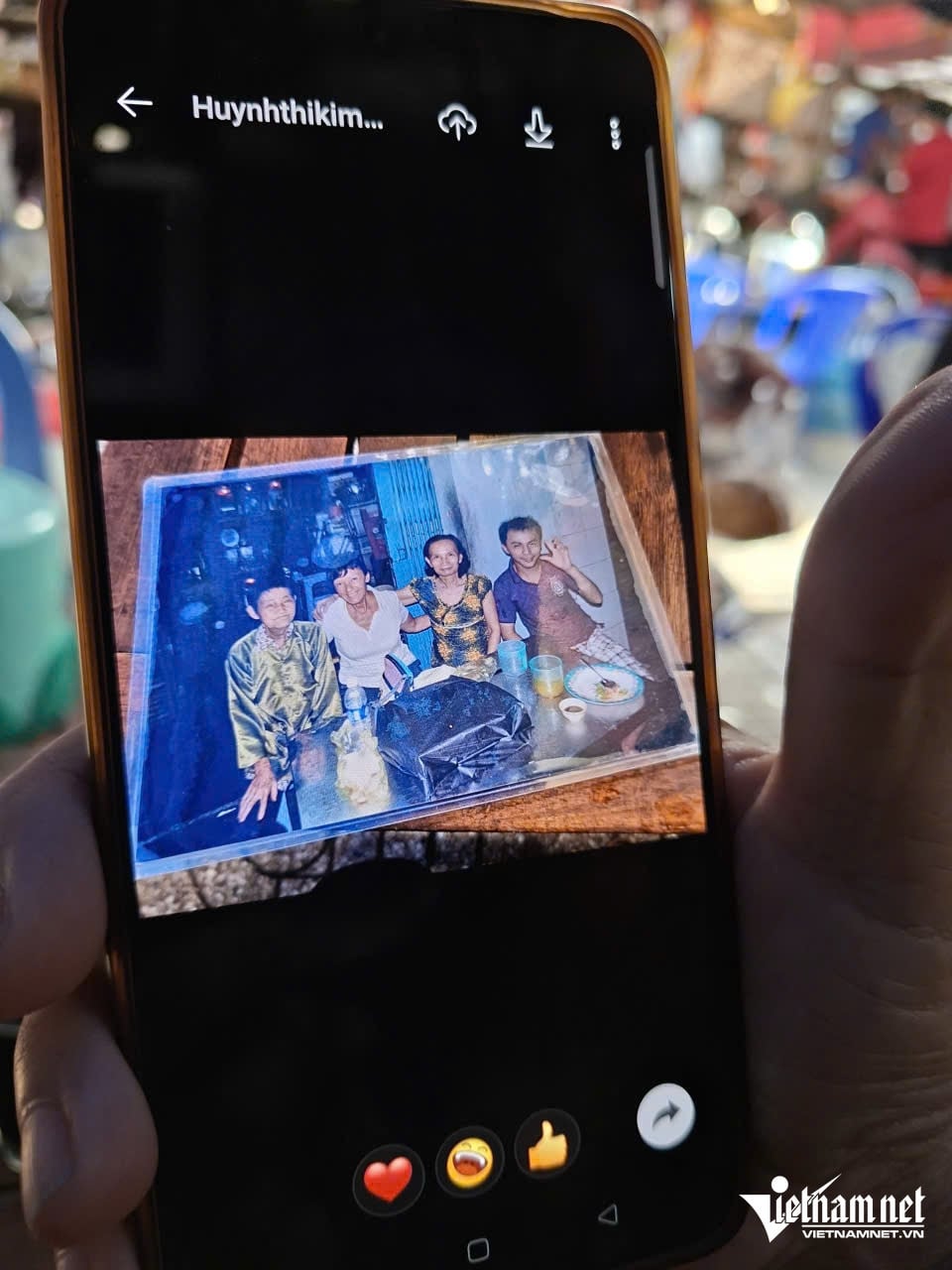
Although called a cafe, Ba Lu Cafe is just a small corner on the sidewalk in a dilapidated market, with two small tables for customers to sit at. The cafe is sheltered from the sun and rain by tarpaulins and large umbrellas.
The restaurant backs onto a house that is characteristic of the old Chinatown neighborhood. On the fence of the house next to the restaurant hang many smoke-stained photographs, showing the owner with his special customers.
Here, a few long cloth coffee filters, about 25cm long and 10cm in diameter, are hung, used for brewing coffee. In front, the shop has an aluminum cabinet containing glass cups and two earthenware kettles. One of them sits on a charcoal stove with a constantly burning flame.


Mr. Chung Quoc Hung (51 years old, the owner) said that the tea shop was opened by his father, Mr. Lam Thieu Dien, in 1953. Mr. Dien was of Hainan Island Chinese origin. He came to Vietnam when he was 12 or 13 years old.
Anh Hung shared: “The Chung family is my mother's. When my father came to Cholon, he worked in coffee shops, which used to be called beverage shops. He learned the techniques of roasting and grinding coffee there. Later, the owners of those shops closed down and emigrated, so my father started his own business at the location of the shop now.”
Mr. Dien stayed with his wooden coffee cart until he was old and frail, no longer able to continue, at which point he passed the trade on to his son. In his generation, Mr. Hung maintains the same traditional method of roasting and grinding coffee, a technique that has been used for over 70 years.

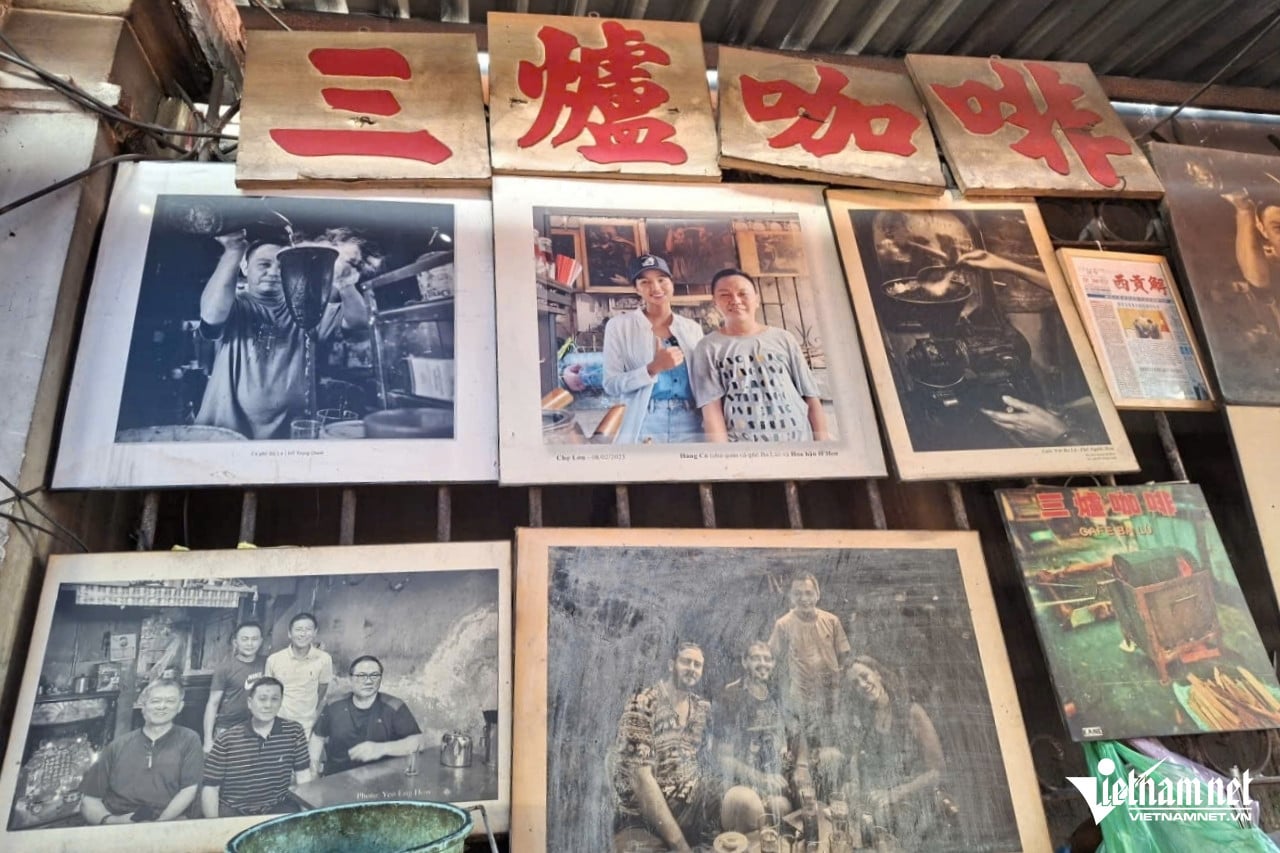
The secret to "stockpiling nuts"
To create delicious cups of coffee that retain their original flavor, Hung doesn't roast the beans in a regular pan, but instead uses a cylindrical pan, invented by his father many years ago.
After heating the pan for about 15 minutes to ensure even heating, he added the coffee beans and roasted them for about an hour. Throughout this process, every 15-20 minutes, he added a little salt to the pan.

After adding salt, he roasted the beans for about 20 minutes, then added butter to the pan. The coffee beans were roasted with butter for another 10 minutes before being poured out to cool.
Next, he poured alcohol over the roasted coffee beans, mixed them well, let them cool, and then ground them into powder. The finished product is a dark brown coffee powder with a rich aroma.
Previously, Mr. Hung used imported liquor to brew his coffee, enhancing its flavor. However, due to the rising cost of imported liquor, he was forced to switch to rice wine.
According to Mr. Hung, because of the elaborate processing method, fresh coffee beans are mixed with certain spices and roasted for a long time, so people jokingly call it "coffee bean storage." Coffee that is "stored" from the previous afternoon has an even more delicious aroma.
At the shop, Mr. Hung brews coffee using a filter and two earthenware pots from his father's time. He always keeps the pots containing the coffee concentrate warm to ensure the flavor. When a customer orders, he pours the coffee from the pot through the filter into a glass cup and then serves it.


The cafe is open from 6 AM to 6 PM daily, serving black coffee, milk coffee, and egg coffee for 25,000-30,000 VND per cup. Besides coffee, they also sell some soft drinks.
Previously, the shop was extremely busy. Every day, he could sell 3-4 kg of ground coffee. Now, the number of customers has decreased significantly, and the shop only sells a little over 1 kg of coffee per day.


Anh Hung shared: "Customers at Ba Lu coffee shop come from all walks of life and age groups. Currently, it's usually busiest on weekends."
Besides regular customers who have been there for many years, the cafe also attracts young people, artists, and nostalgic individuals who enjoy drinking traditional Vietnamese filter coffee.
In particular, the cafe also welcomes many foreign tourists who want to learn about coffee culture and the traditional coffee roasting craft. Some customers, after experiencing the cafe, even take souvenir photos and send them as gifts."

Source: https://vietnamnet.vn/quan-ca-phe-vot-o-cuoi-cho-tphcm-hut-khach-suot-70-nam-nho-bi-quyet-kho-hat-2470834.html
![[Photo] Prime Minister Pham Minh Chinh holds a phone call with the CEO of Russia's Rosatom Corporation.](/_next/image?url=https%3A%2F%2Fvphoto.vietnam.vn%2Fthumb%2F1200x675%2Fvietnam%2Fresource%2FIMAGE%2F2025%2F12%2F11%2F1765464552365_dsc-5295-jpg.webp&w=3840&q=75)


![[Photo] Closing Ceremony of the 10th Session of the 15th National Assembly](/_next/image?url=https%3A%2F%2Fvphoto.vietnam.vn%2Fthumb%2F1200x675%2Fvietnam%2Fresource%2FIMAGE%2F2025%2F12%2F11%2F1765448959967_image-1437-jpg.webp&w=3840&q=75)






































![[OFFICIAL] MISA GROUP ANNOUNCES ITS PIONEERING BRAND POSITIONING IN BUILDING AGENTIC AI FOR BUSINESSES, HOUSEHOLDS, AND THE GOVERNMENT](https://vphoto.vietnam.vn/thumb/402x226/vietnam/resource/IMAGE/2025/12/11/1765444754256_agentic-ai_postfb-scaled.png)








































Comment (0)