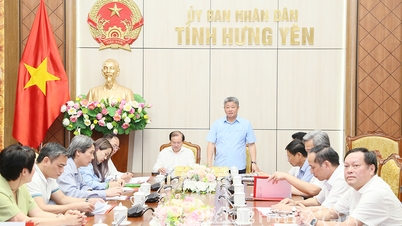
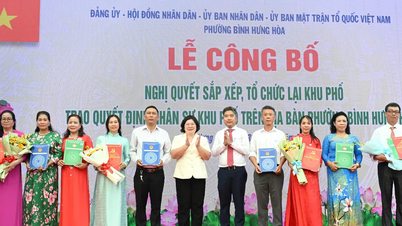
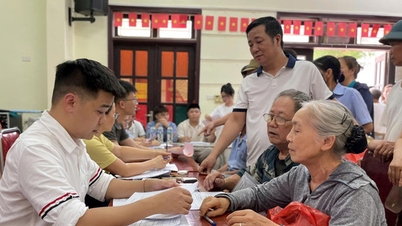
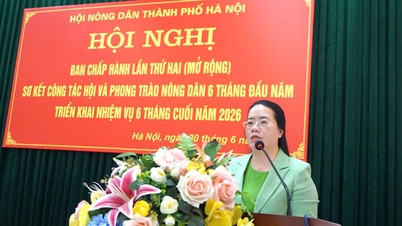
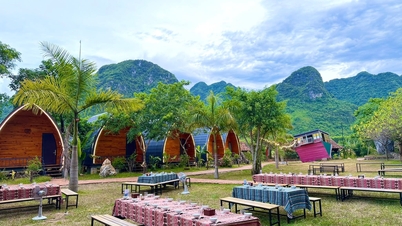
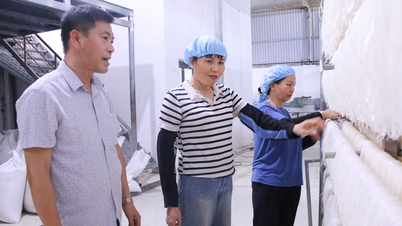
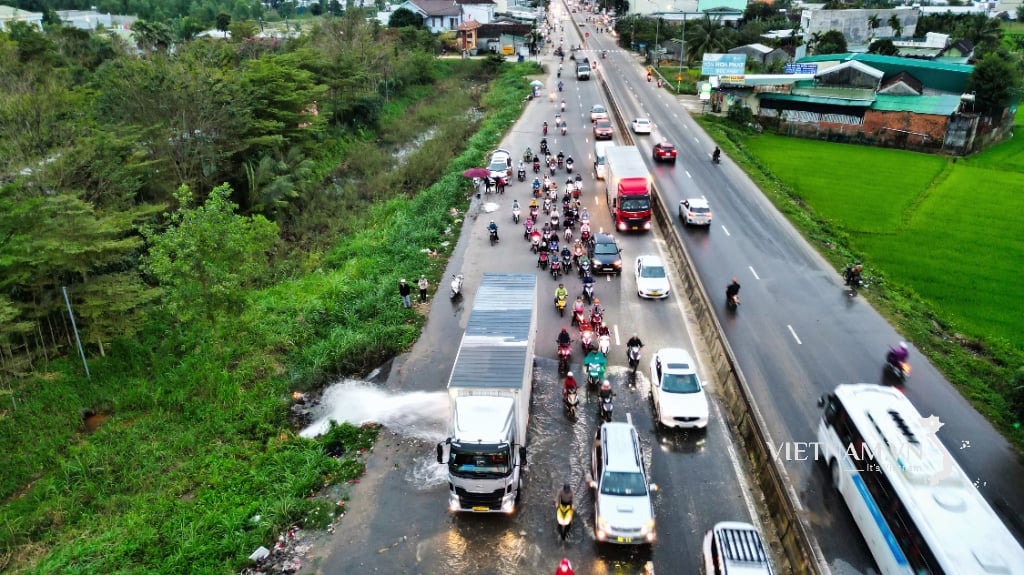
In the continuous flow of national history, each major milestone serves as a link between the past and the future. 2025 – marking the 50th anniversary of the Liberation of the South and the reunification of the country – is also a time of transformation for the nation: the merger of several provinces and cities to streamline the administrative apparatus and enhance the effectiveness and efficiency of state management. In just a few days, the three provinces of Phu Tho , Hoa Binh, and Vinh Phuc will be united under the common roof of Phu Tho, marking a new chapter filled with challenges but also with great expectations.
This is not the first time our country has rearranged its administrative boundaries. Since the reunification of the country, we have repeatedly adjusted our territories to better suit development needs. However, each change evokes different emotions – expectations, skepticism, and, deep within, a lingering longing for the word "homeland."
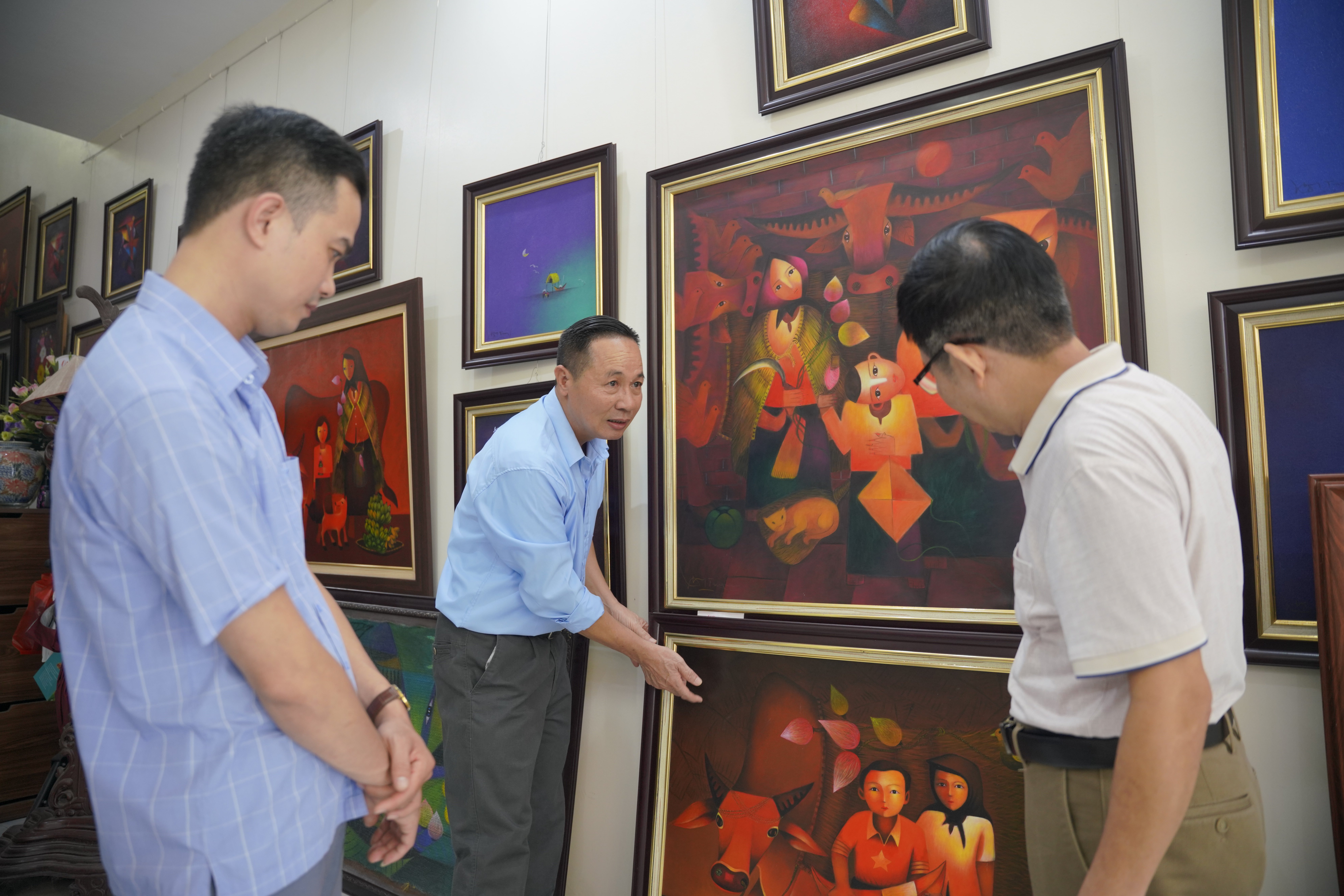
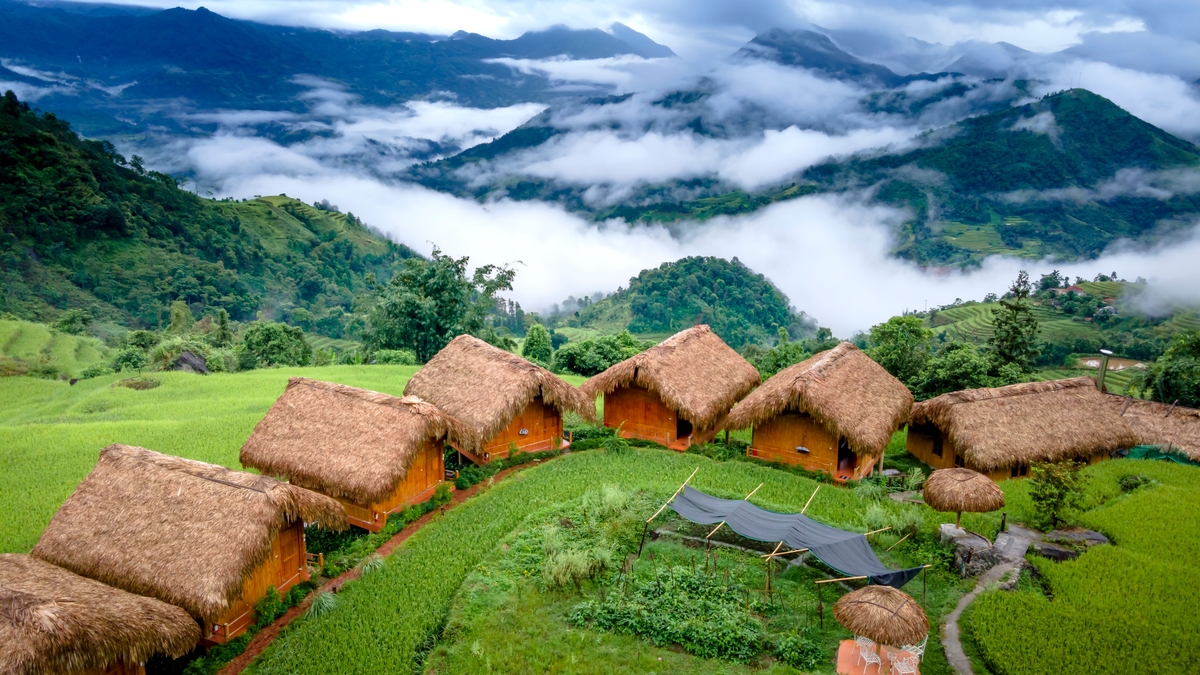
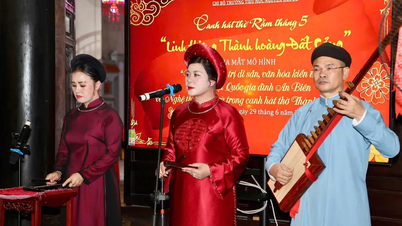
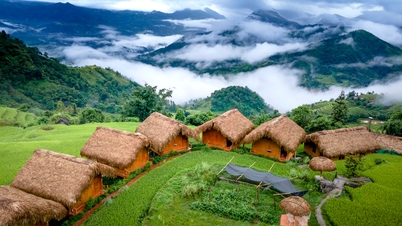
For each person, homeland is not simply an administrative name or a geographical boundary on a map. Homeland is the sound of a mother's lullaby, the road leading to a warm home, the deep and enduring affection; it is the misty evening at Dai Lai Lake in Vinh Phuc, the gentle Xoan singing at the foot of Nghia Linh mountain in Phu Tho, the vibrant bamboo dance of Hoa Binh amidst the resounding gongs and drums of the Northwest mountains... Each region holds a part of the nation's memory, an identity that has permeated the blood of generations.
Therefore, concerns about the potential erosion of cultural identity during the merger process are entirely justified. People have the right to worry and ponder. But at the same time, it is also an opportunity for us to re-examine, cherish, and spread the core values of each locality within a new, stronger, and more vibrant shared identity.
A new journey has begun. It's not simply about restructuring the administrative apparatus, but more fundamentally, about the aspiration for synchronized, efficient, and sustainable development. The merger of these three adjacent provinces will unlock significant potential in transportation planning, healthcare, education, and socio-economic development. Reducing overlaps, saving resources, and facilitating access for citizens and businesses are the basic goals of this merger.
However, alongside the obvious benefits, it is also important to emphasize that public consensus is a prerequisite for the success of any reform. Before any policy decision is made, listening and sharing from each citizen is essential. People need clear explanations and guidance regarding changes related to administrative procedures, paperwork, and public services. But more than that, they need assurance that, even if place names change, the soul of their homeland will never be forgotten or abandoned.
Therefore, authorities at all levels need to play a proactive role, not only at the negotiating table, but also by being present in every residential area and every small neighborhood, to empathize with and support the people. Every official and every civil servant must become a bridge between policies and the people's will, making the people feel that they are an important part of this new journey.
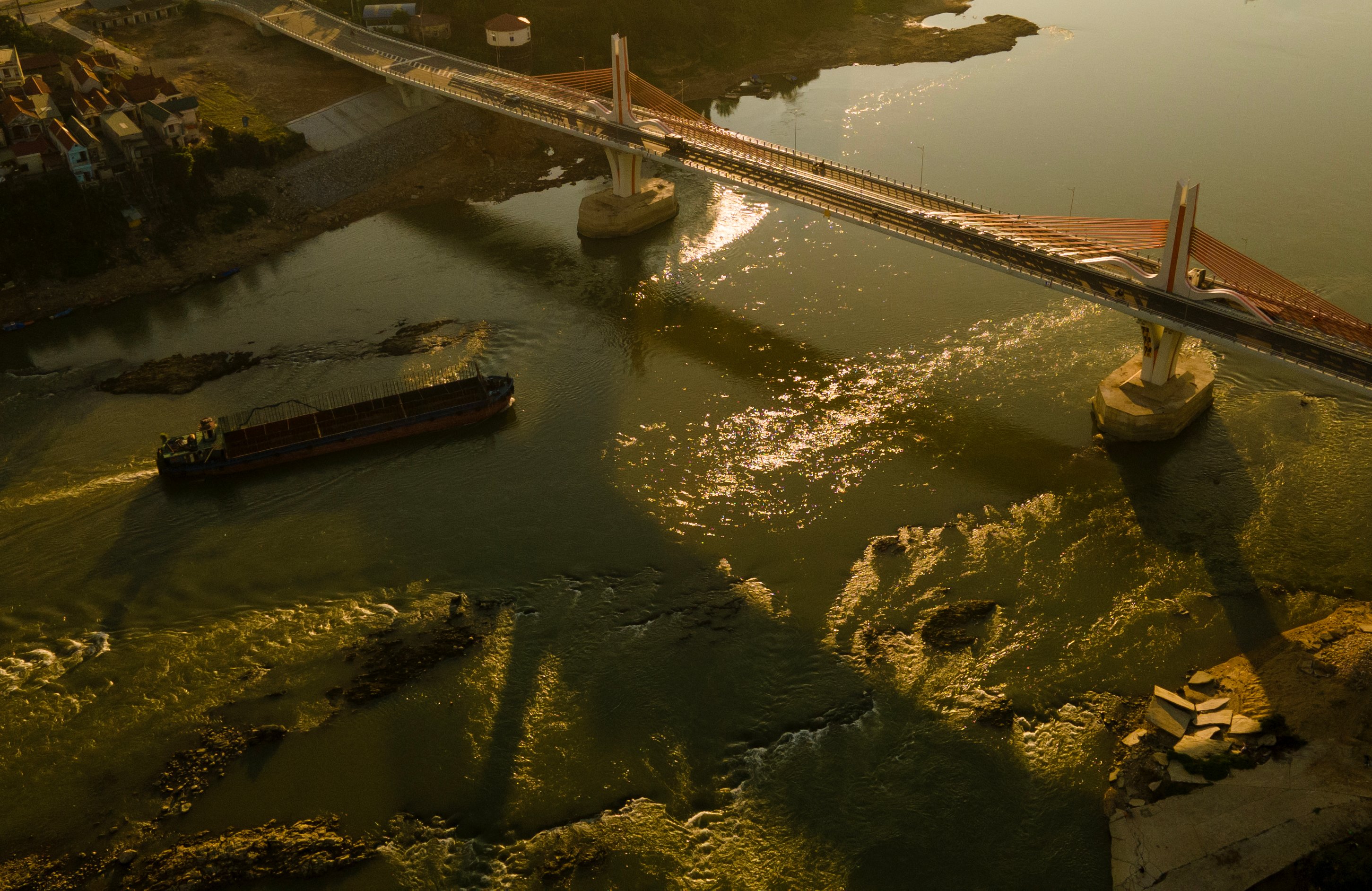
Furthermore, the press and media need to play a more leading and constructive role. They should not only provide timely and transparent information, but also inspire positive values, fully reflect the thoughts and aspirations of the people at the grassroots level, and create a democratic forum where citizens can voice their opinions.
One crucial point is the preservation and promotion of the cultural heritage of each region. In the context of mergers, these values need to be elevated, not obscured by assimilation. This presents both a challenge and an opportunity to organize exchange and promotional activities, allowing the unique beauty of each region to spread further and shine brighter.
View the merger as a grand reunion – where brothers who once lived close together now officially share one roof. Cultural and lifestyle differences act as catalysts for the formation of a diverse community, yet united by a shared love for their homeland.
Looking back on the 50-year journey of national reunification, we deeply understand one thing: the country was built with countless sweat, blood, and tears. Through the sacrifices of generations of our ancestors, they spared no blood and bone to win the independence we enjoy today. It is from the very flesh and blood of our homeland, from our love for every inch of our land, that we have the duty to continue their legacy, building a strong, prosperous, civilized, humane, and distinctly Vietnamese nation.
Therefore, even though names may change, even though administrative units may be rearranged, homeland will always remain, in the heart of each person. No one can erase the rivers, mountains, and childhood memories associated with the land where they were born. And so, in this new journey, what needs to be carried is not only economic baggage but also cultural baggage, the unchanging traditions of the homeland that endure through all the vicissitudes of time.
Text and photos: Hoang Cuc



Source: http://baovinhphuc.com.vn/Multimedia/Images/Id/130346/Que-huong-van-mai-trong-tim-moi-nguoi

![[Photo] Strengthening character and expertise: Intense training for artillery soldiers.](https://vphoto.vietnam.vn/thumb/1200x675/vietnam/resource/IMAGE/2026/06/30/1782815602541_lu-368-1875-4571-jpg.webp)