

Inheriting the positive aspects
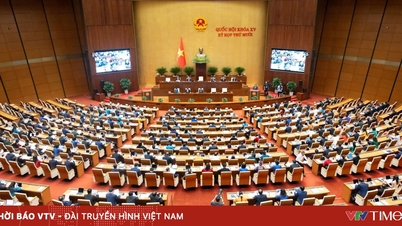
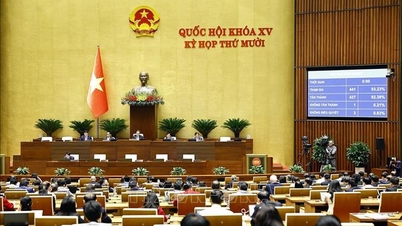
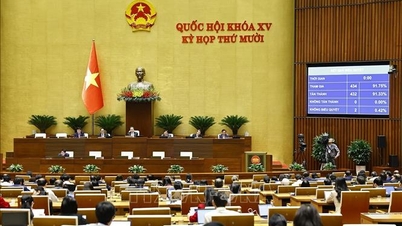
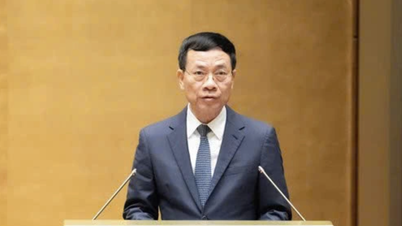
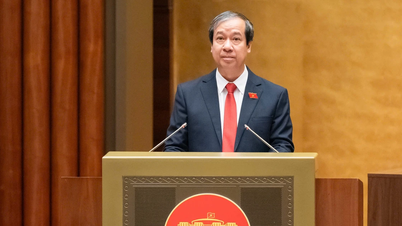
Continuing the agenda of the Tenth Session of the 15th National Assembly on the morning of December 10th, on behalf of the Prime Minister, Minister of Education and Training Nguyen Kim Son presented a summary report; a report on the acceptance, explanation, and revision of the draft Law on Vocational Education (amended).
Accordingly, the Law on Vocational Education 2014 was promulgated, institutionalizing the guiding viewpoints and orientations for fundamental and comprehensive innovation in education and training in Resolution No. 29-NQ/TW, an important legal foundation to help vocational education (VET) develop strongly in quantity and gradually improve quality, better meeting the needs of the labor market over the past 10 years.
However, in response to the need to continue to innovate, develop and improve the quality of vocational education, creating a breakthrough in human resource development, especially high-quality human resources with vocational skills to meet the requirements of promoting industrialization, modernization of the country and international integration, in addition to the inherited contents, the Law on Vocational Education needs a fundamental and comprehensive change from within, the innovated contents need to be innovated even faster to move towards higher quality in the current context.
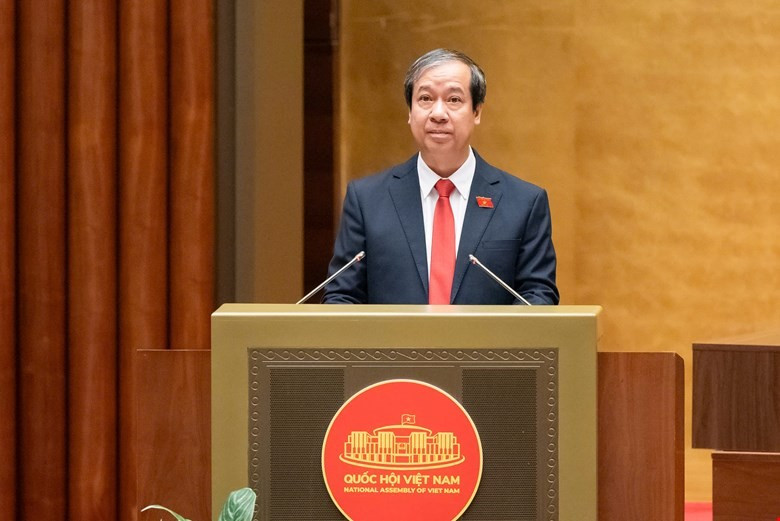
In response to the directions of the Party, the National Assembly and the Government, the Drafting Committee of the Law on Vocational Education (amended) has researched reality, consulted international experience and promptly institutionalized the Resolutions of the Party, the National Assembly and the Government to complete the Draft submitted to the National Assembly with many new points.
Firstly, perfect the national education system towards openness, flexibility, and interconnectedness, creating lifelong learning opportunities for all citizens through the addition of vocational high school models and expanding the scope of participation in vocational education and training activities.
Vocational secondary schools are identified as the same level of education as high schools, integrating the core knowledge of the high school program and vocational expertise to help learners complete their general education. The addition of the Vocational Secondary School model aims to enhance career orientation for young people right from high school, increasing the number of students after middle school and high school entering vocational education.
Thereby contributing to accelerating the roadmap for vocational universalization for young people in the spirit of Conclusion No. 91-KL/TW dated August 12, 2024 of the Politburo to continue implementing Resolution No. 29-NQ/TW on fundamental and comprehensive innovation of education and training; meeting the requirements of industrialization and modernization in the conditions of a socialist-oriented market economy and international integration; overcoming limitations and weaknesses in career guidance, streaming, and connectivity.
Many notable new features
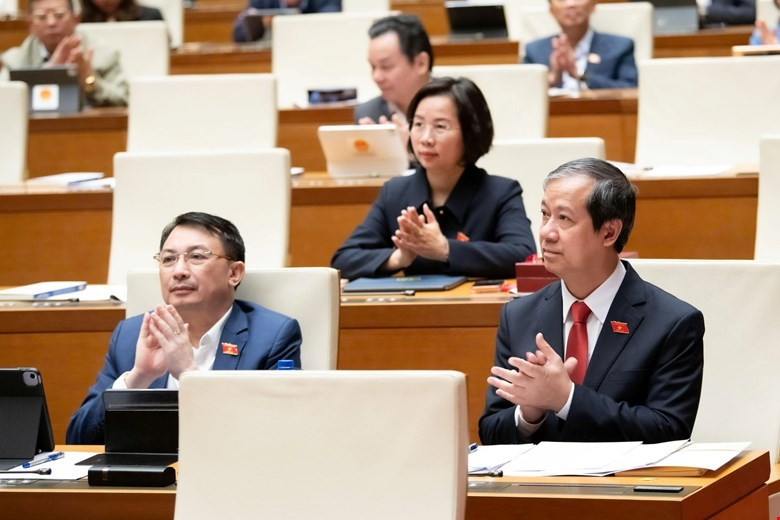
The second new point of this draft Law is the breakthrough in program innovation, training organization and quality assurance of vocational education through the regulation of program standards, training facilities; management of registration of activities on a digital data platform; and recognition of accumulated knowledge or skills of learners to participate in other learning programs.
The issuance of regulations on program standards and training facility standards aims to help learners and the whole society have full and transparent information about the programs they will choose, and at the same time, it is also a motivation for vocational training facilities to have a basis to develop plans to supplement the conditions to ensure. The provisions in the draft Law on licensing and information registration are also a strong innovation.
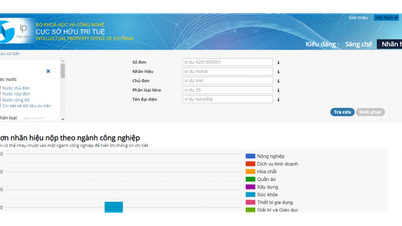
Although licensed by occupational groups, before organizing recruitment and training, facilities must register recruitment information on the vocational education database system. This change not only ensures flexibility in reducing administrative procedures but also increases opportunities for social supervision; this is also a serious implementation of the Party and Government's direction on digital transformation in vocational education.
Thirdly, strengthen the connection between vocational education and training institutions and businesses by specifying preferential policies for businesses and regulating the mechanism for establishing a Human Resource Training Fund for businesses.
In the spirit of Resolution 71 of the Politburo on mobilizing the effective participation of enterprises in vocational training activities, the addition of regulations on the Enterprise Human Resource Training Fund will be a driving force for employees to stay with enterprises for a long time, demonstrating the real connection between enterprises and schools.
The human resource training fund of enterprises is designed with the government regulating the subjects, sources of funding, funding levels, and expenditure tasks of the enterprise's human resource training fund, ensuring suitability for different types of enterprises.
Fourth, promote decentralization, improve the effectiveness of state management of vocational education, ensure strict and synchronous implementation and maintain system stability in the Party and State's directives on reviewing and rearranging public service units and the two-level local government model through maximizing autonomy for vocational education institutions.
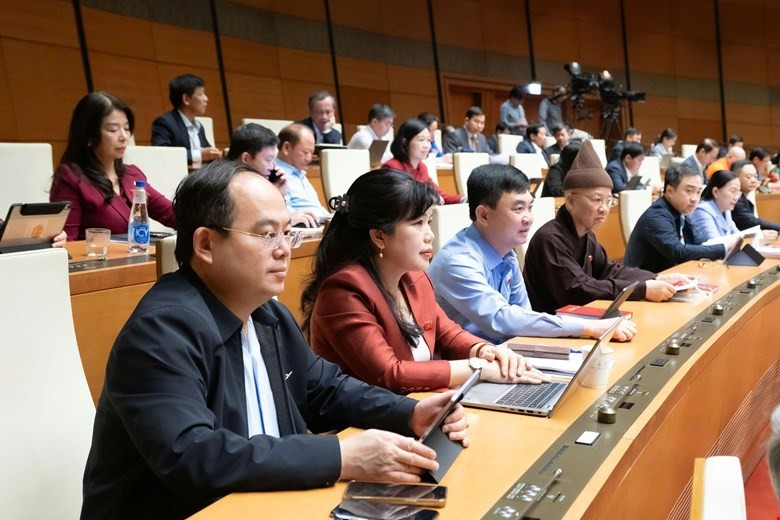
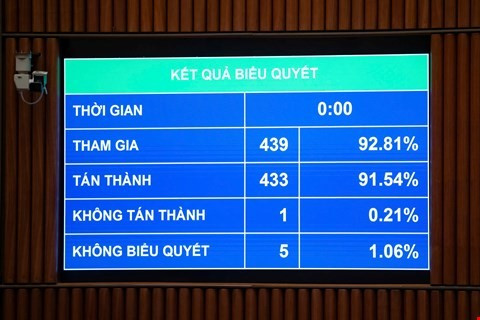
After completion, the Draft Law on Vocational Education Amendment includes 9 chapters, 45 articles, 34 articles less than the current Law on Vocational Education, designed to include general regulations; regulations on organization and management of vocational education institutions; training activities; lecturers, teachers, vocational trainers and learners; quality assurance and inspection; cooperation with enterprises; finance, assets; cooperation and investment in vocational education.
Source: https://giaoducthoidai.vn/quoc-hoi-thong-qua-luat-giao-duc-nghe-nghiep-sua-doi-post759981.html























![[Video] The craft of making Dong Ho folk paintings has been inscribed by UNESCO on the List of Crafts in Need of Urgent Safeguarding.](https://vphoto.vietnam.vn/thumb/402x226/vietnam/resource/IMAGE/2025/12/10/1765350246533_tranh-dong-ho-734-jpg.webp)














































Comment (0)