

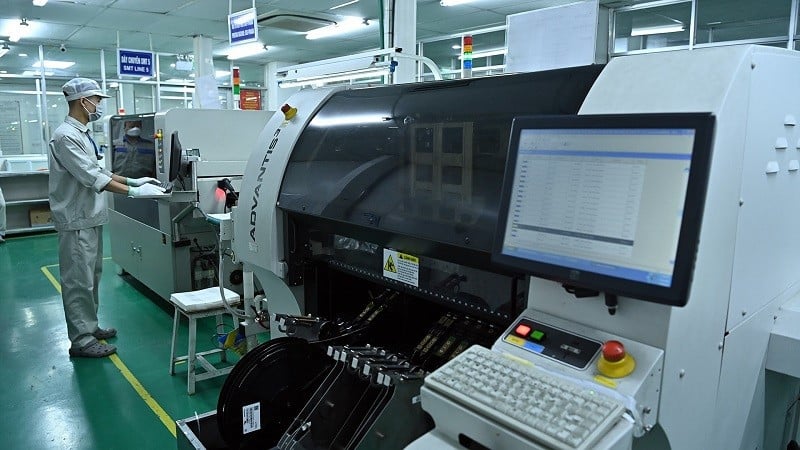
Hanoi 's Industrial Production Index (IIP) for the first 11 months of 2025 increased by 7% year-on-year, marking a good recovery year after a period of significant pressure from the global market. While this is a reasonable increase, to achieve sustainable growth, Hanoi's industrial production sector still needs to address many challenges related to productivity, technology, infrastructure, and supply chain integration.
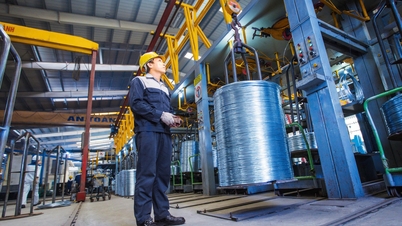
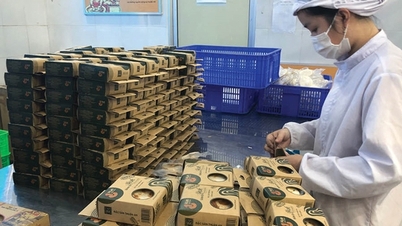
Hanoi's industrial growth is primarily driven by the processing and manufacturing sector, encompassing electronics, textiles, mechanical equipment, and food processing. Businesses have improved their market forecasting capabilities, applied technology in supply chain management, and optimized production operations. However, relying solely on scaling up and increasing output will soon lead to a growth ceiling. Improving labor productivity and incorporating new technologies are crucial factors for long-term competitiveness.
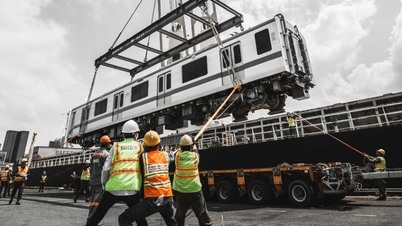
One of the biggest obstacles for Hanoi's industry today is high production costs. The lack of integrated logistics infrastructure forces businesses to bear high transportation costs, resulting in higher product prices compared to provinces with specialized industrial zones. Furthermore, the availability of clean land for industrial development is limited, making it difficult for businesses to expand production or upgrade their technology.
Hanoi needs to accelerate the formation of new industrial clusters based on green and smart models, thereby reducing costs for businesses and raising the standards of the production ecosystem. Industrial parks must aim for integrated amenities: modern warehousing, digital infrastructure, research and development areas, and environmental treatment systems that meet international standards. Only when the production infrastructure is competitive enough can industrial enterprises achieve long-term development.
Besides infrastructure, human resources are a critical shortfall. Industries such as electronics, precision mechanics, and automation are constantly facing a shortage of highly skilled workers. Hanoi needs to collaborate with vocational schools and technical universities to train professionals according to business demands, linking practical training with real-world needs and reducing the gap between training and the market.
Another important direction is to promote digital transformation in manufacturing. Large businesses have begun automating their production lines and building data-driven management systems. However, the majority of small and medium-sized enterprises (SMEs) are still struggling to access digital technology due to high costs and a lack of implementation skills. The city needs policies to directly support businesses in accessing technology platforms, management software, and AI solutions for production forecasting. This is a necessary step to increase overall productivity and build new competitive advantages.
A 7% increase in manufacturing is a commendable achievement, but to achieve a breakthrough, Hanoi must solve the problem of increasing labor productivity, investing heavily in technology, improving production infrastructure, and regaining its advantage in the global supply chain. Industry is not only a driving force for growth but also the foundation for the self-reliance of the capital's economy in the future.
Source: https://nhandan.vn/san-xuat-cong-nghiep-ha-noi-duy-tri-da-phuc-hoi-post929372.html















































































Comment (0)