

This morning, the Cambodian sports delegation officially submitted their withdrawal request to the SEA Games 33 Organizing Committee. In their announcement, Cambodia appreciated the preparations and hospitality of host country Thailand; however, concerns about the safety of the delegation members were the key reason why they could not continue to participate.
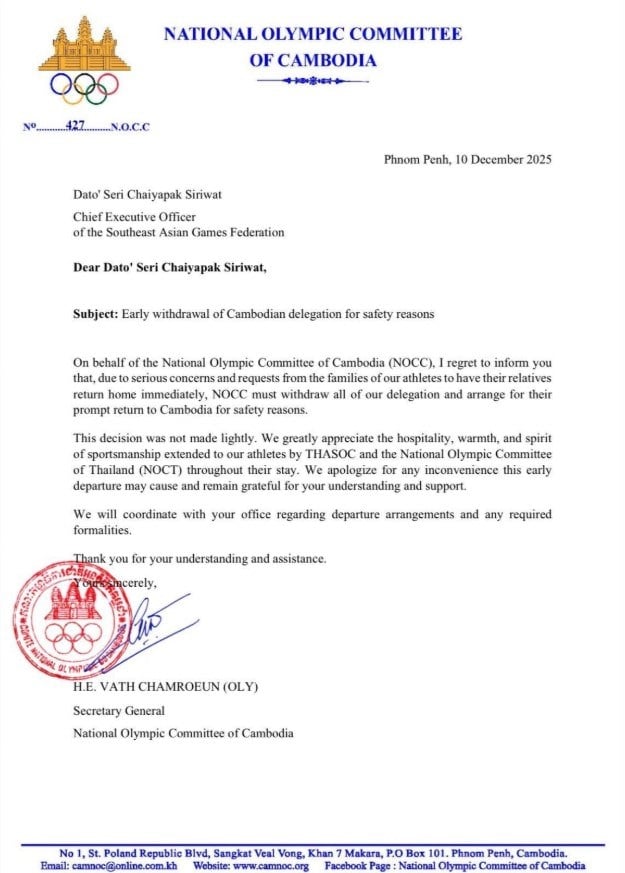
In the letter, the Secretary-General of the National Olympic Committee of Cambodia (NOCC), Mr. Vath Chamroeun, expressed, “This decision was made with utmost care. We deeply appreciate the welcome, hospitality, warmth, and sportsmanship that THAOC and the National Olympic Committee of Thailand (NOCT) have shown us throughout this time.”
We apologize for any inconvenience this early departure may cause and sincerely thank you for your understanding and support.”
Regarding this issue, Thailand's Minister of Tourism and Sports, Atthakorn Sirilatthayakon, stated that he "respects Cambodia's decision." He said that Thailand had created the best possible conditions for the delegations to compete, and that the decision to withdraw was a personal right of each country.
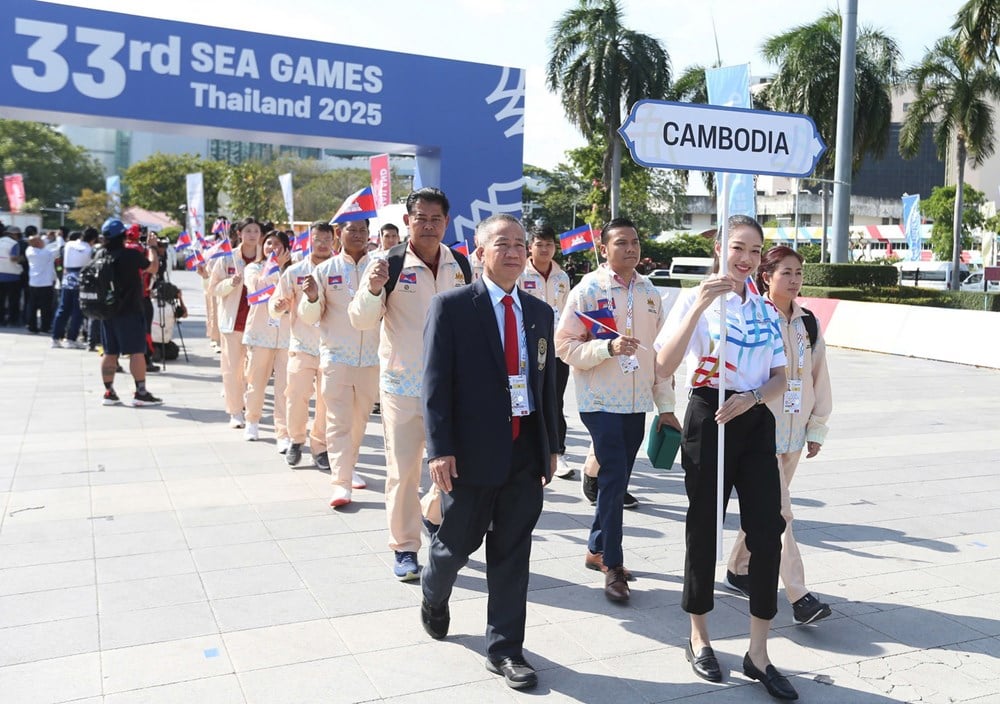
From a logistical standpoint, Cambodia's absence eased the pressure on security forces, which Thailand had already reinforced two to three times to accompany and protect the Cambodian delegation amidst complex developments near the border.
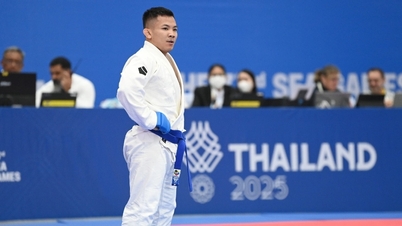
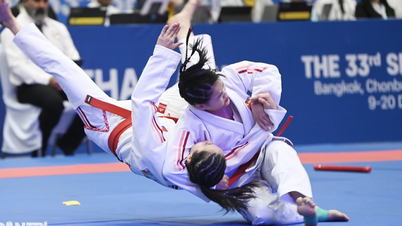
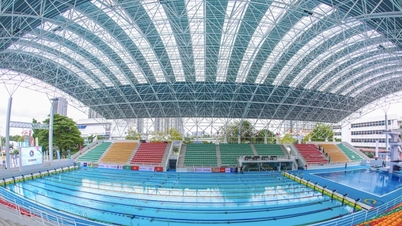
However, from a professional standpoint, host nation Thailand must deal with the repercussions of Cambodia's withdrawal. Cambodia registered to compete in 12 sports at the 33rd SEA Games: swimming, athletics, esports, fencing, gymnastics, jujitsu, kickboxing, taekwondo, equestrianism, jet skiing, triathlon, and teqball. The withdrawal deprives these events of a strong contender.
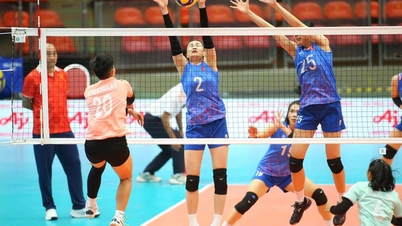
This morning, the organizing committee had to hastily change the competition schedule for swimming, jujitsu, taekwondo, and gymnastics.
In fact, the organizers were not too surprised. Ever since Cambodia withdrew from 9 sports in the initial phase, SEA Games 33 officials had anticipated the possibility that the Cambodian team would not participate in any events.
Combat sports will be most affected. In the brackets containing Cambodian representatives, the opponent will be awarded the win.
The situation is particularly complicated in the seven events where the number of participating teams is reduced to three. According to Olympic Committee regulations, a full set of medals can only be awarded when there are at least four competing teams. In the case of only three, the organizers will most likely only award gold and silver medals, with the last-place team not receiving a bronze medal.
Overall, although not the desired scenario, Cambodia's withdrawal did not cause too much disruption to the 33rd SEA Games. Thailand still has the ability to control and adjust to the issues arising from its neighbor's decision.
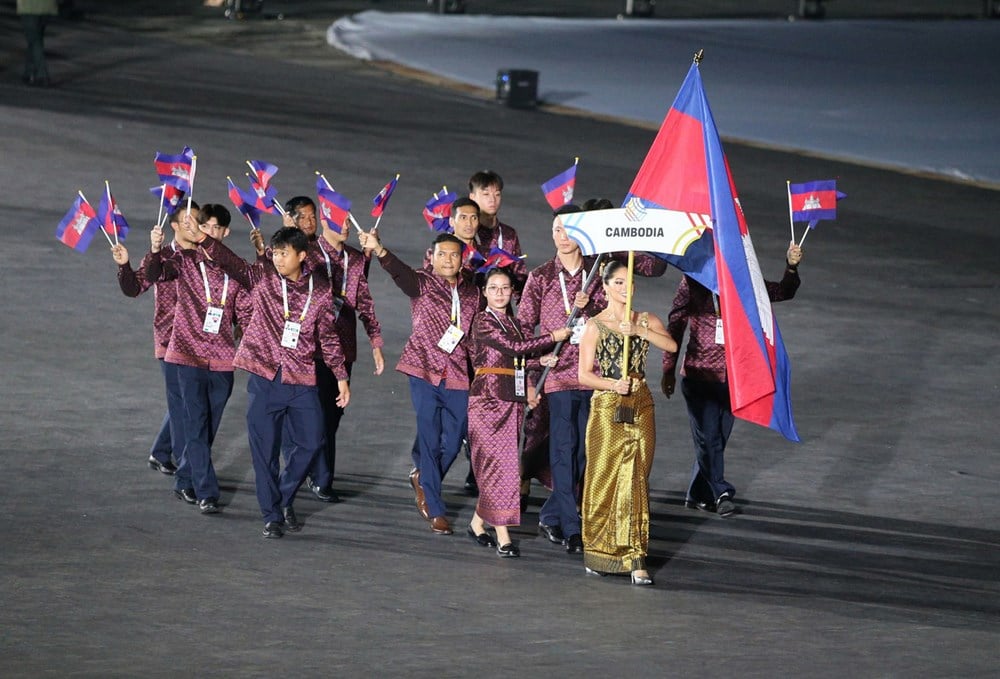
The SEA Games is the largest sporting event in Southeast Asia, held every two years and bringing together the best athletes from 11 countries in the region. The Games are usually held in odd-numbered years and include many sports from the Olympic and Asian Games systems, along with sports unique to the host country.
Having gone through more than 66 years of formation and development, the SEA Games has become a symbol of regional solidarity and an important platform for Southeast Asian sports to elevate and affirm their position.
This year's SEA Games are being held in Thailand from December 9-20, featuring 50 sports and 574 events. The Vietnamese sports delegation comprises 1,165 members, including 842 athletes.

Source: https://baovanhoa.vn/the-thao/sea-games-33-chiu-anh-huong-ra-sao-khi-campuchia-bat-ngo-rut-lui-187228.html

![[Photo] The captivating scenery of the fragrant maple forest in Quang Tri](/_next/image?url=https%3A%2F%2Fvphoto.vietnam.vn%2Fthumb%2F1200x675%2Fvietnam%2Fresource%2FIMAGE%2F2025%2F12%2F10%2F1765353233198_lan09046-jpg.webp&w=3840&q=75)

![[Photo] Explore the US Navy's USS Robert Smalls warship](/_next/image?url=https%3A%2F%2Fvphoto.vietnam.vn%2Fthumb%2F1200x675%2Fvietnam%2Fresource%2FIMAGE%2F2025%2F12%2F10%2F1765341533272_11212121-8303-jpg.webp&w=3840&q=75)



















![[Video] The craft of making Dong Ho folk paintings has been inscribed by UNESCO on the List of Crafts in Need of Urgent Safeguarding.](https://vphoto.vietnam.vn/thumb/402x226/vietnam/resource/IMAGE/2025/12/10/1765350246533_tranh-dong-ho-734-jpg.webp)












































Comment (0)