

Replenishing fluids after exercise is crucial; however, this must be done correctly to avoid harming the body.
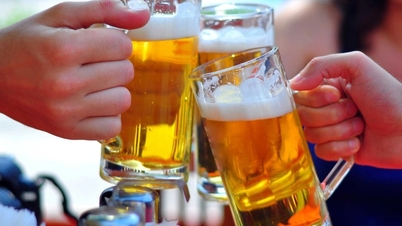
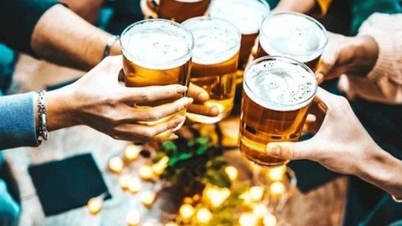
Many people believe that drinking beer after playing sports is a way to hydrate the body. However, according to Dr. Ho Van Duy An, MD, MSc, Orthopedic Trauma Center, Tam Anh General Hospital System, this is a completely wrong notion. Due to its diuretic properties, drinking beer not only does not hydrate the body but can actually cause dehydration.
Furthermore, after exercise, body temperature rises, and increased sweating leads to significant fluid loss and reduced blood flow, resulting in decreased oxygen delivery to muscles and other organs. Therefore, the body needs adequate rest to return to its normal state. At this time, if you consume alcohol, your body will be forced to work harder to eliminate the toxins from these beverages.
Another negative effect of drinking alcohol after playing sports is that it slows down protein synthesis. To counteract muscle stress caused by exercise, the body stimulates and accelerates protein synthesis to repair damaged muscles and increase muscle strength.
Some studies suggest that drinking alcohol after exercise can reduce the synthesis of this protein, slowing down the body's recovery time, dilating blood vessels, and stimulating swelling if injured. When the habit of drinking alcohol after exercise is repeated over a long period, the body will not become healthier but will instead be more prone to fatigue and muscle and joint pain.
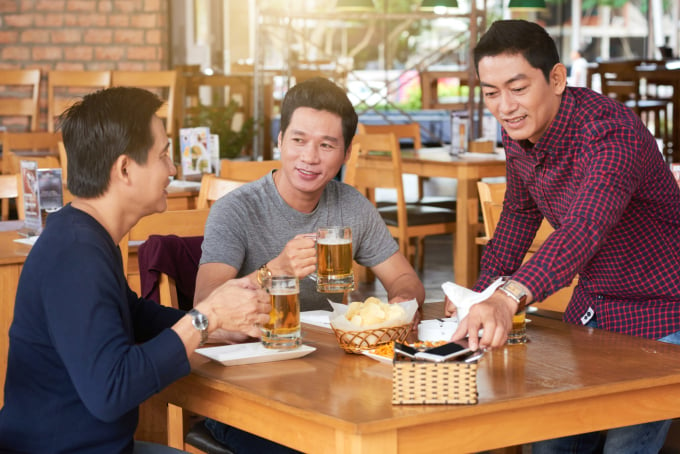
Drinking alcohol after playing sports puts extra strain on the body. Photo: Freepik
Drinking water after playing sports offers many benefits, such as regulating body temperature, preventing cramps, replenishing fluids lost through sweat, and supporting the function of internal organs. Instead of alcohol, you should drink the following beverages:
Cool, filtered water: The body tends to absorb cool water faster than warm water. However, it's important to note that you should drink cool water, not ice-cold water. After playing sports, your body temperature is high, and drinking ice-cold water can shock your digestive system.
Water containing electrolytes , such as sports drinks or oral rehydration solutions (ORS), is a good choice for athletes. These drinks typically contain potassium, calories, and other nutrients that help boost energy and maintain electrolyte balance. It's important to note that electrolyte drinks are not the same as sugary sodas or energy drinks. Those high in sugar, salt, and caffeine are not good for people who have just engaged in strenuous activity.
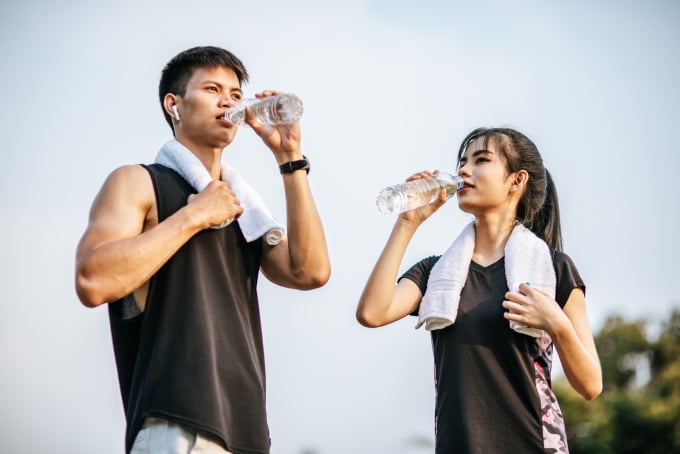
Drinking water properly after exercise helps regulate body temperature and the function of internal organs. Photo: Freepik
Dr. Duy An advises that while drinking water after exercise is advisable, drinking too much water can dilute the blood, leading to a decrease in blood sodium levels. This is a dangerous condition that requires urgent medical attention. Hyponatremia can cause altered consciousness, weakness, seizures, and in severe cases, even death. Early symptoms may include nausea, disorientation, and muscle cramps.
These symptoms are particularly similar to those of dehydration, which can be misleading, leading you to drink more water and worsening hyponatremia. Hyponatremia is rare; however, to be safe, you should only drink about 250 ml of water within the first 30 minutes after exercise.
Phi Hong
Source link














































































Comment (0)