

On December 12th in Can Tho City, the Ministry of Agriculture and Environment, in collaboration with the People's Committee of Can Tho City and the Japanese Ministry of Agriculture, Forestry and Fisheries, organized a conference to promote investment and technological cooperation between Vietnam and Japan in developing high-quality, low-emission rice-growing areas linked to green growth in the Mekong Delta.
 |
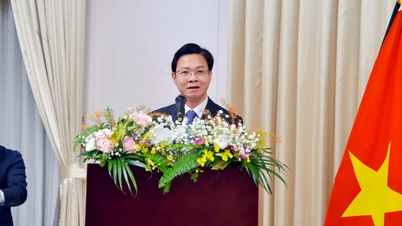
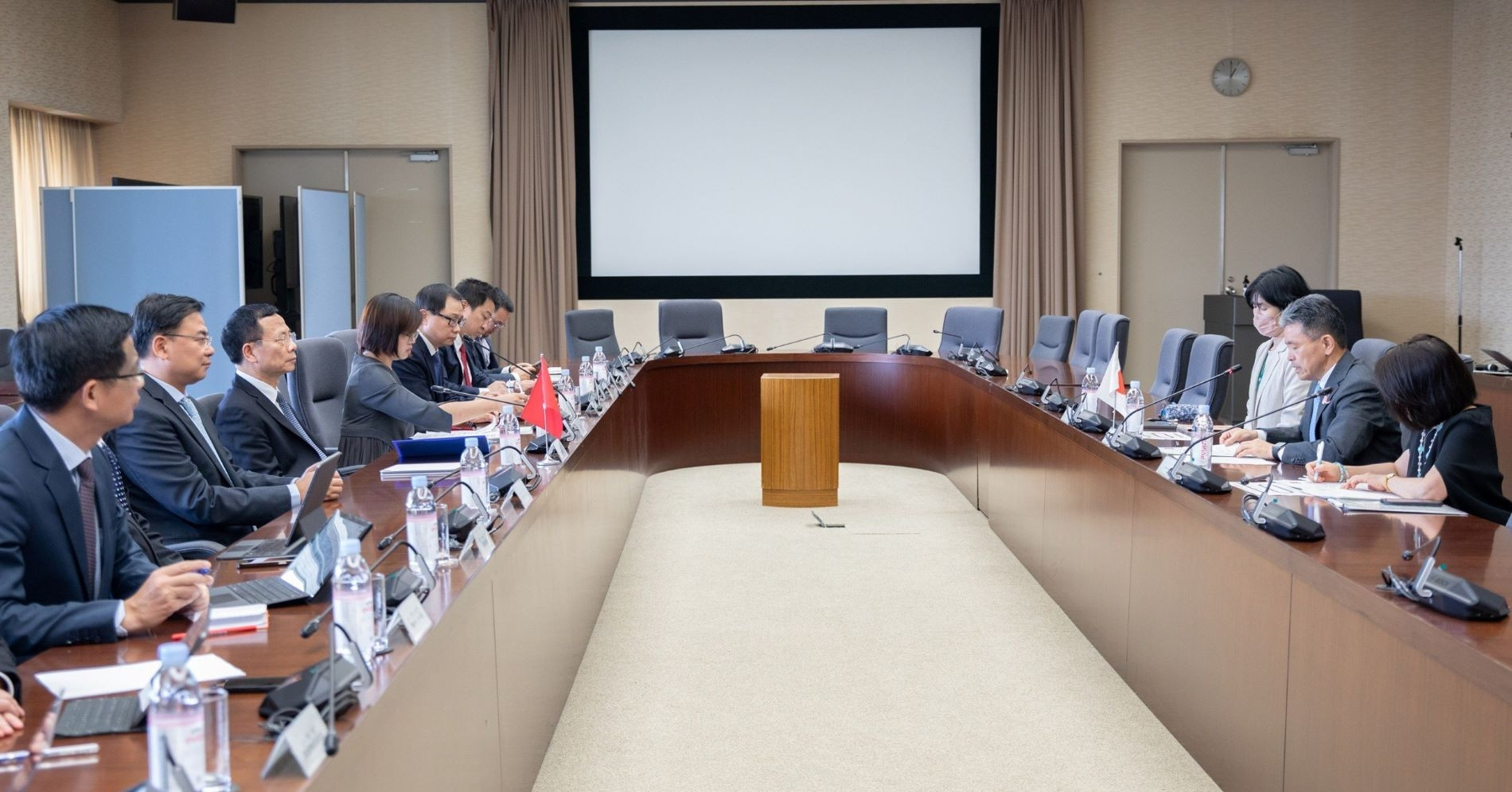
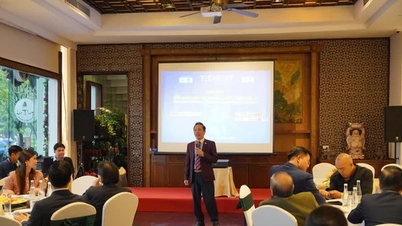
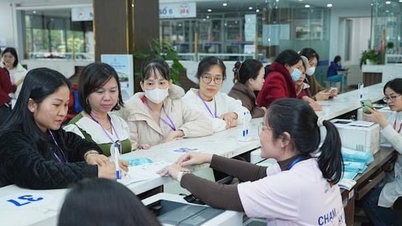
| The scene at the conference. |
In his opening remarks, Mr. Nguyen Do Anh Tuan, Director of the International Cooperation Department, Ministry of Agriculture and Environment (MARD), emphasized the strategic role of the Mekong Delta in Vietnam's food security and rice exports, while also highlighting the region's major challenges related to climate change, saltwater intrusion, drought, and the need to reduce greenhouse gas emissions in agriculture.
The conference focused on implementing the Project to cultivate 1 million hectares of high-quality, low-emission rice by 2030 – a pioneering program of Vietnam in the world , aimed at enhancing the value of the rice industry, building a green, clean, and globally competitive rice brand, and contributing to Vietnam's goal of net zero emissions by 2050.
Vietnam affirms that Japan is a comprehensive strategic partner, effectively accompanying Vietnam in green agricultural transformation, innovation, precision mechanization, and carbon market development. The two sides will strengthen cooperation in the application of AI, big data, MRV systems, land, water, and air pollution management, byproduct treatment, and circular economy development.
The Mekong Delta holds a strategic position for national food security and makes a significant contribution to the global rice supply chain, accounting for over 50% of the country's rice production and more than 90% of its rice exports. However, the region is also facing increasingly severe climate change, saltwater intrusion, drought, water resource depletion, land subsidence, and the urgent need to reduce agricultural emissions.
In this context, the Vietnamese Government has issued a plan for the sustainable development of 1 million hectares of high-quality, low-emission rice cultivation linked to green growth by 2030, enhancing the added value of the rice industry; establishing a brand of green, clean, low-emission rice; and contributing to the realization of the COP26 commitment to net zero emissions by 2050.
Japan has always been a strategic partner, a trusted friend, and an effective collaborator with Vietnam. The Vietnamese government highly appreciates Japan's valuable support over the past decades, particularly in precision engineering technology, data governance, human resource training, and digital transformation in agriculture.
Vietnam-Japan relations continue to develop strongly and substantively after the two countries upgraded to a Comprehensive Strategic Partnership for Peace and Prosperity in Asia and the World (November 2023). Japan is currently the largest ODA donor, the third largest investor, and an important trading partner of Vietnam.
The Japanese Ministry of Agriculture, Forestry and Fisheries highly appreciated this conference and committed to expanding investment, connecting businesses of the two countries, and promoting exemplary cooperation models in the production of high-quality, low-emission rice in the Mekong Delta.
According to the Ministry of Agriculture and Rural Development, in the agricultural sector, the ministerial-level dialogue mechanism in the medium and long-term vision of Vietnam-Japan agricultural cooperation has become an important foundation. The three-stage vision for 2025-2030 emphasizes the role of cooperation in technology, innovation, training high-quality human resources, and developing green agriculture.
The conference aims to strongly promote investment and technology cooperation between Vietnam and Japan in developing high-quality, low-emission rice-growing areas in the Mekong Delta, with four main focuses: Enhancing the participation of Japanese businesses, investors, and scientific and technological organizations in production, processing, mechanization, and carbon credit markets; Connecting businesses from both countries in applying AI, Big Data, MRV systems, and smart sensor-based land, water, and air pollution management; Developing a circular economy, processing by-products, and reducing methane emissions in rice production; Strengthening cooperation in training, developing rice cooperatives, and human resources; and Enhancing Vietnam-Japan cooperation in the production of high-quality, low-emission rice in the Mekong Delta.
Source: https://baodautu.vn/tang-cuong-hop-tac-viet-nam---nhat-ban-trong-san-xuat-lua-phat-thai-thap-vung-dbscl-d457510.html































































Comment (0)