Thailand makes a surprising move, adding another unpredictable challenge to coach Kim Sang-sik.
Báo Thanh niên•25/08/2024
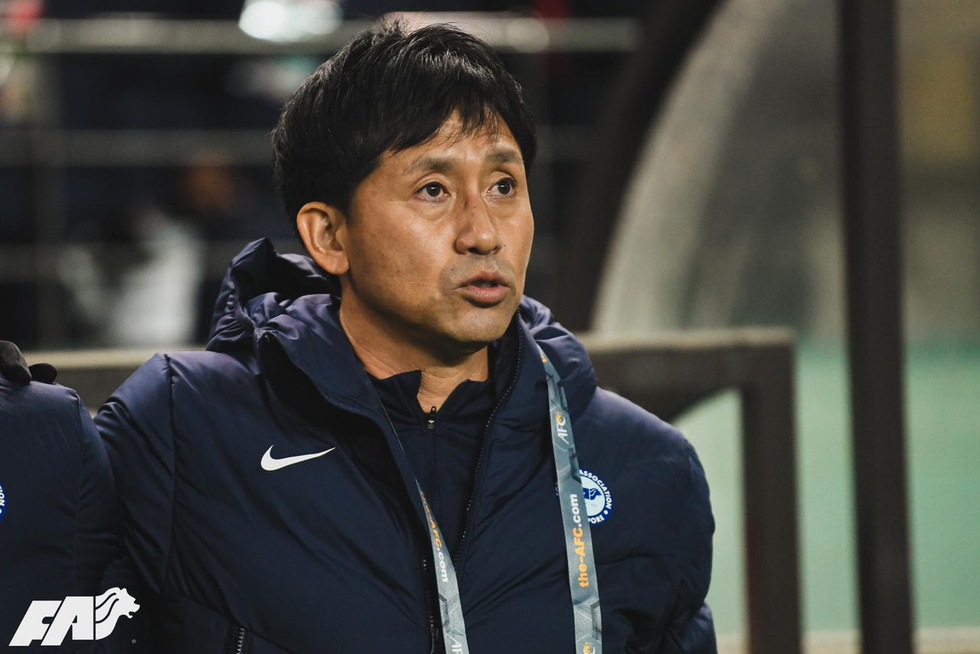
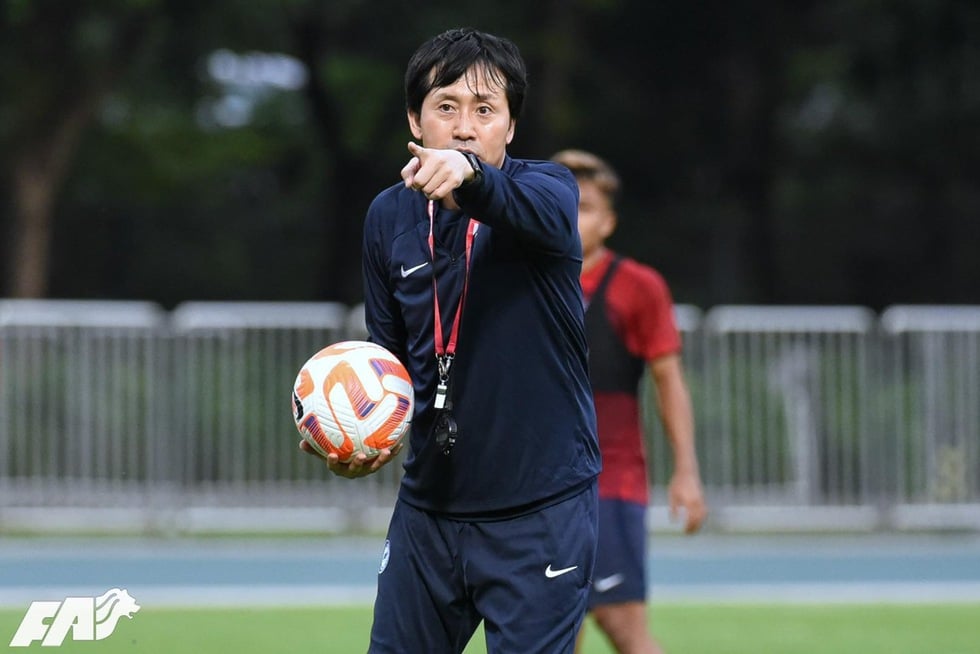
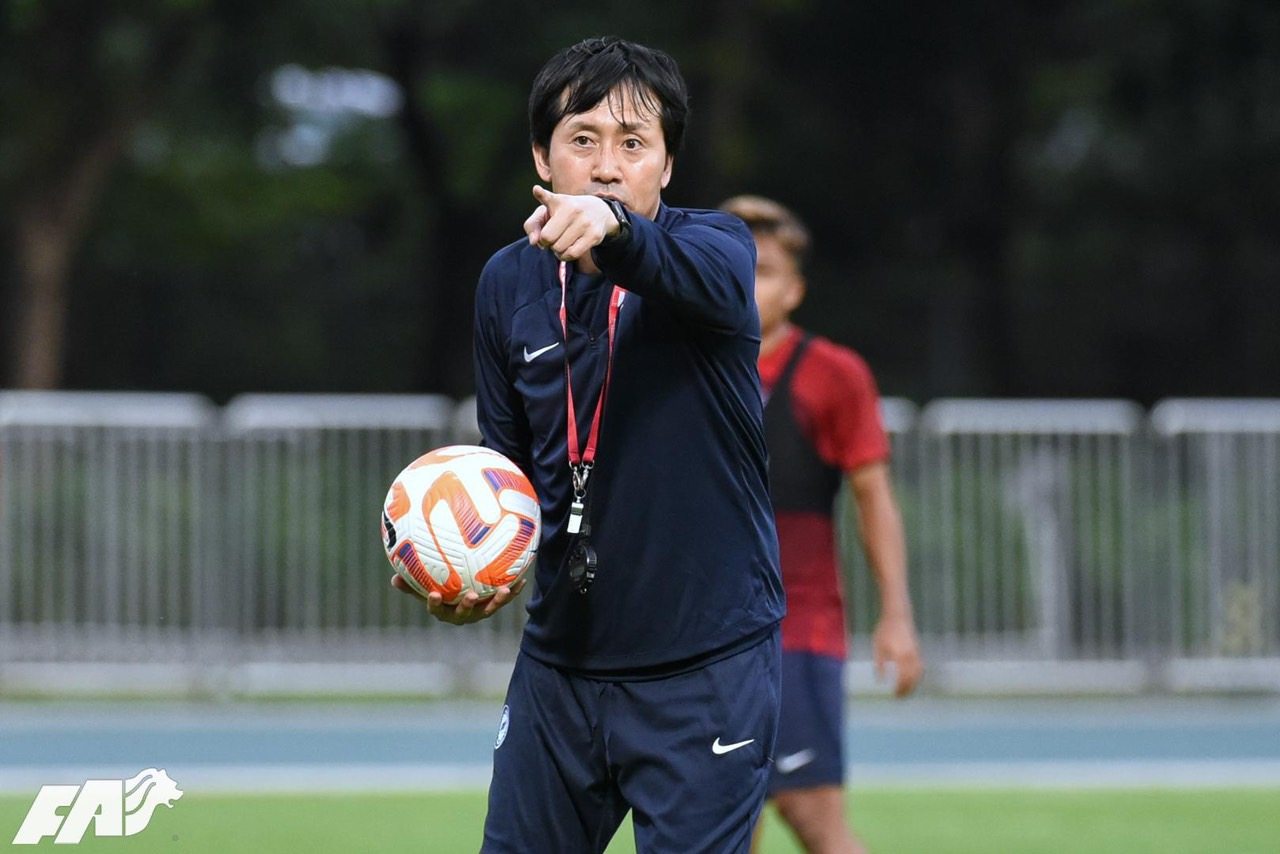
The Football Association of Thailand is preparing to appoint Japanese coach Takayuki Nishikaya to lead the Thai U.23 national team.
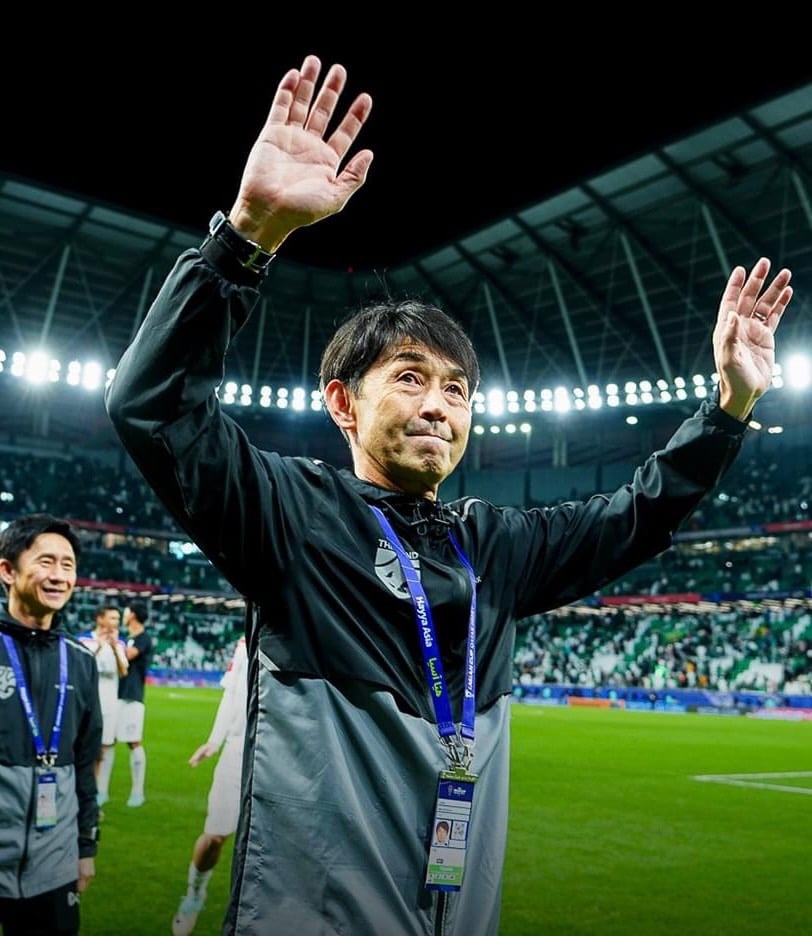
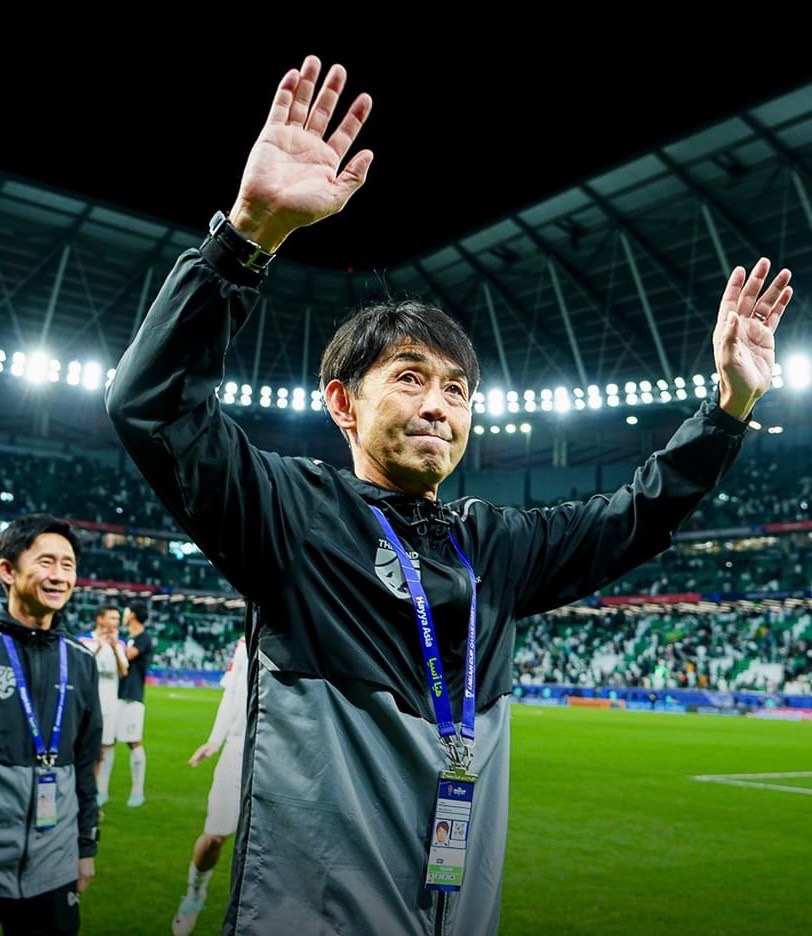
This is the next step in shaping a new style of Thai football, contrasting with the style of the Vietnamese national teams. Currently, the Thai national team is led by Masatada Ishii, a Japanese coach. With the addition of Takayuki Nishikaya (former coach of Mito Hollyhock) in the U23 team, all the most important national teams in Thai football are now led by Japanese coaches.
Coach Takayuki Nishigaya of the Thailand U.23 team
PHOTO: FAS
This is perhaps the new direction of the Football Association of Thailand (FAT) in shaping the style of their national teams. Previously, quite a few Thai players have shone in Japan's J-League: Chanathip Songkrasin (Consadole Sapporo and Kawasaki Frontale, from 2017-2023), Theerathon Bunmathan (Vissel Kobe and Yokohama Marinos, from 2018-2021), Teerasil Dangda (Sanfrecce Hiroshima and Shimizu S-Pulse, from 2018-2020), Sarach Yooyen (currently playing for Renofa Yamaguchi) and Supachok Sarachat (Consadole Sapporo).
Coach Ishii of the Thai national team
FAT
Thai players have found success in Japan, Japanese coaches work with Thai national teams, and Thai football has found the Japanese style of play to be a good fit for them. The Japanese style of play, which emphasizes attacking play, ball control, and small-group passing, is also what the Thai national team wants to adopt. It's clear that against any opponent, in any international tournament, big or small, in recent times, the Thai national team has consistently opted for this style of play.
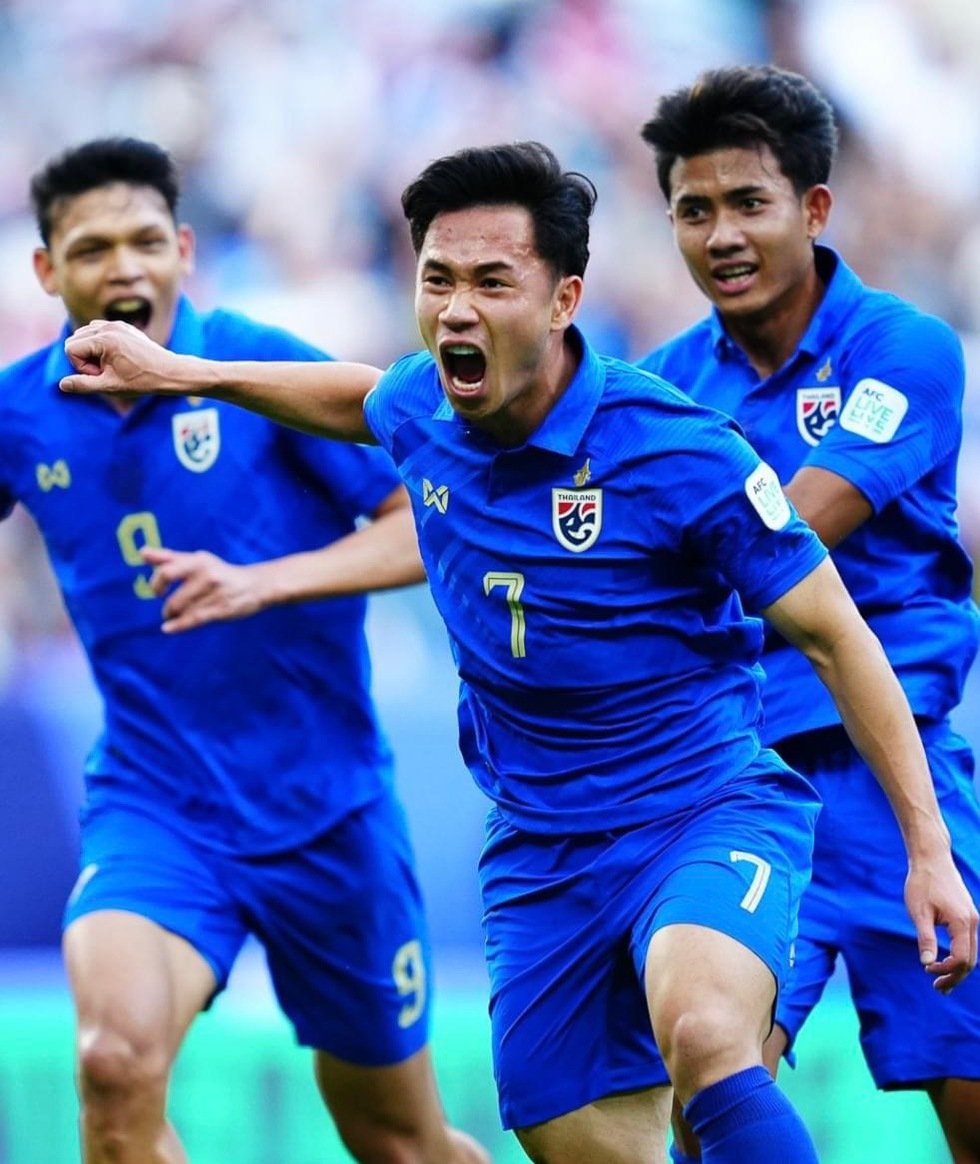
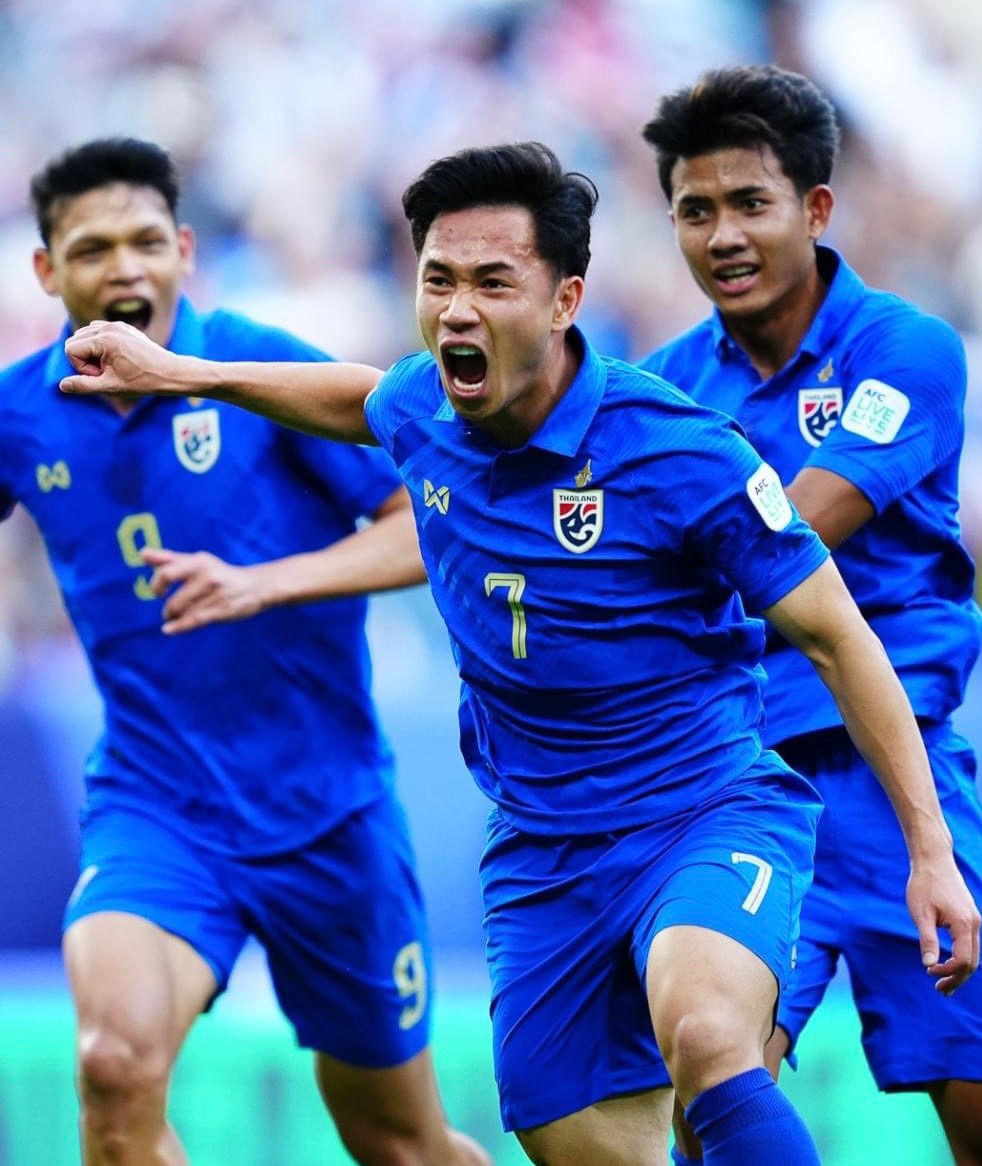
Thai midfielder Supachok Sarachat (7) is playing for Consadole Sapporo Club of Japan.
FAT
Thai players are essentially smaller but as skillful as Japanese players. Perhaps Thailand sees this as a suitable path to develop its playing style in the future. And as Thai football turns to Japanese coaches, building a Japanese-style playing style, the football of the Land of the Golden Pagoda once again contrasts with the current style of the Vietnamese national team. Our national teams recently seem to thrive under Korean coaches, from Coach Park Hang-seo, through a short period under Coach Gong Oh-kyun (who led the Vietnam U23 team at the 2022 U23 Asian Championship) and now Coach Kim Sang-sik. Unlike Japanese coaches who prefer a ball-possession style of play, Korean coaches prefer a fast-paced, tight style in their own half and quick counter-attacks. Korean football tends to favor a more wide-ranging style compared to Japanese teams. Therefore, when led by South Korean coaches, Vietnamese football has always produced very good full-backs, such as Doan Van Hau and Vu Van Thanh under coach Park Hang-seo, and Ho Tan Tai and Phan Tuan Tai currently. No style is completely superior to another. Nor is any playing style completely optimal. The main issue lies in which football system is best suited to which style and playing approach; each football system will then apply that style and playing approach to its national teams. Japan and South Korea are both leading football nations in Asia, approaching world-class standards, so it's not surprising that football systems in Southeast Asia are pursuing the philosophies of Japanese and South Korean football. With Thai and Vietnamese football, one opting for the Japanese style and the other for the Korean style, there's a further contrast between Thailand and Vietnam, creating another interesting comparison between two footballing nations that are formidable rivals in Southeast Asia!


![[Photo] Prime Minister Pham Minh Chinh holds a phone call with the CEO of Russia's Rosatom Corporation.](/_next/image?url=https%3A%2F%2Fvphoto.vietnam.vn%2Fthumb%2F1200x675%2Fvietnam%2Fresource%2FIMAGE%2F2025%2F12%2F11%2F1765464552365_dsc-5295-jpg.webp&w=3840&q=75)




































































Comment (0)