

Urgent measures needed to fix the problem and save the crop.
Driving along the coastal roads of Dien Chau, Quynh Luu, Quynh Anh, Quynh Phu communes, etc., the most common sight these days is that of greenhouses and polytunnels with their roofs blown off, frames collapsed, and in disarray after the storm.
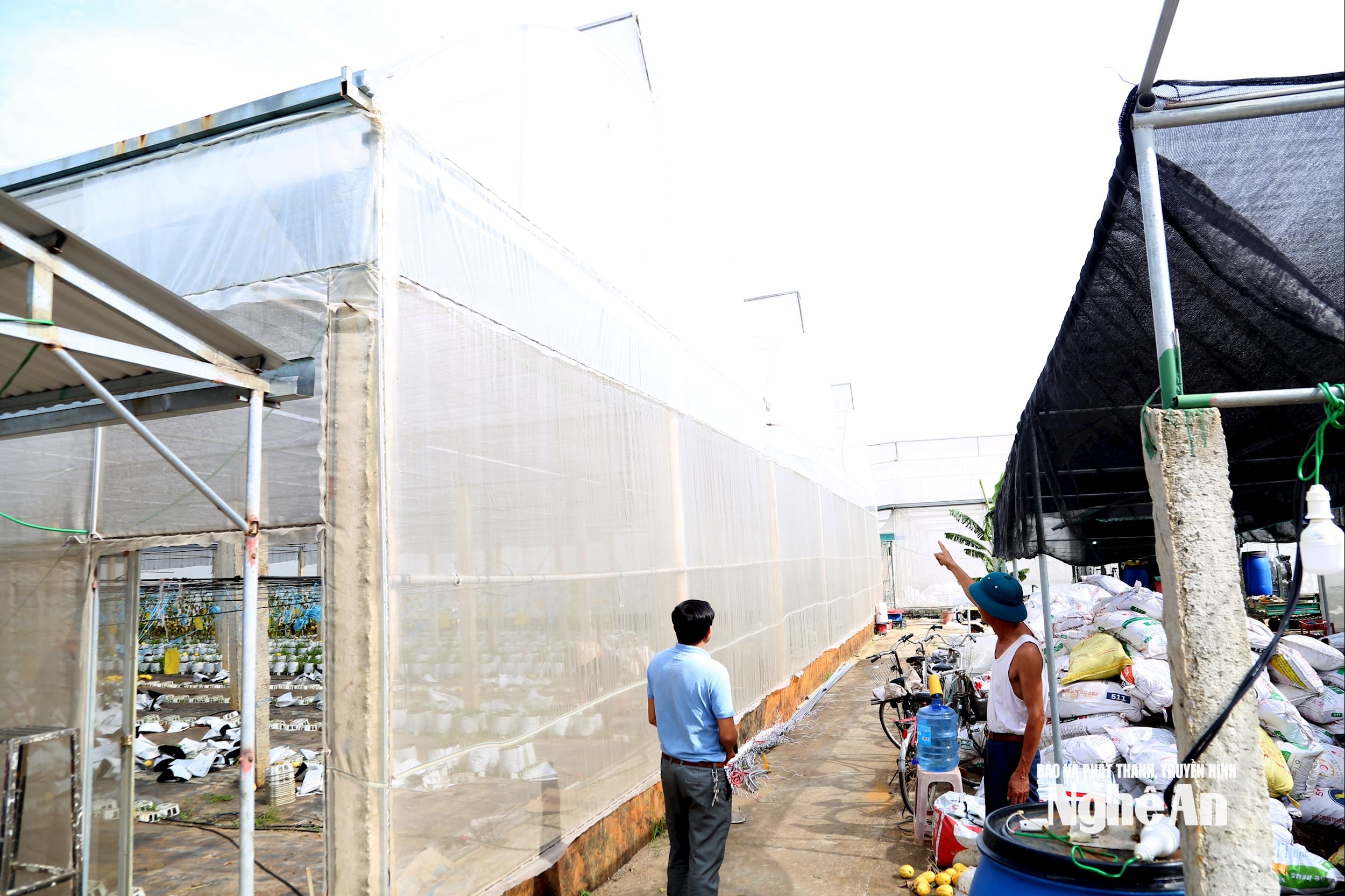
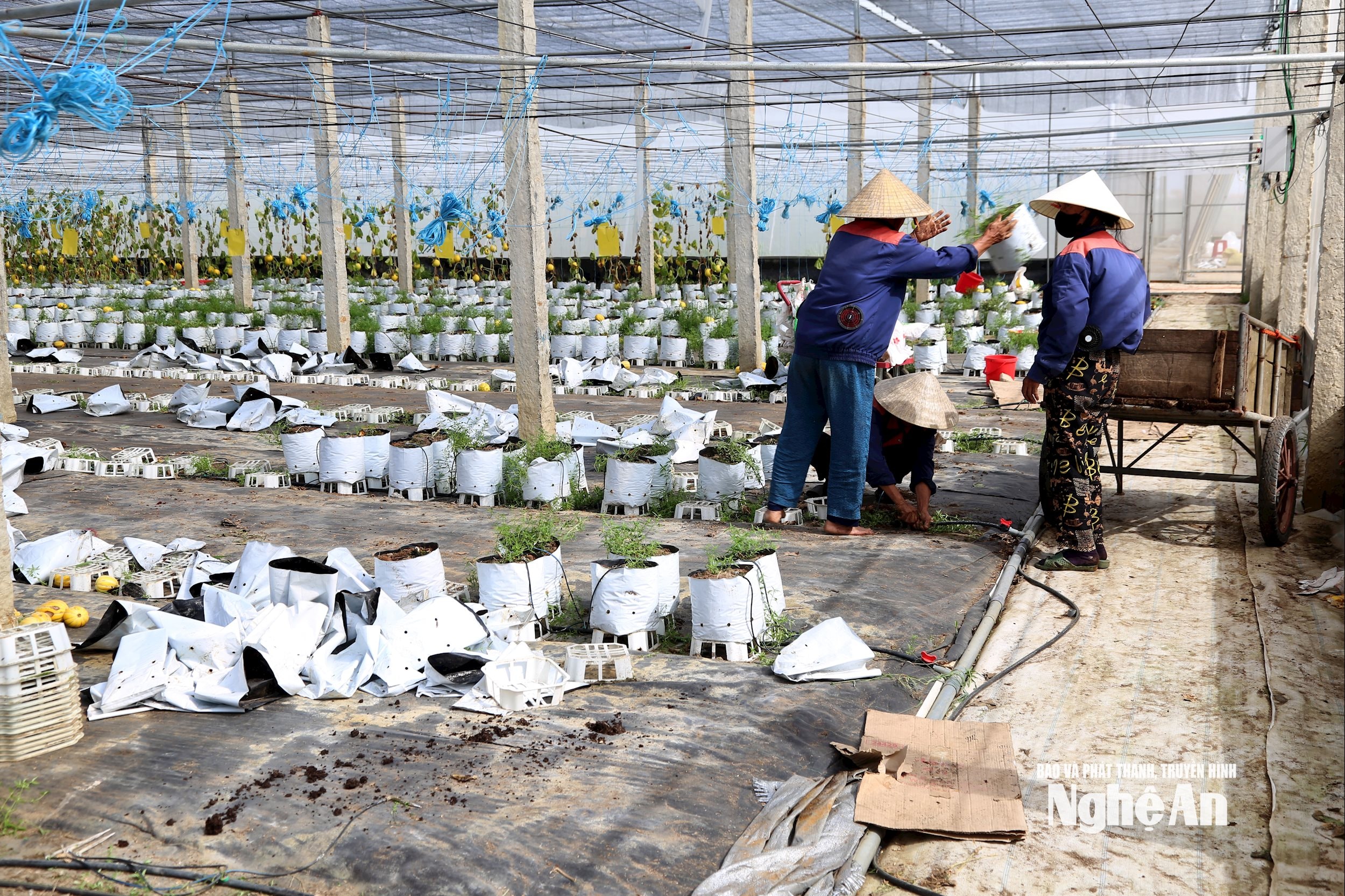
In Quynh Phu commune, the 6,000 m² greenhouse complex belonging to Mr. Ho Van Thang's family in Nghia Phu hamlet was almost completely destroyed, particularly the roof. Five out of six melon gardens, which were nearing harvest, were completely ruined.
“As soon as the storm passed, I went into the garden and felt like I was sitting on a pile of burning coals. The entire greenhouse roof was blown off, and all the melons were ruined. Just now, my family had to spend 240 million VND to buy plastic sheeting to cover everything again so we could plant a new crop,” Mr. Thang shared.
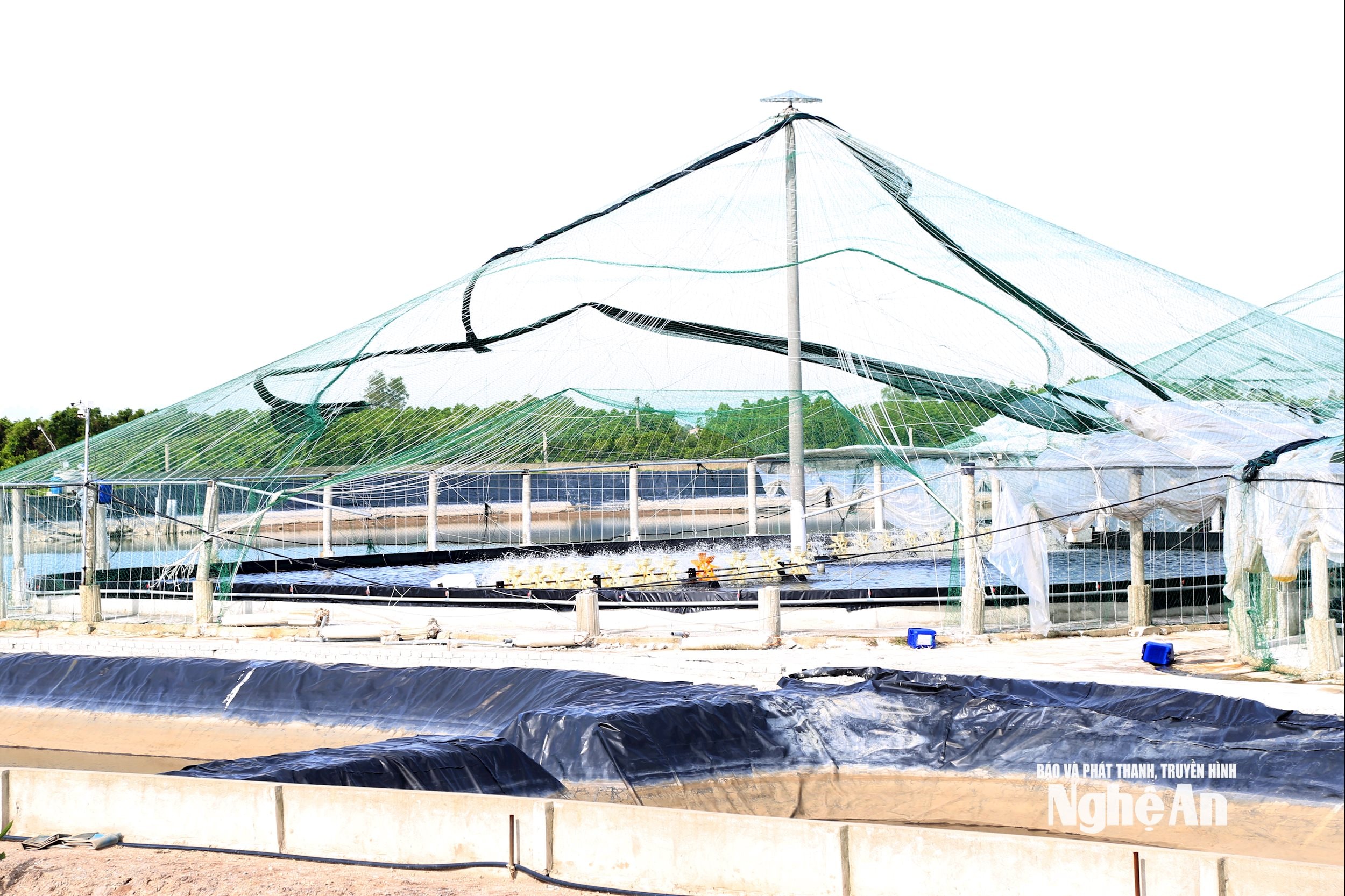
Not only melon farming but also high-tech shrimp farming in net houses suffered heavy losses. In Quynh Anh commune, Mr. Nguyen Ngoc Thanh's shrimp farm, covering more than 6 hectares, had 90% of its roof blown off, and many concrete pillars were broken and collapsed. Just after stocking the ponds with shrimp fry, the storm hit, and rainwater flooded the ponds, forcing the family to drain all the water and fry, resulting in losses of approximately 250 million VND.
"To rebuild the entire greenhouse complex, I estimate I'll need to spend at least another 800 million VND," Mr. Thanh worried.
According to statistics, 27 high-tech shrimp farms in the province had their roofs blown off or were damaged. In the crop farming sector, 21 greenhouses and net houses collapsed or had their roofs blown off, affecting tens of thousands of square meters.
The biggest concern for farmers right now is the repair cost. A severely damaged 500 m² greenhouse requires 30-40 million VND to repair; for systems spanning thousands of m², the cost can reach hundreds of millions of VND. Most farmers had already borrowed capital for initial investment, and now they are burdened with additional debt for repairs, making it extremely difficult to manage. Therefore, farmers hope the government will soon implement policies to support their resumption of production.
Prevent supply chain disruptions.
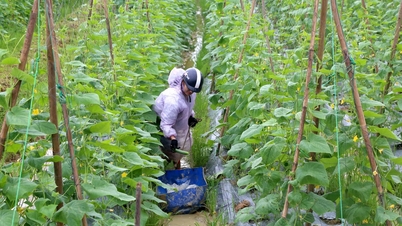
Quynh Anh commune's vegetable production area is the largest vegetable growing region in the province. Taking advantage of the sunny weather, farmers are heading to the fields to tend to the crops that can be restored.
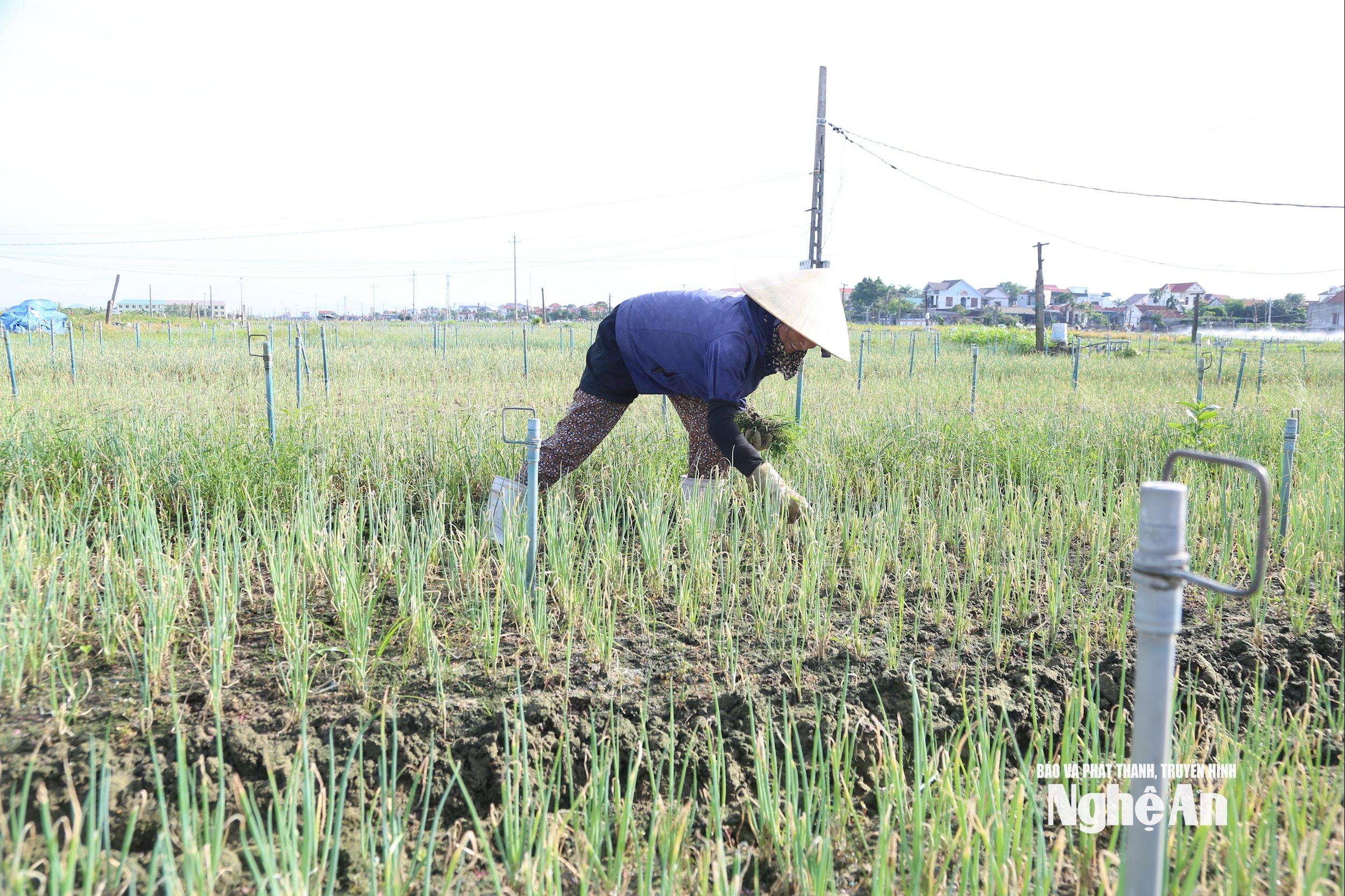
Ms. Ho Thi Tram from Tan Tien hamlet said that after the storm, it took many days for the soil to dry. Now, her family is weeding, tilling the beds, and applying NPK fertilizer, hoping to salvage some of their capital. However, out of 2 sao (approximately 0.2 hectares) of spring onions, only 1/3 of the area is suitable for cultivation; the remaining area needs to be replanted.
Mr. Ho Dang Tam, Director of Quynh Bang General Agricultural Cooperative, said: “Immediately after the storm, we sent staff to the fields to guide farmers in recovery efforts. For areas that could recover, weeded, fertilized, and cared for the crops. For areas completely destroyed, we quickly prepared the land and replanted. At the same time, the cooperative connected with businesses supplying seeds and fertilizers to provide timely support to farmers. The biggest goal is to prevent any disruption in the supply of vegetables and crops for the next 1-2 months.”
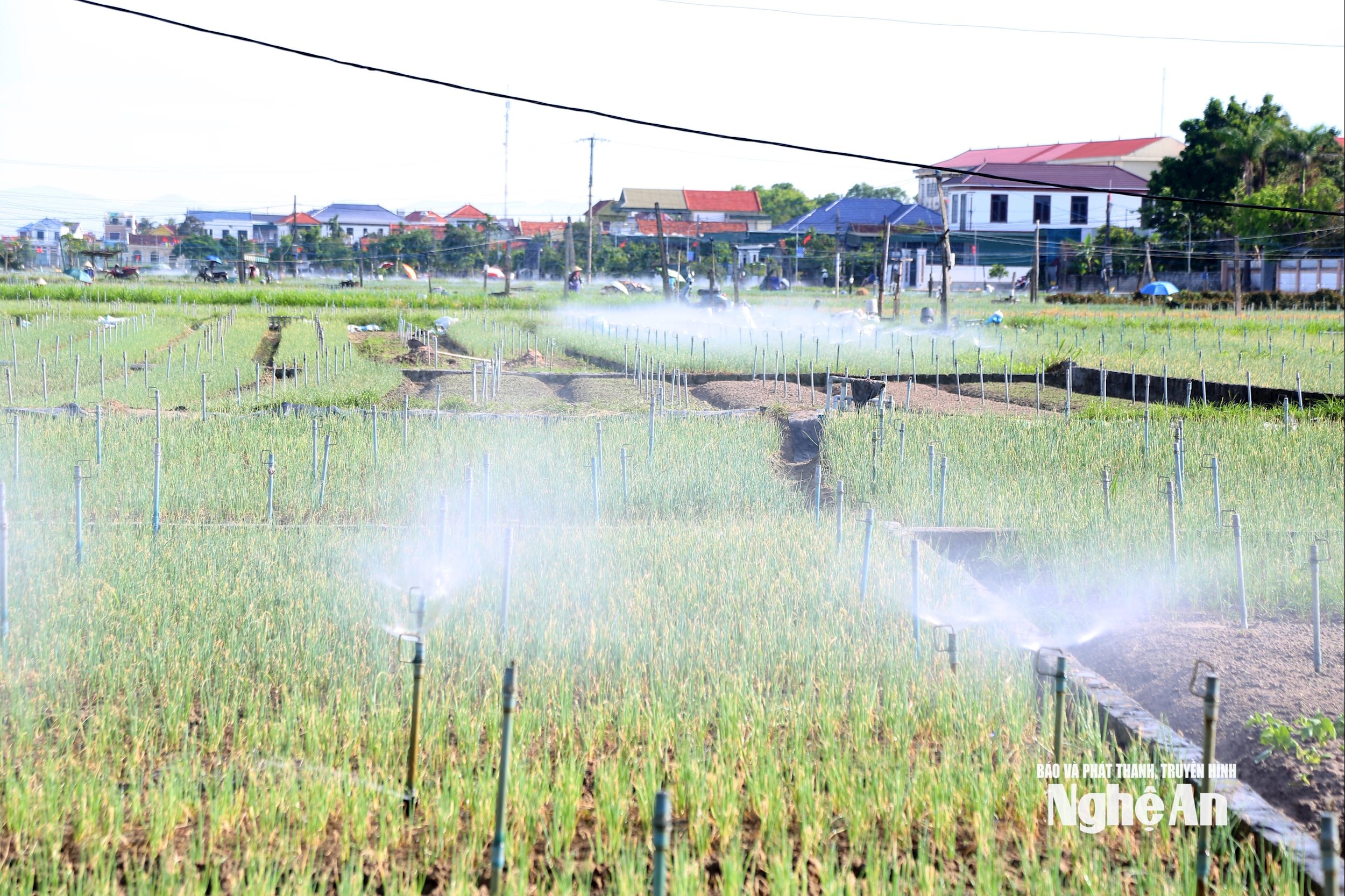
Along with rebuilding the greenhouses, people also focused on cleaning the fields, disinfecting and sterilizing them. Lime powder and biological preparations were sprinkled to kill pathogens and limit the spread of fungal diseases after the storms. The surviving vegetable beds were fertilized with organic and microbial fertilizers to help them recover quickly.
The urgent restoration of production after the storm not only helps farmers recover their capital quickly but also has broader implications. If coastal vegetable production is disrupted, the market will experience a shortage of fresh vegetables, prices will fluctuate sharply, directly affecting the lives of people in urban areas and many other places. Similarly, if high-tech shrimp farms do not quickly restock, the risk of shortages of fresh food and raw materials for processing is very high. Repairing greenhouses after the storm is not only for the benefit of individual farmers but is also linked to food security, food safety, and market stability.
In reality, farmers are in dire need of support from the State, relevant agencies, and businesses. Local authorities have been urgently compiling damage statistics to develop timely support plans. The agricultural sector also advises farmers to make maximum use of usable materials to reduce costs, and encourages cooperatives to link up and share seeds and fertilizers to overcome this difficult period.
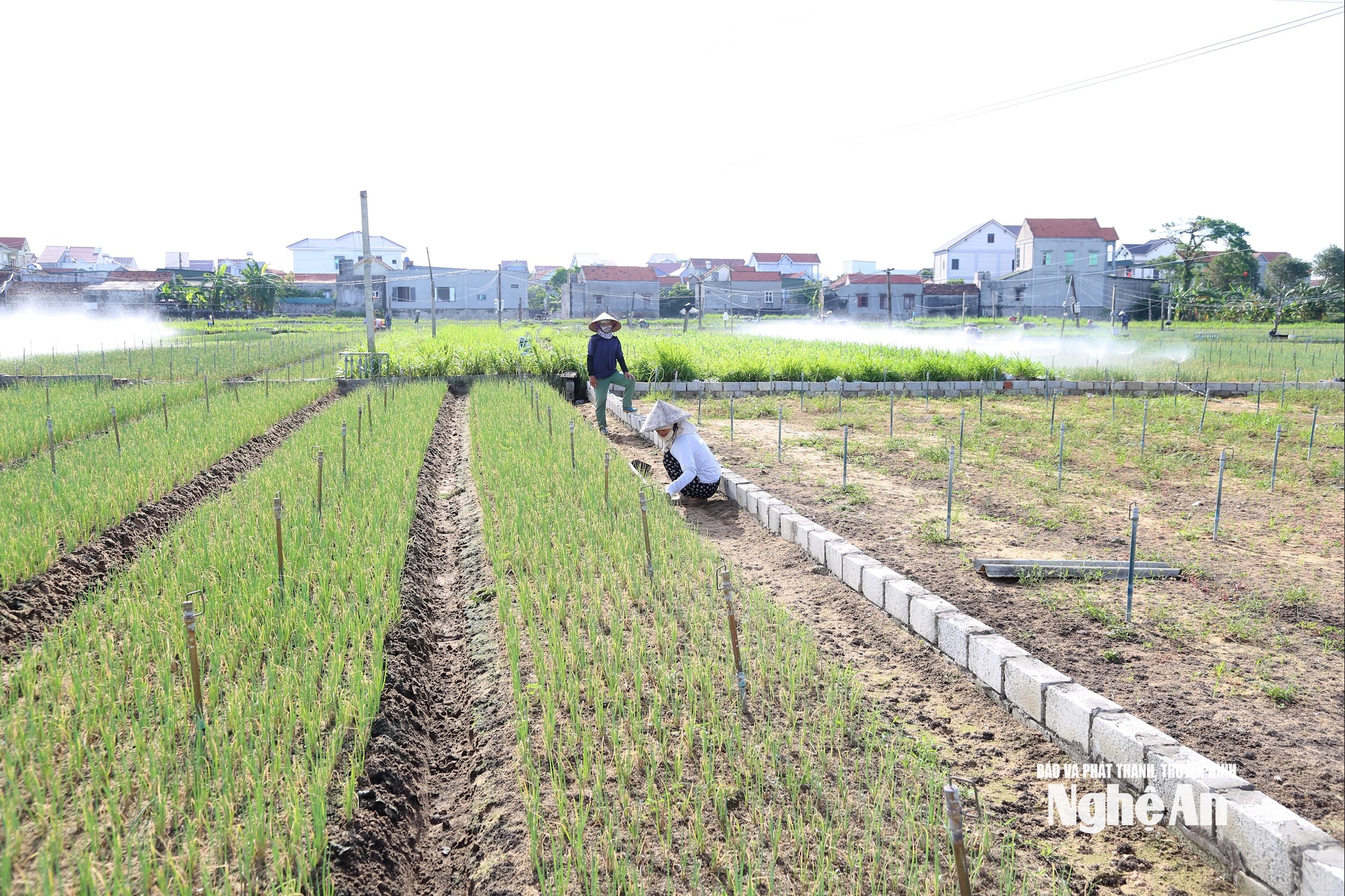
From the perspective of the people, the spirit of overcoming difficulties and diligent labor is a crucial support. "If the storms damage the crops, we replant; that's the way farming is," confided Ms. Ho Thi Hanh, a farmer in Quynh Anh commune. In their eyes, there is still a glimmer of determination, because they understand that only by quickly recovering and resuming production can they compensate for the damage and ensure supply to the market.
Although many difficulties remain, with the farmers' spirit of overcoming challenges, we believe that in just a short time, the fields will once again be covered with green vegetables, and the shrimp ponds will be ready for harvest.
Source: https://baonghean.vn/thoi-tiet-nang-rao-nong-dan-nghe-an-tat-bat-khoi-phuc-san-xuat-10306132.html

![[Photo] Prime Minister Pham Minh Chinh holds a phone call with the CEO of Russia's Rosatom Corporation.](/_next/image?url=https%3A%2F%2Fvphoto.vietnam.vn%2Fthumb%2F1200x675%2Fvietnam%2Fresource%2FIMAGE%2F2025%2F12%2F11%2F1765464552365_dsc-5295-jpg.webp&w=3840&q=75)


![[Photo] Closing Ceremony of the 10th Session of the 15th National Assembly](/_next/image?url=https%3A%2F%2Fvphoto.vietnam.vn%2Fthumb%2F1200x675%2Fvietnam%2Fresource%2FIMAGE%2F2025%2F12%2F11%2F1765448959967_image-1437-jpg.webp&w=3840&q=75)










































![[OFFICIAL] MISA GROUP ANNOUNCES ITS PIONEERING BRAND POSITIONING IN BUILDING AGENTIC AI FOR BUSINESSES, HOUSEHOLDS, AND THE GOVERNMENT](https://vphoto.vietnam.vn/thumb/402x226/vietnam/resource/IMAGE/2025/12/11/1765444754256_agentic-ai_postfb-scaled.png)














































Comment (0)