

The Standing Committee of the National Assembly agreed with the Government's proposal to recommend that the National Assembly decide on the investment policy for the Lao Cai - Hanoi - Hai Phong railway line project connecting with China, with a total estimated investment of 8.369 billion USD.
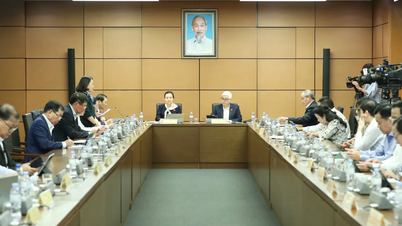
On the afternoon of February 10th, the Standing Committee of the National Assembly gave its opinion on the investment policy for the Lao Cai - Hanoi - Hai Phong railway project.
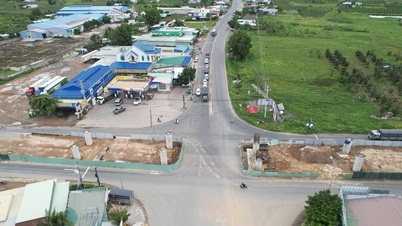
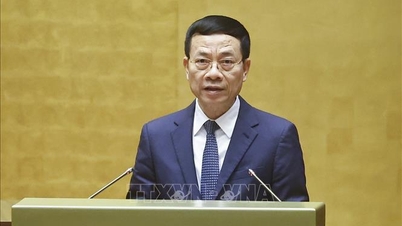
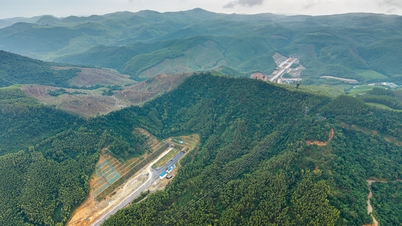
Presenting the proposal, Minister of Transport Tran Hong Minh stated that the Government is requesting the National Assembly to approve the investment plan for this project. The starting point is at the railway connection point across the border between the new Lao Cai station and the Ha Khau Bac station (China); the end point is at the Lach Huyen terminal area (Hai Phong). The main line is approximately 390.9 km long, and there are three branch lines totaling approximately 27.9 km.
The project will be implemented in 9 provinces and cities: Lao Cai, Yen Bai, Phu Tho, Vinh Phuc, Hanoi, Bac Ninh, Hung Yen, Hai Duong, and Hai Phong.
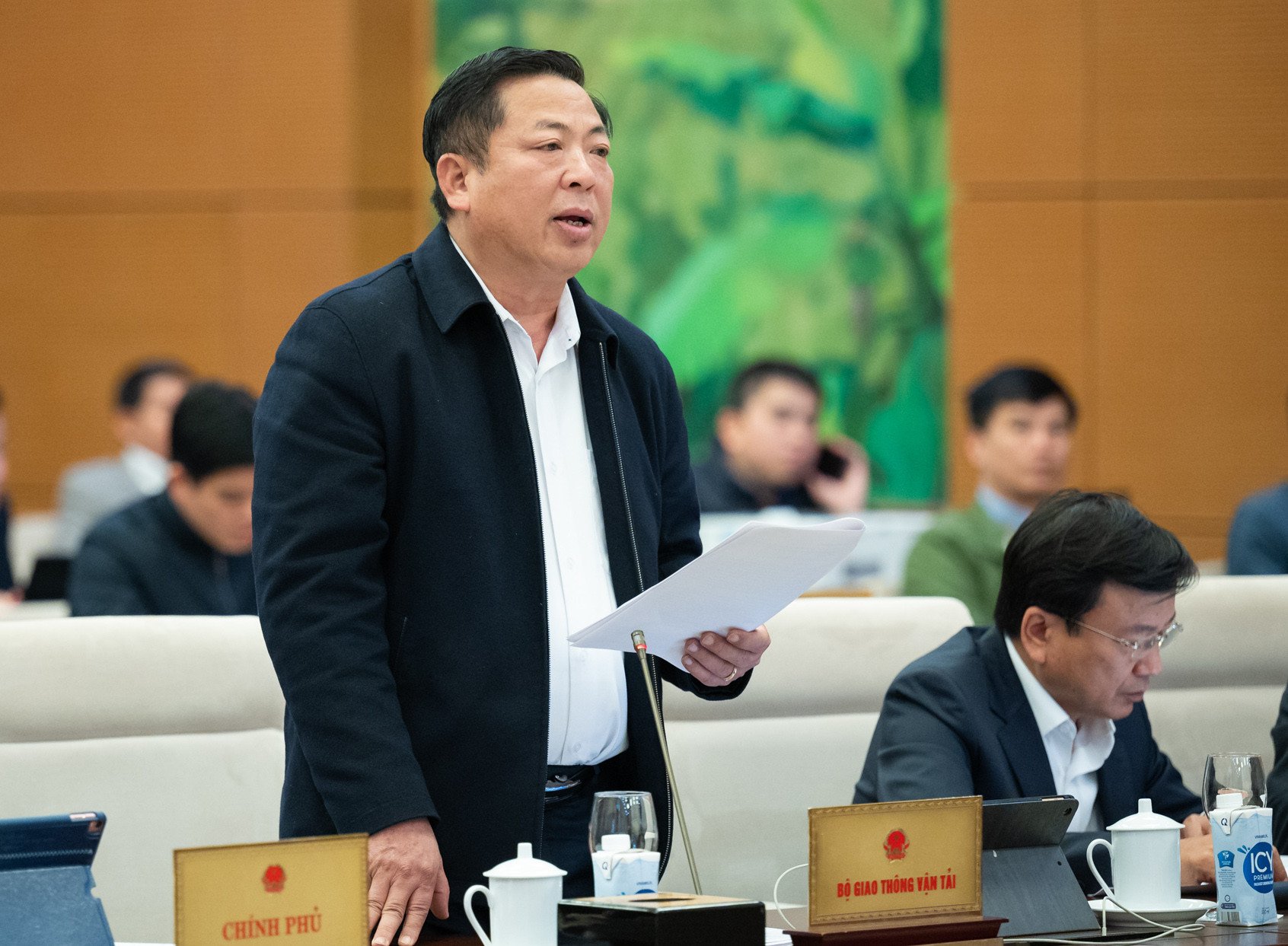
The investment scale for the new electrified railway project is a single-track, 1,435 mm gauge line for both passenger and freight transport; the main section has a design speed of 160 km/h; the section through the Hanoi railway hub has a design speed of 120 km/h; and the connecting and branch sections have a design speed of 80 km/h.
The preliminary total investment for the project is approximately VND 203,231 billion (USD 8.369 billion), sourced from the state budget (central and local); domestic capital, foreign capital (loan from the Chinese government), and other legitimate sources.
The government will prepare a feasibility study report starting in 2025, aiming to essentially complete the project by 2030 and proposing that the project be subject to certain specific and special mechanisms and policies.
Overall assessment of effectiveness in mitigating risks.
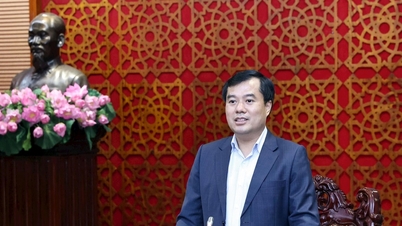
Reviewing this matter, the Chairman of the Economic Committee, Vu Hong Thanh, stated that, according to the Government's proposal, the state needs to provide preliminary support of approximately 109.36 million USD over 5 years for infrastructure maintenance costs from the economic development fund allocated to the railway system, similar to the current maintenance of the national railway infrastructure.
In addition, the high-speed railway project on the North-South axis is expected to incur losses of approximately $778 million in its first four years of operation. Therefore, the government needs to provide preliminary support of approximately $887.36 million for these two projects alone.
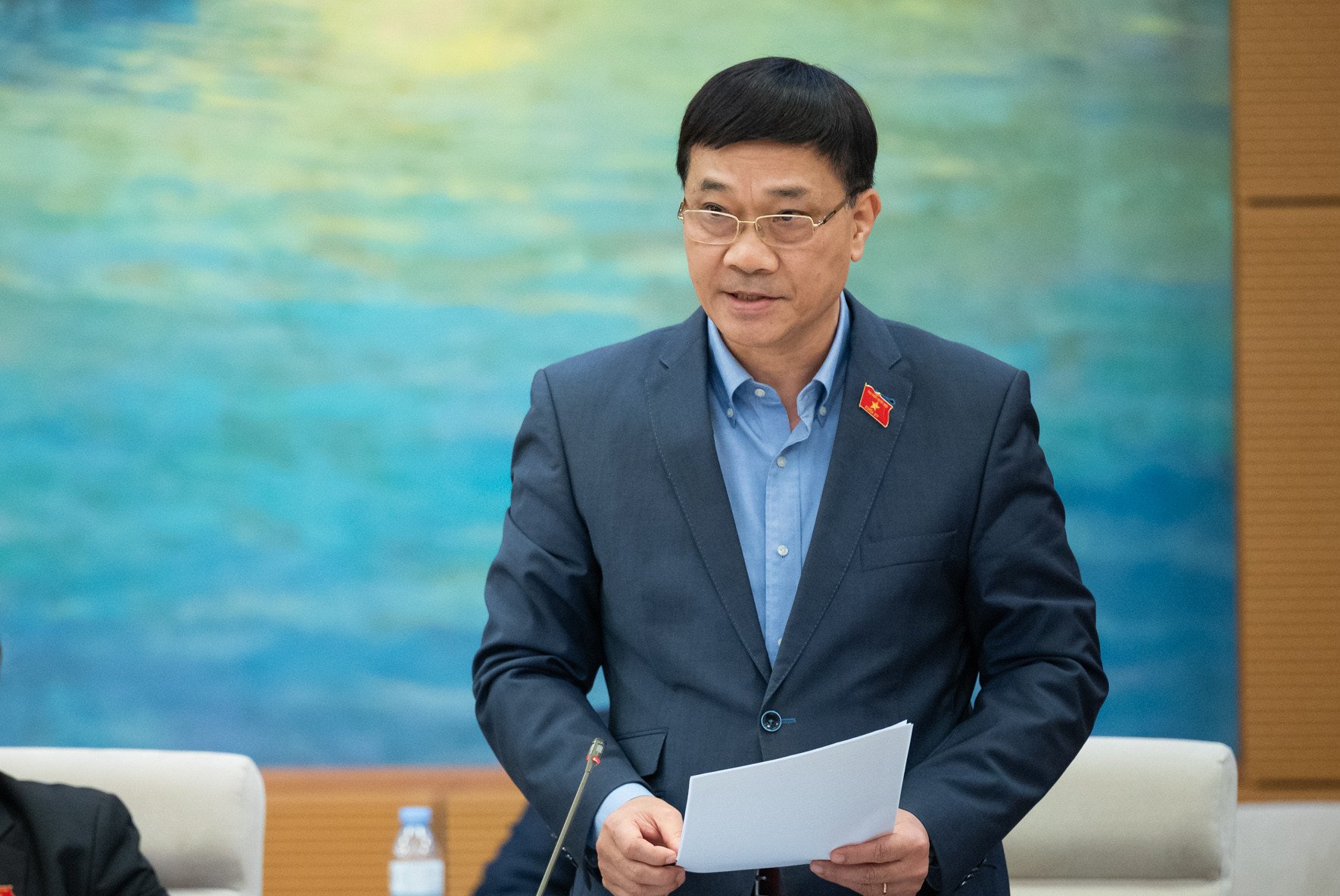
Therefore, the Economic Committee recommends that the Government conduct a comprehensive assessment of the effectiveness of the planned railway projects and thoroughly evaluate the financial plan and the impact during operation and exploitation of the projects to minimize future risks.
Regarding funding, the reviewing agency noted that the project is of a very large scale and total investment amount. In the medium term of 2021-2025, the capital requirement for the project, approximately 128 billion VND, has been allocated by the Government in the medium-term public investment plan.
For the period 2026-2030, the capital requirement is approximately VND 177,282 billion, and for the period 2031-2035, the capital requirement is approximately VND 25,821 billion.
The government proposes using domestic capital, foreign capital, and other legitimate sources of funding to implement the project.
Applying specific and special mechanisms and policies is absolutely necessary.
According to Mr. Thanh, the specific mechanisms and policies proposed by the Government have been approved by the National Assembly in the past and have been reviewed and commented on by competent authorities; therefore, the Government's proposal is well-founded.
However, the Economic Committee recommends that the Government, during the implementation process, should adhere to the principle of ensuring macroeconomic balances and national public debt safety.
According to the reviewing agency, to ensure the feasibility and effectiveness of the project, it is essential for the Government to propose to the National Assembly the application of certain specific mechanisms and policies.
Regarding supplementary policies such as adjusting relevant planning; simultaneously implementing the preparation, appraisal, and approval of pre-feasibility studies, feasibility studies, technical designs, tender documents, and policies on direct contracting, the Economic Committee finds the Government's proposals to be well-founded.
However, the reviewing agency suggested that during the implementation process, a strict control mechanism is needed to minimize negative impacts; at the same time, the bidding process needs to be closely monitored to ensure the selection of contractors with the necessary capabilities and experience.
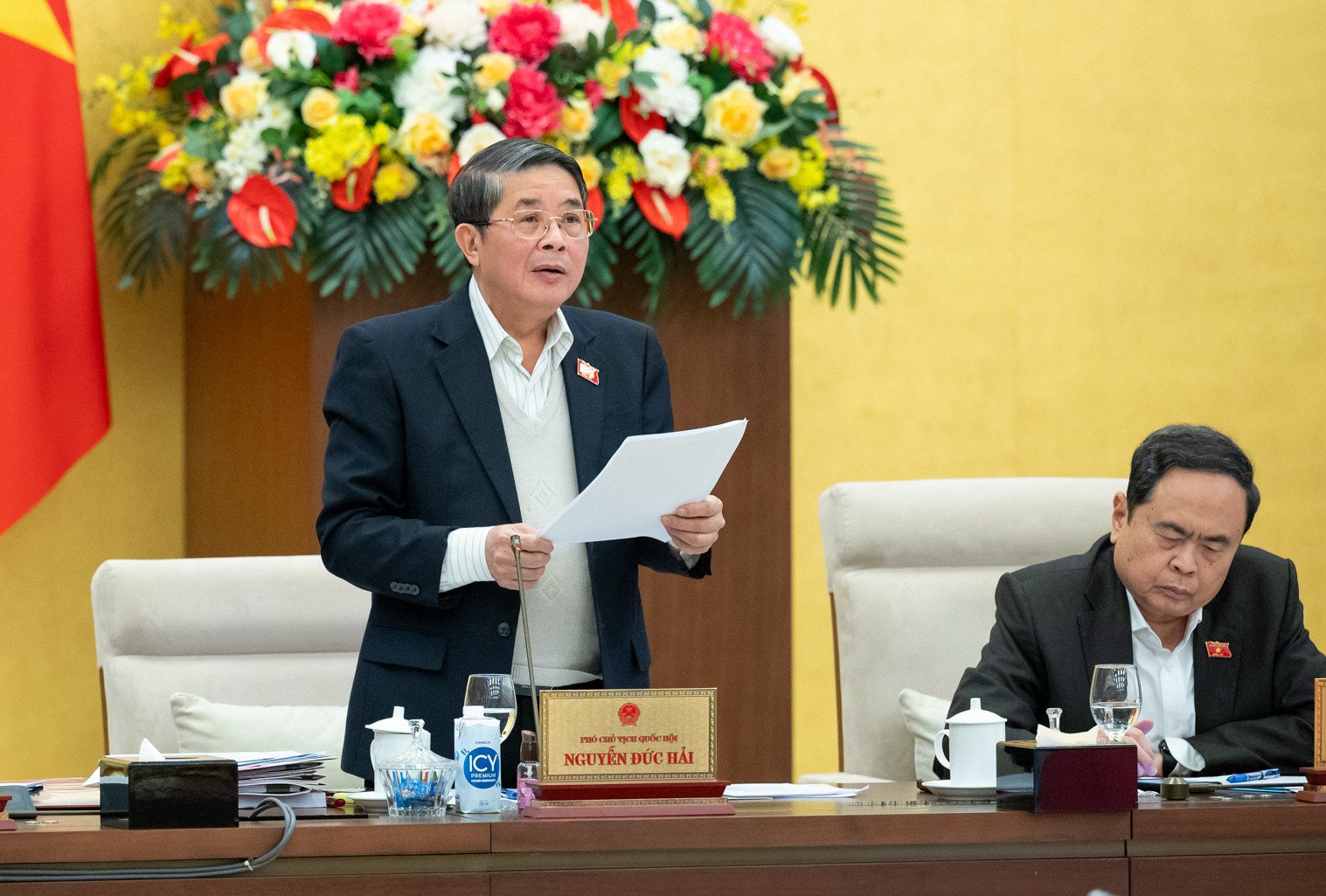
Regarding policies on excluding, exempting, or mitigating liability for heads of agencies, units, officials, and employees participating in and implementing the project, the reviewing agency believes that since the project has been reviewed and commented on by competent authorities, given the urgent nature of the project, investment preparation may encounter shortcomings.
However, this regulation lacks clarity regarding its scope, extent, form, and applicable procedures, and may set a precedent, resulting in unfairness and inconsistency with other projects.
In addition, the Government has also implemented policies to encourage and protect dynamic, creative officials who dare to think, dare to act, and dare to take responsibility for the common good. Therefore, the Economic Committee proposes careful consideration of this policy and reporting it to the competent authority for review and decision.
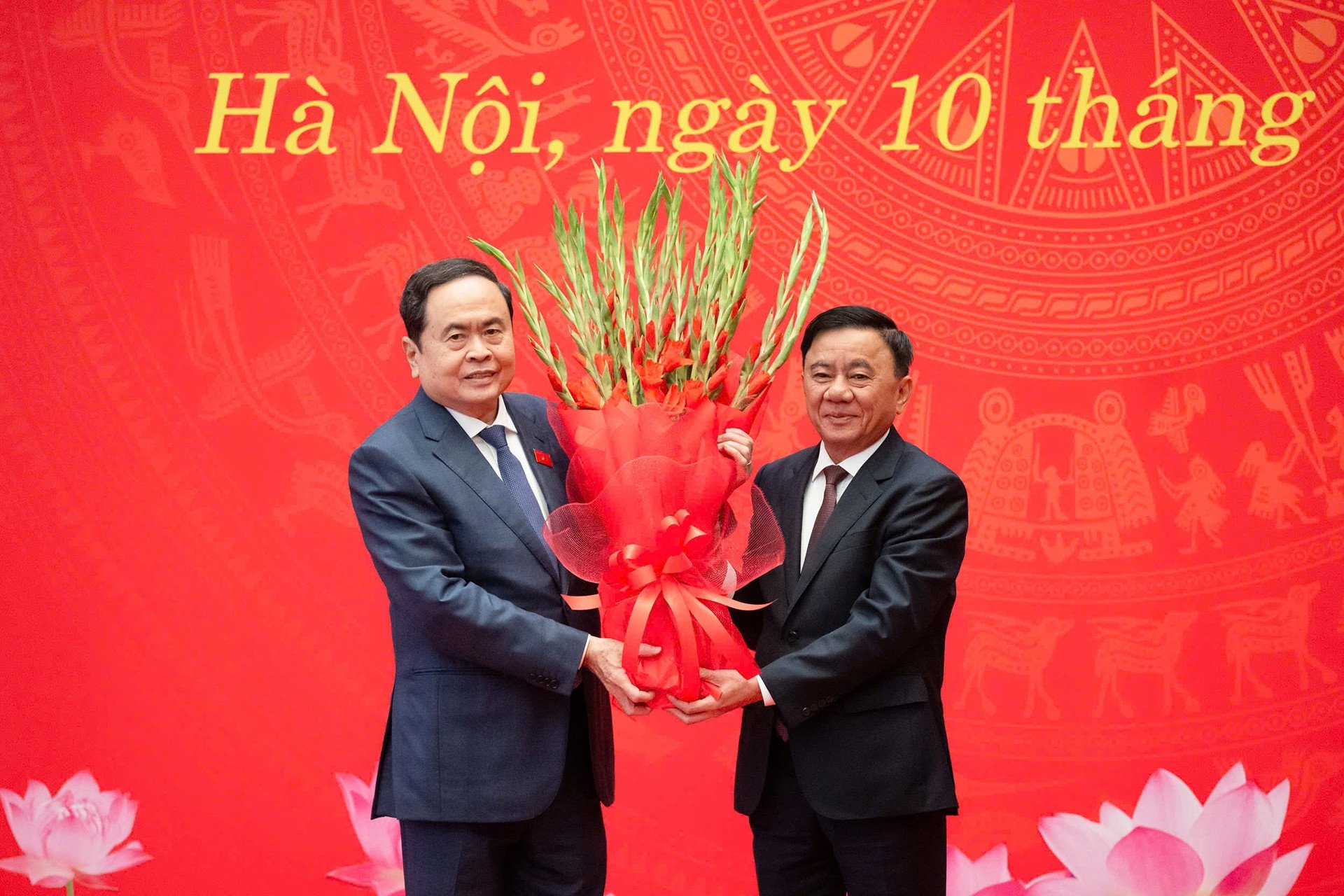
Concluding this discussion, Deputy Speaker of the National Assembly Nguyen Duc Hai stated that the Standing Committee of the National Assembly unanimously agreed on the necessity of this project and will submit it to the National Assembly for consideration at the 9th extraordinary session, scheduled to open on February 12th.
Arrange and select personnel for National Assembly agencies immediately after the extraordinary session.
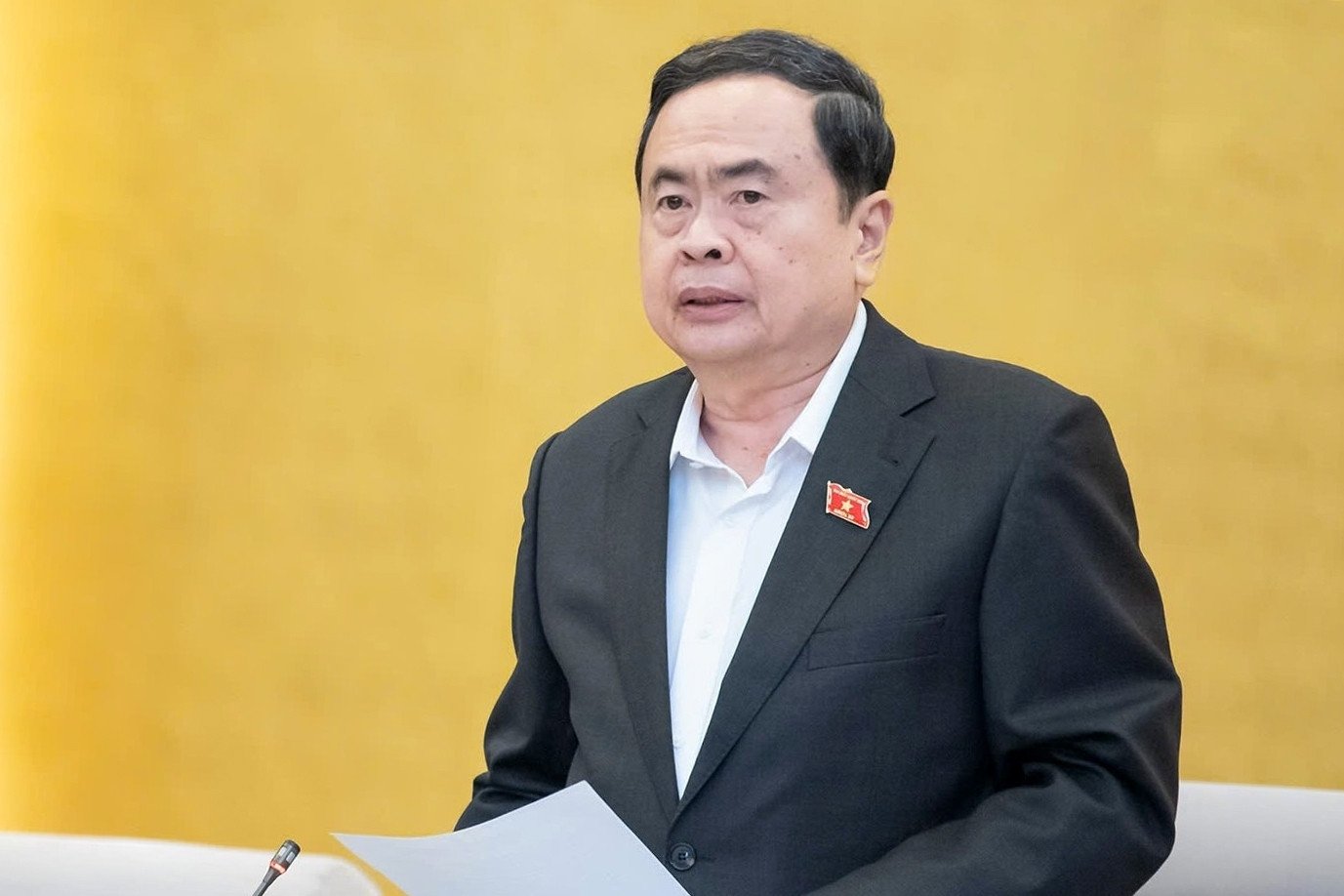
The National Assembly held an extraordinary meeting to reorganize personnel and the administrative apparatus.
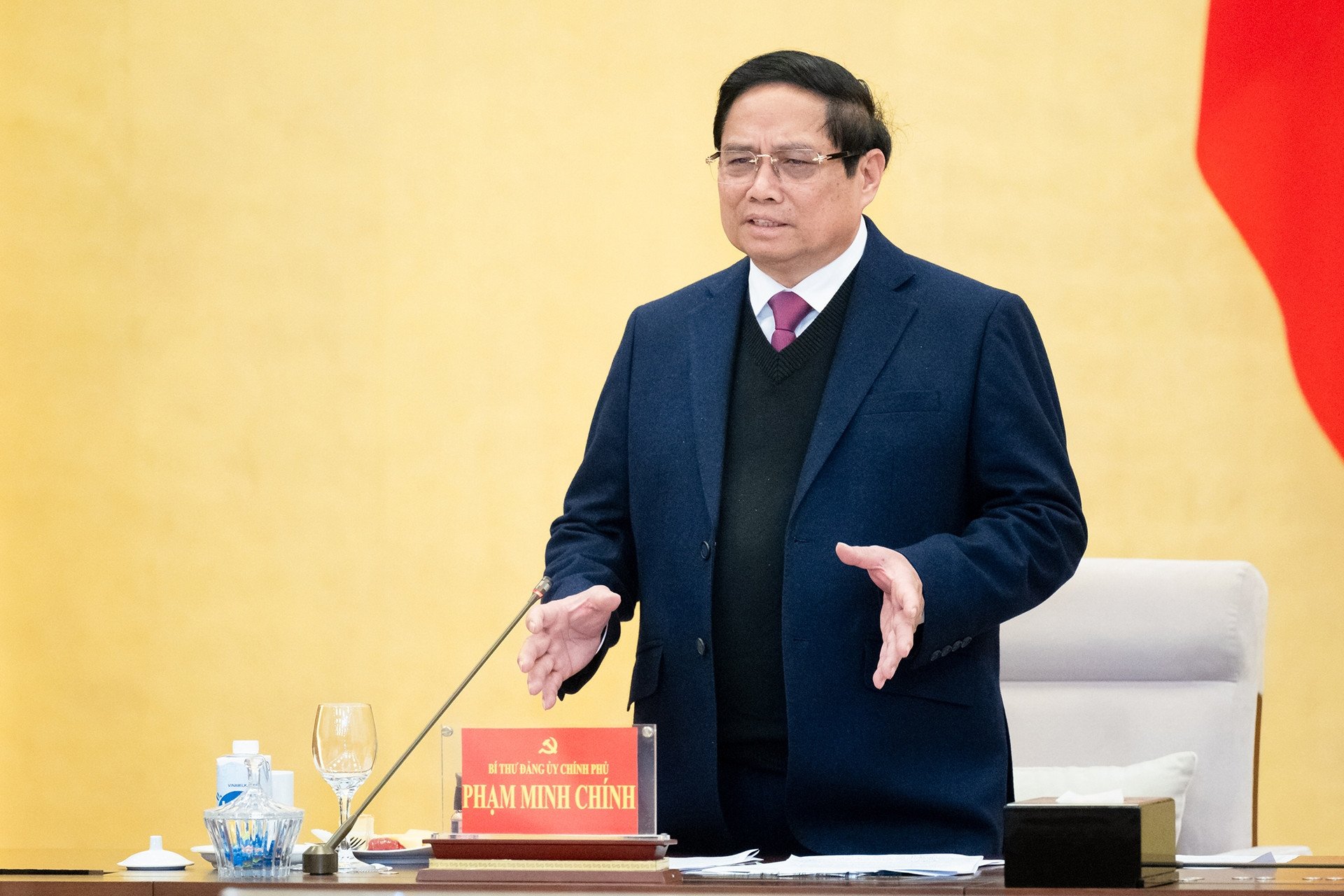
Prime Minister: A more streamlined apparatus, higher quality personnel.
Source: https://vietnamnet.vn/thong-nhat-trinh-quoc-hoi-du-an-duong-sat-hon-8-3-ty-usd-ket-noi-voi-trung-quoc-2370112.html

![[Photo] Prime Minister Pham Minh Chinh holds a phone call with the CEO of Russia's Rosatom Corporation.](/_next/image?url=https%3A%2F%2Fvphoto.vietnam.vn%2Fthumb%2F1200x675%2Fvietnam%2Fresource%2FIMAGE%2F2025%2F12%2F11%2F1765464552365_dsc-5295-jpg.webp&w=3840&q=75)


![[Photo] Closing Ceremony of the 10th Session of the 15th National Assembly](/_next/image?url=https%3A%2F%2Fvphoto.vietnam.vn%2Fthumb%2F1200x675%2Fvietnam%2Fresource%2FIMAGE%2F2025%2F12%2F11%2F1765448959967_image-1437-jpg.webp&w=3840&q=75)






































![[OFFICIAL] MISA GROUP ANNOUNCES ITS PIONEERING BRAND POSITIONING IN BUILDING AGENTIC AI FOR BUSINESSES, HOUSEHOLDS, AND THE GOVERNMENT](https://vphoto.vietnam.vn/thumb/402x226/vietnam/resource/IMAGE/2025/12/11/1765444754256_agentic-ai_postfb-scaled.png)











































Comment (0)