

From traditional fishing to a key economic sector.
According to the Fisheries and Aquaculture Inspection Department, Vietnam has over 3,260 km of coastline, an exclusive economic zone of over 1 million km², and more than 3,000 islands of various sizes, creating enormous potential for marine economic development. However, before the 1950s, Vietnam's fishing industry was mainly self-sufficient, with rudimentary techniques, and was considered a secondary occupation in the agricultural production structure.
After 1950, when North Vietnam entered a period of economic recovery, the Party and State began to focus on developing the fisheries industry. In 1959, during a visit to fishermen in Tuan Chau and Cat Ba, President Ho Chi Minh left a profound instruction: "Our silver sea is owned by our people," which became the guiding principle throughout the development of Vietnam's fisheries industry.
In 1960, the General Department of Fisheries was established, marking a significant milestone in the organized development of the fisheries sector. Despite the ongoing war, fishermen and fisheries officials continued to both produce and serve strategic objectives at sea. By 1975, the catch reached nearly 100,000 tons, and 356 fishing cooperatives were established, laying the foundation for strong development after national reunification.
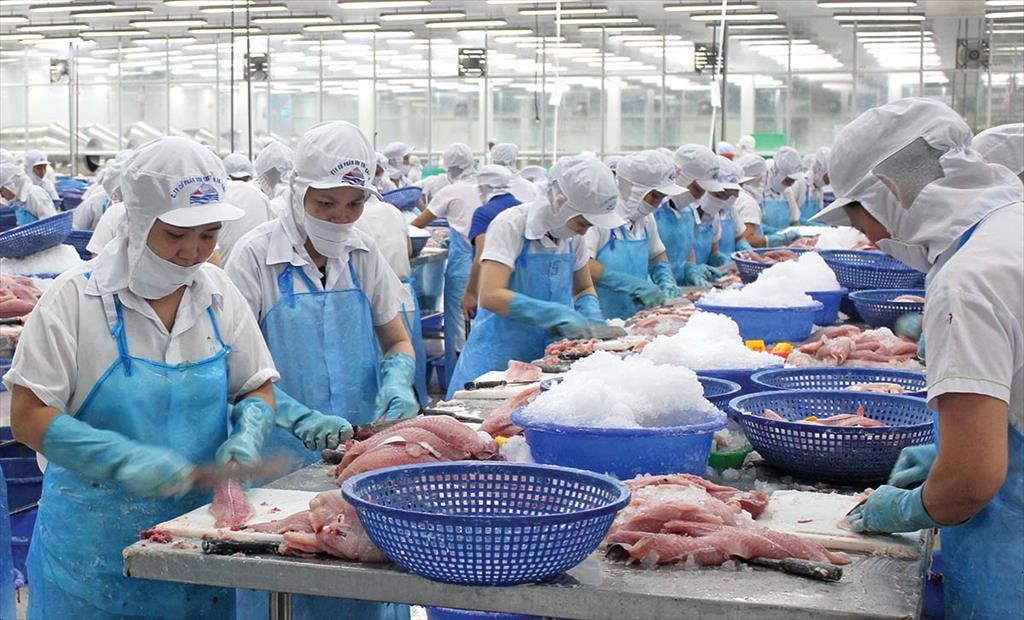
From 1976 to 1986, the Ministry of Marine Products and then the Ministry of Fisheries were established, creating conditions for unified leadership of the entire industry. The application of the "self-balancing, self-financing" mechanism opened up a period of strong development, especially in processing and export. Many advanced models such as Hanoi Seafood Import-Export Joint Stock Company (Seaprodex), fishing cooperatives in Hai Phong, Kien Giang, Thai Binh... boosted production and export growth. By 1986, seafood production reached over 840,000 tons, of which fishing accounted for nearly 600,000 tons.
During the period 1987-1996, the fisheries sector implemented a development strategy with three objectives: ensuring food security, serving exports, and creating jobs for coastal residents. The promotion of offshore fishing and the synchronized development of fisheries logistics led to a rapid increase in seafood production. Aquaculture, especially tiger shrimp farming in the Mekong Delta, created a breakthrough in export value.
Simultaneously, processing capacity has been steadily improving, aiming for product diversification and meeting the requirements of the US, EU, and Japanese markets. In 1995, total seafood production reached 1.34 million tons, and export revenue reached 550 million USD, demonstrating the maturity of the industry.
Entering the 21st century, along with the process of integration, the fisheries sector continues to make strong breakthroughs. The Fisheries Law of 2003 and especially the Fisheries Law of 2017 have created an important legal framework for managing fisheries in a modern, responsible, and internationally integrated manner.
Resolution No. 36-NQ/TW on the Strategy for Sustainable Development of the Marine Economy to 2030, with a vision to 2045, clearly defines the goal of making Vietnam a strong maritime nation, prosperous from the sea; proactively adapting to climate change; and protecting and restoring marine ecosystems. This is a major orientation for the fisheries sector to undergo a strong transformation, prioritizing sustainable and controlled development.
In particular, the Vietnam Fisheries Development Strategy to 2030, with a vision to 2045, emphasizes building the fisheries sector into a large-scale economic sector with strong brands, deeply involved in the global value chain. By 2045, the goal is to transform fisheries into a modern trade sector, one of the three key economic sectors of the marine economy.
Transparency, accountability, and sustainability
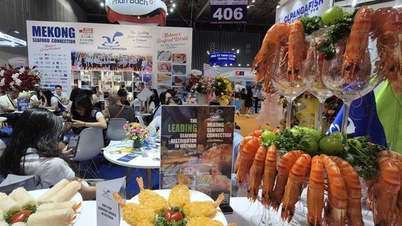
Thanks to innovative efforts and the application of science and technology, the industry has achieved many outstanding accomplishments. In 2022, seafood production reached over 9.06 million tons, more than five times higher than in 1996; Vietnam exported seafood to over 170 markets with a turnover of nearly 11 billion USD. In 2024, total production is expected to reach 9.6 million tons, of which aquaculture production will account for nearly 6 million tons, further confirming the shift from exploitation to aquaculture. It is projected that by the end of 2025, seafood exports will reach over 11 billion USD, a record figure for the industry.
Currently, Vietnam ranks among the top three largest seafood exporting countries in the world, providing livelihoods for approximately 4 million workers in fishing, aquaculture, processing, and fisheries logistics services. The material and spiritual lives of fishermen are improving, making a significant contribution to protecting maritime sovereignty and developing the marine economy. The Fisheries Surveillance Force has been strengthened nationwide, supporting fishermen, monitoring fishing activities, and coordinating with localities to gradually lift the yellow card warning.
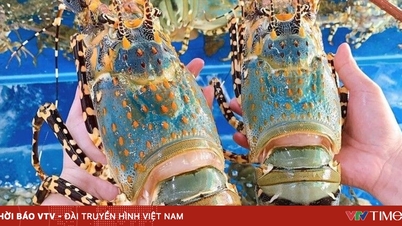
Looking ahead, the Fisheries and Fisheries Inspection Department stated that the sector has identified several strategic tasks to meet the requirements of development and integration. First and foremost is reducing the intensity of coastal fishing and shifting strongly towards the development of aquaculture, especially marine farming and shrimp farming; two areas considered to have great potential and high competitiveness.
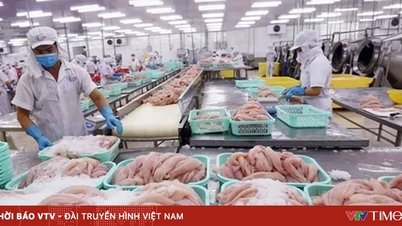
The industry also focuses on developing key products such as tiger shrimp and pangasius; improving the quality of breeding stock, applying high technology to production, and ensuring traceability to meet the standards of demanding markets. The restructuring of production along the value chain, linking farmers, businesses, and distributors, will be promoted to reduce risks, increase economic efficiency, and ensure transparency.
In particular, developing aquaculture is considered a strategic direction. The target by 2030 is to achieve an aquaculture production of 1.45 million tons and export revenue of 1.8-2 billion USD. Aquaculture not only contributes to economic growth but also helps protect natural aquatic resources, reduce pressure on exploitation, and create a foundation for the industry to move towards an ecological-circular model.
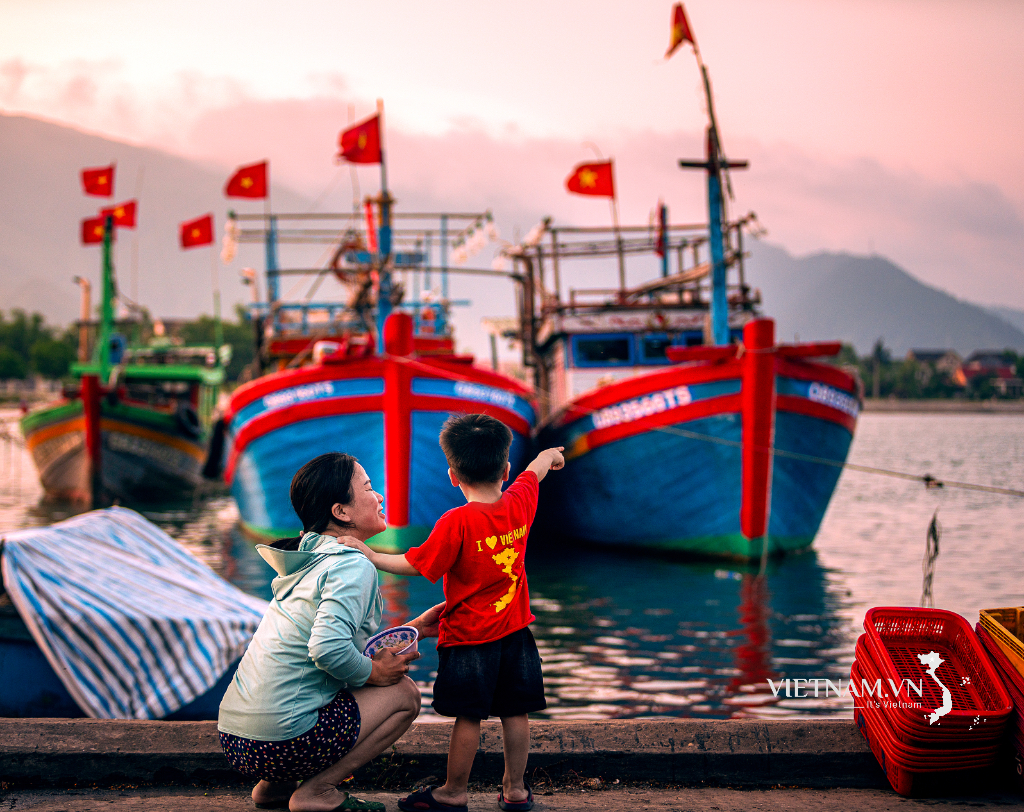
Simultaneously, training fishermen, improving local fisheries management capacity, investing in fishing port infrastructure, storm shelters, and fisheries logistics centers will continue to be prioritized to create favorable conditions for production, ensure the safety of fishermen, and maintain maritime sovereignty.
Source: https://daibieunhandan.vn/thuy-san-80-nam-dong-hanh-with-nganh-nong-nghiep-and-kinh-te-bien-10400018.html


![[Photo] Prime Minister Pham Minh Chinh holds a phone call with the CEO of Russia's Rosatom Corporation.](/_next/image?url=https%3A%2F%2Fvphoto.vietnam.vn%2Fthumb%2F1200x675%2Fvietnam%2Fresource%2FIMAGE%2F2025%2F12%2F11%2F1765464552365_dsc-5295-jpg.webp&w=3840&q=75)
![[Photo] Closing Ceremony of the 10th Session of the 15th National Assembly](/_next/image?url=https%3A%2F%2Fvphoto.vietnam.vn%2Fthumb%2F1200x675%2Fvietnam%2Fresource%2FIMAGE%2F2025%2F12%2F11%2F1765448959967_image-1437-jpg.webp&w=3840&q=75)






































![[OFFICIAL] MISA GROUP ANNOUNCES ITS PIONEERING BRAND POSITIONING IN BUILDING AGENTIC AI FOR BUSINESSES, HOUSEHOLDS, AND THE GOVERNMENT](https://vphoto.vietnam.vn/thumb/402x226/vietnam/resource/IMAGE/2025/12/11/1765444754256_agentic-ai_postfb-scaled.png)









































Comment (0)