

Malignant tumors are extremely destructive to the body, not only invading the organ where they initially appear but also metastasizing to other parts of the body, threatening life. Early detection increases the chances of successful treatment.
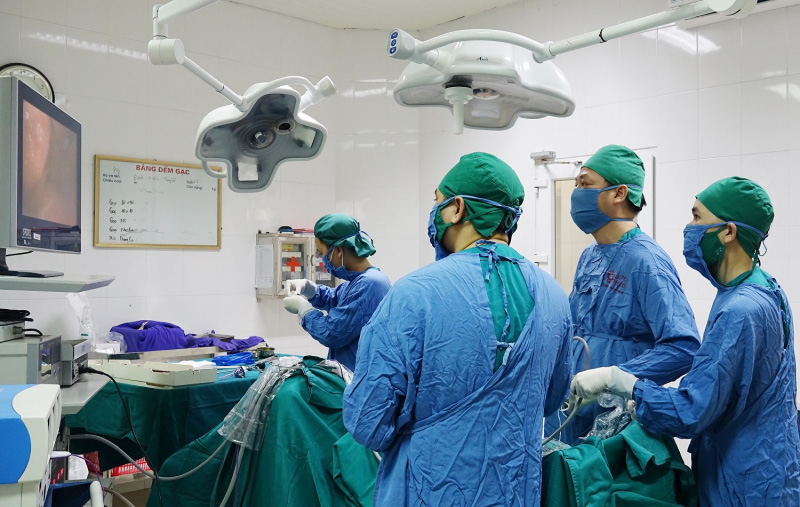
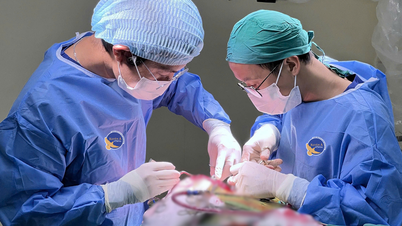
Surgery for cancer patients - Photo: Provided by the hospital.
Unexplained weight loss requires prompt medical attention.
Professor Nguyen Ba Duc, former director of K Hospital and vice president of the Vietnam Cancer Society, stated that in Vietnam, an estimated 150,000 people are diagnosed with cancer annually, and currently more than 200,000 are living with cancer or have overcome the disease.
Dr. Ha Hai Nam, deputy head of the Department of Abdominal Surgery 1 at K Hospital, said that according to the American Cancer Society, about 40% of patients diagnosed with cancer for the first time experience unexplained weight loss, and up to 80% of people with late-stage cancer experience weight loss and emaciation due to a combination of weight loss and decreased muscle mass.
Weight loss due to cancer is common with many types of cancer, such as pancreatic cancer, esophageal cancer, stomach and colorectal cancer, and lung cancer.
The reason is that cancer cells are very "hungry" cells, tending to need a lot of energy to grow and divide (cancer cells differ from normal cells in that they divide excessively and relentlessly). These cells obtain energy from the nutrients the body provides.
Even if we fast and stop receiving nutrition through food, cancer cells will still draw energy from healthy cells.
As cancer cells grow, they compress and invade healthy cells, affecting the function of vital organs. The body has to use stored proteins in the liver to compensate, maintain the function of these vital organs, and provide energy to nourish healthy cells. This causes body indicators to drop for reasons we don't understand.
Therefore, when we are not in a weight loss phase, dieting, or experiencing acute illnesses that cause weight loss such as fever, dehydration, or diarrhea, it could be one of the warning signs that the body has a malignant tumor.
So, what weight loss level might indicate cancer? It's approximately 10% of your body weight over 3 months. For example, if you weigh 50kg but lose 5kg in just 3 months for no apparent reason, this is a cause for alarm.
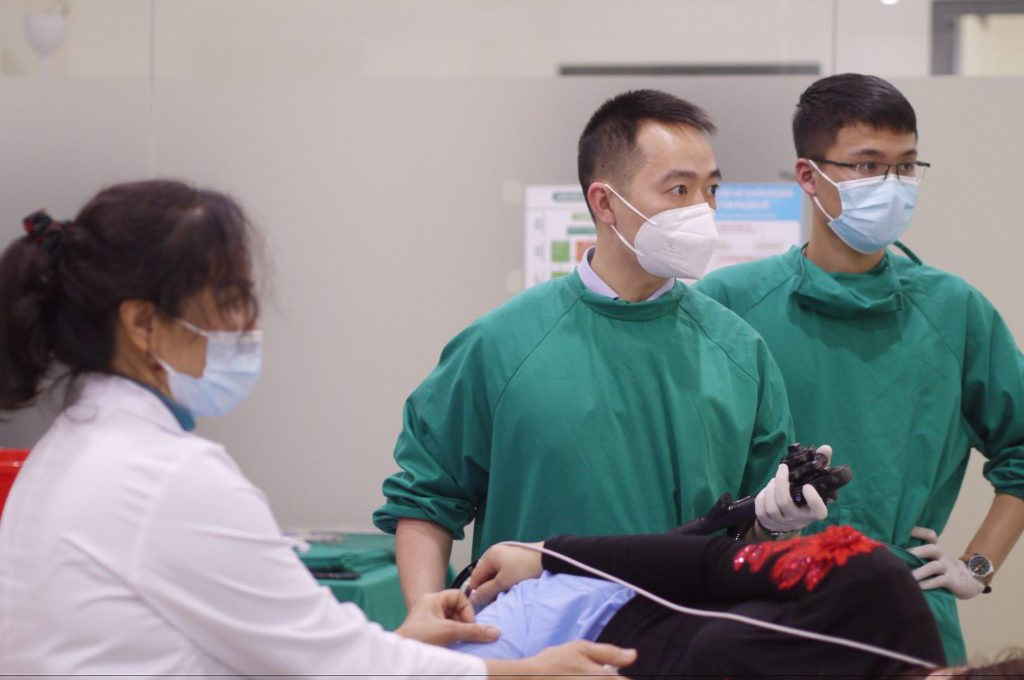
Gastrointestinal and colonoscopy screening when there are signs of digestive abnormalities - Photo: HA LINH
Pay attention to signs and symptoms that are easily overlooked.
Dr. Nguyen Van Thai, from the Military Institute of Radiation Medicine and Oncology, warns that malignant tumors, also known as cancer, have a devastating effect.
There are many bodily signs that warn of cancer, but we often overlook them because they are also signs of common illnesses we frequently encounter, such as:
- Prolonged fatigue and weakness: As cancer cells multiply rapidly in the body, they consume a large amount of energy, often accompanied by chronic inflammation, causing the body's anti-inflammatory system to be constantly activated. This, in turn, depletes the body's energy.
This type of fatigue caused by cancer is different from the fatigue experienced after normal physical exertion. It feels like a heavy rock is pressing down on you, making it difficult to breathe. If you experience extreme fatigue for an extended period that doesn't improve with rest, you should definitely seek medical attention.
- Generalized itching: Sometimes cancer cells release substances that can cause a skin reaction, resulting in generalized itching. This itching is different from a typical skin allergy.
It is often difficult to alleviate with conventional methods, severely impacting the patient's quality of life. If you encounter this situation, don't hastily assume it's just a skin condition and ignore the underlying problem.
- Changes in bowel habits: Bowel cancer and other gastrointestinal tumors can cause significant changes in bowel habits, such as a shift from once a day to frequent bowel movements or alternating constipation and diarrhea. In some cases, there may even be blood in the stool. These abnormalities require prompt medical attention.
- Persistent cough and difficulty swallowing: Patients with lung cancer, esophageal cancer, or thyroid cancer may experience a persistent dry cough or cough up phlegm mixed with blood. Due to the tumor compressing nerve tissue, patients may also feel discomfort or even pain when swallowing food.
If these symptoms persist (usually for more than a month), you should quickly seek medical attention for diagnosis.
- Detection of an abnormal lump: Feeling a small, non-moving lump in the breast, armpit, neck, etc., could be an early sign of cancer. Although not all lumps are cancerous, for safety reasons, if you notice this, you should still go to the hospital for necessary tests to rule out any potential risks.
- Hoarseness: If you suddenly experience hoarseness, especially when you don't have a cold or flu, you should consider the possibility of a tumor in the pharynx. This is especially concerning if accompanied by symptoms like difficulty swallowing.
Dr. Nam analyzed that the signs and symptoms of cancer depend on the organ affected, the size of the lesion, and the extent to which it affects surrounding tissues and organs.
If cancer spreads (metastases), signs and symptoms can appear in many different organs of the body.
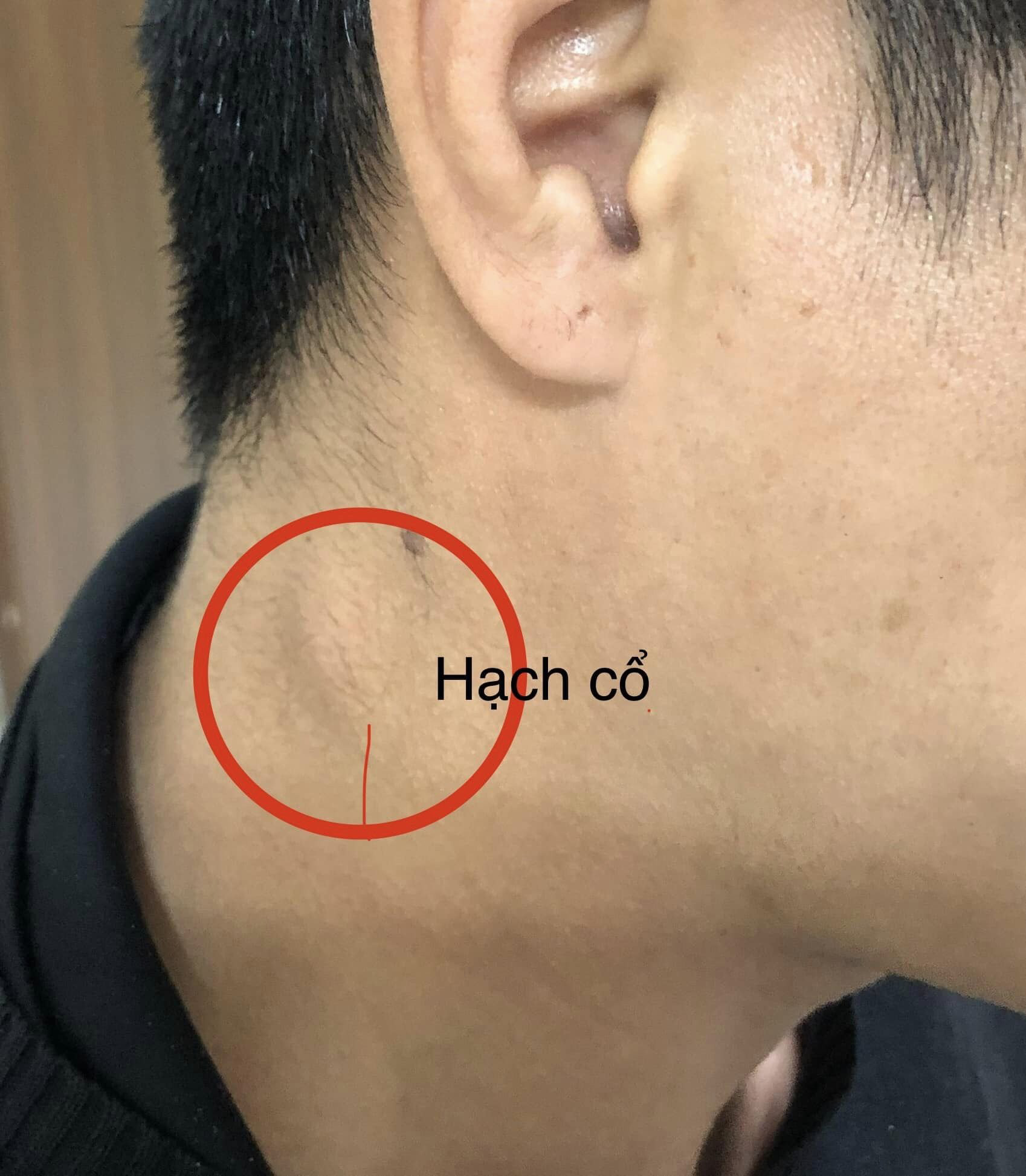
Get examined immediately if you notice any lumps on your body - Illustration image
However, there are common signs and symptoms that can be caused by cancer, even though these symptoms are often nonspecific and can occur in other benign conditions, but we should not ignore them:
- Fatigue or exhaustion that doesn't improve with rest.
- Unexplained weight loss or gain of 4-5 kg or more.
- Abnormal eating habits such as not feeling hungry, difficulty swallowing, abdominal pain, or nausea and vomiting.
- Swelling or lumps anywhere on the body. A lump or unusual hard sensation on the skin, breasts, neck, abdomen, or other parts of the body (limbs, trunk, face).
"Cancer is a malignant disease of cells, in which cells transform and proliferate uncontrollably. Therefore, it's important to pay attention to your health and seek medical attention for early detection of cancer. Timely treatment in the early stages can cure many types of cancer."
With today's science , 1/3 of cases are preventable, 1/3 are curable (in the early stages), and 1/3 can have their lives extended (in the later stages). Preventive measures, early detection, and appropriate treatment are essential.
"In countries with developed healthcare systems, over 50% of cancer patients recover thanks to early detection and treatment. In Vietnam, the recovery rate is still low because most patients are diagnosed late. Many people believe in unscientific treatments, quacks, and superstitions... until the disease becomes too severe before going to the hospital," Professor Duc warned.
Source: https://tuoitre.vn/tin-hieu-canh-bao-co-the-dang-co-khoi-u-can-di-kiem-tra-ngay-keo-benh-tro-nang-20241107083050871.htm




















![[Photo] Prime Minister Pham Minh Chinh holds a phone call with the CEO of Russia's Rosatom Corporation.](/_next/image?url=https%3A%2F%2Fvphoto.vietnam.vn%2Fthumb%2F1200x675%2Fvietnam%2Fresource%2FIMAGE%2F2025%2F12%2F11%2F1765464552365_dsc-5295-jpg.webp&w=3840&q=75)













































Comment (0)