

Preventing real estate price inflation: Tightening discipline and unblocking supply.
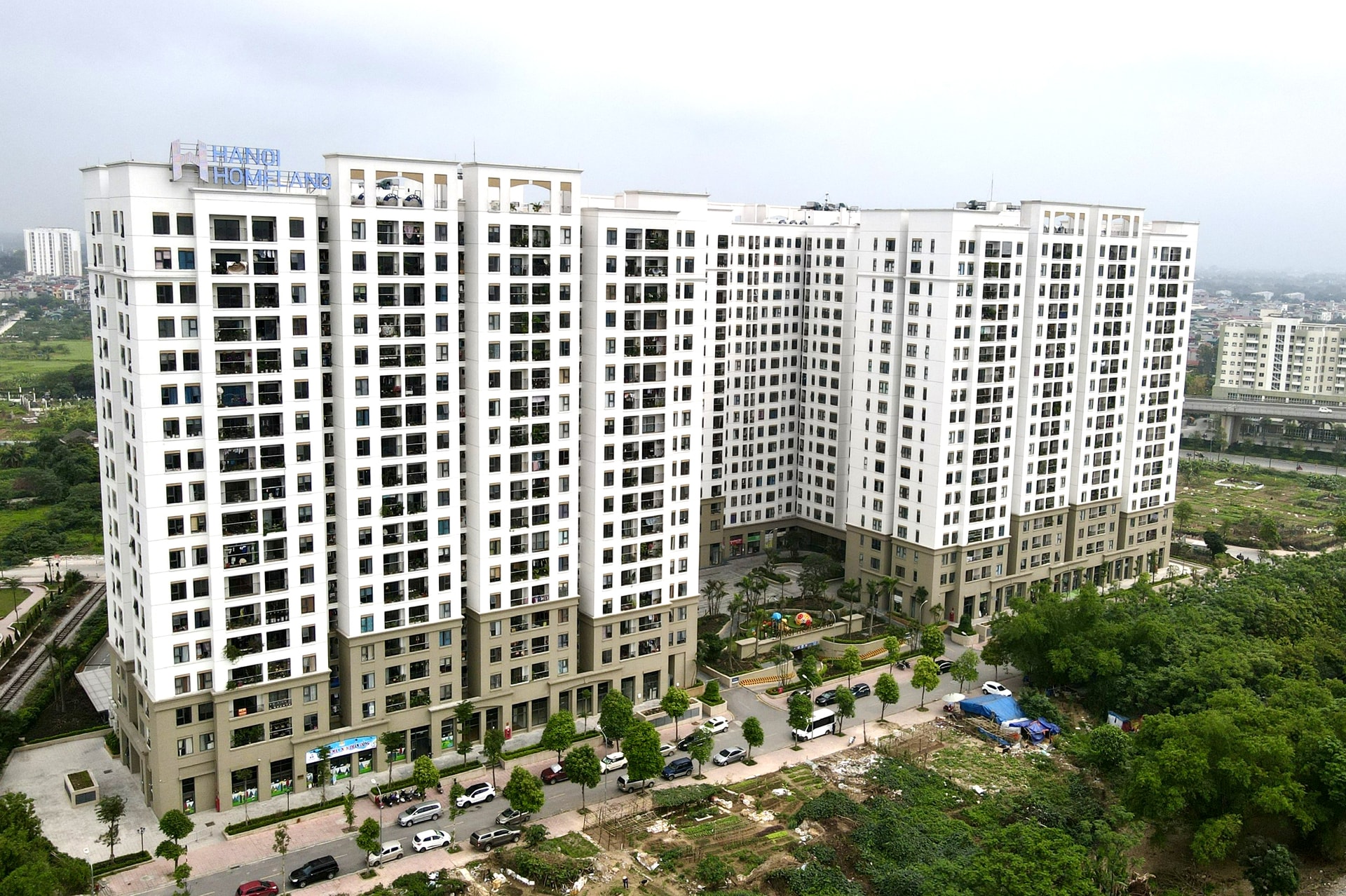
According to Tong Thi Hanh, Director of the Department of Housing and Real Estate Market Management ( Ministry of Construction ), the key solution is to improve the legal framework for housing and real estate business; strengthen inspection and supervision of the activities of investors, trading floors, and brokerage organizations; and strictly handle acts of providing false information, advertising beyond reality, and hoarding goods to drive up prices.
Chairman of the Vietnam Real Estate Brokers Association, Nguyen Van Dinh, affirmed that transparency of information is the most effective "remedy" to ensure the market operates according to its own rules.
According to Le Hoang Chau, Chairman of the Ho Chi Minh City Real Estate Association, for a stable and healthy real estate market, it's not enough to simply "tighten" regulations; it must "open up" in the right places. Removing legal obstacles for projects and increasing supply are fundamental solutions.
Combating smuggling and illegal trafficking during the year-end peak season: Applying technology to enhance effectiveness.
Recently, the illegal trafficking of gold, currency, and branded mobile phones across borders, as well as the transit of counterfeit goods from China through Vietnam to Laos and Cambodia, has become increasingly complex.
Data from the Customs Department shows that, cumulatively from December 15, 2024 to November 14, 2025, the Customs agency detected, seized, and processed 17,297 cases of smuggling and transporting prohibited goods or goods with suspected violations, with an estimated value of goods reaching 21,751 billion VND; and state budget revenue exceeding 948 billion VND.
Regarding drug prevention and control, during the same period, the Customs agency, in coordination with the Police and Border Guard forces, detected and arrested 178 cases involving 236 individuals; approximately 2.4 tons of various types of drugs were seized.
The Customs Department has just issued Plan No. 30141/KH-CHQ on the peak period of combating smuggling, trade fraud, and counterfeit goods before, during, and after the Lunar New Year of the Horse 2026, defining a dual task: avoiding congestion and delays of legitimate goods, while ensuring strict, lawful, and timely control.
Revising regulations on tutoring and supplementary classes: Towards transparency and feasibility.
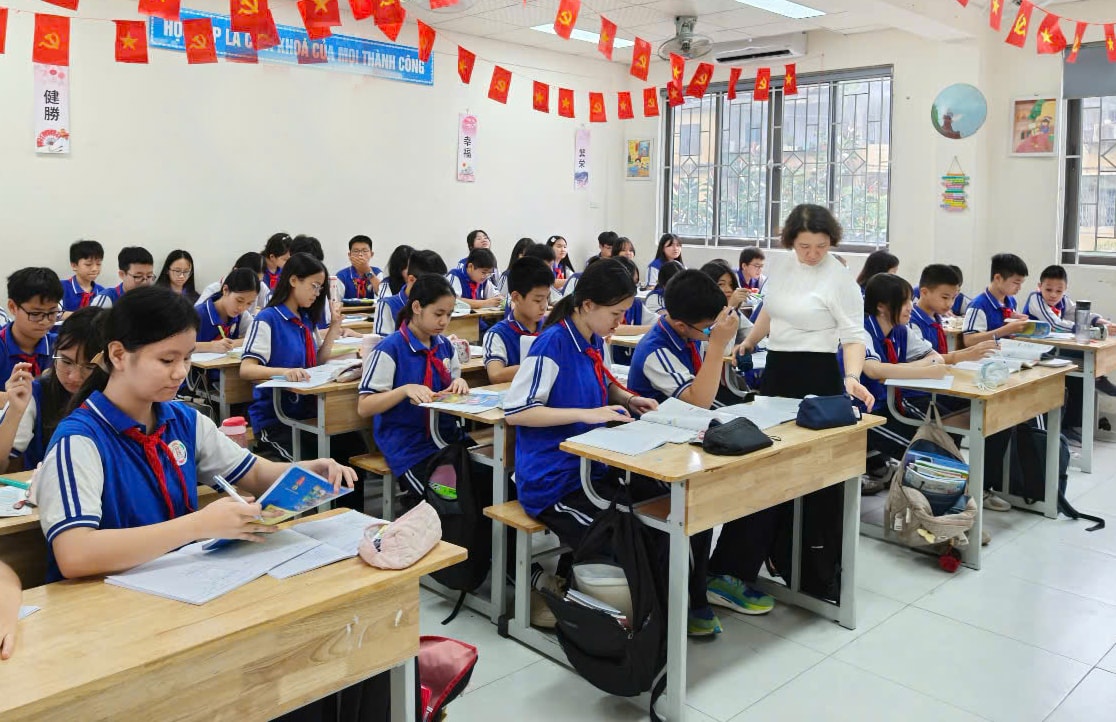
The draft amendment to Circular No. 29/2024/TT-BGDĐT strongly shifts towards management based on responsibility and actual needs. Principals are empowered to review each class, each group of students, the qualifications of teachers, and the school's facilities to propose increasing the time allocated for extra classes.
Experts believe that delegating authority to principals is in line with modern school management trends, but detailed guidelines and close supervision are needed to prevent inconsistent practices in different schools.
In reality, given the significant disparities in abilities and learning conditions among students in various areas of Hanoi , allowing for increased class time for those in need of support is truly necessary.
Ms. Nguyen Thi Van Hong, Principal of Chuong Duong Secondary School (Hong Ha Ward), commented: "If given clear autonomy, schools can proactively design learning plans with appropriate time allocations for each ability group, avoiding overloading students and, most importantly, ensuring effectiveness."
Quilted jackets - The warmth of memories from Hanoi's winters.
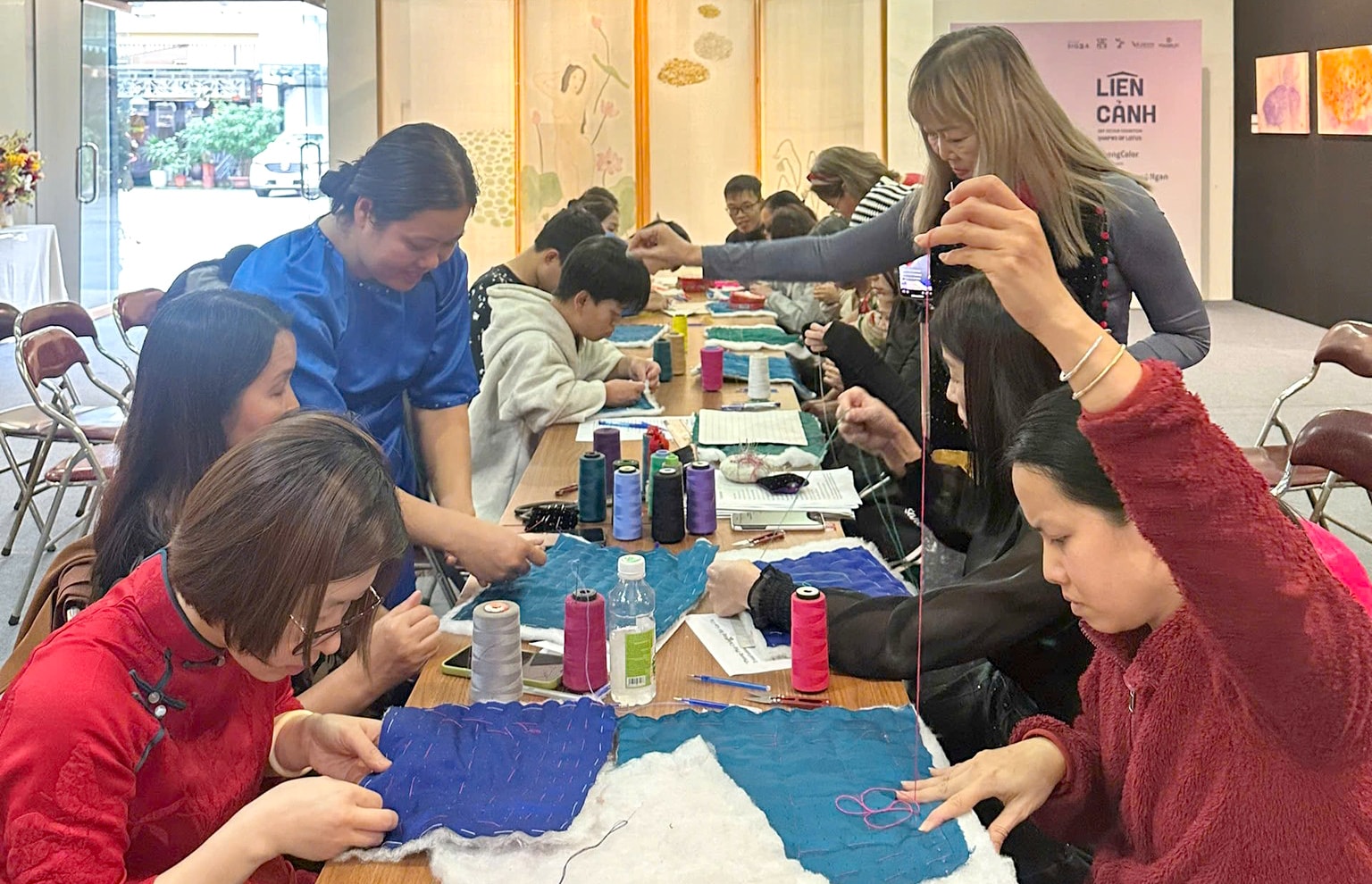
Once a precious item of warmth during difficult times, quilted jackets have accompanied Hanoians through countless winters, becoming a cherished part of their memories, reflecting the lifestyle and refined beauty of the clothing culture of the people of the ancient capital.
Writing about Hanoi's winter, author Nguyen Ngoc Tien once mentioned Hang Bong Street, where since the Le Dynasty, there have been families specializing in making quilts, mattresses, and cotton jackets. To make a quilted jacket, the workers must spread the cotton fibers thinly like making a blanket, then quilt it with dyed raw fabric, and finally sew it into pieces of the desired size.
However, by the early 20th century, the craft of making cotton products in this street gradually declined. During the subsidy period, state-owned enterprises produced cotton cores in various sizes, then added outer layers of blue worker's fabric – a very familiar sight in Hanoi's life during those difficult years.
Beyond traditional craftspeople, the art of quilting is being approached in new ways. On Tran Quy Cap street, designer Trinh Bich Thuy, who began her career with quilted clothing, regularly holds craft classes every weekend.
Expediting the Hanoi Museum's exhibition schedule.
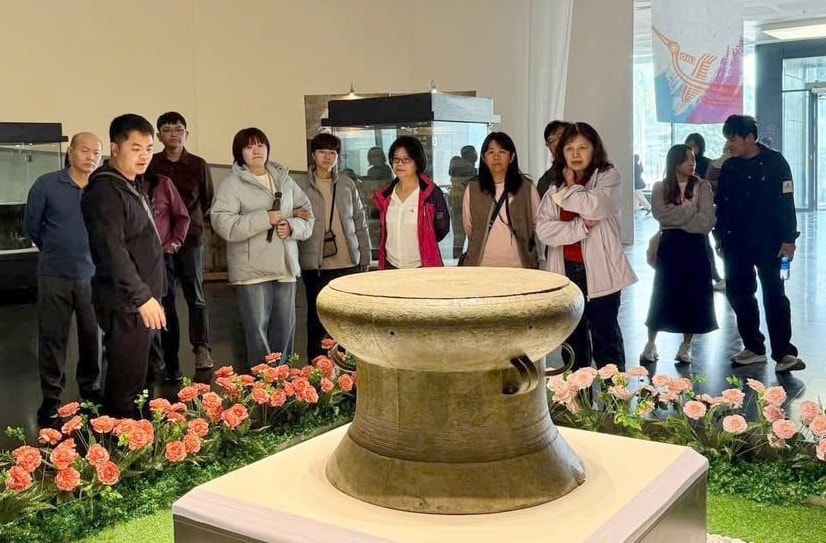
According to reports, the Hanoi Museum has recently made positive strides in its development. However, delays in progress remain a pressing issue.
At the mid-year session of the City People's Council in July 2025, the City People's Council conducted a follow-up questioning and requested the City People's Committee to focus on directing and accelerating the implementation of slow-progressing projects, including the Hanoi Museum.
The follow-up questioning focused on clarifying the subjective reasons for the prolonged delays despite numerous commitments; identifying the responsibilities of individuals and units involved; and proposing a roadmap and decisive solutions to complete the project definitively, avoiding prolonged project delays that cause waste.
Nguyen Thanh Binh, Head of the Culture and Social Affairs Committee of the Hanoi City People's Council, said that the City People's Council will continue to closely monitor the situation and make recommendations to the City People's Committee and relevant departments and agencies to ensure the completion of the commitments made after the questioning session.
Source: https://hanoimoi.vn/tin-tuc-dac-biet-บน-bao-in-hanoimoi-ngay-13-12-2025-726636.html


![[Image] Close-up of the newly discovered "sacred road" at My Son Sanctuary](/_next/image?url=https%3A%2F%2Fvphoto.vietnam.vn%2Fthumb%2F1200x675%2Fvietnam%2Fresource%2FIMAGE%2F2025%2F12%2F13%2F1765587881240_ndo_br_ms5-jpg.webp&w=3840&q=75)





















































































Comment (0)