

 |
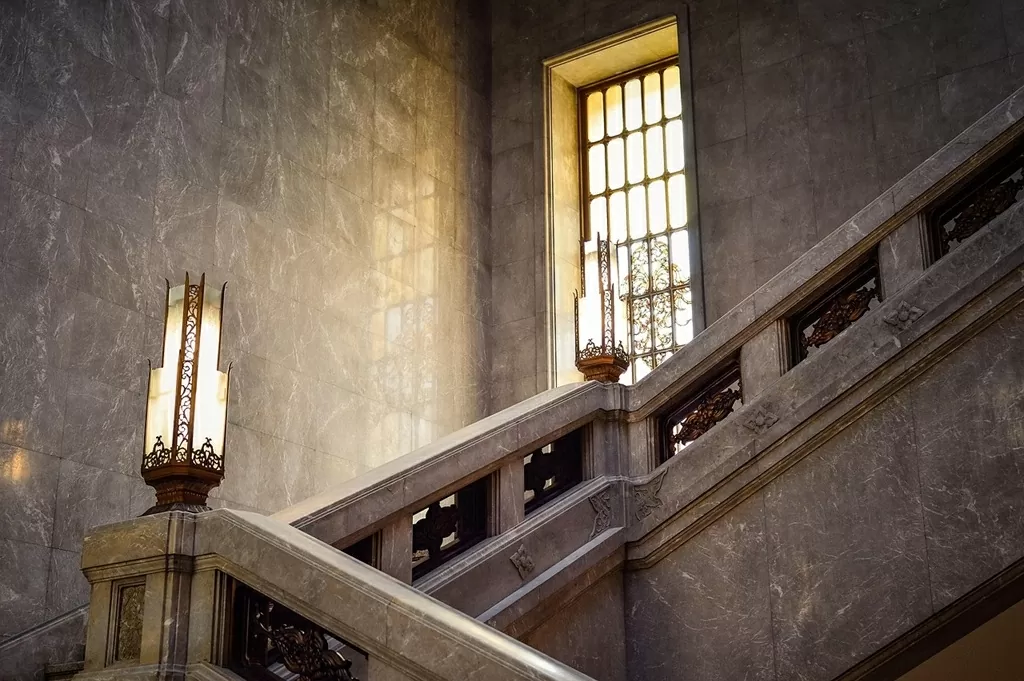
| Not feeling tired after climbing a flight of stairs is a sign of a healthy heart. (Source: Pixabay) |
You don't need to go to the hospital or have many tests to know if your heart is okay. According to cardiologist Ashish Kumar (Amrita Hospital, Faridabad, India), you can assess your cardiovascular health through the following simple checks.
A stable resting heart rate is between 60 and 80 beats per minute.
A "calm" heart is usually a healthy heart. When the resting heart rate remains at 60-80 beats per minute, it indicates that the heart is pumping blood efficiently without being overworked.
Conversely, a consistently high or irregular heart rate is a sign that you should see a doctor.
How to perform a self-check at home:
Place two fingers on your wrist or neck, count the beats for 30 seconds, then double the count to get the result per minute.
Blood pressure remains within a stable range.
A blood pressure reading of around 120/80 mmHg is considered a positive sign for cardiovascular health. High blood pressure can silently damage blood vessels over time, thereby increasing the risk of heart attack and stroke.
How to perform a self-check at home:
A simple electronic blood pressure monitor can help you track your readings regularly. Don't ignore sudden changes or prolonged periods of high blood pressure.
Climb a flight of stairs without getting out of breath.
This simple test reveals a lot about your cardiovascular health. If you can comfortably climb a flight of stairs without getting out of breath, experiencing chest pain, or feeling exhausted, it indicates good blood circulation and sufficient oxygen supply to your muscles.
Note: If you experience shortness of breath, chest tightness, or chest pressure when climbing stairs, seek medical attention immediately.
The feet and ankles are not swollen.
A healthy heart pumps blood efficiently. When the heart begins to function poorly, early signs often appear in the lower body, such as the calves, ankles, or feet, due to fluid buildup. Persistent swelling is considered by doctors to be an early warning sign of heart failure or poor circulation.
How to self-assess every day:
Gently press your finger on your shinbone or ankle. If the spot sinks in and takes a while to return to normal, you should see a doctor.
You sleep well and wake up feeling refreshed.
Interrupted sleep, waking up due to shortness of breath, or needing multiple pillows to lie comfortably may be related to cardiovascular problems. Conversely, when you sleep soundly and wake up feeling refreshed, it's a sign that your heart is receiving enough oxygen and your body is maintaining a stable circadian rhythm throughout the night.
Note:
Loud snoring accompanied by pauses in breathing or shortness of breath during sleep can be a sign of sleep apnea, a serious but often overlooked risk factor for cardiovascular disease.
Paying attention to unusual sleep patterns early and seeking timely medical attention can help detect potential heart problems and reduce the risk of long-term complications.
Energy levels remained stable throughout the day.
A healthy heart ensures your body receives enough oxygen and nutrients, allowing you to maintain stable energy levels. If you can perform daily tasks without exhaustion, it's a sign your heart is functioning efficiently.
Note:
If you feel tired after light activity, or experience sudden exhaustion without a clear reason, you should get checked out as soon as possible.
Cholesterol and blood sugar levels are within safe limits.
Normal blood lipid and blood sugar levels indicate that blood vessels are not overloaded. High cholesterol can narrow blood vessels, while uncontrolled blood sugar damages them over time.
Home monitoring: You can use a portable blood glucose meter and have your blood lipids tested annually, even if you feel healthy.
Source: https://baoquocte.vn/tu-danh-gia-suc-khoe-trai-tim-qua-7-cach-kiem-tra-don-gian-337137.html


![[Image] Pleasant weather helps students enter the 10th grade entrance exam with confidence.](https://vphoto.vietnam.vn/thumb/1200x675/vietnam/resource/IMAGE/2026/05/29/1780034401612_ngay-1-thi-lop-10-minh-duy-8-5009-jpg.webp)

![[Photo] Ba Lang An Lighthouse - the "eye of the sea" amidst the "rock museum" of Quang Ngai province.](https://vphoto.vietnam.vn/thumb/1200x675/vietnam/resource/IMAGE/2026/05/29/1780038698840_anh-man-hinh-2026-05-29-luc-14-10-42.png)




























































































Comment (0)