

Titanium will help address the weight issue of the iPhone Pro compared to the regular iPhone. Titanium is also more durable than steel. Its corrosion resistance and ability to withstand extreme temperatures are also outstanding. But it is not without its drawbacks, such as higher cost and difficulty in machining due to its high hardness.
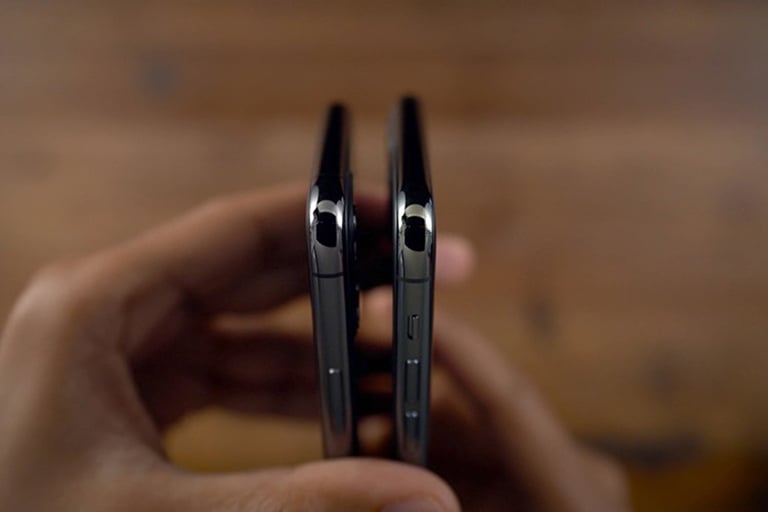
Titan offers several outstanding advantages for the Pro models.
With its expertise, Apple can find ways to optimize titanium in the upcoming iPhone to prove it's the right choice for the company. So what role will titanium play in the iPhone 15 Pro?
Everyone knows Apple is known for its amazing computers and is one of the world's most advanced metalworking companies, even having a dedicated team for metallurgy. Most notably, their expertise in aluminum. Over the years, the company has pioneered manufacturing processes for milling computer casings from solid aluminum ingots and recycling aluminum waste from iPads to produce some MacBooks.
Apple has even come up with new ways to create metals. For example, in 2018, they announced they had developed a new carbon-free method for smelting aluminum. They've also experimented with something called liquid metal, and the gold Apple Watch Edition even uses a special custom gold alloy. So, obviously, everyone wants to see what Apple does with titanium on the iPhone 15 Pro.
Vikas Kaushik, a technology expert and CEO of Tech Ahead, said: “Apple’s decision likely stems from a comprehensive assessment of physical characteristics and user experience, aiming for a balance between aesthetics, performance, and practicality. The company’s track record of pushing boundaries makes this shift unsurprising.”
Compared to steel, titanium is much lighter and stronger. The weight reduction will probably be the most important aspect for most people, as the iPhone Pro will no longer be significantly heavier than the cheaper aluminum-cased iPhone. Titanium can be used in alloys due to its diverse properties. When crafted into a surgical plate to hold healing bones in place, it is extremely strong. But when used to make the frames and temples of a pair of glasses, it can bend like plastic, bending repeatedly without breaking.
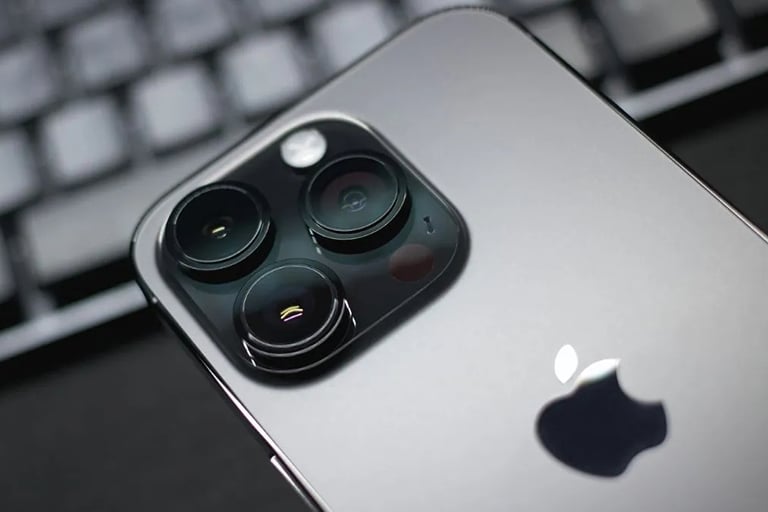
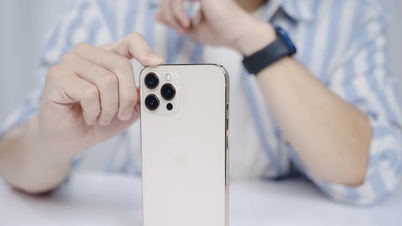
Titanium helps make the iPhone 15 Pro's frame more durable and robust.
Combined with lightweight design, any of these characteristics would be suitable for a phone. For example, a frame that can bend to absorb impacts from drops, thereby protecting the glass back, screen, and internal components.
The problem is that titanium is more difficult to machine than steel, which is one of the reasons we don't see it as often as other materials. Although Apple recently used titanium in the Apple Watch, the company also has a rather poor history with this material. That was when the Titanium Powerbook appeared and suffered from a screen hinge issue that could break during normal use.
Based on past lessons, it wouldn't be surprising if Apple resolved the issues with titanium before incorporating it into the iPhone 15 Pro. And everything could be presented more clearly by Apple at the launch event.
Source link


![[Image] Bridges and roads connecting the eastern part of Ho Chi Minh City](https://vphoto.vietnam.vn/thumb/1200x675/vietnam/resource/IMAGE/2026/04/16/1776328595108_ndo_br_bh-vt5-jpg.webp)






















































































Comment (0)