

According to the World Bank, Vietnam's economic development journey in the 21st century is a valuable lesson for developing countries.
As the world enters a quarter of the 21st century, the World Bank has just published an in-depth report on developing countries, highlighting Vietnam as a prime example of economic development. According to this report, Vietnam's remarkable development journey in the 21st century not only reflects effective management and policy planning but also offers important lessons for developing countries worldwide.
 |
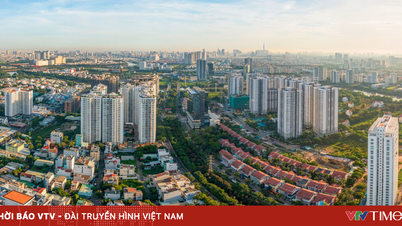
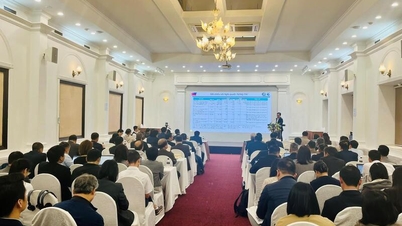
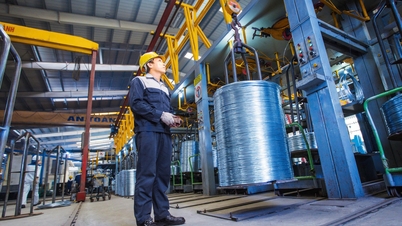
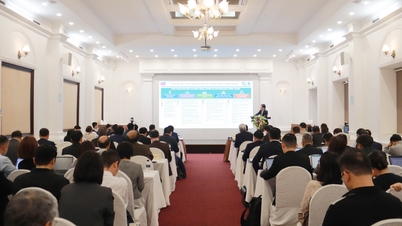
| According to the World Bank, Vietnam is a prime example of 21st-century economic development, especially among developing countries. (Illustrative image) |
The journey of escaping poverty and rising strongly.
In 2000, Vietnam was still among the low-income countries, with a GDP per capita significantly lower than the average for developing countries. At that time, the country began the 21st century in a state of poverty, with limited economic resources and major challenges in infrastructure, healthcare, and education .
However, in just a decade, Vietnam has achieved miraculous progress. In 2009, the country officially moved into the group of middle-income countries, with GDP per capita almost doubling compared to the beginning of the century. By 2025, Vietnam's per capita gross national income (GNI) is projected to reach US$4,180, more than tenfold from US$380 in 2000. Among the 39 countries that have made a "leap forward" in the World Bank's economic rankings, Vietnam currently ranks 8th in terms of economic size.
The World Bank particularly praised Vietnam's real GDP per capita growth rate. According to the organization, from 1991 to 2019, Vietnam's GDP grew at an average rate of 5.6% per year, nearly double the growth rate before the Doi Moi (Renovation) period. This is one of the longest growth cycles ever recorded in Vietnam's history, and it has remained stable despite major fluctuations in the global economy, such as the 2009 financial crisis and the 2020 Covid-19 pandemic.
The World Bank notes that what makes Vietnam's development story unique is its macroeconomic stability coupled with inclusive social reforms. Over the past three decades, Vietnam has effectively controlled inflation, maintained low unemployment rates, and reduced current account and public finance deficits.
Furthermore, Vietnam stands out for its ability to reduce poverty quickly and effectively. The percentage of the population living in extreme poverty decreased from 48% in 1992 to less than 1% in 2020. According to the World Bank, this is clear evidence that development policies not only focus on growth but also aim to improve the quality of life for all segments of the population.
Valuable lessons for developing countries.
According to the World Bank, Vietnam's success stems from its steadfast commitment to implementing structural reforms, improving the business environment, and integrating into the global economy. The report identifies four key factors that have contributed to Vietnam's economic achievements, and also provides four valuable lessons for countries in the process of escaping poverty:
 |
| Boosting investment in human resources and infrastructure is one of the four factors contributing to the strong growth of the Vietnamese economy in the 21st century. (Illustration: Government Electronic Newspaper) |
Firstly, market economic reforms: Vietnam has transformed from a centrally planned economy to a socialist-oriented market economy through trade liberalization, improvements in the legal framework, and a better business environment. Joining the World Trade Organization (WTO) in 2007 marked a significant turning point, making the country an important link in the global supply chain.
Secondly, strengthening macroeconomic stability: Thanks to strong reforms in fiscal and monetary policies, Vietnam has controlled prices, maintained positive real interest rates, and stabilized the exchange rate from the beginning of the century to the present. These policies not only enhance investor confidence but also create favorable conditions for businesses and people in their production and business activities.
Thirdly, boosting investment in human capital and infrastructure: Vietnam has invested heavily in education, healthcare, and energy, expanding access for all segments of society. For example, universal primary and secondary education, improved public health services, and electricity access for over 99% of the population have contributed to increased labor productivity and improved quality of life.
Fourth, reform of state-owned enterprises. According to the World Bank, the program of equitization, restructuring, and divestment of state-owned enterprises has been strongly implemented, helping to reduce dependence on the public sector while encouraging the development of private enterprises. This not only promotes competition but also creates more jobs and revenue for our economy.
According to the World Bank, Vietnam's success is not only the result of internal reforms but also of its ability to adapt and innovate in the context of globalization. The achievements demonstrate a sound development strategy that combines economic growth and sustainable development. The organization stated that Vietnam's development model offers valuable lessons for countries seeking to escape poverty and rise in the turbulent context of the 21st century. It clearly demonstrates that a combination of reform determination, effective governance, and strategic vision can create dramatic transformations for any nation. |
Source: https://congthuong.vn/viet-nam-hinh-mau-kinh-te-cho-cac-nuoc-dang-phat-trien-369353.html
























































































Comment (0)