

Economic growth and job creation
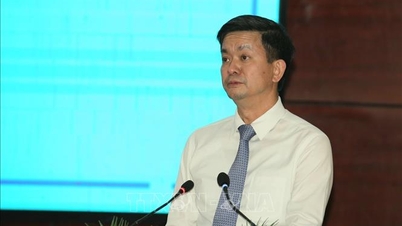
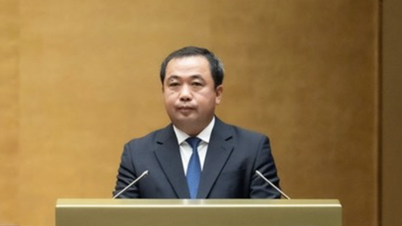
Speaking at the forum, Mr. Tran Tuan Anh - Member of the Politburo , Head of the Central Economic Committee - said that Vietnam's logistics industry has made strong progress in recent years, making important contributions to economic growth and job creation; the number of businesses is increasing and expanding in scale.
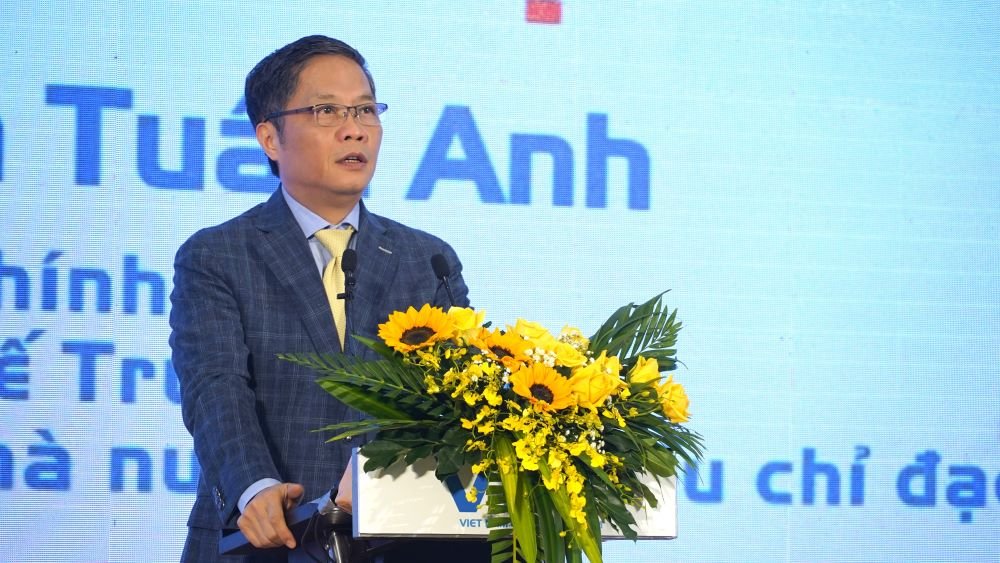
In 2023, according to the World Bank's ranking, Vietnam's Logistics Performance Index (LPI) was 43rd out of 139 ranked economies, a significant improvement from its 53rd position in 2010. Within the region, Vietnam is in the top 5, tied with the Philippines and behind Singapore, Malaysia, and Thailand.
Currently, Vietnam ranks among the top 10 out of 50 emerging logistics markets in the world according to the Emerging Market Index by Agility, a transportation and logistics service provider. In particular, Vietnam ranks 4th globally in terms of international logistics opportunities and is considered a leading country in Southeast Asia with significant logistics development potential.
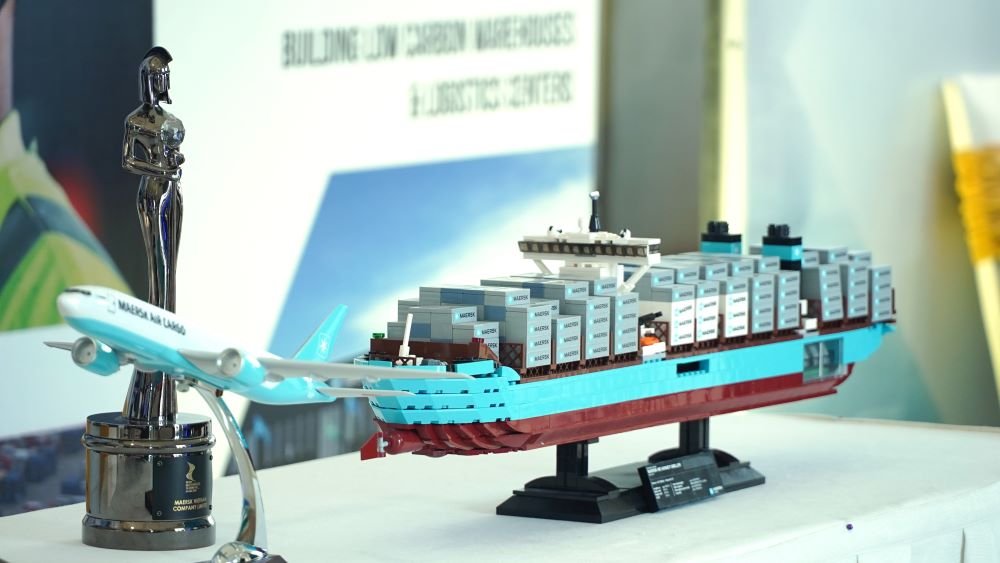

However, the logistics industry nationwide in general and in the Mekong Delta region in particular still has many limitations and has not yet truly lived up to its potential and conditions for development.
According to calculations by the Vietnam Logistics Services Business Association, Vietnam's logistics costs currently average 16.8-17% of GDP, significantly higher than the global average of 10.6%. Logistics infrastructure remains limited, lacking synchronization and connectivity; port planning is inadequate, and there is a lack of major hub ports…
The integration between different modes of transport is limited, and the capacity of water transport remains low; road transport is still the most popular mode of transport (accounting for 73%), followed by inland waterway transport with 21.6% of the total volume of goods transported, while sea transport accounts for only 5.2%, rail 0.2%, and air 0.01%. This leads to high logistics costs, reducing the competitiveness of Vietnamese goods.
The World Bank's assessment report also indicates that Vietnam's logistics service sector still has many limitations in terms of the capacity of logistics service providers. Digital transformation in most logistics businesses is still in its early stages and has not received adequate investment.
Developing efficient and sustainable logistics.
According to Tran Tuan Anh, Head of the Central Economic Committee, the Vietnam Logistics Forum 2023 is one of the outstanding activities contributing to the effective implementation of the Party, National Assembly, and Government's guidelines and policies on logistics development. In particular, this year's forum is being held in Can Tho City – the trade center and logistics hub of the Mekong Delta region.
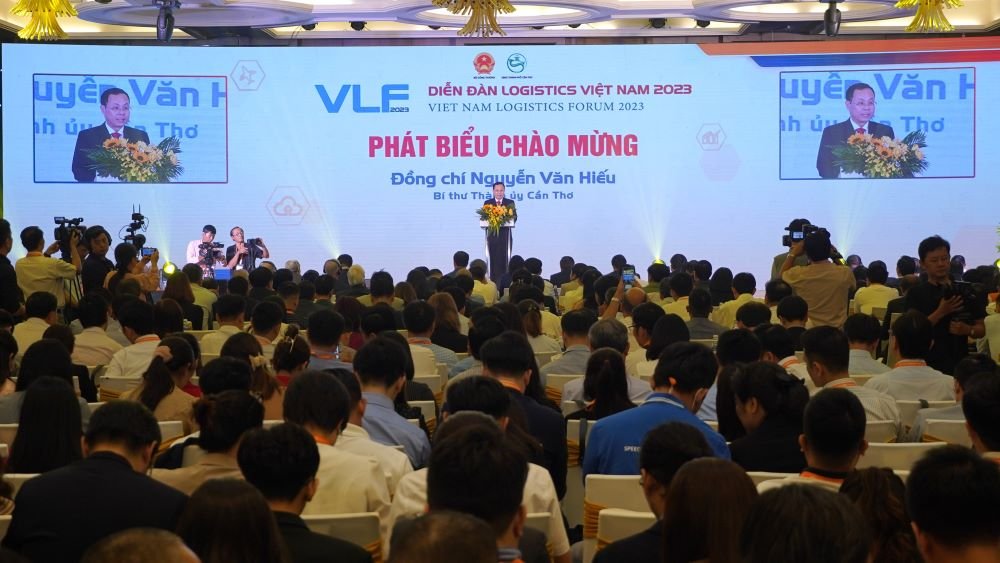
Here, the Head of the Central Economic Committee also requested the Central Economic Committee to coordinate with the Ministry of Industry and Trade and relevant units to research and develop a specialized study to thoroughly assess the current situation, conditions, and development orientations of efficient and sustainable logistics activities in the context of the new situation, in order to submit it to the Politburo and the Secretariat for timely consideration and guidance to resolve difficulties and obstacles.
At the same time, the Party Committee of the Ministry of Industry and Trade, and the Ministry's leadership, will preside over and coordinate with relevant ministries, sectors, and localities to urge, monitor, and evaluate the implementation of Resolution No. 163/NQ-CP, focusing on the results of developing scenarios and response plans, and directing and managing logistics activities to effectively serve domestic production, goods circulation, and exports.
Accelerate the development of the Vietnam Logistics Development Strategy Project until 2035, with a vision to 2045, paying attention to integrating content related to digital transformation in the logistics industry.
In particular, localities in the Mekong Delta region, and localities nationwide in general, should coordinate with ministries and agencies to implement assigned tasks to develop a synchronized local logistics system; review and adjust local planning and economic structure; and develop and implement effective logistics service support policies that are appropriate to the socio-economic characteristics of each locality.
Source










































































Comment (0)