

A breakthrough in innovative thinking.
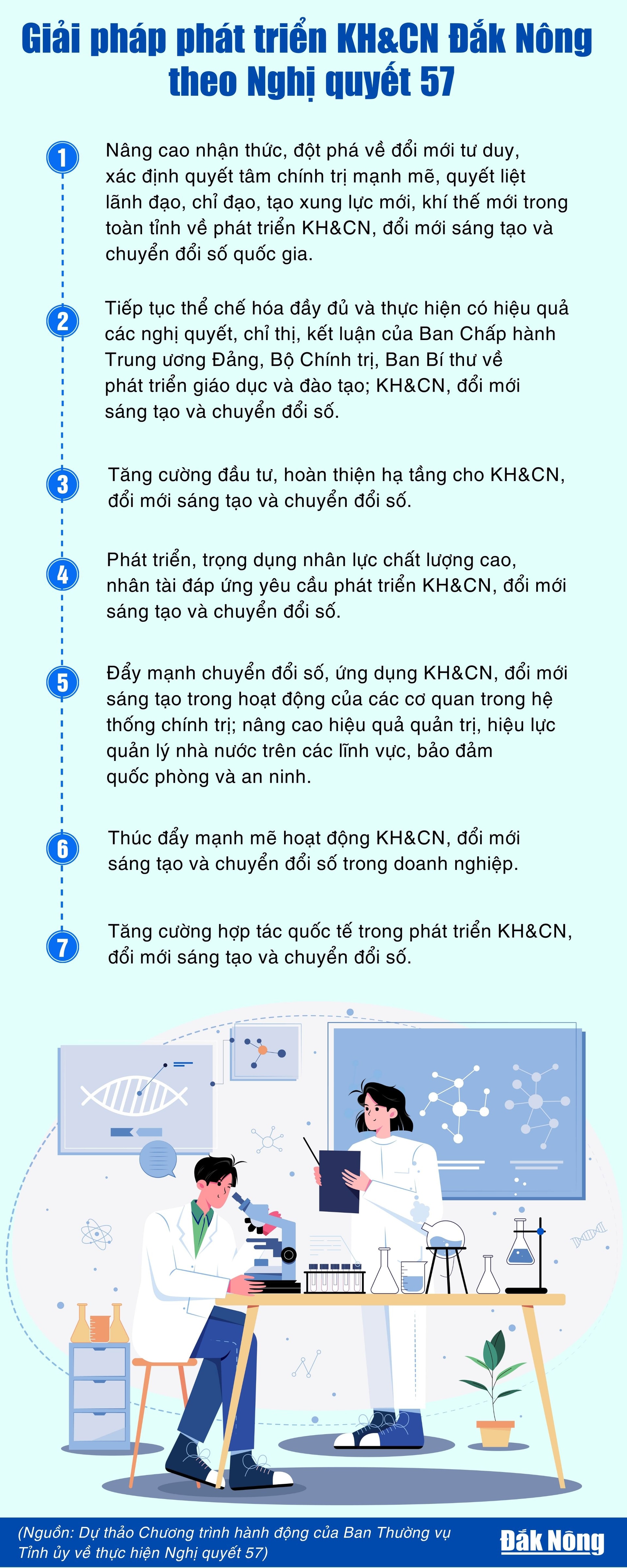
One of the first breakthroughs that Dak Nong focused on implementing was raising awareness and changing mindsets in the development of science and technology (S&T), innovation, and national digital transformation.
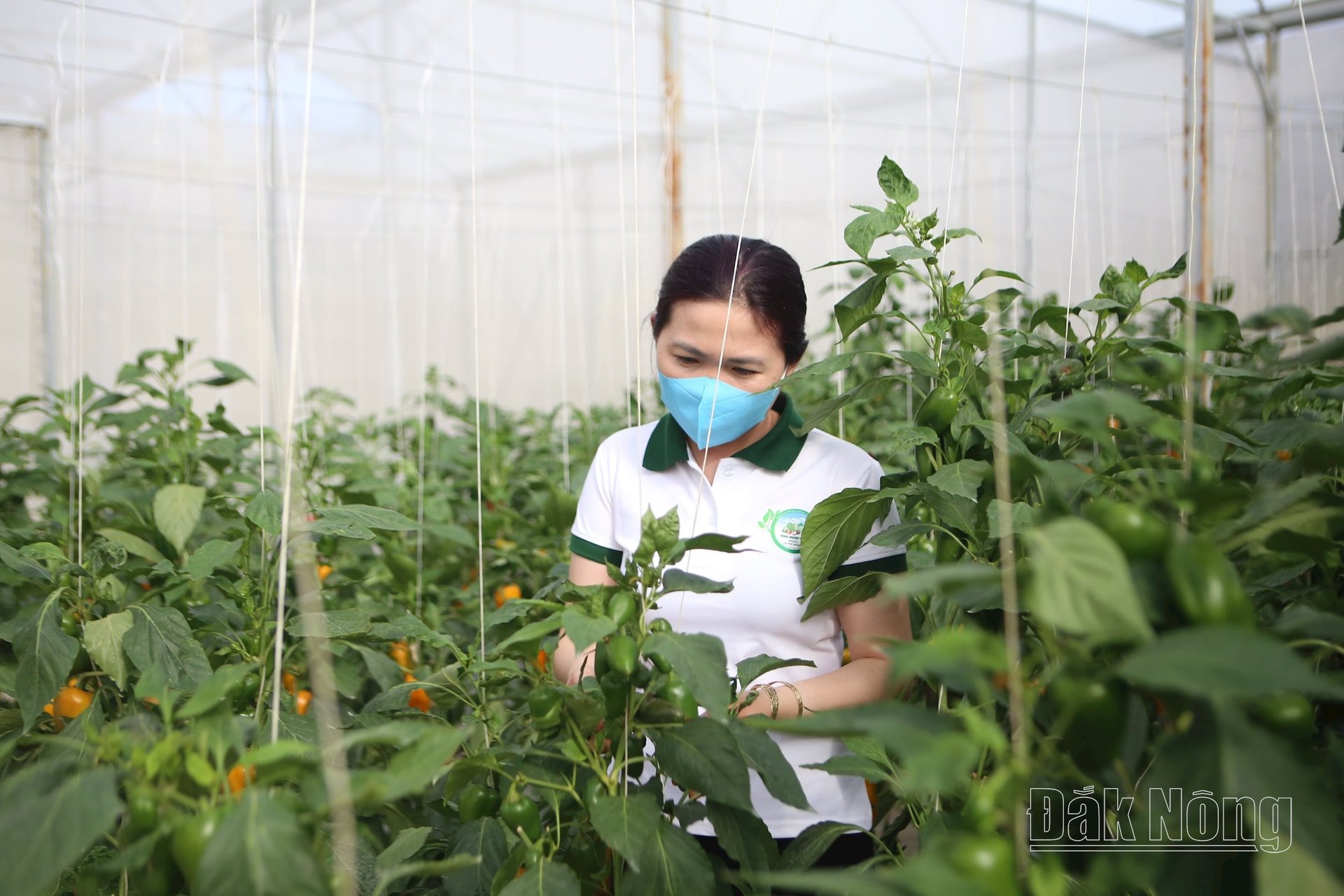
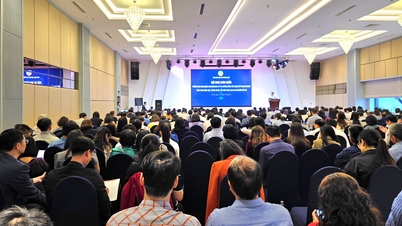
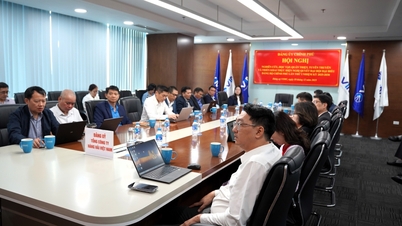
On January 13, 2025, the nationwide online conference on "Understanding and implementing Resolution No. 57-NQ/TW, dated December 22, 2024, of the Politburo " (Resolution 57) was connected by the Standing Committee of the Dak Nong Provincial Party Committee from the central level to the provincial, district, and grassroots levels.
Following the conference, each official and Party member is responsible for studying and learning Resolution 57. At the same time, they must disseminate and publicize its content to the people.
Party committees, government agencies, and party organizations will enhance their roles and responsibilities in effectively implementing the resolution, making science and technology, innovation, and digital transformation the driving force for socio-economic development.
The tasks of developing science and technology, innovation, and digital transformation are integrated into annual work programs and plans, becoming criteria for evaluating work efficiency and awarding commendations.

To effectively implement the task, the province will allocate a suitable number of qualified scientific and technical personnel to Party committees at all levels.
At the same time, we must foster the spirit of creativity, boldness in thinking, boldness in action, and boldness in taking responsibility among cadres and Party members in the development of science and technology, innovation, and digital transformation.
The province will intensify propaganda and education to raise awareness, strengthen political resolve, and create new confidence and momentum in society regarding the development of science and technology, innovation, and digital transformation.
The "digital learning" movement, aimed at enhancing scientific and technological knowledge for officials, civil servants, and the general public, is expanding. Movements promoting entrepreneurship, innovation, and improvements to enhance work efficiency and labor productivity will contribute to the successful achievement of national goals and tasks in science and technology development, innovation, and digital transformation.
The province will expand and diversify forms of honoring, commending, and rewarding promptly and appropriately scientists, inventors, businesses, organizations, and individuals who have achieved success in the development of science and technology, innovation, and digital transformation.
This includes appreciating every invention, innovation, technical improvement, and initiative that enhances work efficiency and performance, no matter how small.
Establish a new mechanism.
In the spirit of Resolution 57, Dak Nong will urgently revise, supplement, and improve mechanisms and policies on science and technology, innovation, and digital transformation to remove bottlenecks and promote development.
The province encourages scientific research, technological development, reforms in the management of science and technology tasks, simplifies administrative procedures, and grants autonomy in the use of research funds.
Public scientific research institutions are granted autonomy in finance and personnel, and are allowed to collaborate with businesses to optimize resources.
In particular, the province has agreed to upgrade and provide mechanisms and policies to support and develop public science and technology research organizations to operate effectively. This will include granting them autonomy and responsibility in terms of organization, personnel, finance, and expertise.
These organizations will utilize state budget funds to hire experts and leverage tangible and intellectual assets to establish linkages and collaborate in science and technology with other organizations and businesses.
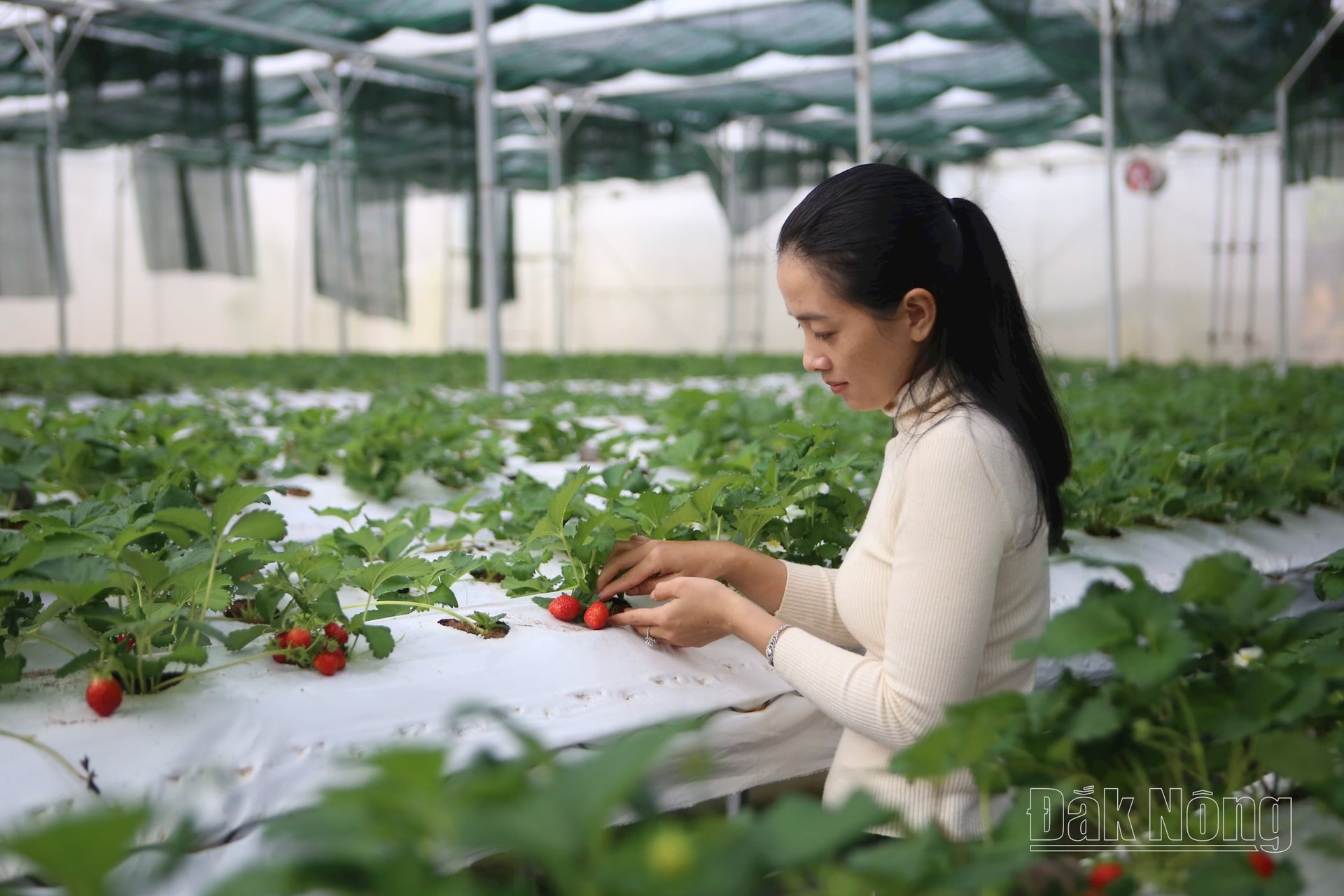
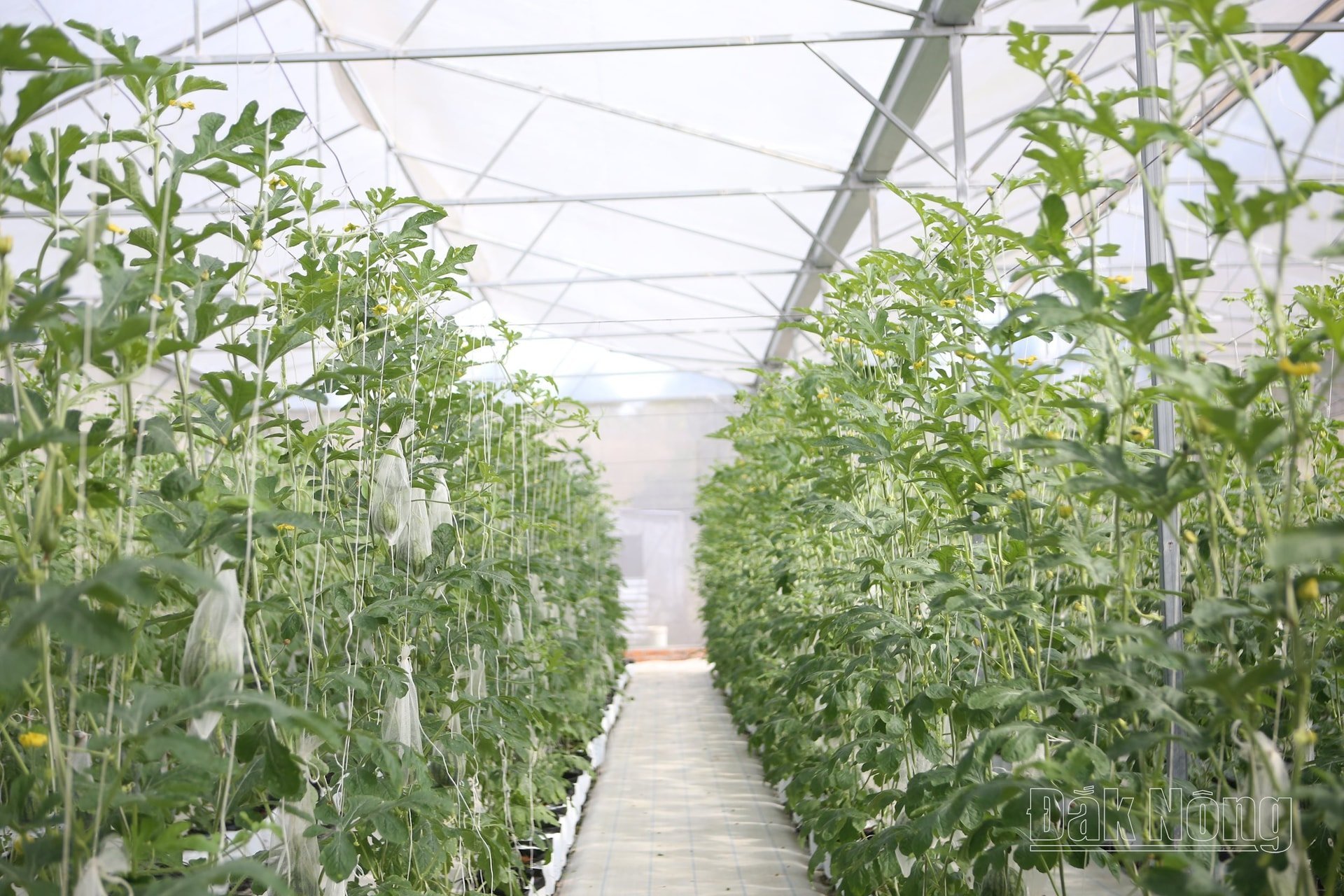
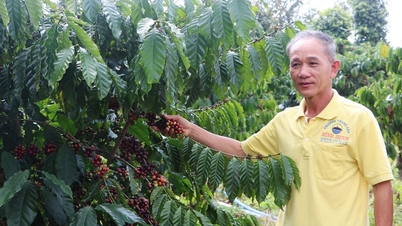
For example, in the agricultural sector, which is a strength of Dak Nong, priority is being given with many policies supporting scientific and technological research.
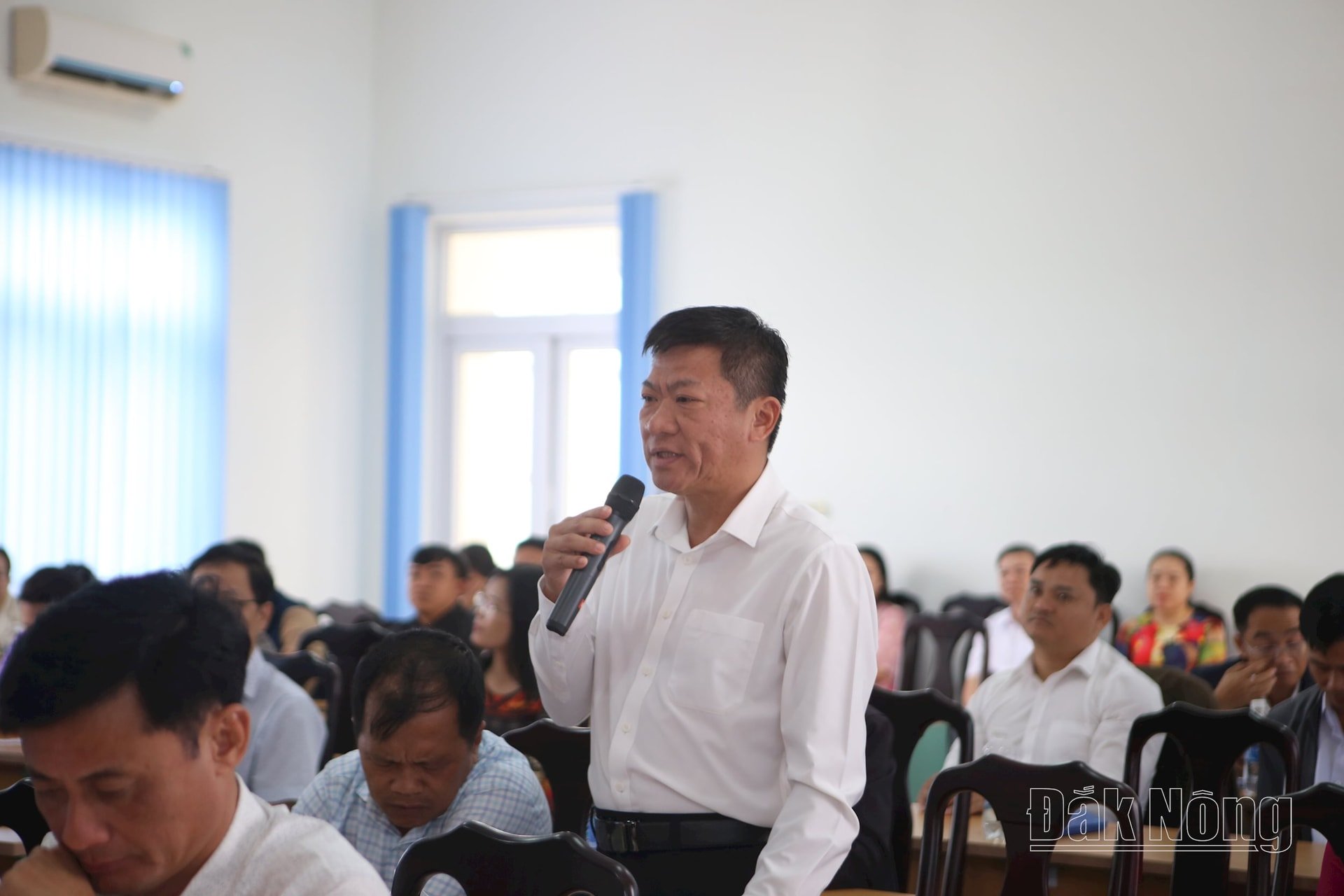
According to Ngo Xuan Dong, Deputy Director of the Dak Nong Department of Agriculture and Environment, the province currently has 7 high-tech agricultural zones, with a total area of approximately 3,500 hectares. According to the plan, by 2025, the province will have 11 high-tech agricultural zones, with a total area of 5,300 hectares.
Therefore, for the tasks of 2025, Dak Nong must strive to build four more high-tech agricultural zones. In this, the districts, cities, and owners have a very significant role to play with solutions that ensure and implement substantive measures for these zones.
"The sector will continue to research and propose mechanisms and policies to promote the rapid, strong, sustainable, and efficient development of high-tech agricultural zones," Mr. Dong said.
The province also advocates restructuring the budget allocated to science and technology, focusing on key and priority areas, and avoiding a scattered approach. At the same time, it aims to create mechanisms to encourage public procurement of scientific research products developed by businesses within the province.
Prioritize resources
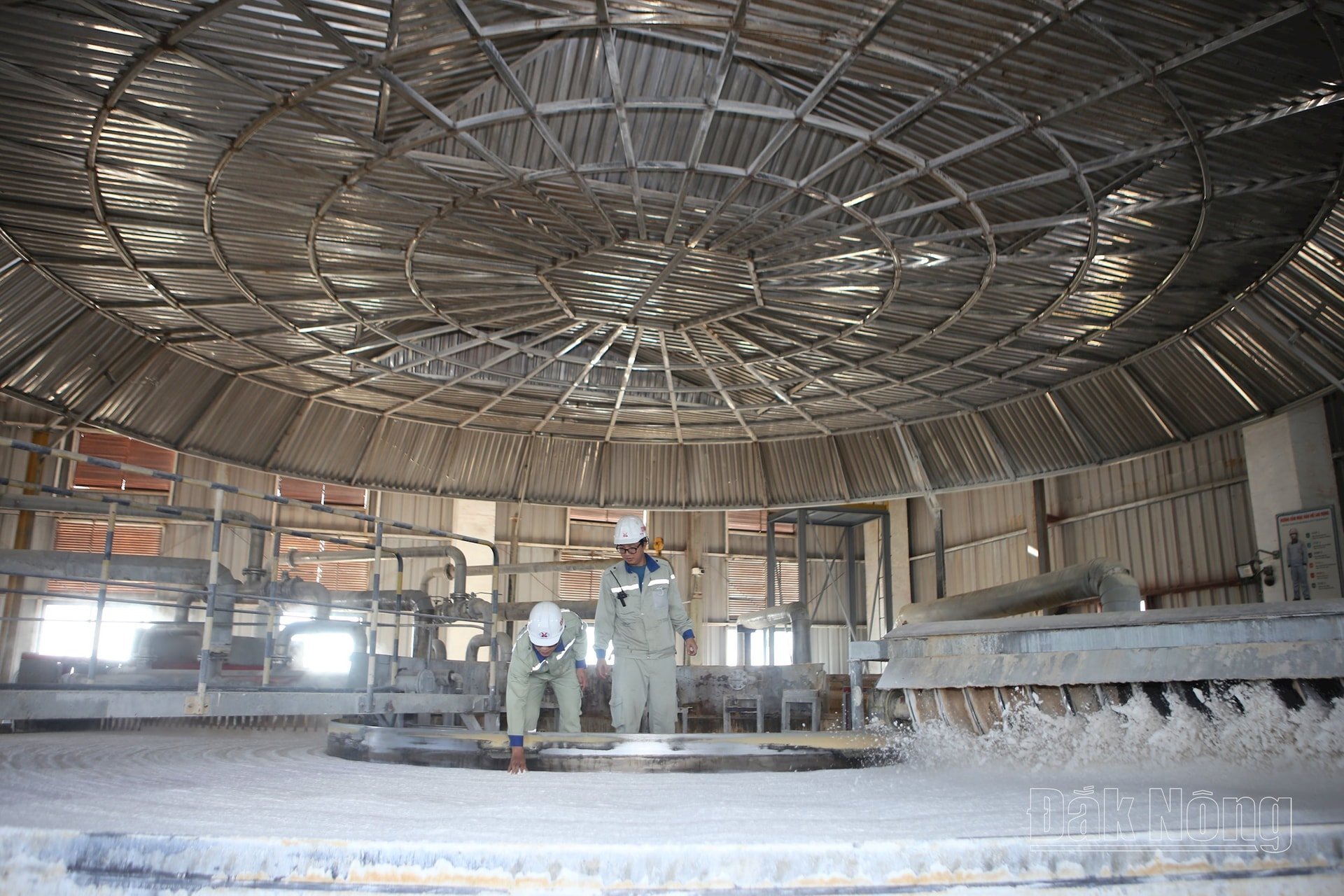
Dak Nong is focusing on researching and developing clean energy infrastructure and rationally exploiting mineral resources, aiming to become a center for bauxite, alumina, and aluminum mining and processing industries.
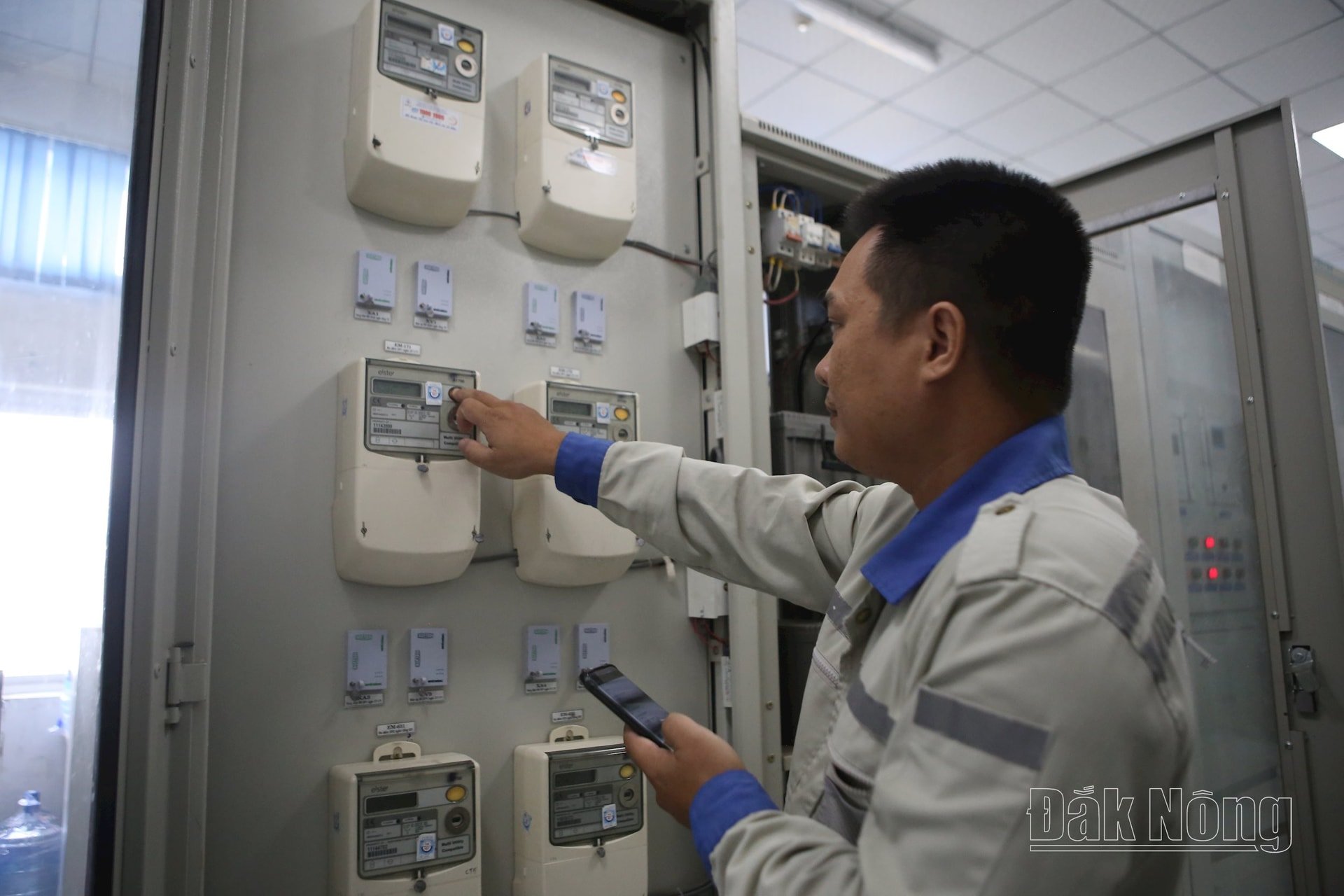
The province also focuses on building a system of key research centers and laboratories, concentrating on new technologies and supporting businesses investing in science and technology.
For example, in 2024, the province continued to implement the project "Investment to strengthen the capacity for inspection, calibration and testing at the Information, Technical and Science and Technology Application Center", with a total allocated capital of 3 billion VND.
Every year, the Science and Technology sector of Dak Nong province conducts surveys to understand the production and business situation, and assess the capacity and technological level of enterprises.
From there, we can identify the need for technological improvement and innovation, helping to enhance the capacity of businesses to absorb, master, and innovate technology, and promote the development of new science and technology products.
Regarding human resource development, Dak Nong aims to build a strong team of science and technology intellectuals capable of advising the government on science and technology development policy planning. Policies to attract and retain high-quality human resources and science and technology experts are also given attention.
The province will pilot the establishment of centers and research and teaching laboratories on science and technology and innovation in schools. At the same time, it will popularize digital skills among the people through online platforms.
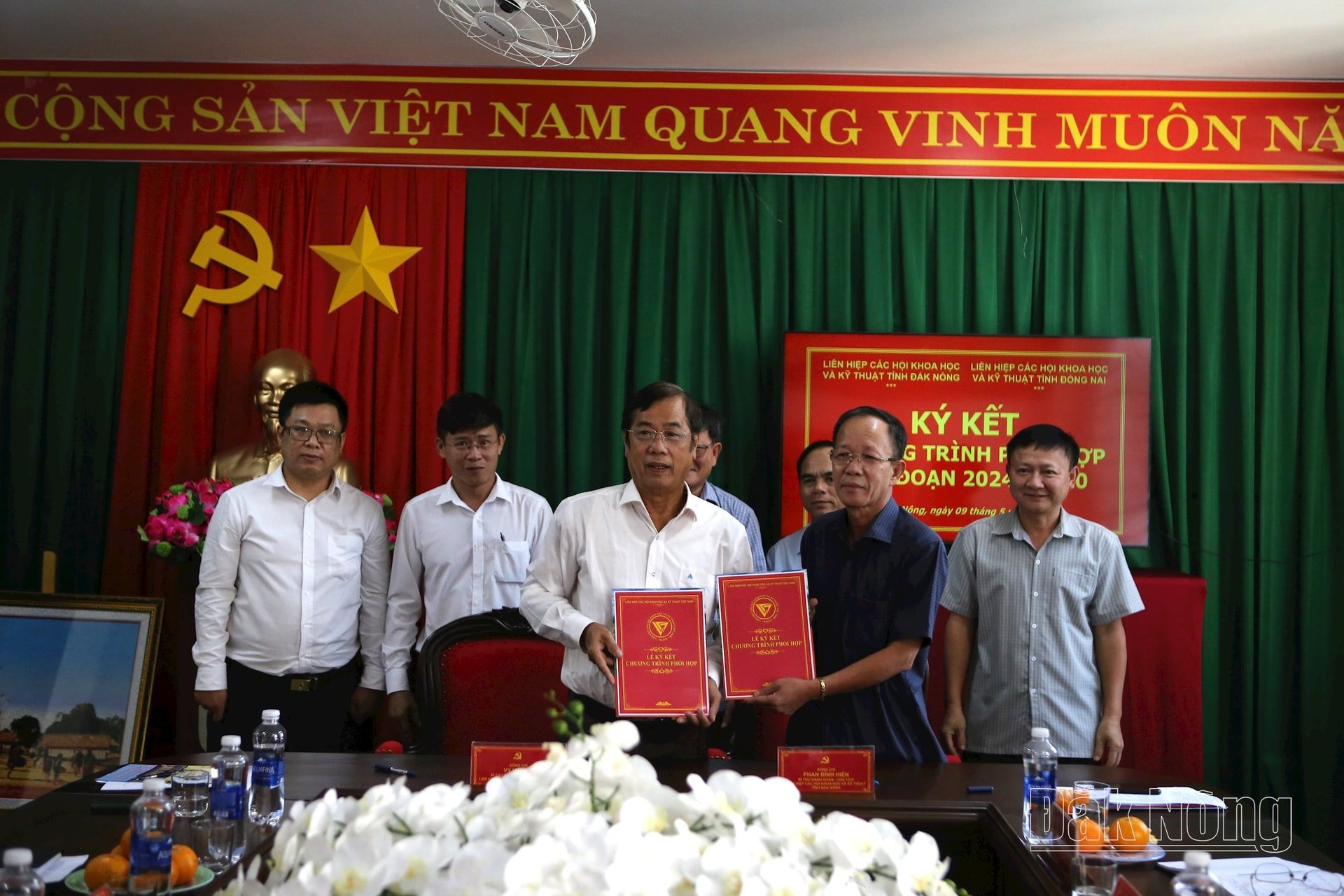
Currently, Dak Nong has signed a cooperation program on training support.
Developing human resources in collaboration with the Dong Nai Association of Science and Technology and 5 universities within the Union of Associations.
This will create favorable conditions to support Dak Nong in human resource training, especially in areas such as renewable energy and processing industries.
It is known that, along with economic and social development, the intellectual workforce of Dak Nong has rapidly increased in number and improved in quality, making an important contribution to the construction and development of the province's economy and society.
According to statistics, the total number of intellectuals in Dak Nong province is currently 16,704. Of these, 23 hold doctoral degrees or equivalent; 664 hold master's degrees or equivalent; 12,907 hold bachelor's degrees or equivalent; 1,824 hold college degrees or equivalent; and the remainder are other intellectuals.
Promoting the application of science and technology.
According to Tran Dang Anh, Vice Chairman of the People's Committee of Krong No District, the implementation of science and technology tasks faces obstacles in the transfer process for practical application.
Some models, after being handed over from the research unit, were immediately implemented locally by the district, and cooperatives were invited to participate. However, due to the lack of a clear financial support mechanism, many science and technology tasks remain "shelved".
According to Hoang Van Thuan, Director of the Dak Nong Department of Science and Technology, assets invested from the state budget are public assets. Assets formed after science and technology projects will be public assets, managed according to law, and transferred to state agencies and state-owned enterprises.
"This asset will not be transferred to cooperatives, private enterprises, or individuals. This is also a major drawback. The Ministry of Science and Technology has repeatedly proposed solutions and hopes that they will soon be addressed to promote the widespread application of scientific and technological achievements in practice," Mr. Thuan shared.
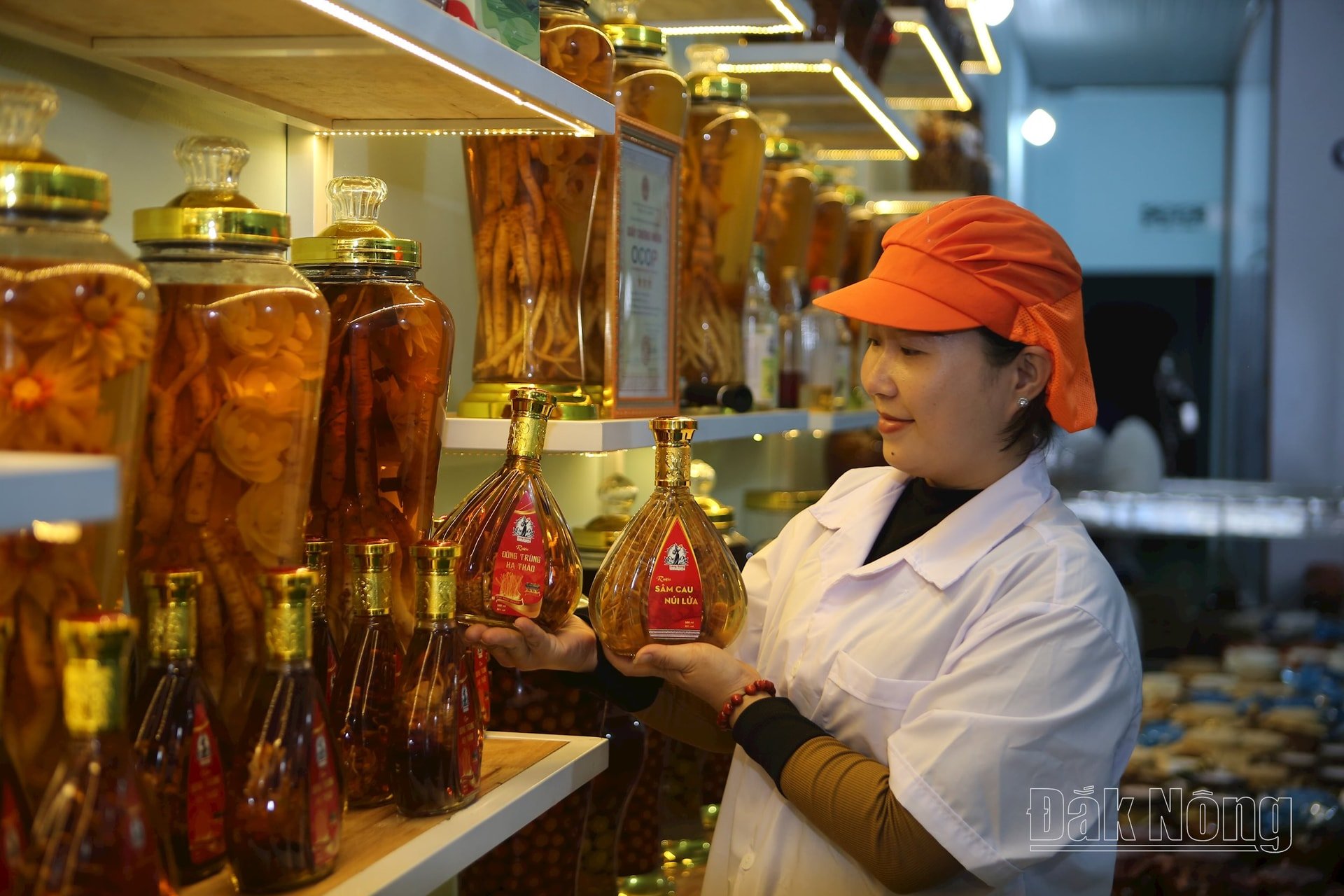
In line with Resolution 57, in the coming period, Dak Nong will have preferential policies to encourage businesses, especially small and medium-sized enterprises, to invest in research, application of science, and technological innovation to improve production and business efficiency and corporate governance.
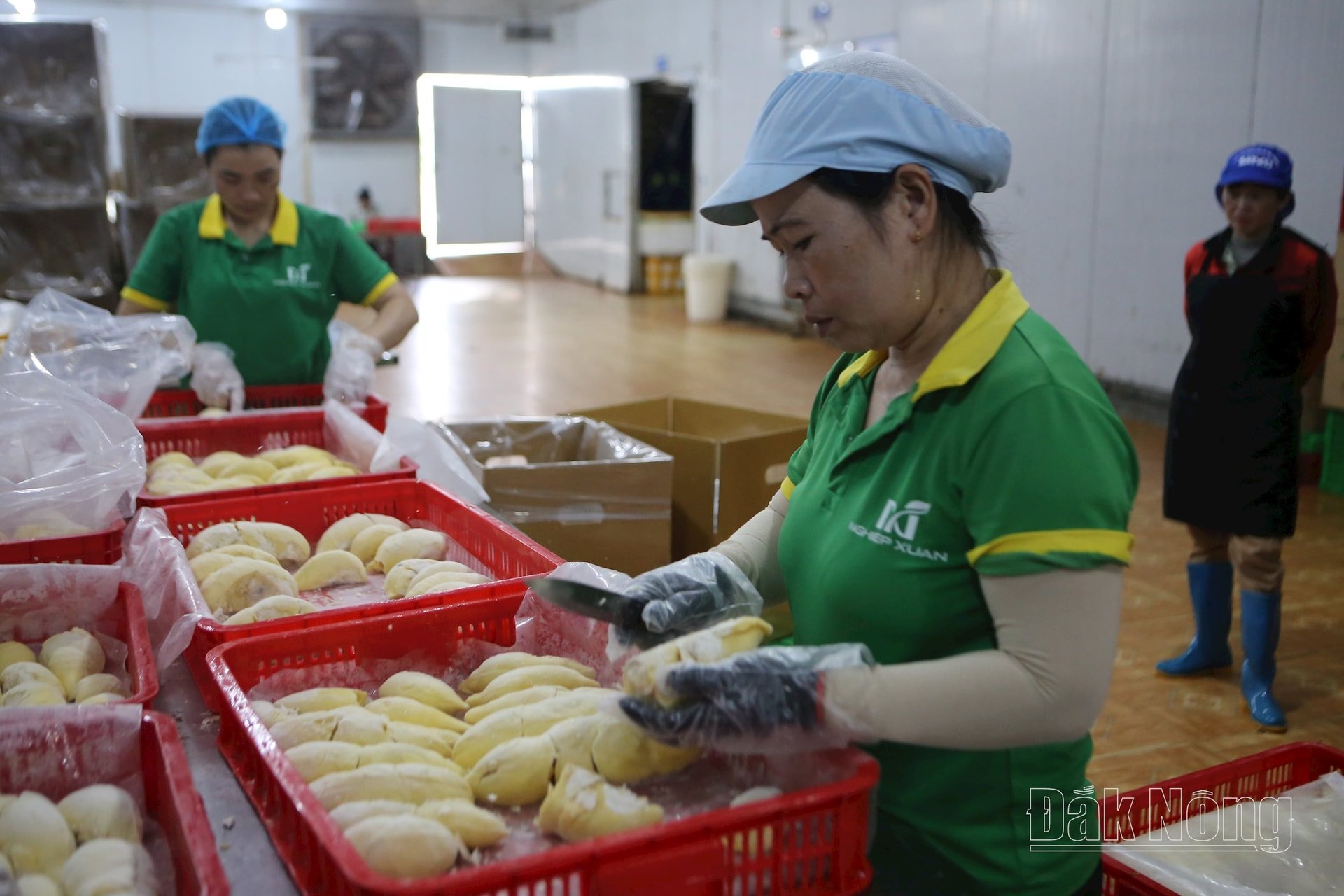
The province will implement strong policies to encourage entrepreneurship in science and technology, innovation, and digital transformation, along with policies to support startups and attract startup businesses to Dak Nong.
Dak Nong will also strongly encourage the development of science and technology enterprises, digital enterprises, innovative startups, and innovation incubators. It will establish science and technology service organizations to introduce and provide services and technologies to meet the needs of businesses and the market.
Next, research will be conducted on mechanisms and policies to support the formation and development of several large-scale strategic digital technology enterprises in the province to develop digital infrastructure.
In addition, there is a mechanism for ordering and assigning tasks to digital technology businesses to carry out key digital transformation tasks in Dak Nong.
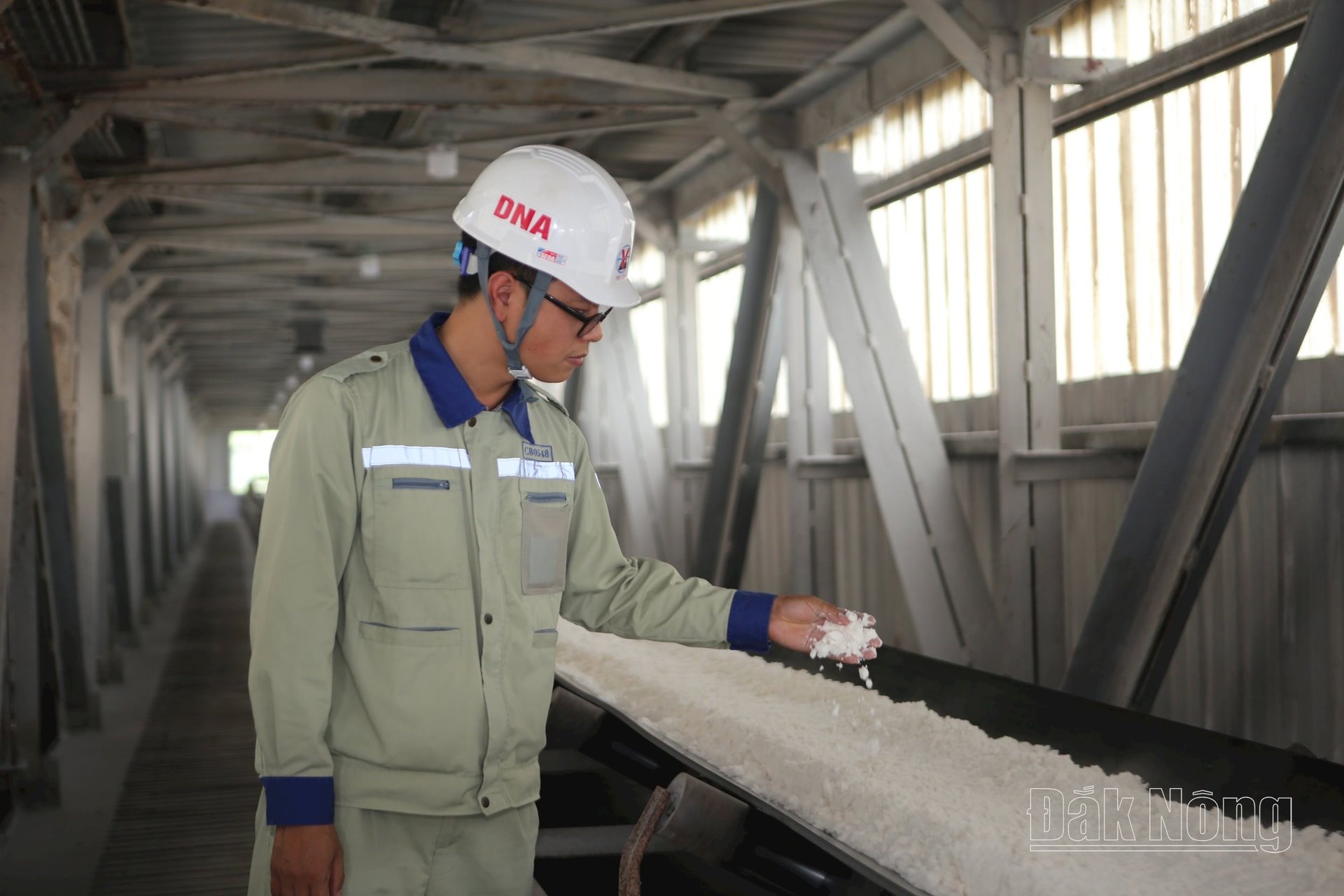
To promote the application of science and technology, the science and technology sector has recently announced and received applications for support needs for innovative start-up small and medium-sized enterprises (SMEs) under the "Support for Innovative Start-up Small and Medium-Sized Enterprises in Dak Nong Province until 2025" project.
This aims to continue implementing policies and mechanisms to support businesses in applying science and technology in production and business. At the same time, it encourages entrepreneurship, innovation, and digital transformation.
The Department of Science and Technology has focused on promoting cooperation and linkages between businesses, research institutes, and universities. This has led to concentrated research on theoretical and practical issues, providing development models suitable to the local characteristics…
Source: https://baodaknong.vn/xac-dinh-don-bay-khoa-hoc-cong-nghe-o-dak-nong-244360.html



























![[Video] The craft of making Dong Ho folk paintings has been inscribed by UNESCO on the List of Crafts in Need of Urgent Safeguarding.](https://vphoto.vietnam.vn/thumb/402x226/vietnam/resource/IMAGE/2025/12/10/1765350246533_tranh-dong-ho-734-jpg.webp)























































Comment (0)