

The thighs, wings, neck, and offal of chickens are high in bad cholesterol, while the tail is a breeding ground for bacteria and should not be eaten.
According to Dr. Huynh Tan Vu, Department of Traditional Medicine, University Medical Center of Ho Chi Minh City, Branch 3, chicken meat belongs to the group of white meats, providing a lot of protein, which is the main group of substances that form the structure of cells and affects the development of weight, height and brain in humans. Chicken meat has less cholesterol than red meats, helping to minimize the risk of cardiovascular diseases.
In traditional medicine, chicken meat is called "ke nhuc," with rooster meat being called "hung ke nhuc" and hen meat being called "thu ke nhuc." Chicken meat has a sweet taste, is warm in nature, and is non-toxic. White-feathered chickens regulate the spleen and stomach; yellow-feathered chickens treat digestive disorders; red-feathered chickens warm the stomach and lungs and treat blood-related diseases; black-feathered chickens nourish the spleen, regulate qi and blood, treat weak kidneys and rheumatism, and are very good for postpartum women.
Chicken meat is often stewed with ginseng and mulberry leaves to nourish the body; stewed with lotus seeds to treat malnutrition; with red beans to treat edema; and with mugwort for pale, thin women. Chicken porridge is also a remedy for erectile dysfunction.
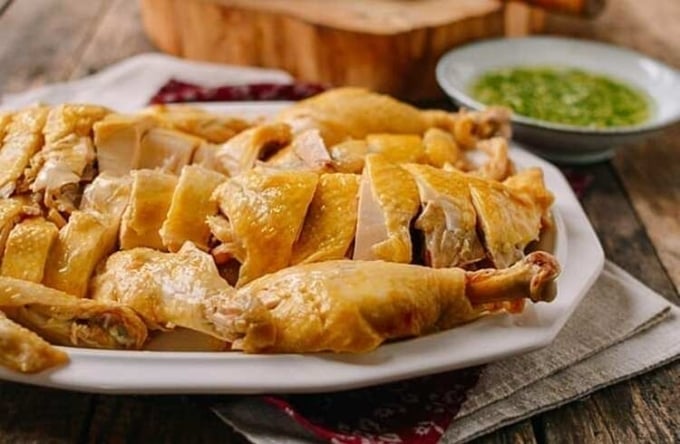
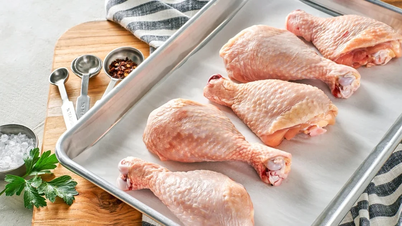
Chicken meat is highly nutritious and good for health, but some parts should not be eaten in large quantities. (Image: Woks of life)
According to Dr. Vu, different parts of the chicken have different nutritional values in terms of protein, fat, and fat composition. The chicken breast is considered the most nutritious part of the chicken, with 18g of protein per 100g, rich in B vitamins that are good for preventing cataracts and skin disorders, boosting immunity, and low in fat.
Meanwhile, the meat in the thighs, wings, neck, and offal of chickens contains a lot of bad cholesterol and should not be eaten. Bad cholesterol, also known as LDL cholesterol, can damage the arteries that carry blood from the heart to the rest of the body. In particular, chicken offal may contain parasites, bacteria, viruses, or residual drugs from the farming process.
The tail and the skin under the neck are also parts that should not be eaten because they contain lymphatic glands, acting like a reservoir for bacteria.
Chicken thighs and wings are popular choices, especially the meat in the thighs, which is often firm, muscular, and succulent, making it more appealing than the breast. However, thigh meat contains more cholesterol than breast meat. These are also the two areas where poultry farmers often inject vaccines or medications to prevent poultry diseases, so the possibility of drug residue in the meat cannot be ruled out.
According to Doctor Vu, chicken is a delicious and indispensable dish in Tet (Lunar New Year) feasts; however, it's important to balance your diet and limit consumption of unhealthy parts like those mentioned above. People with kidney stones should also avoid eating too much chicken, as it's high in protein, which increases oxalate levels in urine, leading to the formation of stones.
Thuy Quynh
Source link





























































































Comment (0)