

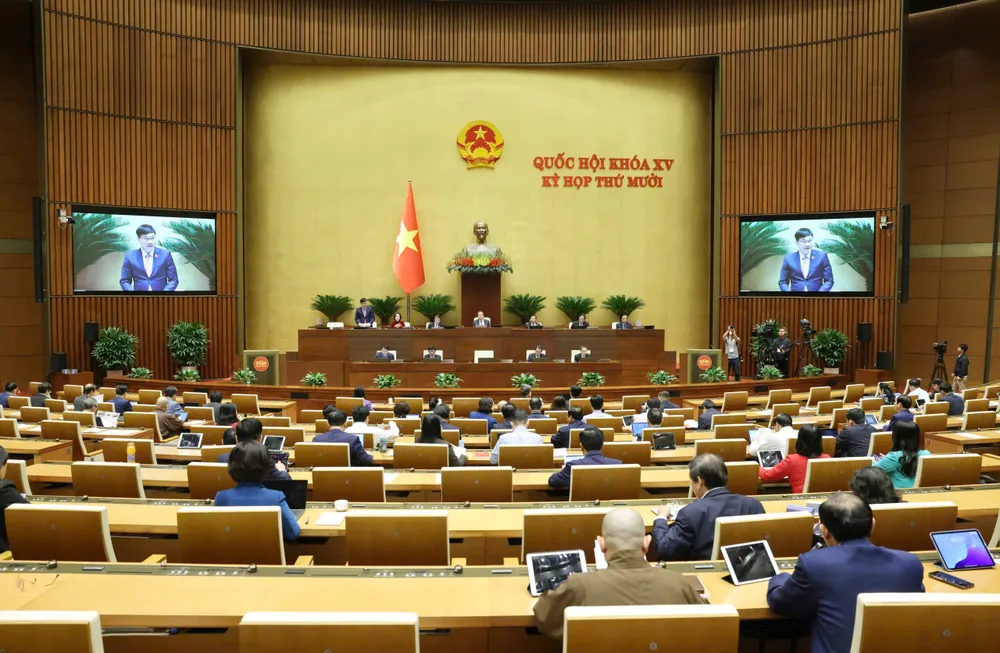
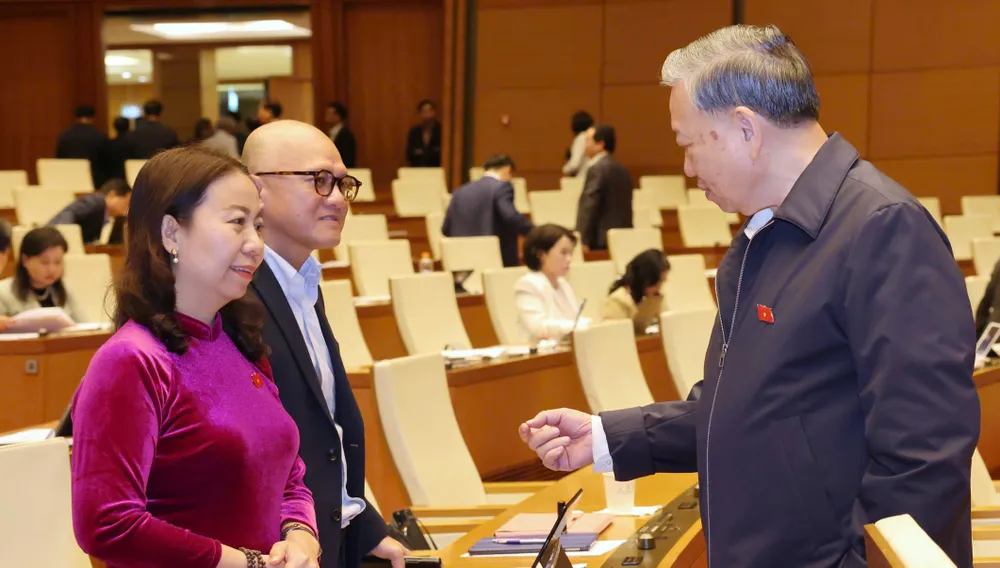
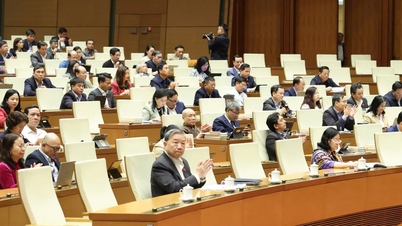
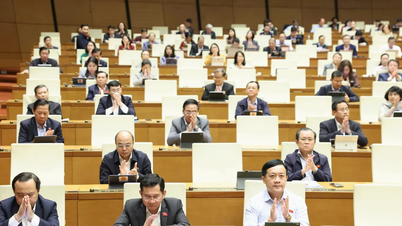
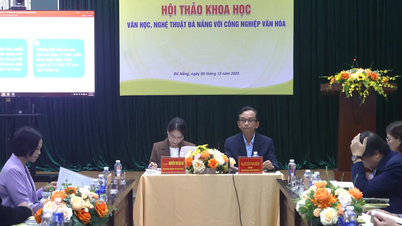
On the morning of December 5, delegates discussed in the hall the draft approving the investment policy of the National Target Program on new rural areas, sustainable poverty reduction, and socio -economic development in ethnic minority and mountainous areas for the period 2026 - 2035.
Major policies of the Party and State
During the discussion and comments, the delegates expressed their high agreement with the above policy. However, many opinions were also concerned about the feasibility of the program, especially the funding structure when requiring localities to contribute too much counterpart capital (400,000 billion VND), which is considered unfeasible for mountainous provinces with low budget revenue.
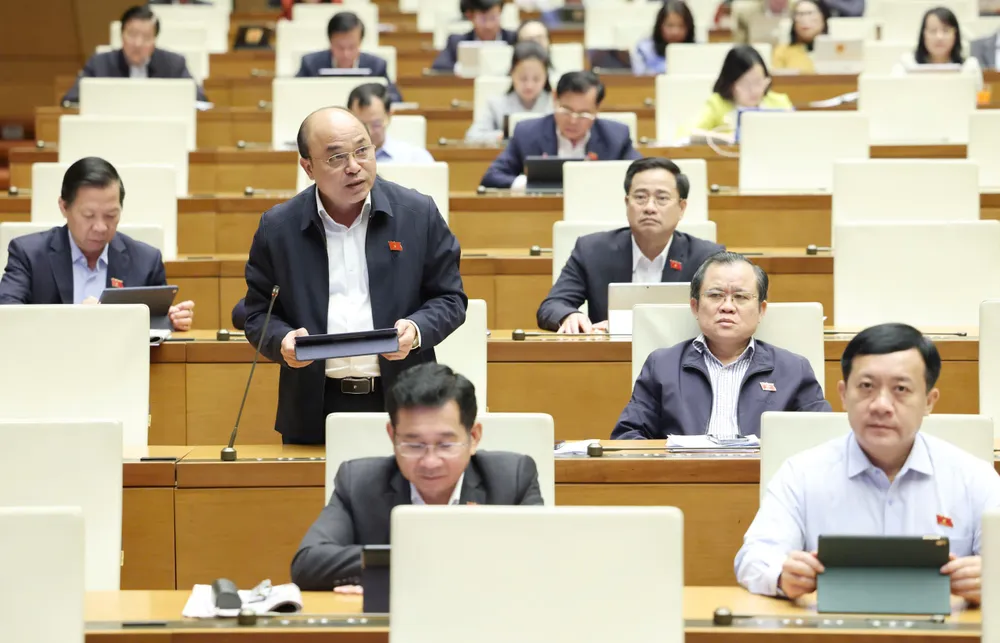
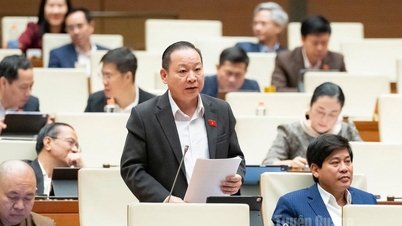
Deputies said that this is a major policy, of strategic significance, ensuring equal development opportunities for all people. Deputy Do Van Yen (HCMC) agreed with the target group aiming at building modern new rural areas, reducing multidimensional poverty and improving people's lives.
However, through the draft study, the delegate suggested that the drafting committee study and add a measurement indicator on the "rate of people accessing digital services and digital infrastructure in rural areas and ethnic minority areas" to align with the national digital transformation orientation. According to him, adding this indicator will ensure that the development goal not only focuses on physical infrastructure but also prioritizes digital infrastructure, thereby increasing the sustainability of poverty reduction and increasing people's income.
Delegate Do Van Yen also expressed his agreement with the total allocation of the state budget and the capital decentralization structure between the central and local levels. However, the Delegate suggested considering adding a mechanism to "preserve development investment capital for essential infrastructure" for localities with high poverty rates and budget difficulties. Preserving investment capital for essential infrastructure will help ensure consistency in implementation and improve the efficiency of budget use.
Meanwhile, regarding the principle of allocating central budget capital, Deputy Do Van Yen highly appreciated the principle of prioritizing especially disadvantaged areas and ethnic minority areas. However, to be consistent with reality, the Deputy also proposed adding the allocation criteria based on "the level of target completion and disbursement efficiency of the previous period".
"Linking capital allocation with implementation efficiency will create strong motivation for localities in management, while reducing the situation of slow capital disbursement or scattered investment, thereby promoting progress and improving program efficiency," said Deputy Do Van Yen.
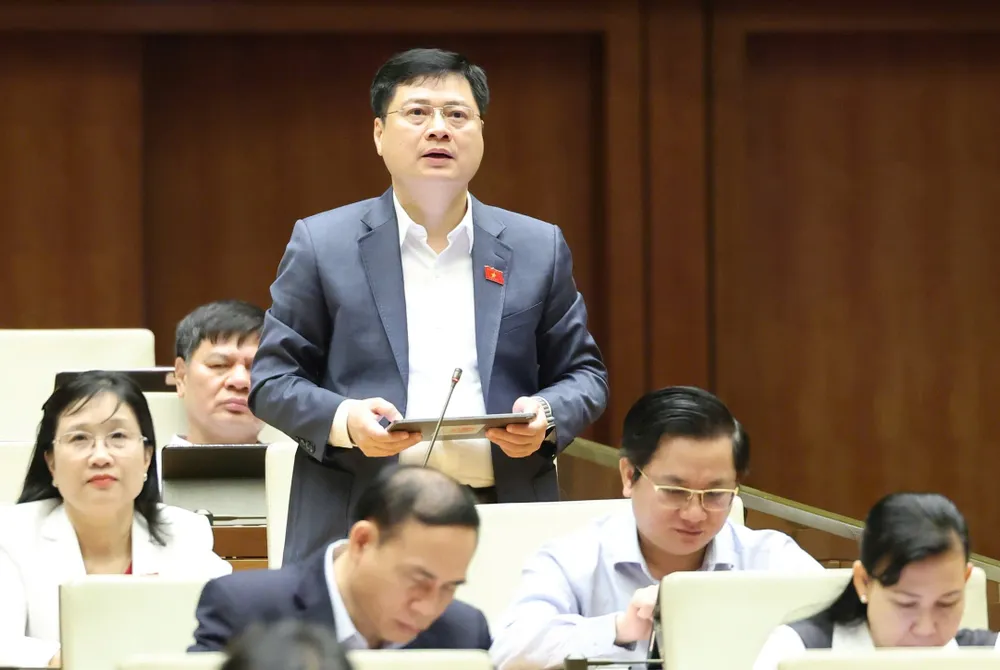
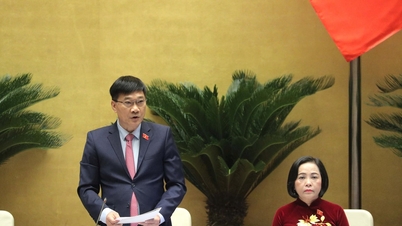
Delegate Cam Ha Chung ( Phu Tho ) said that this is a large-scale, wide-ranging program directly related to the national sustainable development goals. The delegate agreed with the integration of three major areas: new rural construction, sustainable poverty reduction, and socio-economic development in ethnic minority and mountainous areas to create consistency, avoid duplication, and increase efficiency in budget use.
However, comparing with the implementation practice in the 2021-2025 period, Deputy Cam Ha Chung said that combining the above 3 contents without clarifying the structure will cause difficulties in allocating resources, responsibilities for chairing, inspecting, supervising, especially disbursing investment capital, solving specific problems of ethnic minorities and mountainous areas.
Expressing agreement with the principle of resource allocation when the draft stipulates the principle of prioritizing investment resources for poor communes, ethnic minority and mountainous areas. However, according to Deputy Cam Ha Chung, if the allocation structure for each component is not clearly defined, implementation will be difficult, especially with the component of socio-economic development for ethnic minority and mountainous areas - where most localities are unable to balance the budget and find it difficult to meet counterpart capital requirements.
In particular, for the program to be truly transparent and effective, according to Deputy Cam Ha Chung, it is necessary to strongly promote the role of the Vietnam Fatherland Front, socio-political organizations and residential communities. Therefore, it is recommended to add the above organizations not only to monitor, but also to participate in monitoring the implementation of the program's goals, tasks and resource use.
Concerns about too much counterpart capital
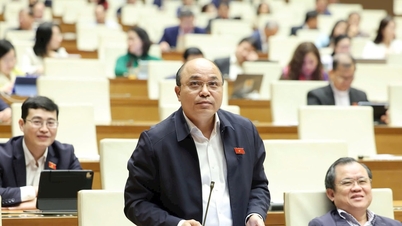
Delegate Huynh Thi Anh Suong (Quang Ngai) said that the rate of poor households belonging to the elderly, disabled, chronically ill, homeless... accounts for about 25-30% of the total number of poor households in mountainous provinces. This is a group that cannot escape poverty, even with increased livelihood support. Including this group in the social protection group will be in line with the poverty reduction goal, reflecting the reality, while ensuring that people who are unable to work enjoy more appropriate, stable, and long-term policies, aiming to gradually raise the living standards of these households, approaching the average level of the community.
Delegate Huynh Thi Anh Suong also proposed clarifying investment priorities for particularly difficult areas, border areas, islands and ethnic minority areas - where there is a high rate of poor households, unsynchronized infrastructure, many difficulties, and large investment costs.
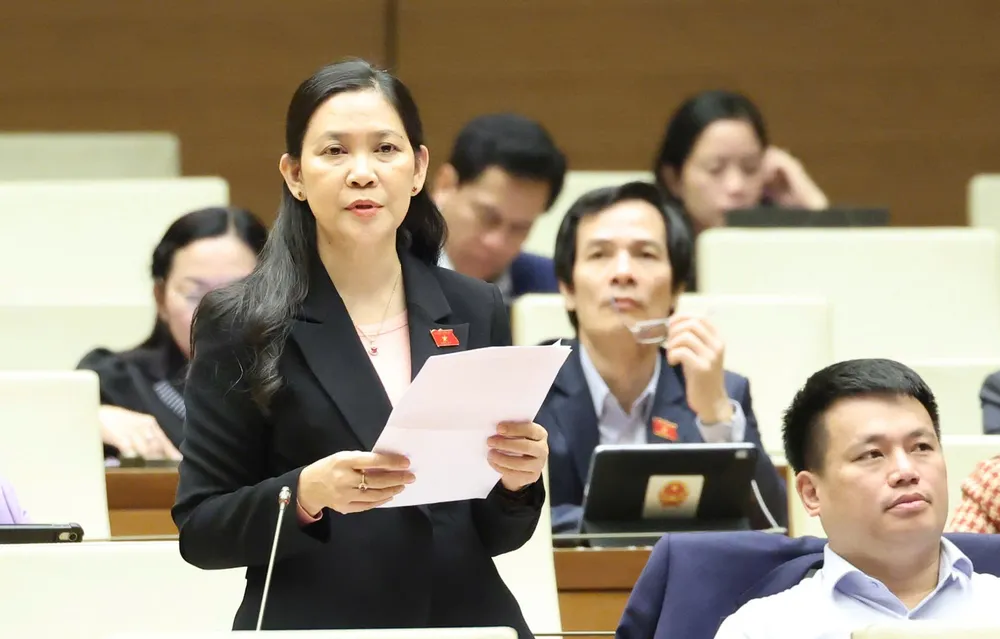
The female delegate from Quang Ngai province also expressed her opinion that the State budget capital for the 2026-2035 period is 500,000 billion VND, of which the central capital is 100,000 billion VND and the local capital is 400,000 billion VND, which is a big challenge for localities. In response to this concern, the delegate proposed to stipulate an appropriate counterpart ratio, such as for localities that have not yet balanced their budgets, localities that are receiving 70% or more of the central budget support, there should be regulations on a lower counterpart funding ratio than the remaining localities, or not required to match funding.
Sharing the same view, Deputy Thach Phuoc Binh (Vinh Long) said that the above capital structure does not accurately reflect the financial capacity of each region. According to him, currently most provinces in ethnic minority and mountainous areas have low budget revenue. Many Northwestern provinces only reach 2,000 to 5,000 billion VND/year. The Central Highlands and Southwestern regions also mainly rely on support from the Central Government. Therefore, the requirement for localities to contribute 80% of the total capital as above is very difficult to achieve.
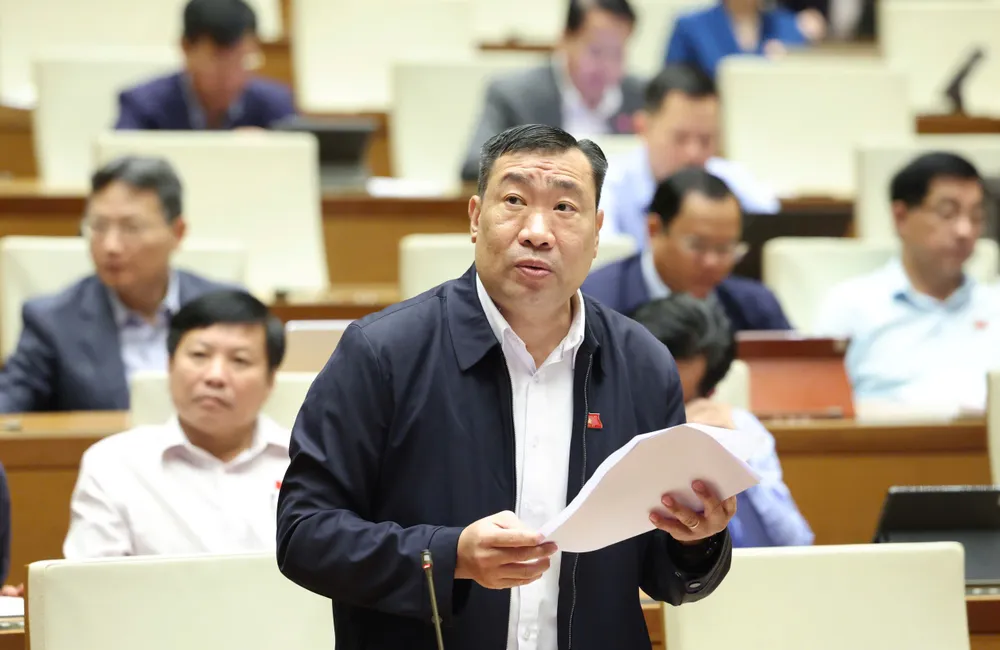
“The draft resolution has not clarified the capital allocation mechanism according to the level of difficulty, nor clearly stipulated the capital ratio for essential infrastructure, digital transformation or cooperative enterprise development. While these are key contents. To achieve the goal of modern new rural areas and sustainable poverty reduction. Therefore, I propose to increase the proportion of the central budget to 180,000 to 200,000 billion VND, this will contribute to reducing pressure on localities. Along with that, it is necessary to apply capital allocation according to 3 levels of difficulty, ensuring that capital flows to the poorest and most difficult places, increasing investment efficiency, narrowing regional differences, helping localities proactively plan in accordance with their capacity and specific needs,” said Deputy Thach Phuoc Binh.
Source: https://www.sggp.org.vn/ban-khoan-voi-von-doi-ung-khi-dau-tu-nang-cao-doi-song-nguoi-dan-mien-nui-post827031.html


![[Photo] Cat Ba - Green island paradise](/_next/image?url=https%3A%2F%2Fvphoto.vietnam.vn%2Fthumb%2F1200x675%2Fvietnam%2Fresource%2FIMAGE%2F2025%2F12%2F04%2F1764821844074_ndo_br_1-dcbthienduongxanh638-jpg.webp&w=3840&q=75)







































































Comment (0)