

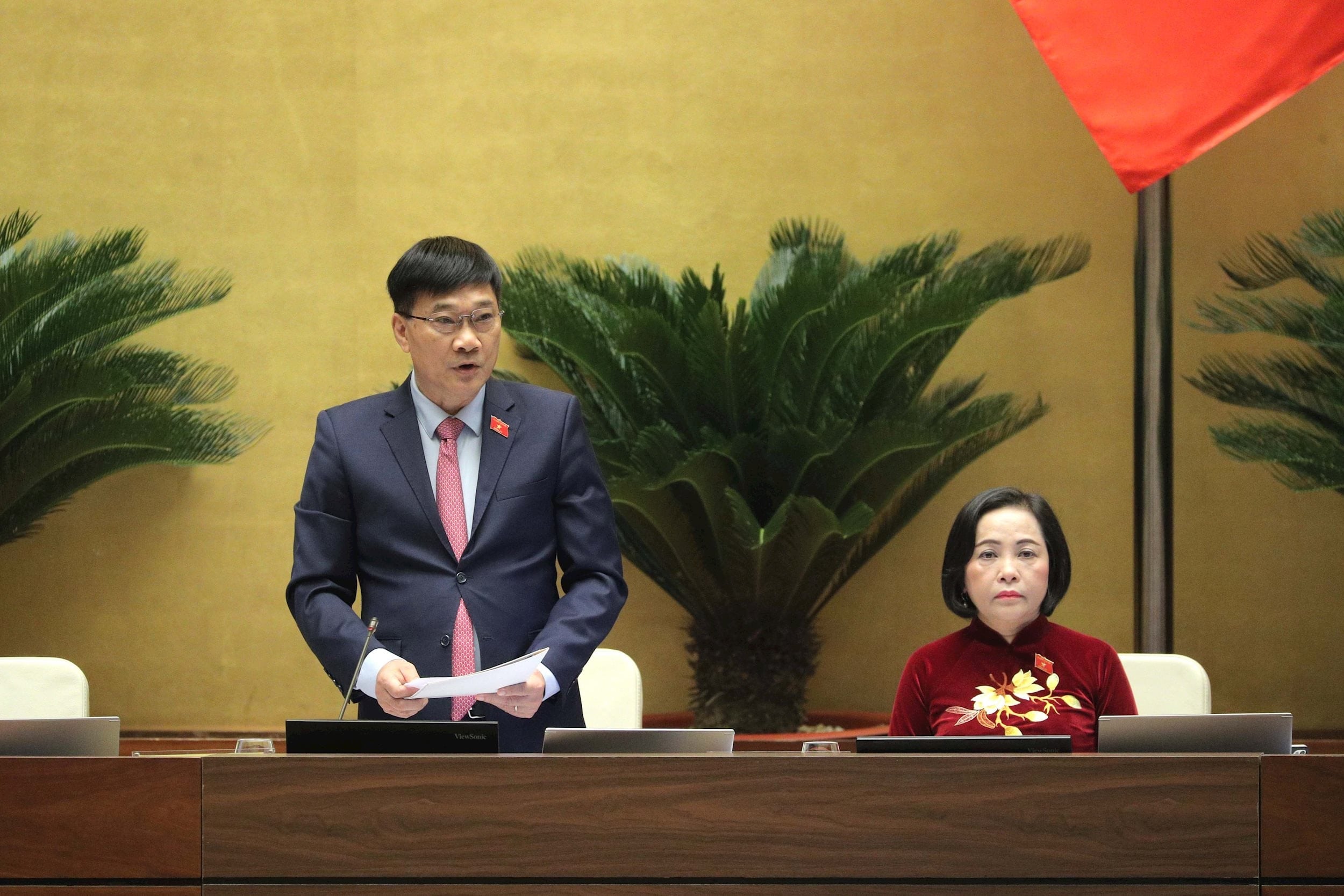
Increase the sustainability of poverty reduction and increase people's income
National Assembly deputies basically agreed with the National Assembly's consideration of issuing a Resolution approving the investment policy for the National Target Program on new rural construction, sustainable poverty reduction, and socio -economic development in ethnic minority and mountainous areas for the 2026-2035 period.
Opinions say that this is a major policy of strategic significance, consistently demonstrating the Party and State's viewpoint on prioritizing the development of rural areas and ethnic minority areas, narrowing regional gaps and ensuring equal development opportunities for all people. The consolidation of the 3 Programs will overcome the shortcomings of the previous period such as overlapping beneficiaries and investment locations; especially, it will overcome obstacles in the previous management mechanism such as overlapping management between ministries, branches and localities in organizing program implementation.
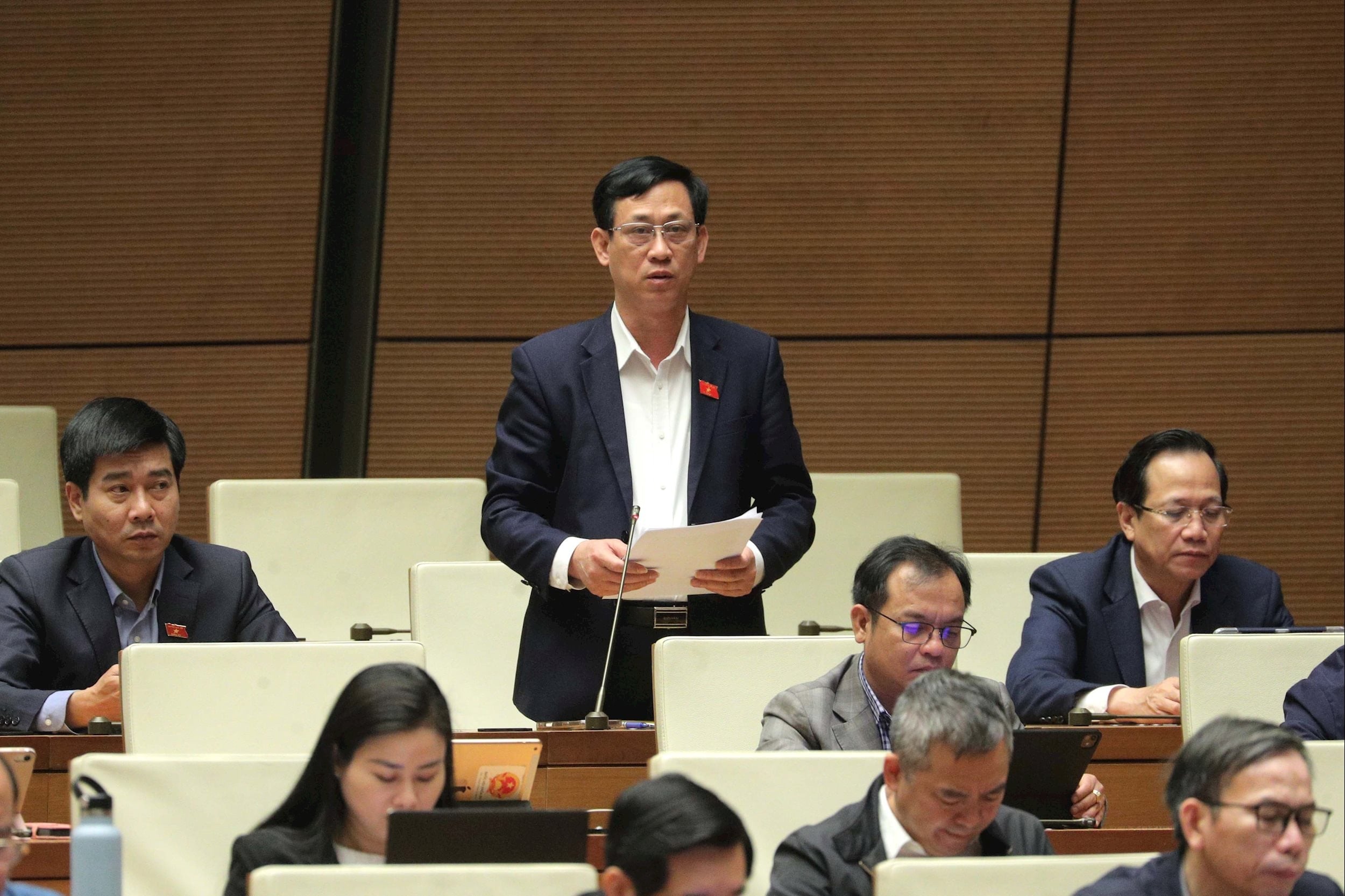
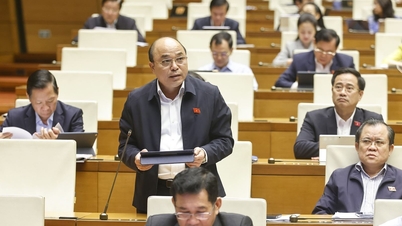
Expressing agreement with the general goals and some specific targets set out in the draft Resolution, National Assembly Deputy Mai Van Hai (Thanh Hoa) stated that the draft Resolution demonstrated the deep concern and great political determination of the Party, Government and National Assembly in building new rural areas, modern new rural areas, shortening the gap between regions, especially ethnic minority and mountainous areas compared to other regions, the biggest goal is to improve the material and spiritual life of the people.
However, delegate Mai Van Hai suggested that it is necessary to convincingly explain the basis for determining the targets on multidimensional poverty rate; the targets of new rural communes, modern new rural communes for the period 2026 - 2030 and until 2035. Because, currently, the regulations on multidimensional poverty standards for the period 2021 - 2025; the set of criteria for building new rural areas, advanced new rural areas, and model new rural areas for the period 2021 - 2025 are also about to end.
Meanwhile, the set of criteria for modern new rural areas is not yet available. According to the Government's explanatory report to the National Assembly Standing Committee's opinion, it is currently under construction.
Therefore, the delegate emphasized that it is necessary to clarify the basis for setting targets on multidimensional poverty rate; new rural areas, modern new rural areas. At the same time, it is necessary to review the arrangement of content groups in the components to avoid overlap, ensure focus, key points and inherit the contents of the 3 programs for the period 2021 - 2025.
Also agreeing with the target group towards building modern new rural areas, reducing multidimensional poverty and improving people's lives, National Assembly Delegate Do Van Yen (Ho Chi Minh City) suggested that it is necessary to study and add measurement indicators on "the rate of people accessing digital services and digital infrastructure in rural areas and ethnic minority areas" to be consistent with the national digital transformation orientation.
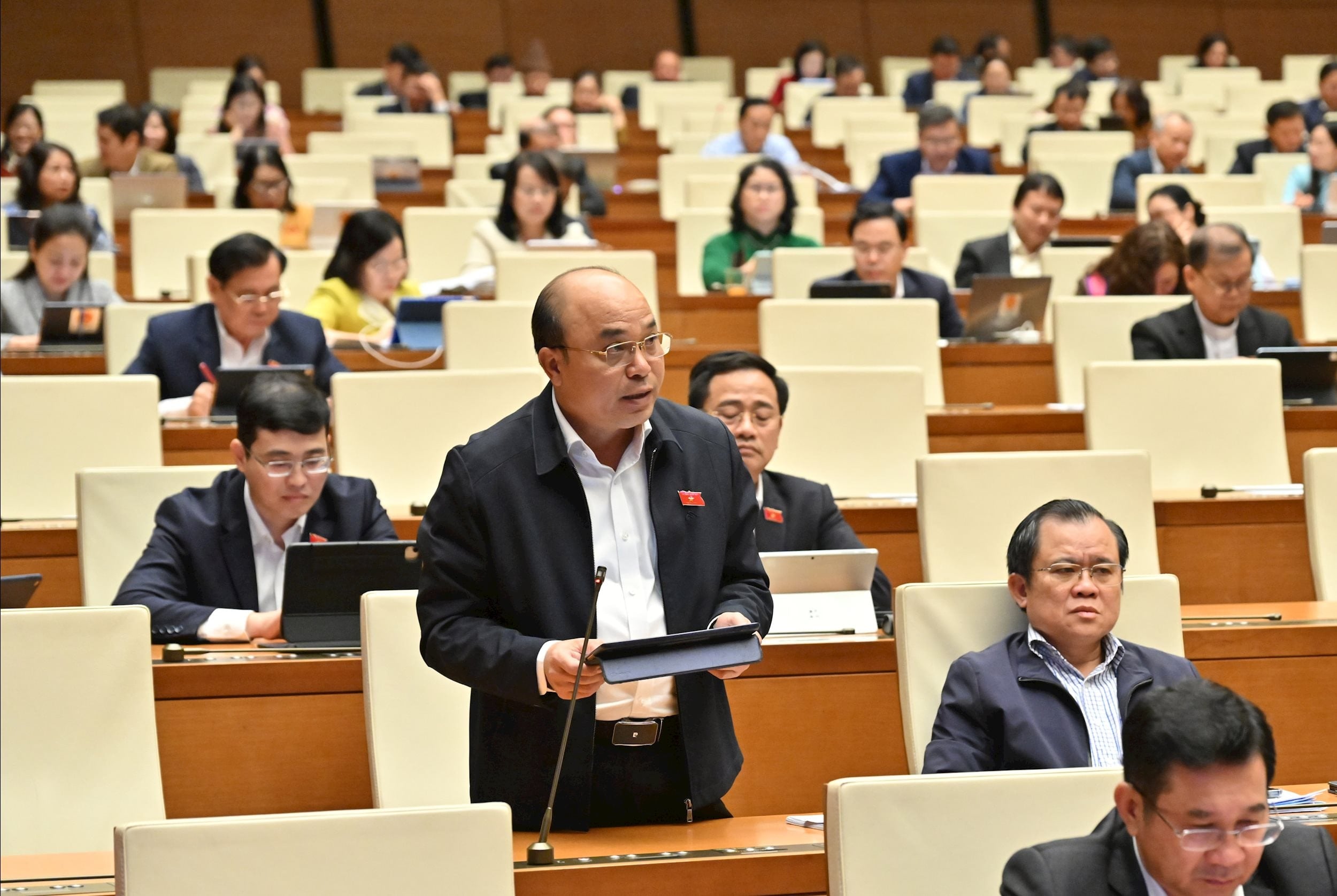
“Adding this indicator will ensure that development goals not only focus on physical infrastructure but also prioritize digital infrastructure - a decisive factor in improving competitiveness, creating new jobs and connecting markets for rural and mountainous areas, thereby increasing the sustainability of poverty reduction and increasing people's income,” said delegate Do Van Yen.
Unified while maintaining the necessary depth
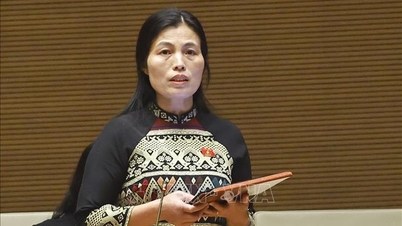
Considering that the National Target Program for Socio-Economic Development of Ethnic Minority and Mountainous Areas is the only program that directly impacts the most disadvantaged groups, living in the most difficult areas and in an important position for socio-political stability, National Assembly Deputy Pham Thi Kieu (Lam Dong) said that when designing an integrated program, it is necessary to clarify three major orientations to ensure that the Program is both unified and still maintains the necessary depth.
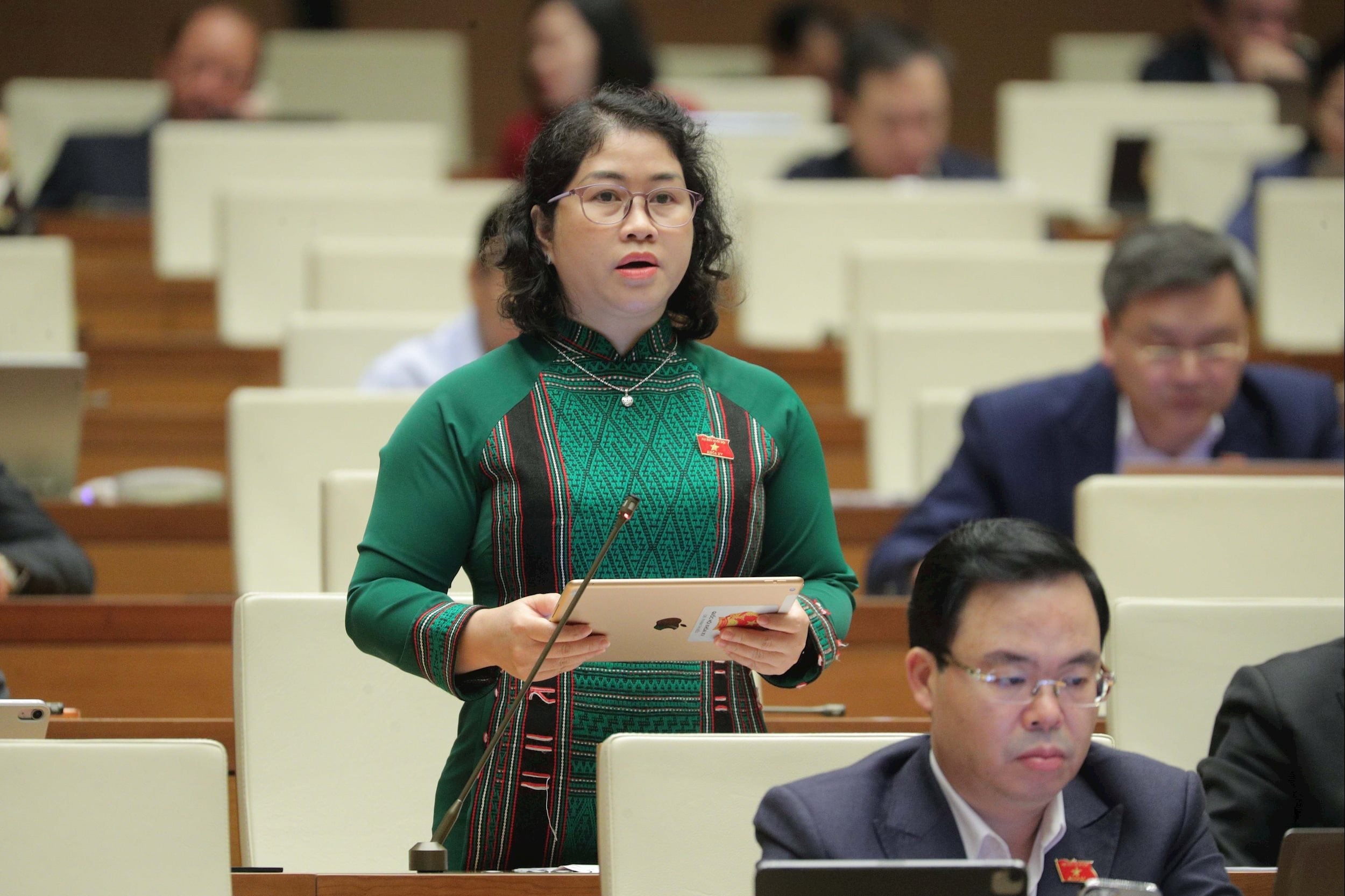
Firstly , build a separate component for ethnic minority and mountainous areas with appropriate and specific goals, scope and mechanisms. This is a requirement to ensure that the most core issues in the region are not merged into universal goals, avoiding the situation where specific issues are obscured during the integration process.
Second , allocate resources based on the actual level of difficulty instead of average by administrative unit; the most difficult areas must be given the strongest priority. Because, if allocated equally, the Program will no longer maintain its humanity and the goal of narrowing the development gap between regions.
Third , clarify the central role of ethnic affairs agencies in managing specific components. This is not to create an additional intermediate level but to ensure continuity in ethnic policies, avoid disruption when switching to an integrated model and promote management experience that has been proven through many stages. Practice shows that the state management agency for ethnic affairs is the unit that best understands regional characteristics, grasps the area, has data, and has the capacity to deploy directly to the community.
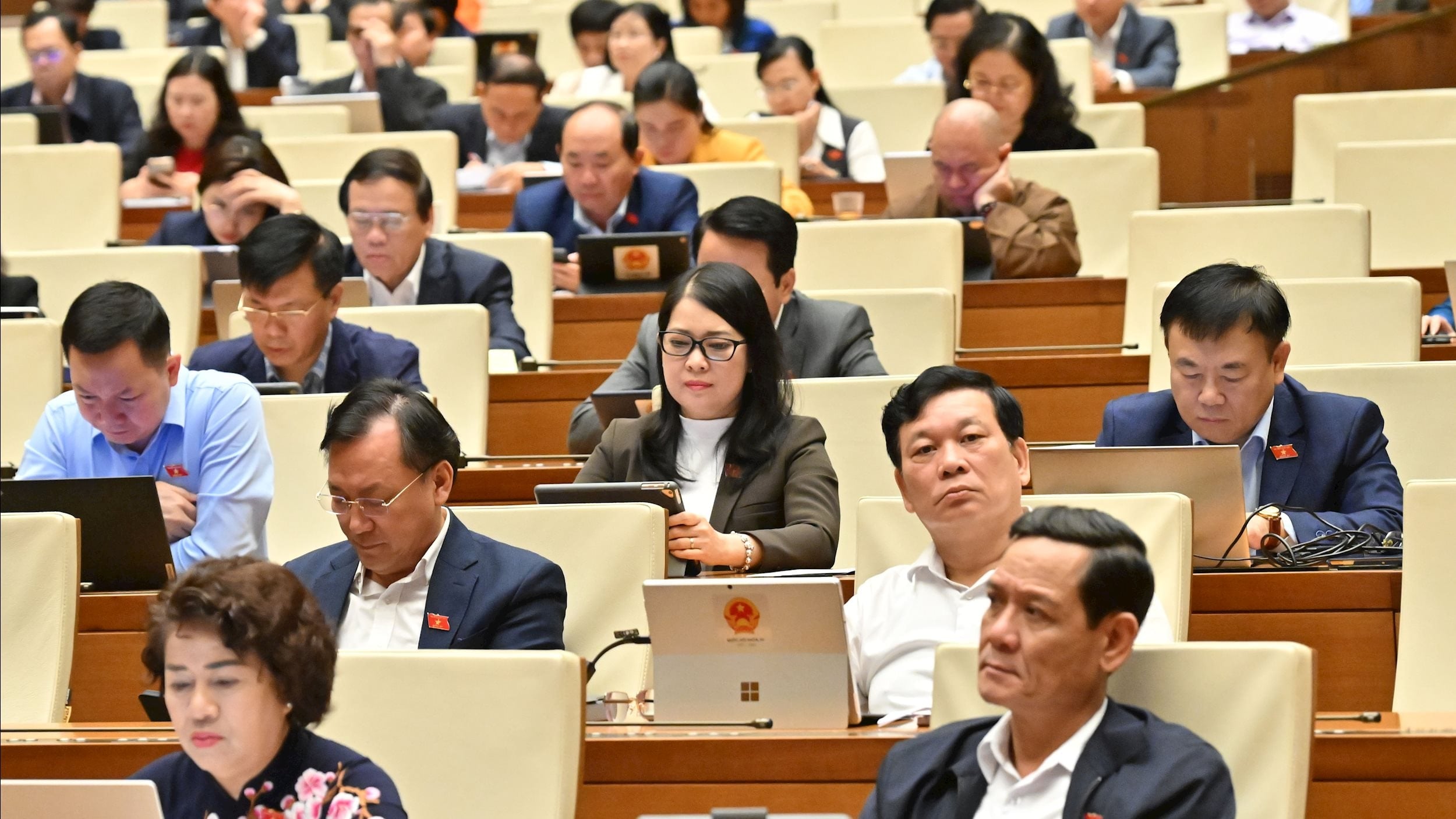
Regarding the management and operation mechanism of the Program, delegate Mai Van Hai said that this is a very important content to overcome the shortcomings in the operation of the mechanism in organizing the implementation of previous national target programs, especially the National Target Program for socio-economic development in ethnic minority and mountainous areas, which initially encountered many difficulties in implementation.
Therefore, delegate Mai Van Hai noted that there should be principled regulations in the implementation organization between ministries, branches, and localities, and the specific management mechanism should be assigned to the Government for detailed regulations. Accordingly, the unified regulations assign the Ministry of Agriculture and Environment as the governing body of the entire Program, but for component 2, for specific contents of socio-economic development in ethnic minority and mountainous areas, the research should assign the Ministry of Ethnic Minorities and Religions to preside; and it is also necessary to stipulate the responsibilities of the commune level in implementing the Program after implementing the 2-level local government model.
Source: https://daibieunhandan.vn/ra-soat-cac-nhom-noi-dung-bao-dam-co-trong-tam-trong-diem-10399339.html


![[Photo] National Assembly Chairman Tran Thanh Man attends the VinFuture 2025 Award Ceremony](/_next/image?url=https%3A%2F%2Fvphoto.vietnam.vn%2Fthumb%2F1200x675%2Fvietnam%2Fresource%2FIMAGE%2F2025%2F12%2F05%2F1764951162416_2628509768338816493-6995-jpg.webp&w=3840&q=75)
![[Photo] 60th Anniversary of the Founding of the Vietnam Association of Photographic Artists](/_next/image?url=https%3A%2F%2Fvphoto.vietnam.vn%2Fthumb%2F1200x675%2Fvietnam%2Fresource%2FIMAGE%2F2025%2F12%2F05%2F1764935864512_a1-bnd-0841-9740-jpg.webp&w=3840&q=75)





































































Comment (0)