

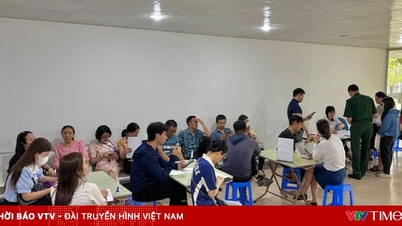
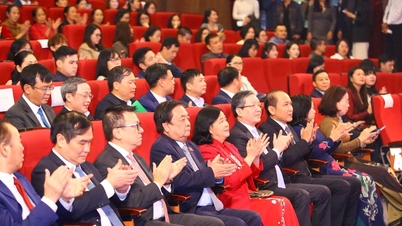
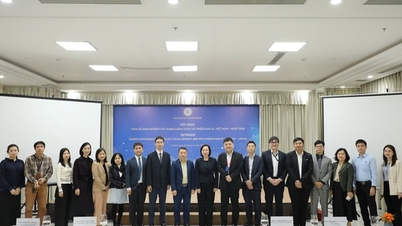
On the afternoon of December 5, in Quang Ninh province, the Tax Department continued the Conference program "Reviewing and perfecting tax management procedures and restructuring the information technology system". The Conference was organized by the Tax Department from December 2 to 5.
Tax authorities focus on identifying risky behaviors
The conference was held with the aim of continuing to research, amend, supplement and perfect all redesigned processes to ensure that all processes are closely connected, between the tax management process by subject and the risk management and compliance process. From there, identify the prerequisites to ensure the goal of effective tax management according to the new model, with people and businesses as the center of service.
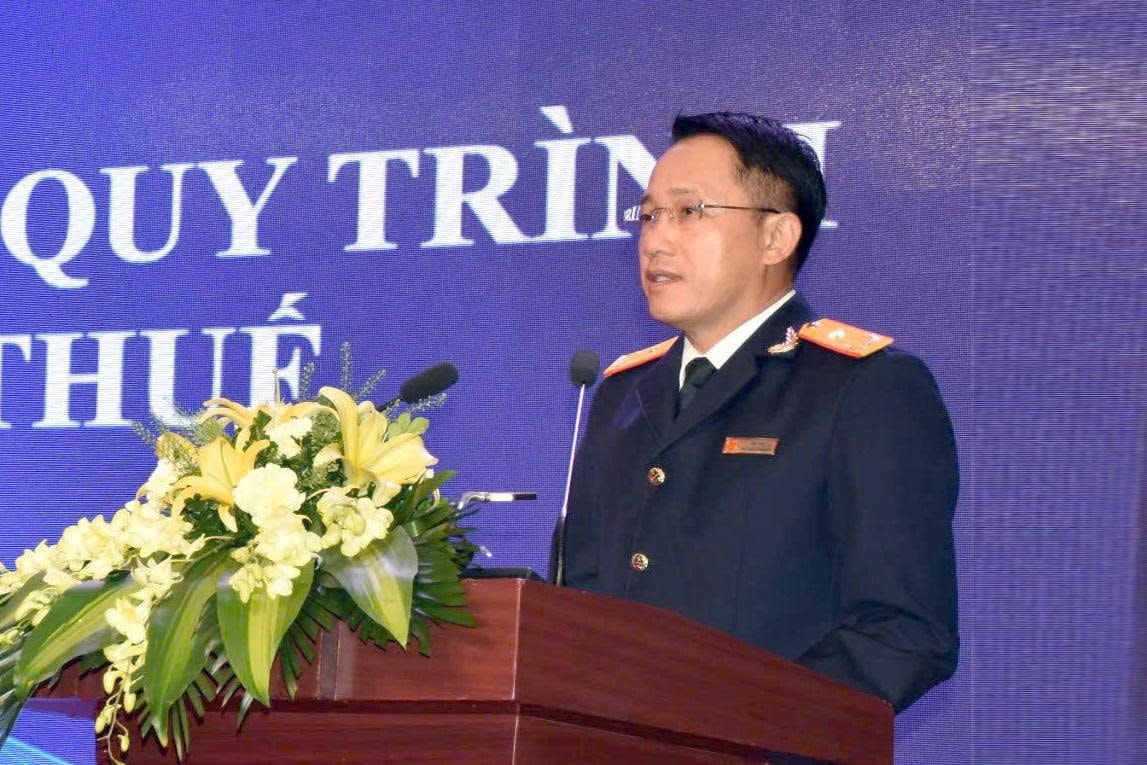
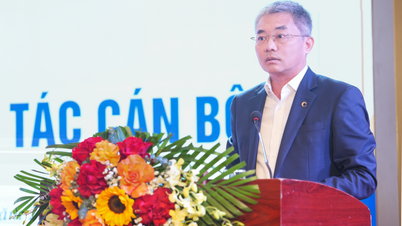
Deputy Director of the Tax Department Mai Son said that referring to the experience from international organizations, developed countries such as: IMF (International Monetary Fund), WB ( World Bank), USA, UK, or from the experience of strongly developing e-Government in small countries like Estonia, or Asian regions like China, Thailand... shows that these models bring clear benefits to businesses, taxpayers and management agencies through accessing, screening and applying appropriate standards. This approach helps to better identify and assess risks, thereby improving the level of taxpayer compliance. The urging and reminders are carried out before applying other management measures, inspection, handling, enforcement...
According to the leader of the Tax Department, on the basis of database-based management, risk criteria assessment and taxpayer compliance level, the Tax sector is aiming to complete the entire business process according to a design method suitable for the new tax management model.
“With the principle of risk management as the “brain” and business processes as the “backbone”, the new management system meets the need to correctly classify taxpayers. Instead of managing by subject or function as before, we have switched to taking taxpayers as the center, grouping and stratifying each group of subjects to ensure consistency, automation, as well as enhancing connection and sharing of national data” - Deputy Director of the Tax Department Mai Son.
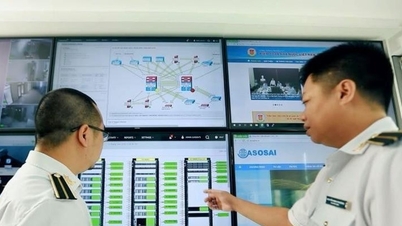
Deputy Director Mai Son said that the Tax Department also clearly identified the requirement to redesign the management process associated with the application of digital technology , big data and artificial intelligence. At the same time, it recognized the requirement to innovate the management model, reduce compliance costs, ensure a fair and transparent business environment, and encourage the sustainable development of enterprises and business households.

“These major orientations are the important political basis for the Tax sector to proactively redesign processes and restructure the information technology system, creating a fundamental shift in the current tax management model,” Deputy Director Mai Son emphasized.
Regarding the inspection of business households and individuals paying taxes according to the declaration method, the tax authority plans to focus on identifying risky behaviors such as: declaring low revenue, concealing revenue, using third-party payment accounts, not issuing invoices, using illegal invoices, or accounting for expenses not in accordance with regulations.
Overviewing the overall management process, Ms. Nguyen Thi Thu - Head of Tax Operations Department, Tax Department emphasized the first principle, which is to put taxpayers at the center, improve experience, provide maximum support and limit direct contact. Second, risk management and compliance, including applying risks in each specific business, overall risk management and overall compliance management. Third, data is the foundation, aiming to build a centralized, integrated database, ensuring clean, standardized, live and continuously updated data. Fourth, automate the entire process, from automatic reception to automating processing steps, accounting, notification and decision making.
All of this content aims to standardize unified business processes according to the taxpayer's life cycle, from registration, declaration, tax payment, tax refund, obligation management, inspection to termination of operations, on the basis of risk management and compliance, strongly shifting to proactive support so that taxpayers can fulfill their obligations conveniently and easily.
Classify taxpayers according to their level of compliance or non-compliance
Sharing international experience, Mr. Nguyen Viet Anh - Senior Public Sector Expert of WB noted that tax management needs to be output-oriented, avoiding being limited to important content, especially revenue.
Along with that, it is necessary to classify taxpayers according to the level of compliance or non-compliance, segment taxpayers in the context of a very large number of taxpayers, while tax officers are limited.
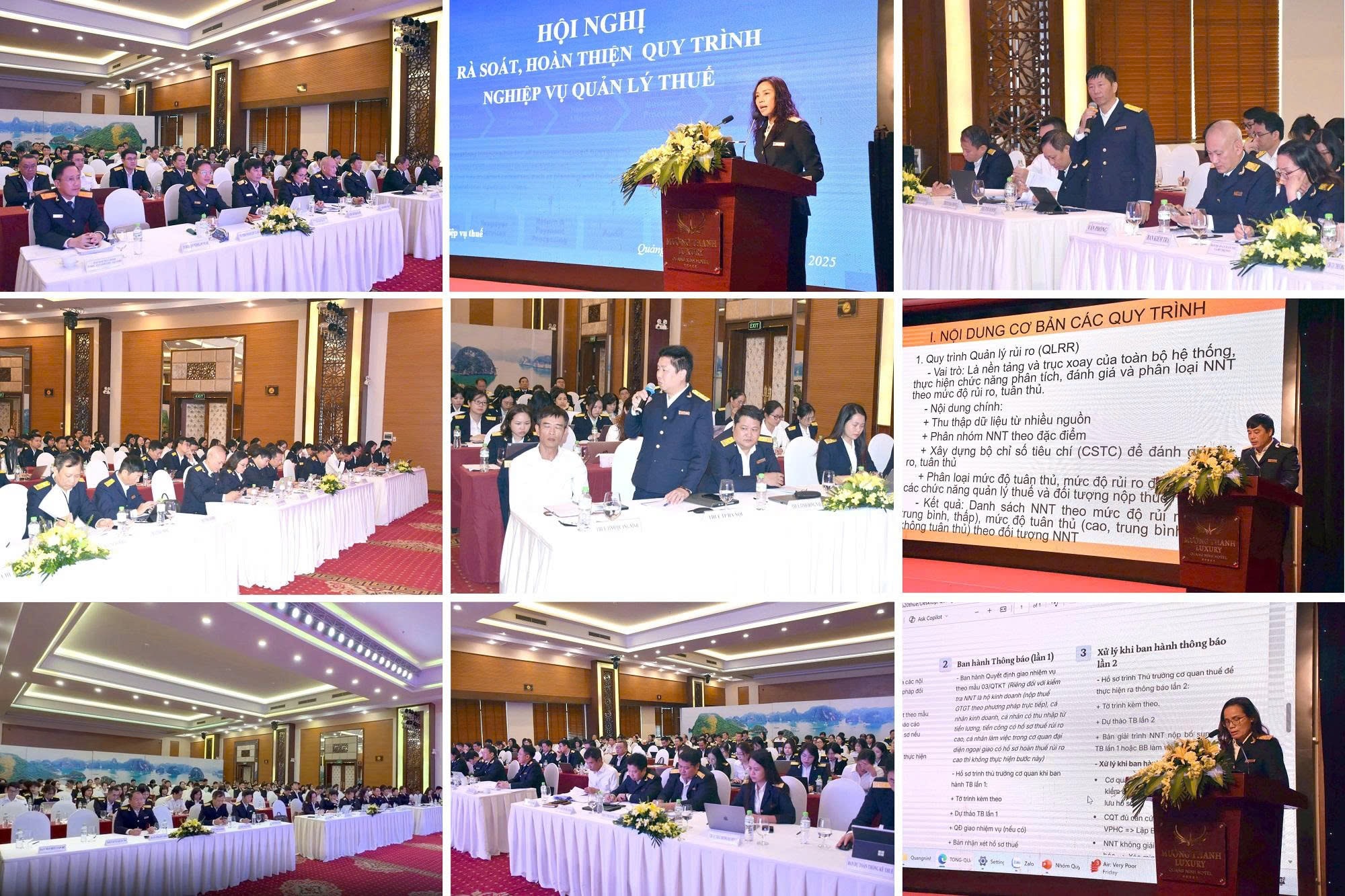
Moreover, the amount of data is becoming huge, especially after the application of electronic invoices. Therefore, data analysis capacity needs to be improved, with more powerful tools to process live data, real-time updated data, instead of mainly using Excel.
International practice shows that large Corporate Tax Departments in many countries collect 50-80% of the revenue; while Vietnam only accounts for 19.2%. According to Mr. Nguyen Viet Anh, Vietnam currently manages by tax code, at each tax authority, while large enterprises operate according to the model of corporations and ecosystems but are not fully recognized. This leads to asymmetric information, especially when large enterprises have complex scale, operating processes and structures.

Mr. Rick Fisher - Senior Tax Advisor of WB said that tax authorities need to have specific criteria and measures. The restructuring of business processes must aim at increasing the level of taxpayer compliance, with new registration of the number of taxpayers, the amount of tax payable... when previously the rate of tax payment and late declaration was still high.
WB experts emphasized that business process reengineering is not simply about digitizing or applying technology to old processes, but about creating and redesigning processes; in which the business department is the main focal point, not the information technology department.
Source: https://daibieunhandan.vn/tao-ra-buoc-chuyen-can-ban-trong-mo-hinh-quan-ly-thue-10399420.html




![[Photo] National Assembly Chairman Tran Thanh Man attends the VinFuture 2025 Award Ceremony](/_next/image?url=https%3A%2F%2Fvphoto.vietnam.vn%2Fthumb%2F1200x675%2Fvietnam%2Fresource%2FIMAGE%2F2025%2F12%2F05%2F1764951162416_2628509768338816493-6995-jpg.webp&w=3840&q=75)
![[Photo] 60th Anniversary of the Founding of the Vietnam Association of Photographic Artists](/_next/image?url=https%3A%2F%2Fvphoto.vietnam.vn%2Fthumb%2F1200x675%2Fvietnam%2Fresource%2FIMAGE%2F2025%2F12%2F05%2F1764935864512_a1-bnd-0841-9740-jpg.webp&w=3840&q=75)















































































Comment (0)